
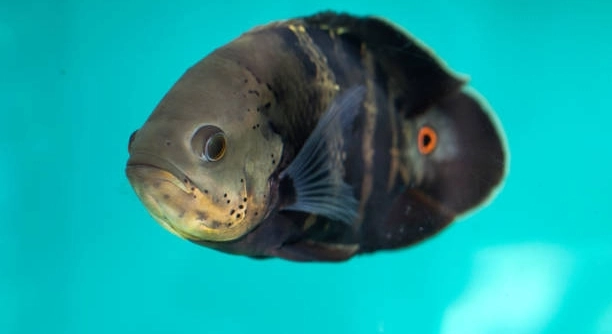
Oscar fish are known for their vibrant personalities and active movements. However, there are times when they may refuse to move. Understanding the reasons behind this behavior can help you ensure their health and well-being.
Oscar fish may refuse to move due to factors such as stress, poor water quality, or illness. Environmental changes, water temperature fluctuations, and inappropriate tank conditions can cause discomfort, leading the fish to become lethargic or inactive.
Identifying and addressing these key issues can help restore your fish’s activity levels and improve their overall health.
Stress and Anxiety in Oscar Fish
Stress is one of the most common reasons Oscar fish refuse to move. Changes in their environment, such as loud noises, sudden movements, or a new tankmate, can cause them significant anxiety. This heightened stress can make them stop swimming and hide in their tank. Stress weakens their immune system, which may lead to health issues. Overcrowded tanks, too much light, or a lack of hiding spots also contribute to stress. When Oscars feel unsafe, they become inactive and lethargic. Recognizing the early signs of stress and taking steps to address them can improve their behavior and overall health.
Oscar fish can recover from stress when given the proper care. Reducing tank disturbances, ensuring they have enough space, and maintaining a calm environment will help. It’s essential to create an environment where your fish can feel secure.
By providing a stable, peaceful habitat, you help your Oscar fish reduce stress and regain their activity levels. Keeping stress levels low is vital for a healthy, active Oscar fish.
Poor Water Quality
The condition of the water in your tank significantly affects the behavior of Oscar fish. Oscars are sensitive to poor water quality, and even slight changes can cause them to stop moving. High ammonia levels, dirty filters, and fluctuating pH levels are a few common water-related issues that can make Oscars lethargic. Regular water changes and water testing are essential to maintain a healthy tank.
Water quality affects more than just your Oscar fish’s movement; it also impacts their overall health. Poor water conditions can lead to disease, decreased appetite, and other issues.
Keeping your tank clean and maintaining stable water parameters are the best ways to ensure your Oscar fish stays active. This includes regular water testing, proper filtration, and consistent water changes. A healthy environment supports an active and happy fish.
Illness and Disease
When Oscar fish are unwell, they may stop moving or become lethargic. Common health issues like parasites, fungal infections, or internal diseases can make them inactive. If you notice any other symptoms, such as unusual behavior or changes in appearance, it’s important to act quickly.
A proper diagnosis and treatment plan are crucial. Consulting an aquarium vet or a knowledgeable fish store can help determine the cause. Some diseases are highly contagious, so it’s essential to separate the sick fish from the rest of your tank to prevent spreading.
Medications and water changes might be needed depending on the illness. Keeping the tank conditions stable will assist in their recovery. Treating the illness promptly can restore your Oscar fish’s health and activity levels. A well-cared-for fish will bounce back once the underlying issue is addressed.
Tank Conditions and Temperature
Oscar fish thrive in specific water temperatures, typically between 74°F and 81°F. If the temperature is too low or too high, they may refuse to move. Water that’s too cold can slow down their metabolism, causing them to become sluggish.
If your aquarium’s heater is malfunctioning or fluctuating in temperature, the fish may respond by hiding and staying still. To prevent this, use a reliable thermometer to monitor the water’s temperature.
Maintaining a consistent temperature is important for Oscar fish health. Regular checks and using a quality heater can keep the environment stable. A temperature drop or spike can make your fish feel uncomfortable, leading to inactivity.
Overfeeding
Overfeeding can lead to lethargy in Oscar fish. When they consume too much food, it can cause digestive issues, leading to inactivity. Uneaten food also decomposes in the tank, affecting water quality, which may further contribute to a lack of movement.
To avoid overfeeding, feed your fish only what they can consume in a few minutes. Monitor their appetite and adjust portion sizes as needed. Keeping the feeding schedule consistent will help ensure they stay active and healthy.
Regular water changes and careful portion control are key to preventing overfeeding problems and maintaining tank stability.
Lack of Enrichment
Oscar fish need mental stimulation to stay active. Without proper enrichment, they can become bored and stop moving. Decorations, hiding spots, and other tank mates can provide them with a sense of security and entertainment.
Adding rocks, plants, and toys can keep your Oscar fish engaged. Swimming and exploring their environment helps them stay physically active. If they feel there is nothing to do, they may become sluggish and inactive. A stimulating environment promotes health and reduces stress.
Changing the tank layout occasionally can also keep things interesting for your Oscar fish.
FAQ
Why is my Oscar fish sitting at the bottom of the tank?
Oscar fish may sit at the bottom of the tank if they are stressed, sick, or the water quality is poor. It’s important to check the water parameters and ensure that the tank conditions are optimal. A drop in temperature, high ammonia levels, or low oxygen levels can make Oscars retreat to the bottom. If there are no signs of illness, improving the tank’s environment and reducing disturbances can encourage them to swim more.
What can I do if my Oscar fish is not moving?
First, check for potential stressors in the tank. Environmental changes, such as new decorations or tankmates, can cause Oscars to become inactive. Ensure that the water temperature, quality, and oxygen levels are within the recommended ranges. A sudden change in water parameters can also lead to inactivity. If your fish is ill, consider consulting a vet for a proper diagnosis. Also, check for overfeeding or other tank-related issues that might be making your Oscar lethargic.
How do I know if my Oscar fish is sick?
Signs that an Oscar fish might be sick include lethargy, refusal to eat, unusual swimming behavior, or changes in appearance like faded colors or visible sores. If you notice any of these symptoms, take action immediately. Testing the water and isolating the sick fish from others is essential to prevent any spread of illness. Consulting an aquarium vet will help in identifying and treating the problem.
Can Oscar fish get stressed easily?
Yes, Oscar fish are sensitive to their environment and can get stressed easily. Factors like changes in tank conditions, the presence of aggressive tankmates, and poor water quality can contribute to stress. Additionally, overcrowding or sudden movements around the tank can trigger stress responses. Reducing disturbances and maintaining a stable, peaceful tank will help keep your Oscar healthy and active.
How often should I feed my Oscar fish?
Oscar fish should be fed once or twice a day, depending on their size and age. It’s important not to overfeed them, as this can lead to obesity and digestive issues. Offering food that they can consume within a few minutes helps maintain their health and prevents water quality problems. Be sure to remove any uneaten food to keep the tank clean.
What temperature should my Oscar fish tank be?
Oscar fish thrive in temperatures between 74°F and 81°F (23°C to 27°C). A stable temperature is key to their well-being, as fluctuations can cause stress and health problems. Using a reliable heater and thermometer can help maintain the right temperature range. Regularly monitor the tank to ensure the temperature remains consistent.
Do Oscar fish need a lot of space?
Yes, Oscar fish require a spacious tank to swim freely. A minimum of a 55-gallon tank is recommended for one adult Oscar, with an additional 25 gallons for each additional Oscar. This space ensures they have enough room to move around, find hiding spots, and establish territory. Keeping Oscars in a cramped tank can lead to stress, aggression, and health issues.
How can I prevent my Oscar fish from getting sick?
Maintaining proper water quality, feeding them a balanced diet, and ensuring that the tank environment is stable are the best ways to prevent illness. Regular water changes and testing, avoiding overcrowding, and quarantining new fish before adding them to the tank will also help reduce the risk of disease. Keeping the tank clean and providing enrichment can further support your Oscar’s health.
Why is my Oscar fish not eating?
An Oscar fish may refuse to eat for several reasons, including stress, illness, poor water conditions, or overfeeding. If the water temperature is too low or the water quality is poor, it can reduce their appetite. A sick Oscar may stop eating as well. If the issue persists for more than a few days, it’s best to check the water quality and consult a vet.
Can I put other fish with my Oscar?
While Oscars can live with other fish, they tend to be territorial and aggressive. It’s best to keep them with large, peaceful species that can handle their aggression. Small or timid fish may get bullied or eaten. Cichlid species, such as other large South American cichlids, are often good tankmates. Be mindful of the tank size and provide hiding spots for the other fish.
What should I do if my Oscar fish is attacking other fish?
Oscar fish are known to be territorial and may attack other fish, especially if they feel threatened or overcrowded. If your Oscar is showing aggression, it’s essential to increase the tank size or add more hiding places. Sometimes, rearranging the tank can help reduce aggression. If the problem persists, consider separating the aggressive fish to prevent injury or stress.
How long do Oscar fish live?
Oscar fish typically live for 10 to 15 years with proper care. Their lifespan can be shortened by poor water conditions, inadequate diet, or health issues. Providing a stable environment, regular maintenance, and a balanced diet will help them live a long, healthy life. It’s important to monitor their health regularly to prevent any problems that could affect their longevity.
Final Thoughts
Oscar fish are captivating creatures, known for their personality and intelligence. However, like any pet, they require proper care to thrive. When an Oscar fish refuses to move, it is often a sign that something is wrong. It could be related to illness, stress, or poor tank conditions. Understanding the reasons behind their inactivity will help you address the issue and get your Oscar back to its active self.
Proper tank maintenance is crucial to keeping an Oscar healthy. Regular water changes, monitoring water temperature, and testing the water for harmful chemicals can go a long way in preventing health issues. Oscars are sensitive to their environment, so even small changes can cause stress, which leads to inactivity. Be sure to check the water parameters and provide a stable environment. If your Oscar is sick or stressed, make the necessary adjustments to restore their health.
In conclusion, paying close attention to your Oscar’s behavior and environment is essential for their well-being. If your Oscar fish stops moving, assess the tank conditions, check for illness, and make sure their needs are met. Regular care, monitoring, and prompt attention to issues will ensure your Oscar fish remains active and happy.

Hello,
If you enjoy the content that we create, please consider saying a "Thank You!" by leaving a tip.
Every little bit helps us continue crafting quality advice that supports the health, happiness, and well-being of pets around the world, for pets of all shapes, sizes, and species.
We really appreciate the kindness and support that you show us!