
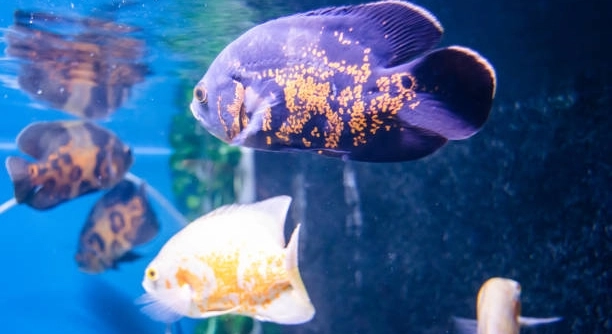
Have you ever noticed your Oscar fish acting bold and territorial, especially when other fish are nearby or during feeding time?
Oscar fish express dominance through behaviors such as flaring their gills, chasing tank mates, claiming specific territories, and displaying vibrant coloration. These actions help establish a social hierarchy, particularly in community aquariums with multiple fish.
Recognizing these behaviors can help you create a peaceful tank environment while respecting your Oscar fish’s natural instincts.
Gills Flaring and Body Posturing
Oscar fish often flare their gills and spread their fins when trying to show dominance. This makes them appear larger and more threatening to other fish. The behavior usually happens when a new fish is introduced or if the tank feels too small. It’s a visual warning, telling others to back off. This can be stressful for the less dominant fish, especially if they have no place to hide. Oscars may also tilt their body slightly or sway side to side while doing this. These movements can help establish control without leading to a full-blown fight. Tank mates that don’t respond to these signals may end up being chased or bitten. Observing these interactions helps you better understand their social structure and make changes if needed.
This behavior may be brief or last for several minutes, depending on how the other fish react and the tank environment.
Make sure your tank has enough space and hiding spots so less dominant fish can retreat and avoid ongoing conflict. Keeping water quality high also helps reduce stress, which can calm the Oscar’s need to assert itself. Try to avoid placing two dominant Oscars in a small tank. They will keep challenging each other and create tension that could lead to injuries. Introducing new fish gradually can lower the chance of aggressive behavior. It also helps to decorate the tank with rocks or plants that break line of sight. These physical barriers reduce confrontations and allow each fish to claim its own area. Oscar fish need space to feel secure. When they don’t feel overcrowded, they are less likely to compete for control and more likely to settle into a routine that keeps your tank stable.
Chasing Tank Mates
Oscar fish often chase others in the tank to show they’re in charge. It’s not always about aggression but about control.
This chasing usually happens when there are other fish competing for space, food, or attention. It starts with short bursts of speed where the Oscar targets a specific fish, sending it to the other side of the tank. Over time, if one fish keeps being targeted, it becomes clear who is at the top of the social structure. While this can be normal, repeated chasing may turn into bullying, especially in smaller tanks. Some Oscars will chase just to claim a territory, while others may do it to keep fish away from food. It’s best to observe if the chased fish is eating, resting, and showing normal behavior. If not, consider separating them. Adding visual barriers or more decorations can also help break the pattern and give the targeted fish space to relax and recover.
Lip Locking and Nipping
Lip locking is one of the clearest signs of dominance in Oscar fish. It may look like kissing, but it’s actually a form of fighting. Nipping often follows or happens in place of lip locking.
During these behaviors, Oscars grab each other’s mouths or fins, sometimes spinning in place. It usually happens between two fish that are evenly matched or new to the tank. They test each other’s strength this way and decide who gets to control certain areas. This can be brief or go on for several minutes. If it continues too often or causes injuries, separation may be necessary. Watch for signs of torn fins or constant hiding. A larger tank and more hiding places help reduce these behaviors. Sometimes, rearranging the tank also resets territorial boundaries and lowers aggression levels between fish that don’t yet have an established hierarchy.
Lip locking may also show up in breeding pairs, but it still reflects a power struggle rather than affection. Even bonded pairs can challenge each other over who controls the breeding site. If you keep Oscars in pairs or groups, it’s important to watch for changes in how they interact. One may suddenly start challenging the other more often. If this happens, feeding time or tank rearrangements can trigger more displays. Prevent this by maintaining a regular routine and avoiding sudden changes. Even fish that previously got along may start displaying dominant behaviors when stressed or bored. A peaceful tank depends on understanding these interactions and adjusting the setup when needed.
Owning the Best Spot
Oscar fish love to claim specific areas of the tank. These spots often include caves, corners, or flat rocks. Dominant Oscars will guard these areas and chase others away if they get too close.
They usually choose spots near food sources or resting areas. Once a dominant fish claims a location, it will return to it frequently and become aggressive if another fish enters the space. This territorial behavior helps them control their environment. You might notice the same fish hovering around one area most of the time. Adding more hiding places and breaking the line of sight between areas can reduce stress and fighting. If you see one Oscar pushing others away from a spot repeatedly, it may be time to rearrange the tank. This gives every fish a chance to establish a new territory and reduces the chance of conflict. Dominance often centers on these prime locations.
Eating First and Guarding Food
Dominant Oscars often rush to the front during feeding time. They grab the biggest pieces and chase others away from the food. This behavior helps them stay in control and maintain their size and strength.
They may also patrol the feeding area afterward, making sure no other fish lingers.
Darker or Brighter Color Changes
Oscar fish change color based on mood and social standing. A dominant Oscar may show brighter or darker shades to intimidate others or assert control. This shift in color happens quickly and is more noticeable during conflicts or when defending territory. A pale Oscar may indicate submission or stress. Bright coloration can be a warning sign that the fish is ready to fight or challenge another. Color changes aren’t always negative but should be monitored, especially if paired with other dominant behaviors. Understanding these shifts can help you prevent aggressive situations and give your fish the environment they need to feel secure.
Head Shaking or Body Quivering
These quick movements often show up when Oscars want to challenge others without getting into a full fight. It’s a way of showing control while avoiding serious conflict.
FAQ
Why do Oscar fish fight each other so often?
Oscar fish are naturally territorial and dominant by nature, especially in shared tanks. Fighting is a way for them to establish who controls certain spaces, food access, or even potential breeding opportunities. In most cases, it’s not personal—they’re following instincts. Fighting also happens more in smaller tanks where space is limited. If they feel cramped, they’re more likely to challenge one another. Adding extra hiding spots, plants, or dividers can help reduce stress and give each fish a sense of ownership over its space.
Can Oscar fish live together peacefully?
Yes, but only under the right conditions. Oscars can coexist if the tank is large enough (at least 75 gallons for two) and each fish has space to swim and rest. Balanced tank décor also plays a role in how they interact. If you give them plenty of hiding spots and break up the line of sight with rocks or driftwood, they’re less likely to fight. It also helps to introduce them to the tank at the same time, so no one fish feels like it owns the space from the start.
Is lip locking always a sign of aggression?
Lip locking is usually a display of dominance, but it isn’t always harmful. It can happen during mating as well as during power struggles. If it happens occasionally and doesn’t result in injury, it may resolve itself. However, if lip locking becomes frequent or leads to damage like torn lips or fins, the fish may need to be separated. Monitoring the behavior closely can help you catch early signs of stress or potential harm.
Do Oscar fish get bored and act out because of it?
Yes. Boredom can lead to more aggressive behavior. Oscars are intelligent fish and need mental stimulation. Without enough activity or interaction, they may start to pick on tank mates or become overly territorial. You can add floating toys, move decorations around regularly, or provide live food as occasional enrichment. A stimulated Oscar is less likely to become aggressive or territorial out of frustration.
How do I know which Oscar is dominant in the tank?
The dominant Oscar usually eats first, guards territory, and displays brighter or darker coloration. You’ll often see this fish patrolling specific areas or chasing others away from food or hiding spots. They may also flare their gills or shake their heads as warnings. These signs are usually enough to identify the dominant fish without needing to see a full fight.
Will rearranging the tank help reduce dominance behaviors?
Yes. Changing the tank layout resets territorial boundaries, giving all fish a chance to explore new areas. This is especially useful when adding a new Oscar or trying to calm tensions. Moving rocks, driftwood, and hiding spots breaks up old claims and can stop repetitive chasing or bullying. It’s a simple but effective method to reduce dominance behaviors.
Is it better to keep Oscars alone to avoid dominance issues?
Keeping a single Oscar avoids aggression problems, but many owners enjoy keeping them in pairs or small groups. It depends on your tank size and setup. If you want multiple Oscars, you must invest in a large tank and provide enrichment. With enough room and proper care, Oscars can live together with minimal issues.
Do Oscars recognize their owners, and does that affect behavior?
Yes. Oscars often recognize the person who feeds them and may swim to the front of the tank when you approach. This familiarity can reduce stress and make them feel more secure. A confident Oscar is less likely to lash out unnecessarily. Over time, they may even respond to your presence with excitement rather than aggression.
Final Thoughts
Oscar fish show dominance in many different ways, from guarding food to flaring their gills. These behaviors are part of how they interact with each other and their environment. Some signs may seem aggressive, but they are often just normal communication. Watching how your Oscar acts every day helps you understand its habits and mood. Noticing small changes in how they move, eat, or interact can help you catch early signs of stress or discomfort. Paying attention to these signs makes it easier to create a calm and safe tank for all your fish.
It’s also important to remember that not all Oscar fish will behave the same way. Some are more aggressive, while others are more relaxed. Tank size, decoration, and the number of fish all play a role in how your Oscar acts. A larger tank gives each fish more space and helps reduce conflict. Hiding spots, plants, and barriers can also help keep things calm by giving each fish a place to retreat when needed. Feeding them well and keeping the water clean will also support a peaceful environment and improve overall health.
Understanding your Oscar’s behavior takes time and patience. Dominance is natural for them, and they often settle disputes without lasting harm. When problems do come up, changes in the tank layout, better food routines, or separation may be needed. Watching your Oscar’s actions and adjusting their environment as needed can help keep their behavior in balance. Whether you keep one Oscar or a small group, knowing how they express dominance makes care easier and more rewarding. It also helps you enjoy the strong personality that makes Oscar fish so unique.

Hello,
If you enjoy the content that we create, please consider saying a "Thank You!" by leaving a tip.
Every little bit helps us continue crafting quality advice that supports the health, happiness, and well-being of pets around the world, for pets of all shapes, sizes, and species.
We really appreciate the kindness and support that you show us!