
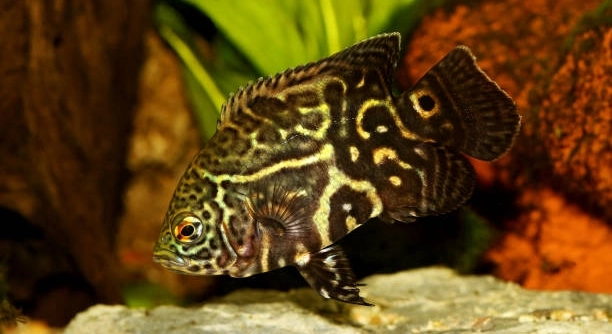
Is your Oscar fish acting strangely around the filter tube, making sudden movements that leave you feeling confused or concerned?
The most common reason your Oscar fish is hitting the filter tube is due to stress or irritation caused by water flow, tank conditions, or territorial behavior. Environmental triggers can lead to repetitive and erratic swimming patterns.
Understanding what’s causing this behavior can help you make small changes that improve your Oscar’s comfort and create a calmer tank environment.
Possible Reasons Behind This Behavior
Oscar fish are known for their bold personalities and active nature, but certain tank conditions can lead to odd behavior like hitting the filter tube. One common reason is strong water flow. If the current from the filter is too intense, your Oscar might feel uncomfortable and try to push against it or escape it. Tank size also plays a role. Oscars need plenty of space to swim freely, and a cramped tank can make them feel trapped or agitated. Poor water quality is another factor. High ammonia or nitrate levels can irritate their skin and gills, causing them to act out. Lastly, boredom or a lack of stimulation may trigger repetitive actions. Without enough hiding spots or enrichment, Oscars sometimes create their own “activity” out of frustration. Observing when and how often this behavior happens can help you figure out the cause and decide what changes to make.
Some Oscars simply react to their reflection in the tube, mistaking it for another fish or threat.
Other times, it’s about territory. Oscars often claim areas of the tank and may see the filter as something in their space. If the filter vibrates or makes noise, it can also become a focus of irritation or attention. In tanks with multiple fish, stress from tank mates may also cause unusual behavior. When they feel threatened or overly stimulated, Oscars act out in various ways. Changing the tube’s position, softening the current, and improving tank enrichment are easy first steps to see if the behavior improves. Keeping track of water parameters and doing regular maintenance helps avoid irritants that cause discomfort. Making small adjustments one at a time allows you to see what works best without confusing your fish with too many changes at once.
What You Can Do to Help
Try adjusting the direction of the filter flow to create a gentler current, especially if your Oscar seems overwhelmed.
A calm and clean tank can make a big difference. Start by checking your water parameters—pH, ammonia, nitrite, and nitrate levels should all stay within a safe range. Dirty water or strong chemical shifts often lead to stress. Use a testing kit weekly and do partial water changes as needed. Next, make sure the tank is large enough; a single adult Oscar needs at least 55 gallons. Add plants, caves, or driftwood to offer hiding places and break up the space. This helps reduce boredom and aggression. If your Oscar still targets the filter tube, try covering it with a sponge or moving it to a less central location. Observe closely after every change to see how your fish reacts. Over time, these steps can help your Oscar feel more comfortable and behave more calmly.
Common Mistakes to Avoid
Avoid placing the filter too close to areas where your Oscar likes to rest or hide. This can make them feel like their space is being invaded, causing stress or aggressive behavior toward the tube.
Another mistake is using filters that are too strong for your tank size. While Oscars need clean water, an overly powerful current can lead to constant swimming against the flow or striking out of frustration. Always match the filter strength to your tank’s size and fish type. Also, failing to secure the filter properly can result in vibrations or noise that irritates your fish. Check if the tube rattles or hums too much. Avoid sudden changes to tank layout or lighting, as Oscars are sensitive to new stimuli. Each change should be slow and measured to reduce shock. Skipping regular water checks is another issue—unstable water quality leads to discomfort that’s often shown through odd behavior.
Adding too many decorations or crowding the tank can also be a problem. While Oscars need some structure, too much clutter limits swimming space and causes frustration. Keep decorations simple and spaced out to let your fish swim freely. Avoid reflective surfaces that may cause your Oscar to think there’s another fish in its territory. Some filters have shiny parts that reflect light; covering these can help reduce aggressive behavior. Don’t ignore early signs of stress, such as glass surfing, hiding, or refusing food. These behaviors often come before more noticeable ones like hitting objects. Staying consistent with tank care and observing your Oscar’s habits helps you catch issues early. Reacting quickly to changes and adjusting conditions gently will keep your Oscar calmer and healthier over time.
When to Worry and Seek Help
If your Oscar is damaging its body while hitting the filter tube, it’s time to take the behavior more seriously and look for underlying problems.
Wounds, frayed fins, or signs of infection like white patches or swelling are red flags. If the tank is properly set up and clean, yet the behavior continues, it might point to a deeper issue such as parasites or neurological problems. Fish vets can check for these problems and suggest safe treatments. It’s also important to watch for changes in eating habits, energy levels, or if the Oscar begins isolating itself. These signs, along with constant aggression toward the filter, suggest the fish is not just acting out but is likely feeling unwell or stressed beyond normal levels. When nothing in the environment seems to be the cause, it’s worth getting professional advice to rule out health conditions. Early care often leads to quicker recovery and helps your fish live a more comfortable life.
How Tank Mates Can Affect Behavior
Some tank mates can cause stress by invading your Oscar’s space or being too active. Oscars prefer calmer surroundings, and constant movement can irritate them or trigger defensive reactions, including hitting objects like the filter tube.
Keeping aggressive or fin-nipping fish in the same tank may lead to tension. Oscars might respond by lashing out or becoming territorial, especially around objects they see as part of their space. It’s best to choose peaceful, similarly sized tank mates to avoid ongoing stress and aggression.
The Role of Lighting and Tank Setup
Bright or sudden lighting changes can make Oscars anxious. If the tank light turns on suddenly or stays too bright for long periods, it can affect how your fish behaves. Try using softer lighting or a schedule that mimics natural daylight. A consistent lighting pattern helps reduce sudden stress responses. Also, the placement of decorations, plants, and caves should allow open swimming areas while offering a sense of security. A balanced setup helps your Oscar feel safe and less reactive to tank elements like the filter tube. Avoid over-decorating, which can cause confusion or limit movement. Keeping things calm and stable is key.
Final Thoughts on Managing This Behavior
Small changes in the tank can often stop this behavior before it becomes a problem. Keep observing, adjusting slowly, and putting your Oscar’s comfort first.
FAQ
Why does my Oscar fish only hit the filter at night?
This usually happens when the tank lighting is off and the environment becomes quiet. Oscars are sensitive to changes in their surroundings. At night, they may become more territorial or react to reflections in the dark. Some filters also make low sounds or vibrations that are easier to notice at night, and your Oscar might be responding to that. Adding a dim night light or adjusting the filter’s position can sometimes calm the behavior. Making the environment more predictable helps reduce stress during nighttime hours.
Can hitting the filter cause injuries to my Oscar?
Yes, repeated contact with the filter tube can cause scrapes, bruises, or fin damage. These injuries can get worse if the fish keeps hitting hard surfaces. Open wounds also raise the risk of infection. It’s important to monitor your Oscar closely and look for signs like torn fins or discolored patches. If you notice any damage, consider padding the filter tube with a sponge cover or repositioning it away from the areas your fish frequents. Keeping the water clean will also help prevent infections while any injuries heal.
Is this behavior a sign of boredom?
In some cases, yes. Oscars are intelligent and can get bored in tanks that lack variety. Without things to explore or interact with, they may find other ways to release energy, including pushing or ramming the filter. Try adding new elements to the tank like driftwood, caves, or even rearranging the decorations to give your Oscar a new experience. Just avoid overloading the tank—leave enough open space for swimming. A varied and enriching environment helps keep your Oscar mentally stimulated and less likely to develop repetitive behaviors.
Do Oscars attack filters because they see them as threats?
Sometimes they do. If the filter tube is shiny or reflects light, your Oscar might think it’s another fish and act defensively. They may also view the filter as something taking up space in their territory. If this is the case, placing a sponge cover over the tube or repositioning it near the corner of the tank can help. Make sure it doesn’t vibrate or make loud noises, as those can also trigger aggression. Observing your Oscar’s interaction with the filter will help you decide the best fix.
How do I know if the filter current is too strong?
If your Oscar is always swimming against the current, appears tired, or avoids certain areas of the tank, the filter flow might be too strong. You can test this by placing floating food near the outflow. If it shoots across the tank quickly, the current is likely too powerful. Try using a spray bar or sponge filter to soften the flow. Oscars prefer moderate movement—they like clean water but not heavy currents. Reducing the strength can often calm your fish and make them less reactive to the filter tube.
Can this behavior be temporary?
Yes, it can. Many Oscars go through short periods of odd behavior, especially during environmental changes like new tank mates, a shift in lighting, or water condition changes. As long as the behavior doesn’t come with signs of illness or injury, and your Oscar is still eating and swimming normally, it might pass on its own. Just keep a close eye on your fish and try not to make too many changes at once. Stability in tank conditions is key for helping odd behaviors settle down over time.
Should I be worried if my Oscar fish does this every day?
Daily, repeated behavior could be a sign of stress, discomfort, or habit. If it becomes part of your Oscar’s regular routine, it’s worth looking into your tank setup more closely. Check water quality, lighting, tank mates, and the filter’s location. Make changes slowly and one at a time to see what works. If none of the changes help and the behavior worsens or your fish shows signs of harm, it’s time to consult a vet who understands aquarium fish. Daily stress can affect long-term health if not addressed.
Is there a way to train Oscars to avoid certain areas of the tank?
Training fish isn’t as easy as with pets like dogs, but Oscars are smart enough to form habits. Instead of punishment, you can encourage your Oscar to spend more time in other areas by adding objects or food in different parts of the tank. Avoid feeding near the filter if it’s the focus of negative behavior. You can also make the filter area less interesting by removing reflections or adding gentle barriers like plants. Over time, your Oscar may lose interest in the filter if it becomes less engaging.
Final Thoughts
Oscars are known for their bold and active nature, which can sometimes lead to odd behavior like hitting the filter tube. While it might seem alarming at first, this type of behavior often has a simple explanation. In most cases, the cause is stress, boredom, or irritation from the water flow. Sometimes it’s a mix of things, like poor water quality combined with a lack of hiding spots. The important thing to remember is that your Oscar is reacting to its environment. By making careful changes and watching how your fish responds, you can usually calm the behavior and improve the overall tank setup.
Keeping an Oscar healthy takes some time and regular care, but it’s very doable. Make sure the tank is big enough, the water is clean, and the setup gives your fish space to swim and hide. Use a filter that matches your tank size and try to soften the water current if it seems too strong. Avoid placing the filter where it disrupts your Oscar’s favorite spots. Small details like lighting, tank mates, and even reflections can also affect how your fish acts. By checking these things one by one, you can figure out what’s bothering your Oscar and take steps to fix it.
It’s normal to feel worried when your fish behaves differently, but not all strange actions mean something is seriously wrong. The key is to stay observant, make slow changes, and be consistent with tank care. If the behavior doesn’t stop or gets worse, then it’s worth getting professional advice. Sometimes there’s an underlying issue, and acting early can help prevent more problems later. Your Oscar depends on you to keep its home safe and stable. With time and a bit of patience, most issues like this can be solved, helping your Oscar live a calm and healthy life.

Hello,
If you enjoy the content that we create, please consider saying a "Thank You!" by leaving a tip.
Every little bit helps us continue crafting quality advice that supports the health, happiness, and well-being of pets around the world, for pets of all shapes, sizes, and species.
We really appreciate the kindness and support that you show us!