
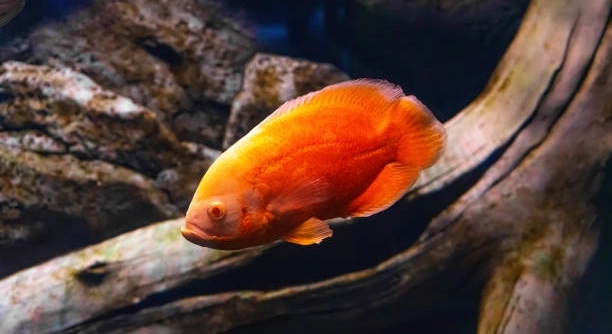
Oscar fish are known for their vibrant personalities and impressive size, but like any pet, they need proper care and attention to thrive. Sometimes, they just need a break. Recognizing when this is can help maintain their well-being.
Oscar fish can benefit from breaks when they are stressed or not feeling well. Signs like loss of appetite, unusual behavior, or aggression often indicate that they need rest or a change in their environment to recover.
Understanding these signs will help you manage your Oscar fish’s needs better. It’s important to watch for these signals and know when it’s time to give your fish a break.
Stress from Environment Changes
Oscar fish are sensitive to changes in their environment. If you’ve recently moved your fish to a new tank or rearranged their current setup, it could cause stress. This stress often leads to changes in behavior such as hiding, less movement, or even aggression. Stress is the body’s response to unfamiliar surroundings, and it can take a toll on your fish’s health. To help them adjust, keep the water conditions stable and avoid sudden changes in temperature, pH, or lighting. Giving them time to get used to their new space can make a huge difference.
An important step in making the transition easier for your Oscar is keeping the environment as stable as possible. Allow them a few days to acclimate, and keep their feeding routine consistent.
Sometimes, it’s not just about the physical environment, but the visual one too. If your Oscar is used to a peaceful space and then gets placed in a busy area, the constant movement around the tank can be overwhelming. Keep your fish in a calm area to help them feel secure.
Aggression and Overcrowding
When Oscars are housed with other aggressive or territorial fish, things can get tense. These fish are known for their dominant nature, and overcrowding in the tank can make them feel threatened. If you notice that your Oscar is more aggressive or picking fights, it might be a sign that there are too many fish in the tank. Ensuring that each fish has enough space to swim freely will lower stress and aggression levels.
Overcrowding can lead to an unhealthy environment, causing high stress levels and less oxygen. Reducing the number of tankmates can make a significant improvement in your Oscar’s behavior. Additionally, giving them enough space to claim territory will help reduce fighting.
In some cases, Oscar fish may need to be kept in a solo tank if they continue to show aggressive behavior. Make sure your tank is large enough to accommodate your fish comfortably. Providing them with enough space will help keep your fish calm, healthier, and more content.
Poor Water Quality
Oscar fish are highly sensitive to water quality, and poor conditions can quickly lead to stress. If ammonia or nitrate levels are too high, it can affect their health and mood. Regular water changes and monitoring your tank’s water parameters are crucial to keeping your Oscar healthy and calm.
Testing the water is a simple but effective way to avoid issues. Make sure the pH, temperature, and hardness levels are within the ideal range for Oscar fish. A filtration system that keeps the water clean and circulating properly can prevent harmful buildup and create a more stable environment for them.
If you notice any signs of illness or strange behavior, check your water quality immediately. Sometimes, the cause of your Oscar’s stress may be as simple as poor water conditions. Keeping your tank well-maintained will provide them with a stress-free environment, allowing them to thrive.
Overfeeding
Overfeeding is a common mistake that can cause stress to your Oscar fish. While it’s tempting to spoil them with extra food, overfeeding can lead to poor water quality and digestion issues. Oscar fish don’t need to be fed constantly, and offering food in moderation is better for their health.
Make sure you are offering the right portion sizes and avoid overloading the tank with food that isn’t eaten right away. Uneaten food will decay and contribute to poor water conditions. Observe your fish’s eating habits, and feed them only what they can consume within a few minutes.
Stick to a regular feeding schedule and make sure they are getting a balanced diet with all the necessary nutrients. Overfeeding can lead to stress and health problems, so it’s important to keep things in check.
Incompatible Tank Mates
Oscar fish are territorial and can become stressed if housed with incompatible tank mates. Fish that are too small or overly aggressive can cause your Oscar to feel threatened. When choosing tank mates, ensure they are the right size and temperament to avoid unnecessary stress.
Avoid mixing Oscars with fish that will constantly challenge them or those that are much smaller and might be seen as prey. Stick to larger, peaceful fish that can coexist without creating tension in the tank. Keeping the right company will help your Oscar stay calm and healthy.
Lack of Hiding Spaces
Oscar fish can feel exposed without places to hide, which increases stress. Providing caves, plants, or other decor gives your fish somewhere to retreat if they feel overwhelmed. This sense of security is important for their mental well-being.
Without these hiding spots, your Oscar may become anxious and more prone to aggressive behavior. Creating a more natural environment with places to hide will help them feel safe and reduce overall stress. When your fish feel secure, they’ll be more active and less likely to show signs of distress.
FAQ
How can I tell if my Oscar fish is stressed?
Oscar fish show signs of stress in a few different ways. You might notice them hiding more often, swimming erratically, or acting more aggressive than usual. Their appetite may decrease, or they may refuse to eat entirely. Another sign is if they start rubbing against objects or the substrate, which can indicate skin irritation from poor water quality. Watching for these behaviors is key to recognizing stress early and addressing the underlying cause.
What’s the best tank size for an Oscar fish?
Oscar fish grow large and need space to swim comfortably. A minimum of a 55-gallon tank is recommended for one Oscar, but a larger tank, like a 75-gallon or more, is ideal. More space means better water quality, which is crucial for their health. It also helps reduce aggression and allows them room to thrive.
Can I keep multiple Oscar fish together?
You can keep more than one Oscar fish together, but it requires careful planning. Oscars are territorial and can become aggressive towards each other, especially if the tank is too small. If you plan to keep more than one, ensure the tank is large enough (at least 75 gallons), and monitor their behavior. Adding them at the same time can reduce territorial disputes, and providing plenty of hiding spaces can help as well.
What should I feed my Oscar fish?
Oscar fish are carnivorous, and their diet should consist of high-protein foods. You can feed them pellets, live or frozen foods like shrimp, krill, and worms, and occasionally small fish or other protein-rich offerings. Avoid feeding them large amounts of vegetables, as they are not a primary food source. Always feed in moderation and ensure you’re providing a balanced diet to keep them healthy.
How often should I change the water in an Oscar fish tank?
Oscar fish produce a lot of waste, which can lead to poor water quality. Regular water changes are essential to keep the tank healthy. A 25-30% water change every week is recommended for Oscar tanks. Always check the water parameters like ammonia, nitrate, and pH levels to ensure they are in the safe range. A reliable filtration system also helps maintain water quality between changes.
Can Oscars live with other fish?
Yes, but you have to be cautious when choosing tank mates. Oscar fish are aggressive and can eat smaller fish. They’re best kept with other large, non-aggressive fish that can handle their temperament. Good options include other large cichlids or peaceful fish like silver dollars. Avoid small or slow-moving fish that may be seen as prey.
Why is my Oscar fish swimming at the top of the tank?
If your Oscar fish is constantly swimming at the top of the tank, it could be a sign of poor water quality, especially low oxygen levels. Ensure the tank has proper filtration and aeration to keep the water oxygenated. It might also be a sign that the fish is looking for food or is stressed. Check the water parameters and make sure the tank conditions are suitable.
What temperature should the water be for an Oscar fish?
Oscar fish are tropical and prefer warm water. The ideal temperature range for an Oscar is between 74°F and 81°F (23°C to 27°C). Keeping the water in this range will help them stay healthy and active. Make sure to have a reliable heater to maintain consistent water temperature, as sudden temperature changes can stress your fish.
How long do Oscar fish live?
Oscar fish typically live for about 10 to 15 years if well cared for. However, their lifespan can be shorter if they are not provided with proper tank conditions, a balanced diet, or if they experience frequent stress. Regular maintenance of their environment and health will ensure they live a long, healthy life.
Why is my Oscar fish turning dark?
Oscar fish can change color due to stress or changes in their environment. If your Oscar is turning darker than usual, it could be a sign of stress, poor water conditions, or even illness. Ensure the water is clean, the temperature is stable, and the tank setup is comfortable. A dark color can also indicate aggression or territorial behavior, especially when they’re introduced to a new environment or other fish.
Final Thoughts
Oscar fish are fascinating creatures with strong personalities. However, like any pet, they require attention and care to thrive. It’s important to recognize when your Oscar needs a break, whether it’s from environmental stress, poor water quality, or aggression from tank mates. Being mindful of these factors can help ensure your fish stays healthy and happy. Regular maintenance of the tank, including water changes and ensuring the right tank mates, will go a long way in reducing stress and keeping your Oscar in good condition.
In addition to maintaining a clean tank, feeding your Oscar the right diet is essential. Overfeeding or providing the wrong type of food can contribute to poor health and increased stress. Keeping their feeding schedule consistent and offering a balanced diet will help maintain their energy and overall well-being. Observing their behavior can also provide valuable insight into how they’re feeling. If your Oscar seems off, taking the time to figure out what’s causing the stress will prevent bigger issues down the line. Monitoring their behavior and environment ensures you’re giving them the best chance at a long and healthy life.
Remember, Oscars are hardy fish, but they need a stable, stress-free environment to thrive. By understanding their needs and paying attention to the signs of stress, you can create a peaceful home for your fish. The key is regular maintenance, a balanced diet, and creating an environment where your Oscar feels safe. These simple steps will help your Oscar fish live a long, healthy, and happy life, reducing the chances of problems before they arise.

Hello,
If you enjoy the content that we create, please consider saying a "Thank You!" by leaving a tip.
Every little bit helps us continue crafting quality advice that supports the health, happiness, and well-being of pets around the world, for pets of all shapes, sizes, and species.
We really appreciate the kindness and support that you show us!