
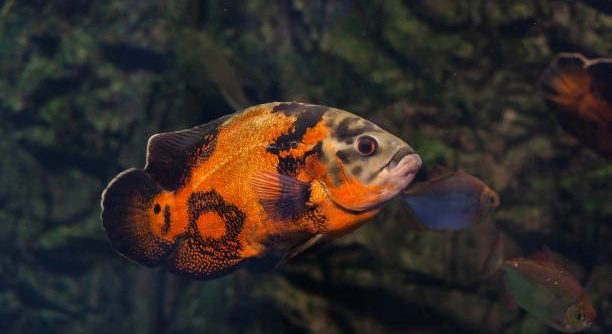
Do you ever find yourself wondering if your Oscars are truly content or just going through the motions in their tank?
Oscars can exhibit signs of boredom such as glass surfing, lack of appetite, excessive hiding, or repeated behavior patterns. These behaviors are often triggered by insufficient stimulation, a lack of enrichment, or a poorly structured environment.
Identifying these warning signs can help you improve your Oscar’s daily routine and boost their well-being through minor but meaningful changes.
Glass Surfing and Repetitive Swimming
Oscars often glass surf when they’re bored. This behavior involves swimming up and down against the glass for long periods. It might look like they’re just being active, but it can signal restlessness. In their natural habitat, Oscars explore, hunt, and interact with their environment. When kept in a tank without enough stimulation or space, they lose that sense of activity and control. A lack of hiding spots, tank decorations, or even variety in their feeding routine may trigger this behavior. Glass surfing isn’t just a harmless quirk—it’s often a cry for more mental and physical engagement.
If your Oscar is constantly pacing or swimming in circles, it’s not getting enough stimulation in its environment.
Adding driftwood, caves, or changing up their tank layout can make a noticeable difference. You can also try rotating decorations or introducing floating toys. Feeding routines that include live food or interactive feeding methods can also help. These fish are intelligent and need stimulation to stay content. Keep in mind that boredom can lead to stress, and stress can lead to health issues. Simple changes in tank design and daily care habits often reduce these repetitive behaviors and promote healthier, more natural movements that indicate comfort and well-being.
Lack of Appetite or Lethargy
A bored Oscar may lose interest in food or stop moving around as much. This behavior often builds gradually.
Oscars are naturally active and curious, especially during feeding times. If your fish isn’t rushing to the surface or reacting to food like it used to, boredom may be one of the reasons. While water quality, temperature, and illness should always be ruled out first, boredom often contributes to a fish’s sluggish behavior. Without regular interaction or new stimuli, your Oscar may disengage and begin showing signs of fatigue or reduced appetite. Consider introducing feeding techniques that require more effort, like moving food or hiding it around decorations. Offer a mix of pellets, frozen, and live food to keep meals interesting. Use feeding time as a way to mentally engage your fish. Additionally, keeping the tank near a space with some movement or variety in lighting can help boost activity levels. Bored Oscars need both physical space and interactive moments to maintain their natural energy.
Constant Hiding and Avoiding Interaction
Oscars may begin hiding more than usual if they’re understimulated or unhappy in their environment. Occasional hiding is normal, but frequent isolation can be a behavioral sign that something is off, including boredom or discomfort with their surroundings.
An Oscar that’s always tucked behind decorations or inside caves may be signaling that its environment feels too repetitive or stressful. While some hiding is healthy, persistent retreating suggests the fish isn’t feeling engaged. Boredom often results from a lack of change in the tank, limited light variation, or predictable feeding routines. Rearranging tank decor, introducing mild lighting cycles, and offering different textures or areas to explore can bring noticeable improvements. Make sure tank mates aren’t causing stress, as social discomfort can also lead to hiding. Look at both environmental and social factors to identify what might be leading to withdrawn behavior.
Interaction is part of an Oscar’s personality. If your fish used to follow your movements or respond at feeding time but now avoids contact, boredom might be at play. Adding movement outside the tank or changing how you approach feeding can reignite interest. Even placing the tank where your fish can watch occasional activity—without overstimulation—can help. A quiet tank isn’t always a calm tank.
Lack of Response to New Stimuli
When Oscars ignore new items in the tank or don’t respond to you walking by, it might mean they’ve become mentally disengaged. These fish typically react to changes, movement, or sounds, so silence or stillness can signal boredom.
Oscars are known for their curiosity, often checking out new decorations or chasing after shadows. If your fish seems uninterested in changes, it may be too used to its setup or simply unmotivated. Try introducing unfamiliar but safe objects such as floating plants, mirror play (in moderation), or gentle current shifts to encourage exploration. Feed from different sides of the tank or vary your interaction pattern. These subtle shifts can re-engage an Oscar that’s emotionally checked out. Without regular stimulation, even bright, healthy fish can start to feel and act dull. Consistency is important, but variety matters just as much when trying to keep these intelligent fish active.
Aggression Without a Clear Trigger
Bored Oscars may become aggressive without obvious cause. This can include flaring fins, chasing tank mates, or biting at objects. When there’s nothing new to interact with, their energy may turn into frustration and unpredictable behavior.
Frequent outbursts often point to a need for environmental changes. Add new hiding spots, shift decor, or rearrange tank elements to break monotony.
Ignoring Tank Mates or Other Fish
Oscars are usually alert to tank mates, even if they’re territorial. If they stop reacting to other fish altogether, they may be disengaged. Mental stimulation is key to maintaining healthy social behavior, even in solitary setups.
Disinterest in Feeding Activities
Oscars often show excitement during feeding, but boredom can dull that response. If feeding no longer gets a reaction, try changing the routine. Use feeding rings, floating foods, or target feeding to bring interaction back into the experience. Variety helps trigger curiosity and restores natural feeding behavior.
FAQ
What are the main signs that an Oscar is bored?
The most common signs of a bored Oscar include glass surfing, lack of appetite, aggression, frequent hiding, and ignoring new stimuli. These behaviors often show that the fish is under-stimulated and could benefit from changes in its environment or routine. A lack of interaction, both physical and mental, can result in these behaviors.
How can I prevent my Oscar from getting bored?
Preventing boredom in an Oscar involves providing a stimulating environment. Rearranging the tank, adding new decorations, and offering different types of food can keep the fish engaged. Additionally, varying the lighting and introducing objects to explore can maintain their curiosity. Regular changes in the tank layout or introducing new tank mates (carefully) can also help.
Is it normal for an Oscar to hide often?
It is normal for an Oscar to hide from time to time, but if the hiding becomes excessive, it may indicate boredom or stress. Oscars that don’t feel engaged with their surroundings may retreat into hiding more frequently. If this behavior persists, it’s essential to assess the tank’s layout and the fish’s overall health. Adding enrichment and rearranging decorations can help reduce this behavior.
Why is my Oscar swimming in circles?
Swimming in circles is often a sign of boredom or stress. Oscars need space to move freely, and a lack of stimulation or overly limited space can cause repetitive movements. Ensure your tank is large enough and contains plenty of hiding spots and decorations for your Oscar to explore.
How often should I change my Oscar’s tank layout to avoid boredom?
Changing the tank layout every few weeks or when you notice signs of boredom can help keep your Oscar engaged. Fish, especially intelligent ones like Oscars, need variety in their environment. Small changes such as moving decorations or introducing new plants can encourage exploration and reduce stress.
Can Oscars get bored if their tank mates are inactive?
Yes, Oscars may become bored if their tank mates are inactive or lack interaction. Oscars are social creatures and may be more engaged if their tank mates are also active and engaging. However, ensure that the tank mates are compatible and won’t cause stress to the Oscar.
Do Oscars need more than just food to stay entertained?
Yes, Oscars need more than just food to stay mentally stimulated. They require an environment that allows them to explore, interact with their surroundings, and challenge their intelligence. Offering different types of food, hiding spots, and objects to interact with will prevent boredom.
What types of toys or enrichment can I provide for my Oscar?
You can provide your Oscar with various enrichment options, such as floating plants, new objects to explore, or items that encourage foraging, like a feeding ring. Mirror play can also be beneficial in small doses, as it mimics the movement of another fish, sparking curiosity.
How do I know if my Oscar is stressed from boredom?
Signs of stress from boredom in Oscars include excessive hiding, decreased appetite, erratic swimming behavior, and aggression. A stressed Oscar might also start showing signs of illness or lethargy. Addressing boredom with environmental changes and stimulation can help reduce these stress-related behaviors.
Is it okay to keep my Oscar in a tank with no decorations?
No, a tank without decorations can contribute to boredom and stress in your Oscar. Oscars need visual and physical stimulation, which decorations can provide. Include elements like rocks, caves, and plants to give your Oscar areas to explore and hide. Make sure the tank size is appropriate for the fish’s growth.
Why is my Oscar suddenly ignoring me or my movement?
If your Oscar used to respond to your movements but has stopped, it could be due to boredom or changes in its environment. Oscars are intelligent and curious, so a lack of interaction or environmental stimulation may cause them to lose interest. Try re-engaging them with different foods, lighting, or tank changes.
Can boredom lead to health issues in Oscars?
Yes, prolonged boredom can lead to stress, which may weaken the immune system and make your Oscar more susceptible to diseases. Stress can also result in behaviors like over-aggression or lethargy, which further impact their health. Regular stimulation and tank changes help maintain their physical and mental well-being.
How much space does my Oscar need to avoid boredom?
The more space your Oscar has, the less likely it is to get bored. A minimum tank size of 75 gallons is recommended for a single Oscar. A larger tank provides ample room for swimming, exploration, and establishing territories. The more space your fish has to roam, the more engaged it will stay.
Can I use a mirror to help with my Oscar’s boredom?
Yes, using a mirror for short periods can be an effective way to provide stimulation. Oscars are curious and may react to their reflection, which can give them a sense of interaction. However, use mirrors sparingly to avoid stress or territorial aggression.
How can I tell if my Oscar is truly bored or just adjusting to a new tank?
New tank setups can cause temporary stress as Oscars adjust. If the behavior persists beyond a few weeks, it may be a sign of boredom. Observe how your Oscar reacts to changes, like rearranging the tank or introducing new objects. A bored Oscar may show signs of frustration, like glass surfing or hiding.
What’s the best way to introduce new tank mates to my Oscar to avoid boredom?
When introducing new tank mates, ensure they are compatible with your Oscar’s temperament. Gradually acclimate the new fish by keeping them in a separate tank for a few days before releasing them into the main tank. Monitor interactions carefully to avoid aggression. Adding new fish can provide social stimulation and reduce boredom.
Are there any specific plants or decorations that help reduce Oscar boredom?
Yes, plants like Anubias, Java Fern, or Amazon Sword are great for Oscars, as they offer hiding spots and allow your fish to forage. Decorations that create new territories or spots to explore—such as rocks, driftwood, or caves—can also encourage your Oscar to move around more.
Final Thoughts
Boredom in Oscars can affect their health and behavior in several ways. Without enough stimulation, they may resort to behaviors like aggression, hiding, or a lack of appetite. This can make them less active and less engaged in their environment, which ultimately leads to stress. Recognizing the signs early can help prevent these issues from becoming serious. Ensuring your Oscar has enough space, stimulation, and interaction with their environment is key to maintaining their health and happiness.
Changing the tank environment regularly can keep your Oscar interested and active. Simple actions like rearranging decorations, introducing new hiding spots, or adding different types of food can make a big difference. Adding objects like floating plants or using feeding rings also offers a change in their routine. These small adjustments can help keep your Oscar’s mind sharp and prevent them from becoming bored. Regular interaction with their surroundings also supports their natural curiosity and intelligence.
In conclusion, while Oscars can be resilient, they still require stimulation to stay healthy. By observing their behavior and making necessary changes to their environment, you can ensure that they remain engaged. A happy and mentally stimulated Oscar is a healthier and more active fish, which in turn enhances their overall well-being. Regularly assessing their needs and making adjustments can prevent boredom from turning into more significant health or behavioral issues.

Hello,
If you enjoy the content that we create, please consider saying a "Thank You!" by leaving a tip.
Every little bit helps us continue crafting quality advice that supports the health, happiness, and well-being of pets around the world, for pets of all shapes, sizes, and species.
We really appreciate the kindness and support that you show us!