
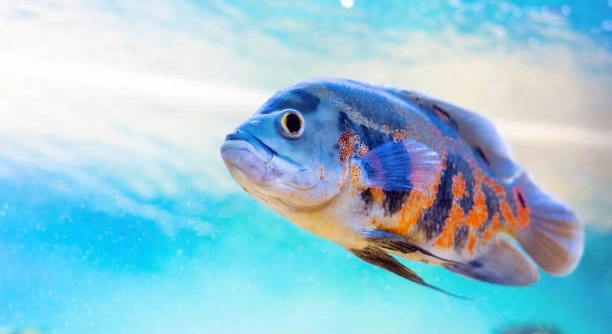
Is your Oscar fish acting skittish, hiding more than usual, or suddenly becoming aggressive around tankmates or loud noises? These changes might be signs of underlying stress or discomfort in their environment.
Oscar fish can become anxious due to various environmental and behavioral triggers, including poor water quality, sudden changes in lighting, overcrowding, aggressive tankmates, lack of hiding spots, irregular feeding schedules, and excessive noise or vibrations near the tank.
Understanding these triggers is key to improving your Oscar fish’s behavior and keeping their tank environment safe, stable, and peaceful.
Poor Water Quality
Oscar fish are sensitive to changes in water quality, and even small imbalances can trigger stress. High ammonia, nitrite, or nitrate levels make it difficult for them to breathe and can irritate their skin and gills. A dirty tank can also promote harmful bacteria, leading to health issues. Regular water changes, filtration maintenance, and water testing are essential. Make sure the pH, temperature, and hardness levels stay consistent and within the safe range for Oscars. Stable water conditions support healthy behavior and reduce the chances of anxiety or illness. Watch for signs like gasping, hiding, or rubbing against objects.
A stressed Oscar fish might avoid food, stay motionless, or become aggressive due to discomfort in its tank.
Stick to a schedule of weekly partial water changes. Avoid cleaning everything at once to preserve beneficial bacteria. Use a test kit to monitor ammonia, nitrite, nitrate, and pH. Address any issues immediately to prevent long-term stress.
Loud Noises and Vibrations
Excessive sound near the aquarium can cause noticeable stress in Oscar fish.
Their hearing is sensitive to low-frequency vibrations, and loud TV volumes, constant tapping on the glass, or nearby speakers can leave them feeling threatened. Over time, this can cause skittish behavior or aggression. It’s best to keep their tank in a quieter space, away from areas where people gather or play music often. Consistency in their environment helps build trust and encourages calm swimming. If you have children or guests around the tank, kindly remind them not to tap or bump it. Even footsteps near the tank can be intense for Oscars, especially if they’re already anxious. Make sure the aquarium stand is solid and doesn’t shake with movement. You can also try placing foam or insulation under the tank to reduce vibration. Creating a peaceful tank location supports your Oscar’s mental well-being and reduces their stress response.
Sudden Changes in Lighting
Oscar fish react strongly to abrupt lighting changes. Turning the light on or off too quickly can startle them, leading to panic. This sudden stress may cause them to thrash or hide, especially if they’re already feeling insecure in their environment.
To prevent anxiety, use a timer to gradually switch tank lights on and off. You can also turn on a room light first before the aquarium light to ease the transition. Sudden darkness or brightness feels unnatural to Oscars, who are used to gradual changes in light in the wild. If they’re asleep when lights are switched on quickly, the shock can cause erratic swimming or even injuries from bumping into decorations. A consistent lighting schedule helps them feel secure and builds trust in their routine. Try limiting artificial lighting to 8–10 hours per day, avoiding overly bright setups that can stress them out further.
Maintaining a natural light pattern helps Oscar fish stay balanced and calm. Morning and evening transitions should feel soft, not harsh. You can cover part of the tank with plants or decorations to create shaded areas, so your fish always has a place to retreat. This extra cover helps them cope with lighting shifts more easily.
Aggressive Tankmates
Oscar fish do not respond well to aggression from other fish. If tankmates constantly chase, nip, or disturb them, Oscars may become defensive or withdrawn. This behavior can escalate and affect their appetite, health, and movement in the tank.
It’s best to choose tankmates that are peaceful, similar in size, and can hold their own without starting fights. Avoid smaller fish that Oscars might view as food, as well as overly dominant fish that challenge their territory. When aggression happens, it can be helpful to rearrange tank decorations. This removes set boundaries and can reduce territorial behavior. You can also use dividers or separate aggressive fish temporarily if things escalate. Monitor for fin damage or signs of stress like hiding or rapid gill movement. A calm tank atmosphere promotes confidence in Oscar fish and helps reduce long-term anxiety caused by daily tension with other species.
Lack of Hiding Spots
Oscar fish feel safer when they have places to retreat. Without enough hiding spots, they may become anxious, especially in busy or brightly lit tanks. Decorations like caves, driftwood, or large plants help reduce stress.
Providing cover also helps them establish territory and rest more comfortably. Hiding spots give them control over their space, which builds confidence and lowers aggressive behavior. It’s a simple but important step in keeping them calm.
Irregular Feeding Times
Oscars do best with a predictable feeding routine. Skipping meals or feeding at random times can throw off their behavior and create unnecessary anxiety. They begin to associate certain times with food, so consistency helps them feel secure. Avoid overfeeding or changing their diet too often. Stick to high-quality pellets, and supplement with frozen or live food in moderation. Uneaten food can affect water quality, so feed only what they can finish in a few minutes. Feeding them on a schedule also makes it easier to monitor their appetite and spot early signs of illness or stress.
Overcrowded Tank
Too many fish in one tank can lead to territory battles and poor water conditions. This makes Oscar fish feel stressed, unsafe, and easily agitated. Give them plenty of space to swim freely and establish their own areas.
FAQ
Why does my Oscar fish suddenly start thrashing in the tank?
Sudden thrashing is often caused by stress, fear, or a reaction to something unexpected like a loud noise, quick movement near the tank, or abrupt lighting changes. If this happens regularly, check for environmental triggers. Strong water flow, aggressive tankmates, or sharp changes in temperature can also lead to this behavior. Make sure the tank is quiet, stable, and set up to provide comfort. Thrashing can sometimes cause injury, so it’s best to identify and fix the cause as soon as you notice it.
How can I tell if my Oscar is feeling anxious?
Oscar fish show anxiety through several behaviors. Common signs include hiding for long periods, loss of appetite, pacing the glass, or staying at the bottom of the tank. They may also show faded colors or twitchy swimming. In some cases, they become more aggressive or start avoiding certain areas. If your Oscar behaves differently than usual, check for changes in their environment, such as water parameters, noise, or tankmate behavior. Observing patterns over time helps you better understand what makes them nervous and how to adjust their care.
Do Oscars get stressed when moved to a new tank?
Yes, Oscar fish often experience stress during tank transitions. Moving to a new environment disrupts their sense of safety, even if conditions are better. They may hide, refuse food, or act more aggressive while adjusting. To ease the process, use old filter media or decorations from their previous tank so they recognize familiar scents. Keep lighting low during the first few days and avoid crowding them. Let them explore at their own pace. A stable setup, quiet surroundings, and a gentle routine help them settle in quicker.
Is loud noise around the tank a problem for Oscar fish?
Loud or sudden noises near the tank can startle Oscar fish and create ongoing anxiety. Vibrations travel through the water and may cause them to feel uneasy or unsafe. This is especially true for tanks placed near TV speakers, slamming doors, or high foot traffic areas. If possible, keep their tank in a quieter spot. Use a background to block visual disturbances and avoid tapping on the glass. Minimizing external stress gives your Oscar more confidence and reduces the chances of them hiding or acting jumpy.
Can changes in water temperature make Oscars anxious?
Oscar fish need consistent water temperatures between 74–81°F (23–27°C). Fluctuations outside this range can stress their system, leading to sluggishness or erratic swimming. Cold water weakens their immune system, while water that’s too warm lowers oxygen levels. Use a reliable heater and thermometer to maintain stability. Sudden drops from water changes or equipment failure should be avoided. Even slight shifts can be uncomfortable, so check daily to catch problems early. Consistency helps your Oscar feel safe and behave more normally.
Do Oscars need tank mates, or are they happier alone?
Oscars are territorial and don’t always enjoy the company of other fish. Some do well with peaceful, similarly sized tankmates, while others become aggressive or stressed. If they’re constantly defending space or getting picked on, it can wear them down. Housing Oscars alone can reduce stress and allow them to develop a routine without feeling threatened. If you do choose tankmates, monitor closely and have a backup plan in case things don’t go well. Giving your Oscar space and stability often leads to better behavior and health.
What kind of lighting is best for reducing Oscar anxiety?
Oscars prefer gentle lighting with a predictable schedule. Bright, constant light can make them feel exposed, especially in tanks without shade or hiding spots. Use a soft light source and limit exposure to 8–10 hours per day. A gradual light change—using timers or ambient room lighting—prevents sudden brightness that may startle them. Natural lighting patterns help them rest and stay alert without overstimulation. You can also use floating plants or decorations to block strong light and create calmer areas in the tank.
Final Thoughts
Caring for an Oscar fish means understanding how small changes in their environment can lead to noticeable shifts in their behavior. Anxiety in Oscars often shows up in ways that are easy to miss at first—like hiding more often, refusing food, or swimming differently. These signs are your fish’s way of telling you something is off. Watching their behavior regularly helps you catch problems early. Once you know what triggers their stress, you can make simple changes that keep their environment stable and calm.
Every Oscar is different. What bothers one fish might not affect another. Some get nervous around strong lights or sudden noises. Others react to changes in water temperature, tank layout, or new tankmates. That’s why it’s important to be patient and observant. You don’t always need to make big changes—just small, steady steps that help your fish feel safe. Providing hiding spots, keeping the tank quiet, and using consistent lighting are all ways to help reduce anxiety. Stick to a routine and try not to move things around too often.
Keeping your Oscar healthy is more than just feeding them well. Their emotional comfort matters too. A calm fish is more active, eats better, and lives longer. By paying attention to their behavior, making small adjustments, and creating a low-stress tank, you’re giving your Oscar a better life. If you ever notice sudden changes in how they act, go back to the basics: check the water, review the tank setup, and give them space to relax. With time, you’ll learn what makes your Oscar feel safe—and that makes a big difference.

Hello,
If you enjoy the content that we create, please consider saying a "Thank You!" by leaving a tip.
Every little bit helps us continue crafting quality advice that supports the health, happiness, and well-being of pets around the world, for pets of all shapes, sizes, and species.
We really appreciate the kindness and support that you show us!