
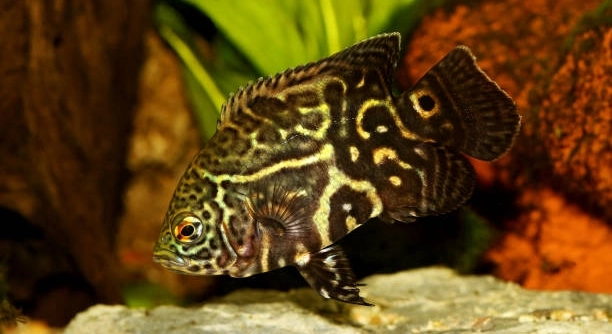
Oscar fish are known for their playful behavior and energetic swimming patterns. However, when they suddenly refuse to swim normally, it can be concerning for any fish owner. Understanding the potential causes behind this behavior is important for their health.
The most common reasons for an Oscar fish refusing to swim normally include stress, water quality issues, illness, or physical injury. Ensuring proper tank conditions and regular monitoring of your fish’s health can help address these concerns.
Addressing the root cause of your Oscar’s behavior is key to restoring its normal swimming pattern. Knowing how to recognize the signs and taking quick action can make a significant difference in your fish’s recovery.
Stress and Overcrowding
Oscar fish are sensitive creatures, and any change in their environment can cause stress. If there are too many fish in the tank or if the tank is too small, your Oscar may feel trapped. Overcrowding leads to aggression between tank mates, and even the most peaceful fish can become stressed under these conditions. Stress can significantly affect your fish’s swimming behavior, causing it to swim less or hide more often.
The best way to manage this issue is by maintaining an appropriate number of fish in the tank, making sure they have enough space to swim freely.
Keep in mind that a stressed fish is more vulnerable to illnesses, so addressing overcrowding quickly can improve your Oscar’s health. Consider rehoming some fish or upgrading to a larger tank to help reduce stress.
Water Quality Problems
The quality of the water in your tank plays a major role in your fish’s health. Poor water conditions, like high ammonia or nitrate levels, can irritate your Oscar, leading to changes in swimming behavior. If the water isn’t cleaned regularly or if the filter isn’t working properly, these toxins can build up and harm your fish.
Regular water testing and water changes are essential for keeping your tank’s environment safe. Keep a close eye on your water parameters, and make sure your filter is running effectively. This can prevent many issues and keep your Oscar happy.
The key to maintaining healthy water is routine care. Testing the water once a week and making sure your filtration system is clean can help prevent problems. If the water quality isn’t up to standard, your fish may become lethargic, avoid swimming, or even stop eating.
Illnesses and Infections
If your Oscar fish isn’t swimming normally, it might be sick. Common illnesses like ich or swim bladder disease can make it hard for your fish to move around. Infections can occur if the water quality isn’t great or if your fish has been exposed to other sick fish.
Watch for symptoms like changes in appearance or behavior, such as sluggishness, swelling, or an abnormal swimming pattern. If you notice any signs, isolate the sick fish and treat it accordingly.
To prevent illnesses, always quarantine new fish before introducing them to your tank. Regular water testing and maintaining a clean environment also help to keep diseases at bay. If the illness persists, consider consulting a vet.
Injury or Physical Damage
Sometimes, physical injury is the reason your Oscar fish isn’t swimming properly. Oscars are often very active and can accidentally hurt themselves by bumping into decorations or other tank mates. These injuries may not always be obvious, but they can still affect your fish’s ability to swim.
If your fish is limping or swimming in circles, it may be dealing with an injury. You should check for any visible signs of damage, like cuts, bruises, or torn fins. Injuries can also lead to stress, making things worse for your Oscar.
If you notice any injuries, treat the tank environment with extra care to avoid infection. Clean the water, remove sharp objects, and monitor your fish closely. If the injury seems serious, it may be best to consult an expert.
Poor Diet
A lack of proper nutrition can impact your Oscar’s swimming behavior. Oscars need a balanced diet to maintain their energy and health. If they’re not getting enough nutrients, they may become weak or lethargic, which can affect their swimming patterns.
Ensure that your Oscar is eating high-quality food that meets its dietary needs. Poor diet can also lead to digestive issues, which may make your fish feel unwell and less active. Feeding your fish the right food helps prevent these issues.
Tank Conditions and Temperature
Tank conditions and temperature play an important role in your fish’s health. Oscars are sensitive to changes in temperature. If the water is too cold or too warm, your fish may swim abnormally. Ideal water temperatures for Oscars range between 74°F and 81°F.
Maintaining a stable temperature with a reliable heater is essential. Sudden fluctuations can stress your fish and disrupt its normal behavior. Regularly check the temperature and make adjustments as needed to keep your Oscar comfortable and active.
Tankmates and Aggression
Oscar fish can be territorial, and conflicts with tankmates might affect their swimming behavior. If other fish are too aggressive or try to invade their space, your Oscar may retreat to hiding spots. This stress can make it reluctant to swim normally.
To prevent aggression, choose tankmates that are peaceful and similar in size. Make sure each fish has enough space to avoid territorial disputes. You may also want to rearrange the tank to break up established territories, which can help reduce tension.
FAQ
Why is my Oscar fish staying at the bottom of the tank?
There are several reasons your Oscar might be staying at the bottom of the tank. It could be a sign of stress, poor water quality, or illness. Stress from tankmates, overcrowding, or a lack of hiding spots can cause your fish to retreat to the bottom. Poor water conditions, like high ammonia or nitrite levels, may also cause discomfort, prompting your Oscar to seek lower, calmer areas. Additionally, swim bladder disease or other physical issues might cause your Oscar to sink to the bottom, as it may be struggling to maintain buoyancy. Check water quality and observe for any signs of illness or injury.
Is my Oscar fish sick if it is swimming upside down?
Swimming upside down can be a sign of swim bladder disease, which affects the fish’s buoyancy. This illness can be caused by several factors, such as constipation, overfeeding, or water quality problems. If your Oscar is frequently swimming upside down or having trouble staying upright, it may be due to internal issues affecting its ability to control buoyancy. While swim bladder disease can sometimes be treated with fasting or a change in diet, it’s important to first ensure that the water quality is optimal. If the problem persists, it’s best to consult with a vet.
What should I do if my Oscar is not eating?
If your Oscar fish isn’t eating, it could be due to stress, illness, or water quality issues. Fish often stop eating when they are stressed, either from overcrowded conditions or from being in an environment with aggressive tankmates. Poor water quality, like high ammonia or low oxygen levels, can also cause a loss of appetite. If the water quality is fine and your fish still refuses food, it could be a sign of illness. Try offering different types of food, like live food, to entice your Oscar to eat. If the problem continues, consult a vet to check for underlying health issues.
Can I treat my Oscar fish at home if it’s sick?
In some cases, you can treat your Oscar fish at home. The treatment depends on the illness or issue your fish is facing. For common problems like swim bladder disease or minor injuries, there are various over-the-counter medications that can help. However, if your fish is showing signs of more serious illnesses, such as parasitic infections or internal issues, professional treatment may be needed. It’s important to quarantine the sick fish and adjust the tank environment to prevent the spread of disease. Always ensure the water quality is optimal and make adjustments as needed to support your fish’s recovery.
Why is my Oscar fish hiding all the time?
Hiding can be a sign of stress, illness, or environmental discomfort. If your Oscar is hiding frequently, it could be feeling threatened by aggressive tankmates or is stressed by poor water conditions. Sometimes, Oscar fish will hide when they’re sick or in pain. If the hiding is paired with other unusual behaviors like loss of appetite or abnormal swimming patterns, it could indicate an underlying health issue. You can help by ensuring your tank is large enough for your Oscar to establish its own territory and by making sure the water conditions are ideal.
How often should I feed my Oscar fish?
Feeding frequency depends on the size and age of your Oscar. Adult Oscars typically need to be fed once a day. However, younger Oscars may require smaller, more frequent feedings. Overfeeding is a common mistake and can lead to water quality issues and health problems, such as swim bladder disease. Offer a varied diet that includes pellets, live food, and occasionally vegetables. Make sure your fish consumes the food in about 5-10 minutes to prevent uneaten food from polluting the water. A good rule of thumb is to feed your Oscar only as much as it can eat within a few minutes.
Can Oscars live with other fish?
Yes, Oscars can live with other fish, but it’s important to choose the right tankmates. Oscars can be aggressive, especially if they feel their territory is threatened. The best tankmates are similarly sized fish that are robust enough to handle the Oscar’s temperament. Avoid small fish or those that may become prey. Peaceful, large fish like other cichlids, plecos, or catfish can make good tankmates. It’s also crucial to ensure there is enough space for each fish to establish its territory and avoid conflict. Always monitor interactions to make sure aggression doesn’t escalate.
Why does my Oscar swim in circles?
Oscars may swim in circles for several reasons, including stress, illness, or water quality problems. Stress can be caused by overcrowding, aggression from tankmates, or inadequate tank size. If your Oscar is swimming in circles constantly, it could also be a sign of a neurological issue or swim bladder disease. Additionally, poor water conditions, such as high ammonia or nitrites, can affect your fish’s behavior. Check the water quality immediately, and make sure your fish has enough space to move around freely. If the behavior persists, it may be time to consult with a vet.
Final Thoughts
If your Oscar fish is refusing to swim normally, it can be a sign of various issues that may need your attention. The most common causes are stress, poor water quality, illness, or injury. Stress from overcrowding, aggressive tankmates, or changes in the environment can make your Oscar less active and more likely to hide. Ensuring your tank is the right size with proper filtration and enough space for each fish can help reduce stress and keep your Oscar swimming happily.
Water quality is another critical factor in your fish’s well-being. Oscars, like all fish, require clean water to thrive. High levels of ammonia, nitrites, or nitrates can lead to discomfort, causing your Oscar to swim abnormally or avoid swimming altogether. Regular water changes, water testing, and proper filtration will help keep your fish in a healthy environment. Keeping the temperature stable and within the ideal range for Oscars (74°F to 81°F) is also essential to prevent discomfort.
If you’ve checked the tank conditions and eliminated other potential issues, it may be time to look into health problems. Oscars can suffer from illnesses like swim bladder disease or infections, which can make swimming difficult. Pay attention to any unusual behavior or changes in appearance, like a lack of appetite or abnormal swimming patterns. In some cases, injuries from sharp decorations or tankmates can also cause swimming problems. By observing your Oscar closely and addressing any issues with water quality or health, you can help your fish get back to its normal, active self.

Hello,
If you enjoy the content that we create, please consider saying a "Thank You!" by leaving a tip.
Every little bit helps us continue crafting quality advice that supports the health, happiness, and well-being of pets around the world, for pets of all shapes, sizes, and species.
We really appreciate the kindness and support that you show us!