
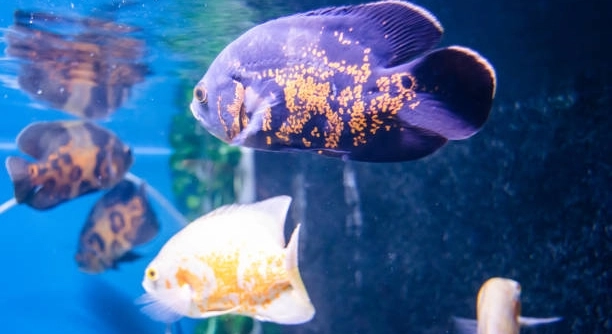
Have you ever noticed your Oscar fish acting differently and started to wonder if tank smells could be playing a role in their behavior?
Oscar fish can detect chemical cues in the water, including changes in smell, through their olfactory system. These scents can influence their behavior, including aggression, feeding responses, or stress reactions, depending on the type and intensity of the smell.
Understanding how scent affects your Oscar fish can help you maintain a cleaner, healthier tank and improve their overall well-being.
How Oscar Fish Detect Smells in Water
Oscar fish use their olfactory system to sense chemical changes in their tank water. Specialized cells in their nasal cavities detect dissolved substances, allowing them to respond to smells like food, waste, or other fish. This ability helps them identify threats, recognize feeding times, and respond to environmental changes. These scent cues travel through the water and reach their nasal organs even without direct contact. The process is automatic and constant, giving them real-time awareness of their surroundings. Their reactions—such as excitement, hiding, or aggression—are often triggered by these scents, which makes water quality especially important.
Oscar fish rely more on smell than sight when detecting food or recognizing territory.
Their strong sensitivity to changes in their environment can result in immediate behavioral shifts. For example, a sudden spike in ammonia or organic waste can cause them to hide or become restless. Clean, balanced water reduces these stress responses and supports normal behavior. On the other hand, the introduction of new items, like driftwood or tank mates, can produce unfamiliar smells that lead to short-term aggression or curiosity. Maintaining good water flow and regular filtration helps remove unnecessary odors. Doing so keeps their environment stable and limits unwanted behaviors caused by strong or unpleasant tank smells.
How Tank Smells Can Affect Behavior
Even small changes in tank odor can alter how Oscar fish behave.
Poor water conditions, leftover food, and decaying matter can create strong smells in the tank. These odors may trigger stress, confusion, or defensive behaviors in Oscar fish. In some cases, they may stop eating, hide, or act aggressively without warning. Strong chemical odors from cleaning agents or unwashed decorations can also upset them. Oscars respond to these changes immediately through their sensitive sense of smell. Over time, exposure to foul odors can weaken their immune system and disrupt their routines. Routine tank maintenance, including cleaning substrates and checking filters, helps prevent buildup that leads to unpleasant smells. Introducing new fish or items into the tank should be done carefully, allowing Oscars to adjust gradually. Using dechlorinated water, rinsing all tank accessories before adding them, and avoiding strong chemicals keeps scent disturbances to a minimum. These steps protect both their comfort and their health in the long term.
How Oscar Fish React to Familiar vs. Unfamiliar Smells
Oscar fish quickly recognize familiar smells, especially those linked to food or their usual environment. These scents usually make them more active and alert. When the smell is new or unusual, they may react with caution or aggression, depending on their comfort level.
Familiar smells like consistent food sources or tankmates help Oscar fish feel secure. They tend to swim toward these scents, expecting food or interaction. On the other hand, unfamiliar odors—such as new tank decor or water additives—can cause stress or curiosity. The fish might hide, flare their fins, or become territorial. Their behavior changes based on scent intensity and past experiences. Over time, if the new smell proves harmless, Oscars adjust and return to normal. But sudden, strong, or chemical odors may result in lasting changes in behavior if not resolved quickly.
Their reactions also depend on how often their environment changes. If Oscar fish are kept in stable tanks with minimal disruption, they usually stay calm. However, frequent changes in smells from dirty filters, uneaten food, or new additions can overwhelm them. Smell overload affects their appetite, sleeping patterns, and swimming behavior. Consistent tank maintenance helps reduce this issue. Washing new items before placing them in the tank can limit unwanted smells. Regular water changes and avoiding harsh cleaners also help keep things steady. Oscars thrive in familiar environments. Helping them avoid strong or strange smells supports their health and keeps their behavior balanced and predictable over time.
What Happens When Smells Signal Trouble in the Tank
When tank smells signal a problem, Oscar fish tend to act stressed. You might notice them hiding more often, refusing food, or showing unusual aggression. These signs point to possible water quality issues or rotting materials in the tank.
Strong or foul odors usually come from decaying waste, dead plants, or poor filtration. These smells increase ammonia or nitrite levels, which irritate Oscar fish and lead to stress. The fish may start rubbing against objects, gasping at the surface, or clamping their fins. These reactions are physical signs of discomfort caused by poor water quality. Odors from dirty filters or leftover food can build up over time. Even if the tank looks clean, a lingering smell might mean unseen bacteria or buildup in the substrate. Regular gravel vacuuming, proper filtration, and water tests help you stay ahead of these issues. Paying attention to these signs allows early action before the fish get sick or stop eating altogether.
Ignoring tank smells can cause long-term health issues for your Oscar fish. High toxin levels make them more likely to develop infections or suffer from poor growth. Changes in behavior might not improve until the smell is removed and the water is cleaned thoroughly. Removing decaying matter and doing partial water changes is the first step. After that, check the filter, inspect for dead plants or hidden food, and rinse all tank equipment. Avoid using scented cleaners or strong chemicals around the tank. Keeping things neutral helps maintain stability. A clean, odor-free tank is key to your Oscar fish’s overall health.
How Water Treatments and Medications Affect Scent
Water treatments and medications can change the way your tank smells. Some have strong chemical scents that Oscar fish may react to. These smells can confuse or stress them, especially if introduced suddenly without proper dilution or preparation.
Adding treatments without careful planning may cause sudden behavioral changes. Your Oscar fish might stop eating or hide more often. Always follow dosage guidelines and watch for changes in their behavior. Gradually introducing treatments during a water change helps reduce shock. Using odor-neutral water conditioners also helps keep the tank smelling stable and prevents stress reactions from harsh chemical scents.
How to Prevent Smell-Related Stress in Oscar Fish
Keeping Oscar fish calm means avoiding sudden changes in water smell. Regular tank maintenance is the most effective way to manage odors. Clean filters often, vacuum debris, and remove any leftover food. Use a water conditioner that neutralizes odors and avoids strong scents. Rinse new tank items before placing them inside. Introducing changes slowly helps Oscar fish adjust with less stress. Always monitor their behavior after adding something new. If you notice signs of stress, act quickly by doing a partial water change or checking for hidden waste. Avoid scented household cleaners near the tank. Stability in smell keeps your fish healthy and comfortable.
Why Consistency Matters
Oscar fish thrive in stable environments. Frequent changes in tank scent can disrupt their behavior and health. Keeping their surroundings consistent supports normal activity and helps them feel secure.
Do Oscar fish have a strong sense of smell?
Yes, Oscar fish have a well-developed sense of smell. They rely on it to locate food, detect changes in water quality, and recognize familiar scents. Their olfactory system is sensitive, which helps them navigate their environment and respond to different odors quickly. Smell plays a key role in how they interact with the world around them.
Can bad tank smells make Oscar fish sick?
Yes, bad smells in a tank often signal poor water quality, which can lead to health issues. Smells caused by decaying food, dead plants, or dirty filters often mean high ammonia or nitrite levels. These toxins irritate Oscar fish, weaken their immune system, and increase the risk of infections. Addressing the source of the smell helps prevent illness.
Why does my Oscar fish act strange after cleaning the tank?
If your Oscar fish acts strange after a tank cleaning, it could be due to sudden changes in scent or water chemistry. A strong smell from new water conditioners or overcleaning decorations can cause confusion. Sudden shifts in water temperature or pH can also stress them. Try making gradual changes and use unscented, fish-safe products.
Do Oscar fish remember smells over time?
Yes, Oscar fish can remember familiar smells, especially if linked to food or routines. They learn to recognize their owner’s presence or feeding times through scent cues. Repeated exposure to the same smells creates familiarity, which helps reduce stress. This memory helps them feel more secure in their tank over time.
How do I know if a smell is bothering my Oscar fish?
Watch for behavior changes like hiding, skipping meals, or acting more aggressive. These signs may point to discomfort caused by new or strong smells in the tank. If you recently added something new or changed water treatments, monitor your fish closely. A quick response can help prevent long-term stress or illness.
Can scented products near the tank affect Oscar fish?
Yes, scented candles, air fresheners, or cleaning sprays used near the tank can affect your fish. Strong smells in the air may dissolve into the water, changing its scent and stressing your Oscar. Always keep scented products far from the tank and avoid using chemical sprays near open water surfaces.
Should I rinse new decorations before adding them to the tank?
Always rinse new decorations thoroughly before placing them in the tank. New items may carry residue, dust, or factory chemicals that change the smell of the water. A quick rinse with warm water helps prevent unwanted scents and avoids stress reactions from your Oscar fish. Skip soap or cleaners during rinsing.
Can different foods cause different tank smells?
Yes, some foods cause stronger tank smells than others. High-protein foods or oily pellets can leave a stronger scent in the water, especially if uneaten. Uneaten food breaks down quickly and adds to waste buildup. Choose high-quality food and remove leftovers after feeding to keep the tank clean and odor-free.
How often should I check for unusual tank smells?
It’s a good idea to check the tank’s smell every time you feed or clean. A clean tank should have a neutral or very mild scent. Any strong, sour, or rotten smell is a warning sign. Frequent checks help catch issues early, like dead plants, clogged filters, or uneaten food.
Can water changes help remove unwanted smells?
Yes, partial water changes are one of the best ways to remove unwanted smells from the tank. They dilute toxins, remove waste, and restore balance. Make sure to use a dechlorinator and keep water temperature consistent. Regular water changes also help maintain a stable scent environment, keeping your Oscar fish calm and healthy.
Oscar fish are sensitive creatures, and their reactions to smells in their environment can greatly affect their behavior and health. Recognizing how Oscar fish respond to different odors, whether familiar or unfamiliar, is essential in maintaining a peaceful and healthy tank. Their sense of smell is strong, allowing them to detect food, water quality, and even the presence of their owners. Keeping the tank environment stable with clean water and avoiding strong chemical odors is key to ensuring that Oscar fish remain calm and active.
A consistent and clean environment helps prevent stress-related behaviors. Oscar fish thrive when their surroundings are predictable, including water quality and the absence of unfamiliar or harsh smells. Poor water quality, caused by decaying food or insufficient filtration, often results in foul odors that can stress the fish. This stress can lead to behavior changes such as hiding, loss of appetite, or aggression. Regular maintenance of the tank, including cleaning filters, removing uneaten food, and doing partial water changes, keeps unwanted smells at bay and helps maintain a balanced, healthy environment.
Being mindful of the products used around the tank and how new additions, like decorations or treatments, might impact the smell of the water is crucial. Avoiding scented cleaning products, using fish-safe water conditioners, and properly rinsing new tank items can reduce the risk of disturbing the Oscar’s environment. Taking small, consistent steps to monitor and control tank smells ensures that your Oscar fish stay comfortable and healthy, ultimately leading to a more enjoyable and less stressful experience for both the fish and the owner.

Hello,
If you enjoy the content that we create, please consider saying a "Thank You!" by leaving a tip.
Every little bit helps us continue crafting quality advice that supports the health, happiness, and well-being of pets around the world, for pets of all shapes, sizes, and species.
We really appreciate the kindness and support that you show us!