
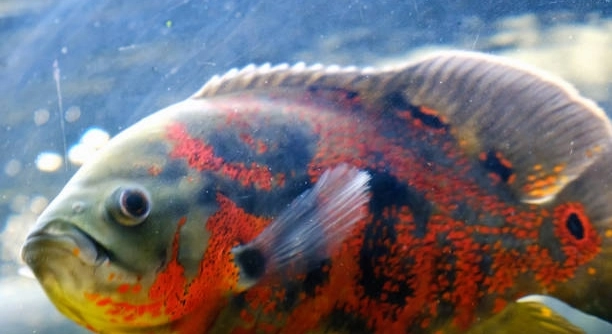
Oscar fish are known for their active nature, often exploring their surroundings with great interest. However, you might notice a change in behavior when they suddenly stop exploring, leaving you wondering why this shift occurred.
Oscar fish may stop exploring due to changes in their environment, stress, illness, or water quality issues. These factors can affect their behavior, leading to lethargy or reduced activity. Monitoring their tank conditions is crucial in such situations.
Understanding the reasons behind this behavior can help you restore your Oscar fish’s usual energy. Addressing the root cause will allow you to create a healthier and more stimulating environment for them.
Changes in Water Quality
Oscar fish are highly sensitive to water conditions. If the water quality in the tank changes, it can directly affect their behavior. Poor water quality, including high levels of ammonia, nitrites, or nitrates, can make your fish feel stressed or uncomfortable. This stress can cause them to stop exploring their environment. It’s important to regularly test the water to ensure it is within the optimal range for Oscar fish.
Sometimes, the filters in the tank may not be working as efficiently as they should. This can lead to a buildup of harmful chemicals that could be stressing your fish. A water change may help restore their activity levels. Regularly cleaning the tank, as well as ensuring proper filtration, will prevent these issues.
To keep your Oscar fish healthy, test the water at least once a week. Make sure the temperature, pH levels, and hardness are appropriate for their needs. Consistent water care plays a major role in keeping your fish active and happy.
Stress from Environment or Tank Mates
Oscar fish are territorial creatures. If the tank is too crowded or there are aggressive tank mates, your fish may feel threatened. This can lead to them staying in one spot, avoiding exploration. In some cases, the presence of smaller or more aggressive fish can lead to stress.
Sometimes, introducing new fish or rearranging the decorations can disrupt the Oscar’s routine and comfort. Stressful situations like these can cause a temporary decrease in activity. Give your Oscar some time to adjust to the changes.
Creating a peaceful and spacious tank environment is key. Oscar fish need space to roam and hide, so make sure they have a place to retreat when feeling overwhelmed. Keep the tank well-organized and consider the temperament of any other fish you add to the setup. This will keep your fish stress-free and active.
Illness or Injury
When an Oscar fish is feeling unwell or has sustained an injury, it may become less active. Fish with health issues often isolate themselves and avoid swimming around the tank. Keep an eye out for any physical signs of illness, such as faded colors, swelling, or lesions.
If your fish is not exploring, check for other symptoms like labored breathing, loss of appetite, or unusual behavior. Illnesses like parasites, bacterial infections, or injuries can cause lethargy. You may want to consult a veterinarian or a fish expert to properly diagnose and treat your Oscar fish.
In some cases, stress from an untreated illness can cause long-term behavior changes. Providing a separate quarantine tank to prevent the spread of disease and ensuring the water conditions are optimal can speed up recovery. Addressing health concerns quickly can help your fish get back to its active nature.
Diet and Feeding
Oscar fish require a varied diet to stay healthy and active. If your fish isn’t eating properly or isn’t being fed enough, it can lose interest in exploring the tank. Poor nutrition may also lead to a lack of energy and increased lethargy.
Make sure you are offering a balanced diet that includes high-quality pellets, frozen or live food, and occasional treats. If your Oscar fish is picky or refusing food, it could indicate an underlying issue with the tank environment, such as poor water quality or stress from tank mates.
Try feeding at regular times and in smaller portions to avoid overfeeding or underfeeding. A well-fed Oscar fish is likely to be more active and engaged in exploring. If you’re still having trouble, consider changing their food or varying their diet to encourage interest.
Tank Size and Space
Oscar fish grow large and require plenty of space to swim. If the tank is too small, your fish might feel cramped and stop exploring. This can lead to increased stress, which affects their behavior and activity levels. A larger tank helps them feel more comfortable and secure.
If your Oscar fish is in a tank that is too small, upgrading to a bigger one can make a noticeable difference. As a rule of thumb, provide at least 55 gallons of space for one Oscar fish, with more room for each additional fish.
Water Temperature
Oscar fish need a stable water temperature to thrive. If the water is too cold or too warm, it can affect their behavior. Extreme temperatures can cause them to become sluggish or hide in one spot. Check the temperature regularly.
A heater is essential in maintaining the right temperature range for your Oscar fish, which is typically between 75°F and 80°F (24°C-27°C). Sudden changes in temperature can stress the fish and cause lethargy. Keeping the water temperature stable will help your fish stay active and explore its environment.
Lighting
Too much or too little light can influence the activity of your Oscar fish. If the tank is too dark, your fish may feel insecure and not explore. On the other hand, too bright lighting can cause stress and encourage hiding. Aim for a balance.
Providing a natural light cycle helps your Oscar fish feel more at ease. Using a timer for the light is a good idea to simulate day and night, giving them periods of rest. This can encourage them to be more active during the day while having quiet time at night.
FAQ
Why is my Oscar fish staying at the bottom of the tank?
If your Oscar fish is staying at the bottom of the tank, it could be a sign of stress, illness, or poor water quality. Oscars tend to hide or stay in one spot when they’re not feeling well. Check the water parameters, such as temperature, pH, and ammonia levels, to make sure everything is in balance. If the water quality is fine, look for any other signs of illness like fading colors, unusual swimming patterns, or bloating. If necessary, consult a veterinarian who specializes in fish.
How do I know if my Oscar fish is stressed?
Oscar fish can show signs of stress through behaviors like hiding, lack of appetite, or swimming erratically. If your fish seems to be less active, avoiding certain areas of the tank, or staying in one spot, it could be stressed. Other signs of stress may include rapid gill movement, darting around the tank, or aggressive behavior toward tank mates. Stress can be caused by overcrowding, poor water quality, or territorial disputes with other fish. Take steps to improve the environment by adjusting the tank’s layout or addressing any water issues.
Can Oscar fish get bored?
Yes, Oscar fish can get bored if their environment lacks stimulation. These fish are naturally curious and need a variety of places to explore in their tank. If the tank is too small, empty, or doesn’t have enough hiding spots, your Oscar might not feel motivated to explore. Providing plenty of decorations, caves, and rocks to hide in can encourage exploration. Consider rearranging the tank’s layout every few months to keep your fish engaged.
How often should I feed my Oscar fish?
Oscar fish should be fed once or twice a day, depending on their age and size. Young Oscars may require more frequent feedings to support growth, while adult Oscars may do better with once-a-day feedings. Be mindful not to overfeed, as this can lead to water quality issues. Remove any uneaten food after a few minutes to avoid tank pollution. A varied diet of pellets, frozen or live food, and occasional treats will help keep your fish healthy and active.
What is the best temperature for Oscar fish?
Oscar fish thrive in water that’s between 75°F and 80°F (24°C to 27°C). It’s important to maintain a stable temperature, as drastic changes can cause stress or illness. Use a reliable aquarium heater and thermometer to monitor the water temperature regularly. If the temperature drops too low, your fish may become sluggish, while higher temperatures can lead to increased stress or even health issues.
Why is my Oscar fish scratching against objects?
If your Oscar fish is scratching against objects in the tank, it might be dealing with a skin irritation or parasite infestation. Fish often scratch themselves when they feel uncomfortable due to external parasites like ich or skin diseases. Other signs to look out for are faded colors, white spots on the skin, or rapid gill movement. If you notice these symptoms, consider isolating the affected fish and treating it with the appropriate medication. Maintaining good water quality can also help prevent parasites.
Can Oscar fish live with other fish?
Oscar fish are known for their territorial nature and can be aggressive toward smaller or more timid tank mates. They typically do better with other large, robust fish that can hold their own. Fish like plecos, large cichlids, and certain catfish can usually co-exist with Oscars if they have enough space. Avoid keeping Oscars with small fish that may become prey. It’s also essential to monitor the interactions between the fish and ensure there are no signs of bullying or aggression.
How long do Oscar fish live?
Oscar fish can live anywhere from 10 to 15 years, sometimes even longer if they are properly cared for. To maximize their lifespan, maintain a stable and clean tank environment, ensure they have a balanced diet, and address any health concerns promptly. The better the living conditions, the longer your Oscar fish is likely to live. Regular water changes, proper filtration, and consistent temperature control are essential to their longevity.
Why is my Oscar fish turning pale?
If your Oscar fish is turning pale, it could indicate several issues, such as poor water quality, stress, or illness. Water conditions, including high levels of ammonia or nitrate, can cause your fish to lose its vibrant colors. In addition, stress from overcrowding, aggressive tank mates, or changes in the tank environment can lead to color loss. If the pale coloration persists, check for other signs of illness like lethargy or loss of appetite, and take action to improve the tank’s conditions or treat any health problems.
How do I keep my Oscar fish active?
To keep your Oscar fish active, ensure it has a large enough tank, proper water conditions, and a varied diet. Oscars are curious creatures and need space to explore and hide. Adding decorations, rocks, and caves will give them areas to explore. Avoid overcrowding the tank or adding aggressive fish that could stress your Oscar. Regular tank maintenance, such as water changes and filter cleaning, is also important for keeping your fish healthy and active.
What size tank is best for an Oscar fish?
Oscar fish need a minimum of 55 gallons of space for one fish. As they grow large, they require even more room to swim comfortably. For two Oscars, a 75-gallon tank or larger is recommended. The more space you provide, the more comfortable your Oscar will feel, reducing stress and encouraging active behavior. Make sure the tank has proper filtration to handle the waste produced by such a large fish.
Final Thoughts
Oscar fish are fascinating creatures, known for their intelligence and dynamic personalities. However, when they stop exploring their tank, it can be concerning for any fish owner. The reasons behind this behavior can vary, from environmental factors like water quality and tank space to health issues or stress. As a responsible fish owner, it’s important to carefully monitor your Oscar’s behavior and identify any changes in their environment that may be affecting them. Taking proactive steps, such as regular water testing, keeping the tank clean, and providing a balanced diet, can help ensure that your Oscar stays healthy and active.
One of the first things to check when your Oscar stops exploring is the water quality. Oscars are sensitive to changes in their tank’s conditions, so if the water is too dirty or has high levels of ammonia or nitrates, it can lead to stress or illness. Regular water changes, proper filtration, and maintaining the right temperature can go a long way in keeping your fish comfortable. In addition to this, ensuring that the tank is large enough for your Oscar to move freely is crucial. Oscars are territorial and can become stressed if they feel cramped or if their tank mates are too aggressive. Giving them space and providing hiding spots can help them feel secure and reduce stress.
Lastly, it’s important to consider the health of your Oscar fish. If environmental changes aren’t the cause of their lack of exploration, illness could be a factor. Symptoms such as a lack of appetite, faded colors, or erratic swimming behavior are all signs that something might be wrong. In such cases, it’s essential to act quickly, either by consulting a veterinarian or improving the tank’s conditions to encourage recovery. A healthy Oscar fish will return to its curious, active self once the issue is resolved. By staying attentive and addressing any problems promptly, you can help your Oscar thrive and enjoy a long, active life.

Hello,
If you enjoy the content that we create, please consider saying a "Thank You!" by leaving a tip.
Every little bit helps us continue crafting quality advice that supports the health, happiness, and well-being of pets around the world, for pets of all shapes, sizes, and species.
We really appreciate the kindness and support that you show us!