
Are your Oscars acting different lately, hovering near the bottom of the tank and showing more territorial behavior than usual?
Oscars display specific behaviors and physical changes when ready to spawn. These include digging pits, pairing off, darkening in color, and increased aggression. Observing these signs can help hobbyists prepare the tank for successful breeding.
Small signs can mean big changes are coming, and knowing what to watch for will help you support your fish through this important stage.
They Start Cleaning a Flat Surface Together
When Oscars are preparing to spawn, one of the first things they do is clean a flat surface in the tank. This could be a rock, a broad leaf, or even the tank glass. They’ll use their mouths to pick off debris, algae, and anything else that might get in the way. Both fish usually take turns doing this, which is a sign they’ve paired up and are working as a team. This behavior usually happens a few days before spawning begins, and it’s easy to spot once you know what to look for. If you see them focusing on a particular area with extra attention, especially if they return to it often, there’s a good chance they are preparing that spot for egg-laying. Keeping the tank calm and clean during this time will help reduce stress and support their natural behavior.
Cleaning a surface is one of the most reliable signs. It often means eggs will follow soon.
Watching this cleaning process gives you a chance to confirm your Oscars are healthy and in sync. It’s a small but important step that often goes unnoticed if you’re not familiar with Oscar breeding behavior. Take note of how often they return to the same spot and how involved they are. If both fish are actively participating, they’re likely bonded and serious about spawning. You don’t need to interfere, but it’s helpful to make sure the area stays free from floating debris or sudden water changes. If possible, limit disruptions near the tank, as this phase can make Oscars more sensitive. This stage usually lasts a day or two, and once the surface is spotless, the next steps in the spawning process tend to happen quickly.
Their Colors Get Darker and More Intense
Darkening colors are a natural part of Oscar breeding behavior. You might notice deeper blacks or brighter orange patches on their bodies.
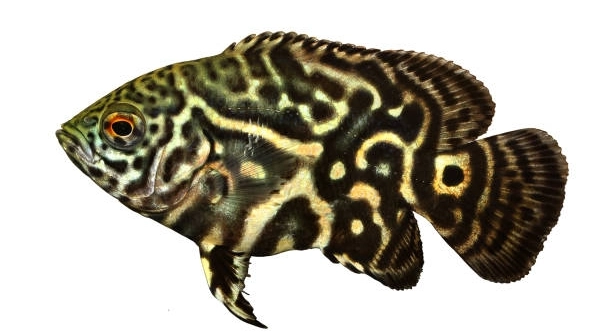
Color changes are tied to hormones that prepare Oscars for breeding. These changes can be sudden or gradual, and they usually appear more intense in both the male and female when they’re ready to spawn. This darkening is especially visible in tiger Oscars, where their typical stripes may look more defined and striking. If you have a lighter-colored variety, like albino Oscars, look for slight shifts in shading or more vibrant eye color. These changes help signal dominance, strength, and readiness to mate. The fish are using their appearance to communicate with each other and reinforce the pair bond. If you see these color changes along with cleaning behavior and increased interaction between the pair, it’s a strong sign that spawning is near. There’s no need to adjust lighting, but good water quality helps maintain their vibrant appearance.
They Become More Territorial and Aggressive
When Oscars are ready to spawn, they often become more territorial than usual. You may notice them chasing away tankmates or flaring their fins more often. This is a protective behavior and not just random aggression.
This change in behavior is usually focused around the cleaned spawning site. The pair may guard it closely, even from fish they’ve previously tolerated. You might also see one Oscar chasing the other briefly—this is normal and often part of pair bonding. If you keep other fish in the tank, watch closely. Oscars can become rough during this time, and injuries may happen if the tank is overcrowded or lacks hiding spots. It’s helpful to provide visual barriers, like tall plants or rock formations, so other fish can avoid the pair. If aggression becomes too intense, separating the pair into a breeding tank is the safest option.
This stage can also include lip-locking, tail slapping, or circling motions between the Oscars. These actions are often misread as fighting but are typically part of pre-spawning behavior. These movements help the fish establish roles and test compatibility. If their environment feels too unstable, they might delay or stop spawning entirely. Consistent lighting and stable water parameters will make them feel more secure. Use a tank lid, as Oscars may jump when excited or stressed. Their protective behavior will calm down slightly once the eggs are laid, but until then, it’s best to avoid placing your hands or tools near their territory. Respect their space and avoid unnecessary changes during this time.
They Start Shaking or Quivering Near Each Other
Oscars may begin shaking or quivering near each other, usually near the chosen spawning site. These vibrations are subtle at first but increase in frequency as spawning gets closer. It’s one of the final signs that eggs are on the way.
This behavior is a type of physical communication between the pair. It can happen when they pass each other or when they meet face-to-face. These body tremors help strengthen their bond and signal that both fish are hormonally aligned and ready. You might also notice them pressing their sides together or nudging one another gently. These actions are not aggressive—they’re a natural part of Oscar courtship. If the tank is too bright or noisy, they may stop quivering, so try to maintain a calm space around the aquarium. This behavior usually leads directly into spawning, especially if all the earlier signs are present and the pair seems focused and coordinated.
They Stop Eating or Eat Much Less
Oscars that are ready to spawn often lose interest in food. Even their favorite treats may go untouched. This isn’t a sign of illness, just a natural shift in focus toward mating and guarding territory.
This lack of appetite usually lasts a few days. Once spawning is complete, their feeding habits return to normal. Keep offering food, but don’t force it.
One Fish Starts Laying Eggs in a Line
When the female Oscar is ready, she will begin laying eggs in neat, straight lines on the cleaned surface. The male follows closely behind to fertilize them. This process can take several hours, depending on the size and age of the pair. The eggs are small, sticky, and light-colored when healthy. Oscars usually become even more protective during this stage and will stay very close to the eggs. They fan them with their fins and keep the area clean. Do not try to move the eggs or disturb the fish during this time. They are fully focused and can become aggressive quickly.
They Fan the Eggs Constantly
Once the eggs are laid, both Oscars take turns fanning them with their fins. This helps keep the eggs oxygenated and free from debris. It’s a gentle, rhythmic motion that shows they are actively caring for their spawn.
FAQ
What should I do if my Oscars are not spawning?
If your Oscars aren’t spawning, it might be due to several factors. First, check the water parameters. Oscars are sensitive to changes in temperature, pH, and ammonia levels. A stable environment with clean water is crucial. Additionally, make sure the pair is well-established. If you have multiple Oscars in the tank, they may not yet be fully bonded. Sometimes, giving them more time and space to form a connection is all that’s needed. Also, ensure the tank is large enough to give them room to claim territories. If they’re not spawning, you might want to remove any tankmates to reduce stress. Lastly, remember that Oscars can take breaks between breeding sessions. They may spawn multiple times a year, or it could take a few months before they’re ready again.
How long does it take for Oscars to lay eggs after cleaning the surface?
Once Oscars start cleaning the surface, they typically lay eggs within one to two days. The cleaning behavior is a clear sign they’re preparing a spot for egg-laying. After cleaning, they usually begin their courtship with increased body shaking, followed by the female laying eggs in a straight line. During this time, the male will fertilize the eggs immediately after they are laid. If your Oscars are cleaning but not laying eggs after a few days, it might be a sign of stress or environmental factors needing adjustment.
Can I move the eggs to a separate tank?
It’s generally not recommended to move the eggs, as doing so can disrupt the natural process. Oscars are very protective of their eggs and will fan them to maintain oxygen levels and keep them clean. Moving the eggs can cause unnecessary stress to the parents and may lead to the eggs being abandoned. However, if you need to separate the eggs for safety reasons (such as other fish in the tank that might eat them), you should use a breeding box or create a separate, isolated area in the tank. Make sure that the new space has similar water conditions and is not overcrowded.
How can I tell if the eggs are fertilized?
Fertilized eggs are usually a pale, off-white or light yellow color. If they are left unfertilized, the eggs will often turn white and begin to mold. In the first few hours, the fertilized eggs may appear slightly translucent. Oscars typically stay close to the eggs, fanning them and keeping them clean. Over time, you may start to notice small black dots inside some of the eggs, which indicates the developing embryos. If the eggs are turning white or not developing after 24-48 hours, they are likely unfertilized or have been abandoned.
How long does it take for Oscar eggs to hatch?
Oscar eggs generally take 3-4 days to hatch, depending on the water temperature. The warmer the water (within the ideal range of 76-80°F), the faster the eggs will hatch. During this time, both parents will continue to fan the eggs to provide oxygen and remove any harmful substances. After hatching, the fry will remain attached to the substrate for another 1-2 days while they absorb the yolk sac. This stage is critical, and both parents will continue to protect the fry and keep them safe from potential threats.
How can I tell if the fry are healthy?
Healthy fry will remain in a small group and closely follow the parents. They will gradually begin swimming around and foraging for food. If they are weak or sickly, they may stay separated from the group or swim erratically. You’ll notice that healthy fry appear to grow quickly and will start developing their colors after a few weeks. If you notice that the fry are drifting away from the parents, being eaten by other fish, or staying in one spot, it might indicate issues with water quality or food supply. Ensuring the fry have access to proper food, like crushed fish food or infusoria, is essential for their growth.
What should I feed Oscar fry?
Oscar fry can be fed a variety of foods once they are free-swimming. Initially, they should be fed infusoria (tiny microorganisms in water) or liquid fry food. As they grow, you can gradually introduce finely crushed flakes, baby brine shrimp, and other protein-rich foods. Be sure to feed them in small amounts multiple times a day, as they are small and have high metabolism. Keep the water clean by removing uneaten food regularly to prevent water quality issues.
Do I need to separate the male and female after spawning?
After spawning, it’s typically a good idea to separate the male and female if they become overly aggressive toward each other. Some Oscar pairs will continue to be protective, but others may start to fight once the fry are free-swimming. If this happens, consider removing one parent or creating separate spaces within the tank. In a tank with other fish, it may be necessary to separate the parents to prevent injury. Keep an eye on their behavior to ensure that they remain calm and stress-free during the fry-rearing process.
Final Thoughts
Breeding Oscars can be a rewarding experience, but it requires careful attention to detail. From the cleaning behavior to the color changes and territorial aggression, each step in the process offers clues that your Oscars are ready to spawn. Observing their behavior and making sure their environment is stable will help ensure a smooth spawning process. Remember that breeding Oscars is not a quick or easy task. It requires patience and consistent care, but when done correctly, it can result in healthy fry and a sense of accomplishment.
The most important thing to keep in mind is the environment. Oscars thrive in clean, stable water with a proper temperature and pH. Keeping the tank calm and minimizing stress during breeding is essential for the pair to feel safe enough to spawn. You don’t need to constantly interfere; the Oscars will do most of the work themselves. However, being observant of their behavior and providing a suitable breeding area can make all the difference. If you’re new to Oscar breeding, don’t be discouraged if things don’t go as planned right away. Learning from each attempt will help you improve over time.
Finally, it’s crucial to be prepared for the responsibilities that come with breeding Oscars. Once the fry hatch, they’ll require constant care, proper feeding, and a suitable environment to grow. You’ll need to decide what to do with the fry once they reach a certain size—whether to raise them for sale, find new homes for them, or keep them in your own tank. Regardless of the outcome, breeding Oscars can deepen your understanding of their behavior and care, and it can also be a fulfilling part of keeping these fascinating fish.

Hello,
If you enjoy the content that we create, please consider saying a "Thank You!" by leaving a tip.
Every little bit helps us continue crafting quality advice that supports the health, happiness, and well-being of pets around the world, for pets of all shapes, sizes, and species.
We really appreciate the kindness and support that you show us!