
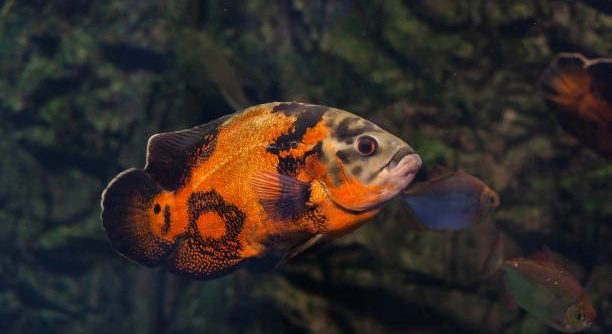
Oscar fish are known for their strong personalities and aggressive nature, but can they form bonds with other species? Understanding their behavior and interactions with different fish can help answer this question.
Oscar fish are territorial and may not naturally bond with other species. However, they can coexist peacefully with certain fish under the right conditions, provided there is enough space and no competition for resources.
It’s important to consider their temperament and the specific needs of both the Oscar fish and any potential tank mates. Proper introductions and monitoring can lead to a more peaceful aquarium environment.
Understanding the Oscar Fish’s Behavior
Oscar fish are often described as having big personalities. They are intelligent, curious, and can be quite aggressive. When it comes to tank mates, Oscars are known for their territorial nature. They don’t always get along well with other fish, especially those that are smaller or slower. In the wild, Oscars are used to having a lot of space to roam and defend. They might feel threatened by any other species that seems to intrude on their space.
It’s important to choose tank mates wisely. Oscars do better with fish that are similarly sized and have similar activity levels. A fish that is too passive or small may become a target of aggression.
Choosing the right tank mates for your Oscar fish can be tricky, but it is possible with careful planning. Fish like large tetras, catfish, and certain cichlids can coexist with Oscars if they have enough space and the environment is managed well. Keeping a close watch on their interactions and being ready to separate them if necessary can help maintain harmony in the tank. It’s essential to ensure that all fish in the aquarium have their needs met.
Factors to Consider When Choosing Tank Mates
There are several factors to keep in mind when choosing tank mates for your Oscar. Size and temperament are the most important. Oscars tend to get along better with fish that are similar in size and can hold their ground.
Apart from size, it’s important to monitor their behavior. Oscars are known to be territorial, so ensuring each fish has its own space is key to preventing conflict.
Size and Space in the Aquarium
Oscar fish grow large, often reaching up to 14 inches in length. This size requires a tank with enough space for them to move around freely. A cramped environment can lead to stress, aggression, and territorial behavior. For an Oscar, a 75-gallon tank or larger is recommended, especially if you plan on adding other fish.
Adequate space is crucial for any tank mate interaction. Without it, Oscars might feel threatened and aggressive, even toward larger fish. Ensuring each fish has enough room to establish its own territory is essential for keeping the peace. This means keeping a careful eye on the available swimming space, decorations, and hiding spots.
While large tanks are ideal, tank decorations and hiding spots also play an important role. Adding rocks, plants, or caves allows fish to create their own zones within the tank. Oscars are known to prefer having places to retreat to when they need a break. By providing such hiding places, you help minimize stress and aggression.
Aggression Levels and Tank Dynamics
Oscars are known for their unpredictable aggression. This can make them difficult to house with other species, especially those that are peaceful or shy. They are protective of their space and will chase other fish if they feel threatened or crowded.
To balance aggression, consider adding tank mates that are equally assertive. Fish such as large catfish or tough cichlids can often stand their ground. The key is finding fish that can defend themselves without creating constant tension. Tank dynamics are always changing, so monitoring these relationships is necessary.
Additionally, some Oscars may calm down over time, particularly if they’re kept with other fish of similar size and personality. However, it’s essential to maintain a balance. Even if the Oscar seems to coexist peacefully at first, it may show aggression later as it establishes dominance in the tank.
Introducing New Tank Mates
Introducing a new fish to an Oscar’s tank can be tricky. Oscars tend to be territorial and may react aggressively to newcomers. Gradually introducing new fish, preferably in separate tanks for a few days, can help ease this transition.
When adding new fish, monitor their interactions carefully. Initially, keep a close watch to make sure no fish is being overly aggressive. If conflict arises, you may need to separate them temporarily to reduce stress.
Diet and Feeding Habits
Oscars are carnivorous and will eat a variety of live, frozen, or pellet foods. A varied diet is crucial for their health. They enjoy eating worms, small fish, and shrimp, and will readily accept high-quality pellets designed for large carnivores.
Feeding your Oscar a balanced diet ensures they have the energy to thrive, and it can also affect their behavior. Overfeeding, however, can lead to aggression or territorial disputes, especially if other fish are competing for food.
Tank Maintenance
Maintaining the tank is vital for all fish species. Regular water changes, proper filtration, and temperature control are crucial for the health of both your Oscar and its tank mates. Oscars produce a lot of waste, so a strong filtration system is necessary to keep the water clean.
FAQ
Can Oscar fish live with other cichlids?
Oscar fish can live with other cichlids, but compatibility depends on the species. Some cichlids, especially those with similar temperaments and sizes, can coexist peacefully with Oscars. However, other more aggressive or territorial cichlids might clash with Oscars. It’s essential to select species that can hold their own and are not overly passive. Monitoring their interactions after introducing new fish is important.
Are Oscars social with each other?
Oscar fish can be social with each other but tend to be territorial, especially in smaller tanks. If two Oscars are placed in the same tank, they may fight to establish dominance. In larger tanks, where they have more space, they may coexist peacefully. In a smaller tank, however, one Oscar may become overly dominant, leading to aggression. If you plan to keep multiple Oscars, ensure they have enough room to avoid conflict.
How do I prevent my Oscar from becoming too aggressive?
To prevent excessive aggression, ensure your Oscar has enough space to establish its own territory. A large tank with plenty of hiding places and swimming space helps reduce territorial behavior. Tank mates should also be of similar size and temperament to avoid stressing the Oscar. Proper tank management, such as regular water changes and maintaining a clean environment, can also help reduce aggression.
What types of fish are good tank mates for Oscars?
Good tank mates for Oscars are those that are similar in size and can defend themselves. Large catfish, such as plecos, or other robust fish like large tetras or other cichlids, tend to work well. Fish that are too small or slow may become targets of aggression. It’s important to introduce tank mates gradually and monitor their interactions closely.
Can Oscars be kept with bottom-dwelling fish?
Yes, Oscars can live with bottom-dwelling fish, such as plecos or certain species of catfish. These fish tend to keep to themselves and usually don’t compete with Oscars for food. However, some Oscars may try to chase or bully these bottom-dwellers, especially during feeding time. It’s essential to ensure these fish are large enough to avoid being seen as prey.
How often should I feed my Oscar?
Oscar fish should be fed once or twice a day. Overfeeding can lead to health problems, like obesity or aggression, especially if there’s food competition in the tank. A varied diet is important, including pellets, frozen or live foods like shrimp and worms, and even whole fish. Ensure that the amount fed is suitable for your Oscar’s size and activity level. Remove any uneaten food to prevent water contamination.
What size tank do I need for an Oscar fish?
Oscar fish require a large tank due to their size and territorial nature. A minimum of a 75-gallon tank is recommended for one Oscar, with larger tanks being even better. The more space they have, the less likely they are to be overly aggressive. A larger tank also gives you more room to add compatible tank mates.
Do Oscars require a heater in their tank?
Yes, Oscars are tropical fish and require warm water to thrive. A heater should be used to maintain a stable water temperature between 75°F and 80°F (24°C to 27°C). Sudden changes in temperature can cause stress and affect their health. Make sure the heater is properly regulated to maintain consistent water conditions.
Can Oscars live with goldfish?
It’s not recommended to keep Oscars with goldfish. Goldfish are slower, less aggressive, and can be easily outcompeted for food. Since Oscars have a more aggressive nature and are much larger, they may end up bullying or eating goldfish. Goldfish are also cold-water fish, which is not suitable for Oscars, who require warmer temperatures.
How long do Oscar fish live?
Oscar fish typically live between 10 to 15 years, although some have been known to live even longer with proper care. Providing them with a suitable tank, high-quality food, and a clean environment can help ensure they live a long, healthy life. Regular water changes, monitoring of tank parameters, and reducing stress are essential for longevity.
Why is my Oscar not eating?
If your Oscar isn’t eating, it could be due to several reasons. Stress, illness, or water quality issues are common factors. Check the water temperature, pH levels, and ammonia/nitrite levels. If everything seems normal, your Oscar may be stressed due to tank mates or changes in the environment. Sometimes, they may refuse food if they are unwell, so it’s important to monitor their behavior and look for other signs of illness.
How do I know if my Oscar is sick?
Common signs of illness in Oscars include a loss of appetite, erratic swimming, discoloration, torn fins, or unusual lethargy. Skin lesions, cloudy eyes, or abnormal growths can also indicate illness. If you notice any of these signs, it’s important to isolate the fish and consult a veterinarian who specializes in fish health.
Are Oscars difficult to care for?
Oscar fish are relatively easy to care for, but their large size and aggressive nature can pose challenges. They require a large tank with good filtration, regular water changes, and a balanced diet. While they can coexist with other fish, it requires careful planning and monitoring. Oscars are hardy but can become stressed or sick if their environment isn’t ideal.
Can Oscars change their color?
Yes, Oscar fish can change color depending on their mood, environment, or health. They may become darker or lighter based on stress levels or tank conditions. This color change is usually temporary and not a cause for concern unless accompanied by other signs of illness. However, if an Oscar’s color change is permanent, it may be a sign of stress or poor water conditions.
Final Thoughts
Oscar fish are fascinating creatures known for their strong personalities and unique behaviors. While they are often considered difficult to house with other species due to their territorial nature, it is possible for them to coexist peacefully with the right tank mates. The key is to choose fish that are similarly sized and have a similar temperament. Also, ensuring that the tank is large enough to provide enough space for each fish is essential to reduce aggression and stress. A 75-gallon tank or larger is usually recommended to keep one Oscar, with more room being ideal if you want to add other fish.
When it comes to tank maintenance, Oscars require more attention than smaller fish. They produce a lot of waste, which means you’ll need to ensure the tank has good filtration. Regular water changes are necessary to maintain healthy water quality. Maintaining the right water temperature is also essential for their well-being. Oscars thrive in warm water, with temperatures between 75°F and 80°F (24°C to 27°C) being ideal. Proper filtration and water changes help prevent health issues that could arise from poor water conditions, so these should never be neglected.
The most important thing to remember when caring for an Oscar is their need for a stable environment. They thrive in well-maintained tanks with enough space to roam and establish territories. By selecting the right tank mates, monitoring their behavior, and maintaining good water quality, you can create a peaceful and healthy environment for your Oscar. Their intelligence and interesting behavior make them rewarding to care for, but they do require time and attention. As long as you meet their needs, Oscars can live long, healthy lives and be an exciting part of your aquarium.

Hello,
If you enjoy the content that we create, please consider saying a "Thank You!" by leaving a tip.
Every little bit helps us continue crafting quality advice that supports the health, happiness, and well-being of pets around the world, for pets of all shapes, sizes, and species.
We really appreciate the kindness and support that you show us!