
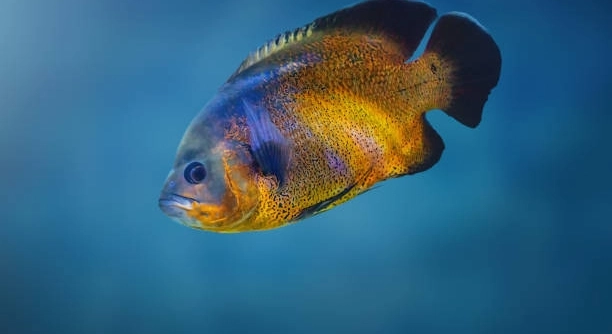
Oscar fish are fascinating creatures that form strong bonds with their owners, often following them around the tank. However, when your Oscar fish stops following you, it can be concerning and confusing. Understanding why this happens can help you figure out what might be wrong.
There are various factors that could cause an Oscar fish to stop following you, such as stress, health issues, or changes in the environment. Fish behavior is often a reflection of their surroundings, and even small changes can lead to noticeable shifts in their actions.
When you understand the root causes, you can better care for your fish and ensure their well-being. Exploring these factors can help restore the bond you share with your Oscar fish and bring back their previous behavior.
Stress and Environmental Changes
Oscar fish are sensitive to changes in their environment, and even small stressors can impact their behavior. If you’ve recently made changes to their tank, such as adding new decorations, changing the water, or moving them to a new location, this could be a factor. Stress can make your Oscar fish feel unsafe, causing it to retreat instead of following you.
Fish thrive in stable environments, and even minor disruptions can cause noticeable shifts in behavior. Water temperature, lighting, or tank mates can also cause stress.
If you notice your Oscar fish is not as active or engaged as before, take a closer look at the tank conditions. Check the water quality, ensure the temperature is consistent, and avoid overcrowding the tank with other fish. Reducing stress factors in the environment will help your Oscar fish feel comfortable again.
Health Issues
Changes in your Oscar’s behavior may also be a sign of illness or injury. If your fish is lethargic or not following you as usual, it may be feeling unwell. Common health problems in Oscar fish include parasites, swim bladder issues, or internal infections.
If your Oscar is displaying unusual behavior or isn’t eating, it’s essential to monitor their condition closely. One way to tell if something is wrong is by observing their movements and appetite. If your fish is sluggish, struggling to swim, or has noticeable skin lesions, a visit to an aquarium vet may be needed.
Ignoring health concerns can make the situation worse, so act quickly. Sometimes, the signs are subtle, but addressing them early can lead to a quicker recovery. Regular water changes, a balanced diet, and proper tank care will keep your Oscar fish in good health, preventing many common issues.
Tank Size and Space
Oscar fish require ample space to swim and explore. If the tank is too small, your fish might feel restricted, leading to behavioral changes like not following you. A cramped environment can also increase stress, which can make your Oscar feel less active or engaged.
When choosing a tank size, it’s important to remember that Oscar fish grow large, often reaching up to 12-14 inches. A tank of at least 75 gallons is ideal for one Oscar fish. If you have more than one, you’ll need even more space. Providing a spacious tank with plenty of swimming room will allow your Oscar fish to feel more at ease and behave more naturally.
Make sure to regularly check the tank’s capacity and adjust accordingly. The size of the tank not only affects your fish’s physical health but their overall behavior. A larger tank encourages active swimming and reduces stress, which in turn can bring back the behavior you miss, like following you.
Water Quality
Oscar fish are particularly sensitive to poor water quality, which can cause stress and health issues. If your fish isn’t following you, it might be due to dirty or imbalanced water. Regular water changes and testing are essential for maintaining a healthy environment.
Check the levels of ammonia, nitrites, and nitrates in the tank, as these can quickly affect the health of your fish. If these levels are off, your Oscar might exhibit signs of stress, such as hiding or swimming erratically. Clear water is key to your fish’s well-being and ensures they remain active and engaged with their surroundings.
Make sure to invest in a good filtration system to keep the water clean. Using water conditioners and performing regular water changes will help avoid harmful toxins from building up. Keeping the water clean can help restore your fish’s behavior, as it will feel safer and more comfortable in its environment.
Overfeeding or Undereating
Overfeeding or underfeeding can cause a lack of interest in interacting with you. If your Oscar fish is eating too much, it may become lethargic and avoid you. If it’s not eating enough, it may lack the energy to follow or show interest in its surroundings.
A healthy feeding schedule is important for keeping your Oscar active. Offering the right amount of food—usually once or twice a day—will help your fish maintain proper energy levels. Overfeeding leads to excess waste in the tank, which can further reduce water quality, making your Oscar feel unwell and less likely to interact.
To avoid this, follow a consistent feeding routine and make sure to remove any uneaten food. This helps maintain a clean environment and ensures your fish stays engaged with its surroundings and follows you. A balanced diet will keep your Oscar’s behavior more active and normal.
Tank Mates
Tank mates can have a big impact on how your Oscar behaves. If you’ve added new fish to the tank, your Oscar may feel threatened or stressed by the new presence. This can cause it to retreat and stop following you.
Ensure the fish in the tank are compatible and that there’s enough space for everyone. Oscars are territorial and may not get along with certain fish, which can cause anxiety. Watching how your Oscar interacts with its tank mates will give you a clue about whether this is the problem.
If there’s tension with other fish, consider rearranging the tank or removing any aggressive or incompatible species.
FAQ
Why did my Oscar fish stop eating?
If your Oscar has stopped eating, it could be due to stress, illness, or changes in its environment. Stress from poor water quality, new tank mates, or a sudden change in the tank’s layout can cause your Oscar to lose its appetite. Illness is another possibility; if your fish has internal parasites or a swim bladder issue, it might refuse food. Keep an eye on the water temperature, as extreme temperatures can also affect your Oscar’s appetite. If this behavior persists for a few days, check for signs of disease, such as unusual swimming or visible sores, and consider consulting an aquarium vet.
Can an Oscar fish be left alone for a few days?
Oscar fish can be left alone for a short period, but they should not go without food for more than a few days. If you’re planning to leave, consider having someone check on your fish and feed it. Oscars are large, active fish and can become stressed if left alone for too long, especially if there are issues with the tank, such as water quality or temperature. Make sure the water conditions are optimal and that there’s no overcrowding before leaving.
How do I know if my Oscar fish is happy?
A happy Oscar will be active and swimming around its tank. It should show curiosity when you approach, and will often follow your movements. Healthy Oscars are also good eaters and will have a smooth, shiny appearance. A lack of interest in food or a fish that hides away could be signs that something is wrong. Always monitor their behavior carefully, as Oscars are social creatures that enjoy interaction. If your Oscar seems withdrawn or sluggish, it may be stressed or ill.
What size tank does an Oscar fish need?
Oscar fish require a large tank to thrive. A minimum tank size of 75 gallons is recommended for one adult Oscar. They grow quite large, often reaching 12 to 14 inches, and need plenty of space to swim freely. The more Oscars you have, the larger the tank should be. A cramped tank can lead to stress and health problems. Make sure the tank is long enough, as Oscars prefer horizontal space to swim rather than vertical height.
Why is my Oscar fish hiding?
Oscar fish hide when they feel stressed, unwell, or threatened. Changes in the tank environment, such as new tank mates, a shift in water temperature, or poor water quality, can cause your Oscar to retreat to a hiding spot. Illness or injury might also cause your fish to seek solitude. Observe for other symptoms like lethargy, loss of appetite, or irregular swimming patterns to determine if there’s a health concern. If the hiding continues for an extended period, it’s best to check the water quality and consult a veterinarian.
How often should I change the water in my Oscar tank?
For optimal health, you should change 25-30% of the water in your Oscar fish’s tank every 1 to 2 weeks. Oscars are large fish, and their waste can quickly build up in the tank, leading to poor water quality. Regular water changes help keep the water parameters stable and prevent harmful toxins like ammonia and nitrates from accumulating. Be sure to check the water temperature and pH levels before adding fresh water. You may need to change the water more frequently if the tank is smaller or there are more fish in the tank.
Can Oscars live with other fish?
While Oscars can live with other fish, they should only be housed with species that can tolerate their aggressive nature. Oscars are territorial and may bully smaller or more peaceful fish, especially if they feel threatened or stressed. Larger fish like severums, catfish, and other robust species are good companions for Oscars. Avoid placing small fish or fin-nipping species in the tank, as they can become targets for aggression. Always monitor their interactions, and be ready to separate them if necessary.
Why does my Oscar fish swim sideways or upside down?
If your Oscar is swimming sideways or upside down, this could be a sign of a swim bladder issue, which affects the fish’s ability to maintain buoyancy. Swim bladder problems can be caused by injury, overfeeding, constipation, or an infection. If you suspect swim bladder disease, try adjusting your Oscar’s diet by feeding it high-quality pellets and avoiding overfeeding. You can also try fasting your fish for a day or two to see if it improves. If the problem persists, consult a vet for diagnosis and treatment.
How can I get my Oscar fish to trust me again?
To rebuild trust with your Oscar fish, be patient and consistent. Oscars may stop following you due to stress or fear. Spend time near the tank daily to allow your fish to become accustomed to your presence. Avoid sudden movements that could startle your Oscar, and feed it in the same spot each time to create a sense of routine. Over time, your fish will likely feel more secure and return to its previous behavior. Creating a peaceful and stable tank environment is key to regaining your Oscar’s trust.
Can my Oscar fish go through a phase of not following me?
Yes, Oscar fish can go through phases where they stop following you. Changes in their environment, health, or stress levels can cause them to withdraw temporarily. It’s important to observe for any changes in water quality, tankmates, or feeding routines that might be affecting their behavior. If the phase lasts for more than a week and is accompanied by other signs of distress, it’s a good idea to check on their health and make sure everything is optimal for your fish.
Final Thoughts
Oscar fish are fascinating creatures that form strong bonds with their owners, so it can be troubling when they stop following you around the tank. Their behavior is often a reflection of their environment, health, and emotional well-being. Whether it’s a change in their surroundings, health issues, or stress from poor water quality, the reason behind their sudden withdrawal is usually tied to one or more factors that can be easily addressed. It’s important to be patient and observant when your Oscar fish behaves differently, as it could be signaling that something isn’t quite right.
One of the most common reasons for your Oscar’s change in behavior is stress. This stress could stem from a number of things, like poor water quality, a small tank size, or the introduction of new tank mates. Fish are highly sensitive to their environment, so even slight changes can cause them to feel uneasy. Make sure your Oscar’s tank is large enough, the water conditions are stable, and that there are no aggressive fish in the tank that could be causing harm. If you notice that your Oscar is hiding or not engaging with you, it’s worth checking the tank setup and making adjustments to reduce stress levels.
Another factor that can impact your Oscar’s behavior is health issues. Oscars are prone to certain illnesses, such as swim bladder problems or parasites, which can affect their activity levels and overall behavior. If your fish stops following you or seems less active, it may be a sign of an underlying health issue. Always monitor your Oscar for changes in appetite, swimming patterns, and overall appearance. Regular water changes, a balanced diet, and prompt treatment for health problems are essential to keeping your Oscar happy and healthy. With proper care and attention, your Oscar will likely return to its usual behavior, following you around the tank and engaging with its surroundings once more.

Hello,
If you enjoy the content that we create, please consider saying a "Thank You!" by leaving a tip.
Every little bit helps us continue crafting quality advice that supports the health, happiness, and well-being of pets around the world, for pets of all shapes, sizes, and species.
We really appreciate the kindness and support that you show us!