
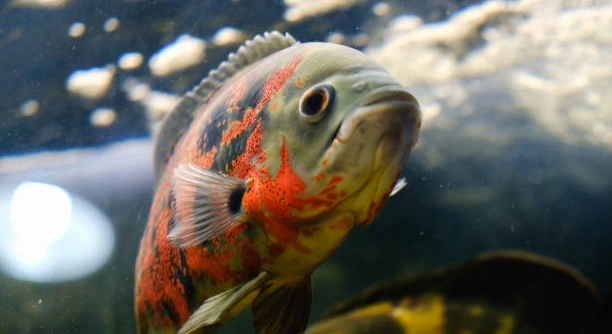
Oscar fish are known for their unique behavior and strong personalities. These traits can sometimes cause them to act territorial, even in the absence of a mate. Understanding their behavior helps in creating a suitable environment.
Oscar fish, like many other species, are naturally territorial. Even without a mate, they can claim specific areas within their tank. This behavior is driven by instinct and environmental factors, as they establish their space for security.
Understanding Oscar fish behavior helps ensure a peaceful tank environment. There are ways to manage territorial disputes and create a more harmonious living space for all aquatic inhabitants.
Why Do Oscar Fish Act Territorial?
Oscar fish are naturally territorial creatures, and this behavior is not solely dependent on having a mate. They can show aggressive tendencies, marking areas in their tank as their own. This territorial nature is ingrained in their instincts, often triggered by factors like tank size, the presence of other fish, or the availability of hiding spots. Without a mate, Oscars may still display dominance over their environment, sometimes even chasing away tank mates that come too close to their claimed area.
Their territorial behavior can also be heightened by environmental stressors. Inadequate tank space, lack of hiding spots, or overcrowding can increase their aggression. It’s important to maintain a comfortable and spacious tank to reduce stress and minimize territorial disputes.
Keeping Oscars in a large enough tank with adequate hiding spots can alleviate much of their territorial aggression. Adding decorations like plants or rocks can create multiple territories, giving each fish its own space. In addition, ensuring a balanced fish population and avoiding overcrowding also plays a vital role.
How Can You Manage Territorial Behavior?
While Oscar fish tend to be territorial, there are ways to manage this behavior effectively. Creating distinct territories within the tank is key to minimizing conflicts.
One effective method is to ensure that Oscars have enough space to feel secure in their environment. A larger tank size allows for more room to roam, helping to prevent aggression between fish. Additionally, using decorations like plants, rocks, or driftwood to divide the tank can create natural boundaries. Keeping only a few tank mates with the Oscars and ensuring they are of similar size can help, too. Avoid placing fish that are smaller or more timid in the same tank, as this can make them easy targets for territorial displays. Maintaining a peaceful and well-balanced environment is essential for Oscar fish to feel comfortable without feeling threatened by their own territory.
How Territorial Behavior Affects Tank Mates
Oscar fish can be very dominant in a tank, especially when they feel their territory is being threatened. This behavior can lead to aggression toward tank mates. In some cases, the Oscars may chase or nip at other fish that enter their designated space.
Territorial Oscar fish can cause stress to other fish by constantly harassing them. This behavior might lead to injury or even death in extreme cases. Tank mates that are not as assertive may hide or become withdrawn, affecting the overall health of the tank. Choosing compatible tank mates is crucial to avoid unnecessary aggression.
To ensure a peaceful coexistence, try adding fish that are either larger or more resilient to Oscar fish aggression. Avoid smaller or slower-moving fish, as they can become targets. It’s also important to monitor the tank regularly, observing interactions to prevent potential issues before they escalate.
Tank Size and Territoriality
The size of the tank plays a critical role in reducing territorial aggression in Oscar fish. A larger tank provides more space for the fish to establish their territories and reduce the likelihood of conflict.
Oscar fish need plenty of room to swim and feel safe. A small tank can make them feel cramped, leading to stress and an increased desire to defend their space. Ideally, Oscars should be kept in a tank that is at least 75 gallons. The larger the tank, the more territory the fish can claim without constant confrontation. If the tank size is limited, it’s important to minimize the number of tank mates to avoid overcrowding.
Providing a spacious environment with plenty of hiding places is essential for keeping Oscar fish content. This setup will help prevent them from becoming overly territorial and aggressive. In the long run, a larger tank promotes better overall health for your Oscar fish and its tank mates.
Signs of Territorial Aggression
Oscar fish display a variety of behaviors when they feel their territory is threatened. These can include chasing, flaring their gills, or even physically attacking other fish. Knowing these signs helps prevent further conflicts.
Observing your Oscars’ body language is key to identifying when they are becoming territorial. They may start guarding specific areas, especially near the bottom of the tank. If other fish approach, Oscars will often chase them away. These signs of aggression can also be accompanied by intense swimming patterns or rapid movements, signaling the need for more space or privacy.
Dealing with Territorial Fish
Handling territorial Oscar fish requires patience and careful planning. Keeping a few basic tips in mind can help reduce aggression and promote harmony.
Avoid overcrowding the tank, and provide plenty of hiding spots like caves or plants for other fish. This allows Oscars to feel secure in their territory while minimizing opportunities for conflicts. You can also create visual barriers in the tank using rocks or plants. These barriers help break up lines of sight, preventing Oscars from constantly feeling the need to defend their space.
Territorial Behavior During Breeding
Oscar fish can become significantly more territorial during their breeding season. Their behavior often intensifies as they protect their eggs or young. The level of aggression usually increases during this time.
Breeding Oscars may fiercely guard areas around their nests. They will actively chase away any fish that come too close, and their territorial aggression can extend to all areas of the tank. The pair may work together to protect their territory, making the tank a much more hostile environment for any other fish. To avoid these situations, separate the breeding pair if necessary to ensure peace.
FAQ
Can Oscar fish be kept with other species?
Yes, Oscar fish can be kept with other species, but it depends on the temperament of both the Oscar and the other fish. Oscars are territorial and can be aggressive, especially if they feel their space is being invaded. Larger fish that are similar in size or temperament may do well with Oscars. Avoid keeping them with smaller, more timid fish, as they could become prey. It’s also important to ensure that the tank is large enough to accommodate multiple fish comfortably, with plenty of hiding spots and separate territories.
How do I know if my Oscar fish is stressed?
A stressed Oscar fish will often exhibit signs such as abnormal swimming patterns, loss of appetite, or hiding more than usual. You may also notice fin damage or faded color, which are common indicators of stress. Changes in behavior, like erratic swimming or scratching against tank decorations, can also be signs. If you notice these signs, check water quality and tank conditions to rule out environmental stressors. Stress can also be caused by aggression from tank mates or a lack of space.
What is the ideal tank size for Oscar fish?
Oscar fish need a minimum of 75 gallons of space for one fish. As they grow larger, you’ll need to upgrade the tank size to ensure they have enough room to swim and establish their territory. A 100-gallon tank is recommended for a single Oscar, and if you’re keeping more than one, even larger tanks are necessary. The more space you provide, the less likely it is that your Oscars will become stressed or overly aggressive. Proper tank size is key to maintaining their well-being.
Can Oscars live with other Oscar fish?
Yes, Oscars can live with other Oscars, but they are very territorial and may fight, especially if the tank is too small or if there are not enough hiding spots. The likelihood of aggression increases during breeding season, as they become more protective of their space. If you want to keep multiple Oscars together, make sure the tank is large enough to give them enough room to establish their territories. Providing plenty of visual barriers, such as plants or decorations, can also help reduce conflict.
What should I feed my Oscar fish?
Oscar fish are omnivores and require a balanced diet. You can feed them high-quality pellet food designed for carnivorous fish, along with live or frozen foods like worms, shrimp, or small fish. Supplementing their diet with vegetables, such as peas or spinach, can help with digestion. Oscars have a hearty appetite, so ensure you feed them enough to keep them healthy, but avoid overfeeding, as this can lead to obesity and water quality issues. A varied diet helps maintain their overall health and vibrancy.
Why is my Oscar fish acting aggressively?
Aggression in Oscar fish is often caused by territorial behavior. They may become more aggressive if they feel their space is being threatened by other fish or if they are stressed. Oscars are naturally dominant, and they’ll defend their territory, especially if they don’t have enough space. Other causes of aggression can include changes in water conditions, improper tank size, or introducing new fish into the tank. If aggression becomes excessive, you may need to rearrange the tank, add more hiding spots, or separate aggressive fish.
Can Oscar fish live without a mate?
Yes, Oscar fish can live without a mate. They do not require a mate to thrive, and they will still exhibit territorial behaviors, but these actions are based on instinct rather than the presence of a mate. If you have a single Oscar in your tank, it will still defend its territory from other fish. However, Oscars are known to form strong pair bonds during breeding season, and this can lead to increased aggression when defending their nests. If you do not plan on breeding, a single Oscar can live happily on its own.
How often should I clean my Oscar fish tank?
Oscar fish tanks should be cleaned regularly to maintain good water quality. It’s essential to perform water changes of 25-30% every 1-2 weeks to keep the water clear and free of toxins. Regularly check the water parameters, including pH, ammonia, nitrites, and nitrates, and adjust as needed. Clean the tank substrate by vacuuming it during water changes to remove any uneaten food or waste. It’s also important to clean the filter regularly to ensure proper filtration and avoid issues with water circulation. A clean tank helps maintain a healthy environment for your Oscar.
Do Oscar fish require special water conditions?
Yes, Oscar fish have specific water requirements. They prefer water temperatures between 75-80°F (24-27°C) and a pH range of 6.5-7.5. Oscars are sensitive to water quality, so maintaining clean, well-filtered water is essential. Ammonia, nitrites, and high nitrate levels can harm your Oscar, so regular water changes and monitoring are necessary. Oscars also need stable water conditions, so avoid sudden temperature changes or fluctuations in pH. Keeping the water conditions stable helps ensure the health and well-being of your Oscar fish.
Why does my Oscar fish keep swimming at the surface?
If your Oscar fish is swimming at the surface of the tank, it could be a sign of a few things. One possibility is that the water oxygen levels are low. Oscars need oxygen-rich water, and if the water is stagnant or poorly aerated, they may swim at the surface to get more oxygen. Another reason could be stress, as Oscars tend to swim at the surface when they feel threatened or uneasy. Lastly, swimming at the surface could indicate an issue with water quality, so it’s important to test and adjust the water parameters.
Final Thoughts
Oscar fish are fascinating creatures, known for their vibrant colors and strong personalities. They are intelligent and can form bonds with their owners. However, they also require specific care and attention, especially when it comes to their territorial nature. Understanding the behavioral traits of Oscar fish is essential for providing them with the best possible environment. Whether you choose to keep one or several Oscars, creating a well-maintained tank is key to their happiness and health. A spacious tank with enough hiding spots can reduce territorial aggression and stress, making life easier for both you and your fish.
While Oscars can live alone or with other fish, their territorial nature should always be considered. They thrive in large, well-maintained tanks where they can establish their territory and feel secure. With proper water conditions, regular tank maintenance, and a balanced diet, your Oscar can live a long and healthy life. If you are keeping multiple Oscars or other fish, make sure the tank size is large enough to prevent conflicts. Providing your Oscars with enough space and resources will help reduce aggression and allow them to coexist peacefully.
In conclusion, caring for Oscar fish involves much more than simply providing food and water. Their behavioral traits, especially their territorial instincts, require thoughtful planning and observation. By creating a comfortable environment with adequate space, proper water quality, and a well-balanced diet, you can enjoy having Oscar fish as a part of your aquarium. Taking the time to understand their needs and addressing any issues that arise will ensure your Oscars thrive for years to come.

Hello,
If you enjoy the content that we create, please consider saying a "Thank You!" by leaving a tip.
Every little bit helps us continue crafting quality advice that supports the health, happiness, and well-being of pets around the world, for pets of all shapes, sizes, and species.
We really appreciate the kindness and support that you show us!