
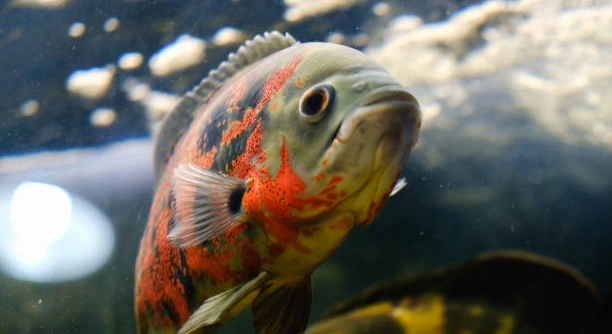
Oscar fish are known for their curious and sometimes aggressive behavior. If you’ve ever noticed your Oscar fish suddenly bite the lid of its tank, you’re probably wondering what triggered this unusual action.
Oscar fish may bite the lid due to stress, territorial behavior, or hunger. They are intelligent creatures that often interact with their environment. A lack of stimulation, an impending feeding time, or changes in their habitat may cause this reaction.
Understanding the reasons behind this behavior can help you create a more comfortable and enriching environment for your Oscar fish, preventing similar incidents in the future.
Reasons for Aggressive Behavior in Oscar Fish
Oscar fish are naturally territorial, and they can become aggressive when they feel their space is threatened. This behavior can be triggered by various factors, including the presence of other fish, changes in their environment, or even disturbances from outside the tank. These fish are highly intelligent and will often react to perceived threats by biting or showing aggression. If your Oscar fish has been in the tank for a while and is displaying this behavior, it could be due to environmental changes such as water quality, temperature shifts, or stress caused by overcrowding.
In addition, an Oscar’s behavior can change depending on their age and size. Younger fish may be more curious and playful, while older fish can develop more territorial instincts.
Providing your Oscar with a proper environment and routine can help mitigate aggressive behavior. The right tank size, enough hiding spots, and maintaining stable water conditions will make a noticeable difference. Fish that feel safe and comfortable are less likely to act aggressively.
Stress and Its Impact on Oscar Fish
Stress is one of the most common triggers for unusual behavior in Oscar fish.
When an Oscar fish experiences stress, whether from poor water conditions, overcrowding, or environmental changes, it may respond by biting or acting aggressively. It’s important to monitor their environment regularly to ensure the water quality is optimal and that the tank is appropriately sized for your fish. Adding plants, rocks, or other forms of enrichment can also provide your Oscar with spaces to retreat and reduce feelings of vulnerability.
Oscar fish thrive in a stable, calm environment. Keeping the tank clean and at a proper temperature will help keep your fish relaxed. Also, avoid introducing new fish too quickly or making sudden changes to their tank. This can cause unnecessary stress, leading to biting or other forms of aggression.
Hunger and Feeding Habits of Oscar Fish
Oscar fish are known for their hearty appetite. If they haven’t been fed for a while, they may act out by biting the tank lid. Hunger-induced aggression is a common issue, especially if the fish are accustomed to a regular feeding schedule.
Oscar fish can recognize feeding times and may show excitement or agitation when they’re anticipating food. This could lead to behaviors like biting or swimming frantically around the tank. It’s important to stick to a feeding routine and provide them with an appropriate amount of food to avoid excessive hunger.
A varied diet is also crucial. Oscar fish enjoy a mix of pellets, live foods, and frozen foods like shrimp or worms. Overfeeding should be avoided, as it can cause other health issues, but regular meals at set times will help curb their aggression. If your Oscar seems particularly hungry, consider adjusting the feeding schedule.
Tank Size and Space
Oscar fish require a large tank to thrive. If your tank is too small, your Oscar may feel confined, leading to stress and aggressive behavior. A minimum of 75 gallons is recommended for one Oscar fish, with additional space needed for any tankmates.
A cramped tank can make your Oscar feel territorial and anxious, which might lead to the biting behavior you’ve noticed. It’s important to ensure that the tank is spacious enough for them to swim freely. Adding decorations, rocks, or plants will also provide hiding spots, giving your fish a sense of security.
Tank overcrowding can intensify these issues. With proper space, your Oscar fish can have room to explore and exhibit natural behaviors. Keeping their living environment spacious and well-maintained will help reduce unnecessary stress and aggression. Proper tank maintenance is key to fostering a healthy and happy Oscar.
Changes in the Environment
Oscar fish are sensitive to changes in their environment. A sudden alteration in water temperature, filter changes, or moving the tank can cause them stress. This stress may manifest as aggression, such as biting the tank lid. It’s best to keep changes gradual.
When adjusting your fish tank, it’s important to monitor water quality closely. Any sudden shifts in pH, ammonia levels, or temperature can cause discomfort and trigger erratic behavior. Keeping their environment stable will reduce unnecessary stress and help your Oscar adjust more comfortably to minor changes.
Water Quality and Temperature
Oscar fish thrive in clean, well-maintained water with a stable temperature. Poor water quality can lead to stress, causing your Oscar to act out. Regular water changes and filtration are essential to prevent harmful chemicals from building up in the tank.
Monitoring the water temperature is equally important. Oscar fish prefer water that is around 75-80°F (24-27°C). If the water temperature fluctuates too much, it can weaken their immune system and make them more prone to stress. Keeping the water temperature stable and clear will help reduce unwanted behavior like biting the tank lid.
Social Behavior and Tankmates
Oscar fish can be territorial and may react aggressively if they feel their space is being invaded. When kept with other fish, Oscar fish may become more protective of their territory. This can sometimes lead to biting, not just the tank lid, but other tankmates as well.
FAQ
Why does my Oscar fish bite the tank lid?
Oscar fish may bite the tank lid due to various reasons such as hunger, territorial behavior, or stress. They are intelligent creatures and will react to changes in their environment. If they haven’t been fed in a while, they might bite the lid out of anticipation. Alternatively, stress from poor water conditions or overcrowding can also lead to this behavior.
How can I prevent my Oscar fish from biting the tank lid?
To prevent your Oscar from biting the tank lid, ensure that the tank is large enough, with plenty of space for your fish to swim. Maintaining consistent feeding times and offering a varied diet can also reduce this behavior. Additionally, reducing stress factors such as poor water quality and temperature fluctuations is essential.
Is it normal for an Oscar fish to act aggressively?
Yes, Oscar fish are naturally territorial, and aggression is common, especially when they feel their space is being threatened. They may display aggression toward other fish or the tank environment. This behavior can be more noticeable during feeding times or when they feel insecure in their habitat.
What is the ideal tank size for an Oscar fish?
Oscar fish require a spacious environment to thrive. A minimum of 75 gallons is recommended for a single Oscar. If you plan to keep multiple fish, you will need a larger tank. A larger tank reduces territorial behavior and provides enough room for your fish to swim comfortably.
Can Oscar fish live with other fish?
Oscar fish can live with other fish, but caution is required when choosing tankmates. They may become aggressive toward smaller or slower fish. Tankmates should be large and hardy enough to withstand the Oscar’s sometimes aggressive nature. Avoid placing delicate or timid species with Oscar fish.
What is the best diet for an Oscar fish?
Oscar fish are omnivores and require a varied diet to stay healthy. They enjoy high-protein foods such as pellets, live foods, and frozen items like shrimp and worms. You can also feed them some plant matter occasionally, but protein should make up the majority of their diet.
How often should I feed my Oscar fish?
Oscar fish should be fed once or twice a day, with the amount depending on their size and activity level. Overfeeding can lead to water quality issues and health problems, so it’s important to feed them only as much as they can eat in a few minutes. Remove any uneaten food to maintain water cleanliness.
What temperature should the water be for Oscar fish?
Oscar fish thrive in water temperatures between 75°F and 80°F (24°C-27°C). It’s essential to maintain a stable temperature to ensure their well-being. Rapid temperature fluctuations can lead to stress, which can trigger aggressive behavior or other health issues.
How do I reduce stress for my Oscar fish?
Reducing stress for Oscar fish involves maintaining a stable environment with clean water, proper temperature, and minimal disturbances. Providing hiding spots, such as rocks or plants, can also help them feel secure. Regular water changes and good filtration are key to keeping the tank healthy and stress-free.
Why is my Oscar fish swimming at the top of the tank?
Oscar fish may swim at the top of the tank for several reasons, including looking for food or oxygen. If the fish is frequently at the surface and acting out of character, it could indicate a problem with water quality or oxygen levels. Check the filtration and aeration in the tank.
How can I tell if my Oscar fish is sick?
Signs that your Oscar fish may be sick include changes in behavior, such as lethargy, loss of appetite, or unusual swimming patterns. Physical symptoms like cloudy eyes, skin lesions, or abnormal growths can also indicate illness. If you notice any of these signs, consider consulting a vet or aquarium specialist.
Can I change the tank environment without stressing my Oscar?
Yes, but it should be done gradually. Sudden changes, like moving the tank or altering the water conditions drastically, can stress your Oscar fish. Make sure to acclimate them slowly to any changes in temperature, water parameters, or decorations to minimize stress.
Do Oscar fish need a filter?
Yes, Oscar fish produce a lot of waste, so a filter is essential to keep the water clean and healthy. Without proper filtration, the water quality will quickly deteriorate, leading to stress, illness, and aggressive behavior. A high-quality filter is crucial to maintaining a stable tank environment.
How can I tell if my Oscar fish is happy?
A healthy and happy Oscar fish will exhibit active behavior, swimming around the tank with ease. It will respond to feeding times eagerly and interact with its environment, such as exploring tank decorations. If your Oscar is hiding too often or not eating, it might be a sign of stress or discomfort.
Should I remove tankmates if my Oscar is being aggressive?
If your Oscar is acting aggressively towards tankmates, it may be a good idea to remove the aggressor, especially if the tankmates are at risk of being harmed. You may also consider re-arranging the tank’s decorations or adding more hiding spots to reduce territorial disputes.
How long do Oscar fish live?
Oscar fish typically live for 10 to 15 years when cared for properly. Their lifespan depends on factors such as tank conditions, diet, and overall care. Providing a stable and clean environment will help your Oscar live a longer, healthier life.
Can Oscar fish get along with other Oscars?
Oscar fish can live with other Oscars, but this depends on the size of the tank and the individual fish’s temperament. In smaller tanks, they may become aggressive toward each other. In larger tanks with plenty of hiding spots, they are more likely to coexist peacefully.
Final Thoughts
Oscar fish are captivating creatures that can add excitement and beauty to any aquarium. Their intelligence and personality make them unique, but also require a bit of extra care to ensure their well-being. Understanding their natural behavior, such as their tendency to bite the tank lid, can help you manage their needs effectively. It’s important to remember that they are sensitive to changes in their environment, so providing a stable and comfortable space for them is crucial to their happiness.
Proper tank size, water quality, and consistent feeding routines are essential to keeping your Oscar healthy. They thrive in large tanks with clean water, and they need enough space to swim freely. Regular maintenance and water changes will help prevent stress and ensure a healthy environment for your fish. Additionally, maintaining a stable temperature and avoiding sudden shifts in their habitat can reduce the chances of aggressive behavior, such as biting the tank lid.
Lastly, observing your Oscar fish regularly will give you a good sense of their health and behavior. Small changes in their habits or appearance can signal the need for attention, whether it’s adjusting the water conditions or addressing aggression issues. While Oscar fish can sometimes be difficult to manage due to their size and temperament, with the right care and attention, they can live long and healthy lives, bringing joy to your aquarium. By understanding their needs and behaviors, you’ll be able to provide a positive environment for your Oscar fish.

Hello,
If you enjoy the content that we create, please consider saying a "Thank You!" by leaving a tip.
Every little bit helps us continue crafting quality advice that supports the health, happiness, and well-being of pets around the world, for pets of all shapes, sizes, and species.
We really appreciate the kindness and support that you show us!