
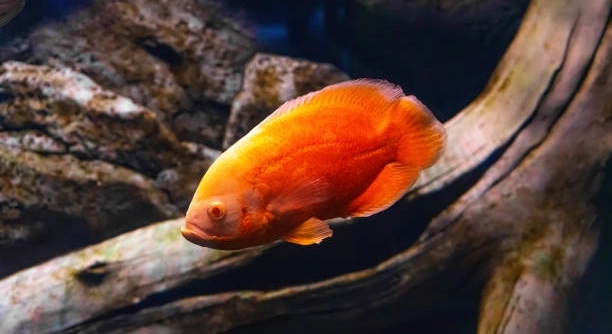
Oscar fish, known for their curious nature, often interact with their environment in intriguing ways. Observing their behavior can reveal a lot about how they respond to various stimuli, including light. Their reactions are fascinating to study.
Oscar fish are sensitive to light and movement in their environment. They can respond to changes in light or objects near the tank by becoming more active or displaying altered behaviors. Their reactions depend on various factors, including the light intensity.
Understanding how Oscar fish react to light and movement can improve your aquarium setup. This knowledge can help create a more engaging and comfortable environment for them.
How Oscar Fish React to Light
Oscar fish are known to be highly perceptive of their surroundings, particularly when it comes to light. They have excellent vision and can detect changes in light intensity. This sensitivity allows them to react differently depending on the environment. When light levels change, they might become more active or seek darker areas of the tank for comfort. Their response can vary depending on the time of day, with more noticeable reactions during the evening or night when they feel more secure in lower light levels.
Oscars, being intelligent creatures, also use light to navigate their tanks. In brightly lit environments, they tend to explore more. However, in dimmer conditions, they often rest or retreat to hiding spots.
Over time, Oscar fish can get used to the light levels in their environment, adjusting their behavior accordingly. This ability to adapt is key to their survival instincts. It’s also why some Oscars can become more active with certain light changes, particularly in a well-maintained tank.
The Influence of Movement on Oscar Fish
Oscar fish are not only sensitive to light but also to movement. They are often attracted to motion within the tank.
This can include objects moving around the tank or even the movement of people outside the tank. Oscar fish are naturally curious, and movement tends to grab their attention. They may swim toward the source of motion, intrigued by whatever is changing in their environment.
Their responsiveness to movement is part of their instinct to stay alert to potential threats or food. In their natural habitat, movement would signify either danger or opportunity. Therefore, when they notice movement, they may approach it cautiously or, at times, actively investigate. This helps them stay aware of their surroundings.
How Light Affects Oscar Fish Behavior
Oscar fish react strongly to changes in light intensity. When exposed to bright light, they may become more active, swimming around the tank. In contrast, dim lighting often leads them to seek shelter, retreating to darker spots. These changes allow them to feel more secure and adjust their behavior according to their comfort level.
Adjusting light levels in the tank can help create an environment where Oscars feel both stimulated and at ease. Over time, you may notice that they become accustomed to specific light patterns, either thriving in brighter setups or preferring subdued lighting. Knowing what works for them can improve their overall well-being.
Light doesn’t just affect their activity levels but also influences their feeding habits. In brightly lit conditions, Oscars may exhibit more interest in food, while dimmer lighting can slow down their feeding response. This indicates that light plays a significant role in how they engage with their surroundings.
Understanding Their Nighttime Behavior
At night, Oscars become less active, especially when the tank is dark. They tend to find hiding spots, resting quietly. This behavior is a natural response to reduced light, reflecting their instinct to rest and stay safe during nighttime.
Oscars, like many fish, have a natural cycle of activity that corresponds with light levels. As night falls and the tank dims, they prepare for rest. The behavior isn’t just about light but also the comfort level they feel in their environment. Keeping their tank environment balanced can lead to better sleep and less stress.
Though they may rest during the night, Oscars remain alert to sounds and vibrations. They may occasionally swim or react if they sense movement around their tank. This shows they stay aware of potential disturbances even when inactive.
Can Light Trigger Aggressive Behavior in Oscar Fish?
Changes in light can sometimes trigger aggression in Oscar fish. They are territorial animals, and bright lighting can make them feel more exposed or defensive. This might lead to heightened aggression towards other fish or even objects within the tank.
In some cases, Oscars may perceive changes in light as a threat. When they feel vulnerable, they might act out, defending their space from perceived intruders. Managing lighting in their environment can help keep them calm and reduce unnecessary stress that could lead to aggressive behavior.
How to Set Up Lighting for Oscars
Setting up the right lighting for Oscar fish is essential for their health and behavior. Bright, direct lights may cause stress, while dim lighting allows them to feel secure.
Ensure there’s a balance in the tank lighting, offering both bright periods during the day and darker zones at night. Adjusting the intensity helps Oscars maintain their natural rhythms. Too much light or constant exposure can cause stress and disrupt their comfort levels, leading to unwanted behavior.
FAQ
Can Oscar fish recognize their owners?
Oscar fish are intelligent and can recognize their owners over time. They are capable of distinguishing familiar faces and voices, especially when they associate you with feeding. Oscars may swim toward the tank or show excitement when they see you, which is a sign of recognition and bonding. Their ability to remember routines, including feeding times, also demonstrates their capacity to form connections with their owners.
How do Oscar fish communicate with each other?
Oscar fish communicate using body language, such as posturing and fin movements. They may display aggressive behavior by flaring their fins or showing their teeth, especially when establishing dominance or defending their territory. Oscars may also make sounds, like grunts or clicks, though these are not as commonly heard in a home aquarium. These behaviors help them communicate with other fish in the tank, signaling their mood or intentions.
Why do Oscar fish swim in circles?
Oscar fish may swim in circles due to stress, boredom, or an unsuitable environment. In a cramped tank with little stimulation, Oscars may display repetitive behavior, like swimming in circles, to cope. It’s important to ensure they have enough space to swim and explore. Additionally, providing hiding spots and toys in the tank can help reduce stress and prevent this behavior. If they swim in circles excessively, it could indicate underlying health problems, such as swim bladder issues.
Do Oscar fish need a lot of space?
Yes, Oscar fish need a lot of space to thrive. A minimum tank size of 55 gallons is recommended for one Oscar, with more space needed if you have multiple fish. Oscars are large, active fish and need room to swim freely. A cramped tank can cause stress and result in poor health. Additionally, ensure the tank has proper filtration, as Oscars produce a lot of waste. A larger tank helps maintain water quality and provides a healthier environment for your fish.
How often should I feed my Oscar fish?
Oscar fish should be fed once or twice a day. They are omnivores and enjoy a varied diet, including pellets, frozen foods, and live prey like worms or small fish. Overfeeding can lead to obesity and water quality issues, so it’s important to feed them an appropriate amount based on their size. Offer only as much food as they can consume within 2-3 minutes. This feeding routine helps maintain their health and prevents the tank from becoming polluted.
Why is my Oscar fish hiding all the time?
Oscar fish may hide if they feel stressed, scared, or unwell. Sudden changes in their environment, such as a new tank mate, different water conditions, or even a change in lighting, can cause them to seek shelter. If your Oscar is constantly hiding, it’s essential to evaluate the water quality, tank setup, and the behavior of other fish in the tank. If hiding persists, it may indicate health issues, so consider checking for signs of illness or consulting a veterinarian.
Can Oscar fish live with other species?
Oscar fish can live with other species, but they are territorial and aggressive. They may attack smaller fish, especially those that resemble prey. It’s best to house Oscars with larger, peaceful fish that can hold their own. Avoid keeping Oscars with slow-moving or timid species, as they might become targets. Some good tank mates for Oscars include large catfish, cichlids, and fast-swimming species that can avoid aggression. Careful consideration of tank mates is necessary to ensure peaceful cohabitation.
What is the lifespan of an Oscar fish?
Oscar fish typically live for 10 to 15 years in a well-maintained aquarium. Their lifespan depends on factors such as water quality, diet, and overall tank care. Providing a stable environment, proper nutrition, and regular maintenance can help your Oscar fish live a long and healthy life. Keeping the tank clean and stress-free also contributes to their longevity.
How do I know if my Oscar fish is sick?
Signs that your Oscar fish may be sick include changes in behavior, such as lethargy, lack of appetite, or unusual swimming patterns. Physical signs like discoloration, sores, fin damage, or bloating can also indicate illness. It’s essential to monitor your fish closely for any abnormalities. If you notice any signs of illness, check the water quality, as poor conditions often lead to health problems. Consult a veterinarian or an experienced fish keeper for advice on treatment if needed.
Do Oscar fish need a specific water temperature?
Oscar fish thrive in temperatures between 74°F and 81°F (23°C to 27°C). It’s important to keep the water at a stable temperature within this range to prevent stress. Using a reliable aquarium heater will help maintain the proper temperature. Sudden temperature fluctuations can weaken your fish’s immune system, making them more susceptible to diseases. Regularly check the temperature with a thermometer to ensure consistency in the tank.
What should I do if my Oscar fish is being aggressive?
If your Oscar is being aggressive, it’s important to evaluate the cause. Aggression can stem from territory issues, poor water quality, or overcrowding. Try to give your Oscar enough space in the tank, and avoid introducing new fish too quickly. If the aggression is directed at tank mates, consider separating the fish or rearranging the tank to reduce territorial behavior. If aggression continues, check the water conditions, as poor water quality can often lead to stress and aggression.
Final Thoughts
Oscar fish are unique and fascinating creatures that can make great additions to your aquarium, but they come with specific care requirements. Understanding their behavior, needs, and preferences is key to providing a healthy and thriving environment. From their territorial nature to their intelligence, Oscars are not the easiest fish to care for, but with the right approach, they can live long and healthy lives in your home. It’s important to keep in mind that their size and activity level demand large tanks, proper filtration, and a well-balanced environment.
Their behavior can sometimes be puzzling, especially when it comes to aggression or unusual actions like swimming in circles. However, with careful observation and the right setup, these behaviors can often be managed or minimized. Oscars can also bond with their owners and recognize them, which adds a unique and rewarding aspect to their care. Understanding how light affects them and how to manage their territorial instincts can lead to a peaceful coexistence with other tank mates. However, it’s important to carefully choose the right companions to avoid conflicts.
Ultimately, taking the time to research and understand your Oscar fish’s needs will lead to a rewarding experience. Their vibrant personalities and intelligence make them an exciting fish to care for. With proper space, feeding, and tank maintenance, your Oscar fish can be a lifelong companion. If you ensure they are not stressed and are living in the right environment, your Oscar will thrive. The key is consistency, attention to their behavior, and keeping their tank clean and healthy. Proper care leads to a stronger bond between you and your fish, and a healthier, happier Oscar.

Hello,
If you enjoy the content that we create, please consider saying a "Thank You!" by leaving a tip.
Every little bit helps us continue crafting quality advice that supports the health, happiness, and well-being of pets around the world, for pets of all shapes, sizes, and species.
We really appreciate the kindness and support that you show us!