
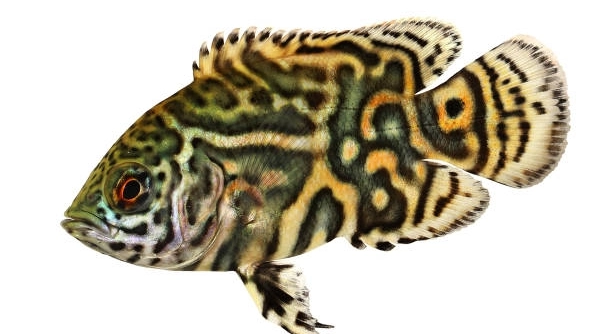
Oscar fish are known for their vibrant personalities, but sometimes they can hide their discomfort, making it harder for owners to notice when something is wrong. It’s important to recognize these signs early for their well-being.
Oscar fish may display subtle signs of discomfort, which can be easy to overlook. These signs often include changes in behavior, appearance, or feeding patterns. Observing your fish closely and maintaining a healthy environment is crucial to their health.
Understanding the signs of discomfort will help you better care for your Oscar fish and prevent further issues. Keep reading to learn how to recognize these hidden signals.
Changes in Swimming Patterns
Oscar fish are usually active swimmers, but a shift in their swimming patterns can be a sign of discomfort. If you notice your fish swimming erratically, spending more time near the tank bottom, or staying near the surface, it might be time to investigate further. These changes could indicate stress, water quality issues, or even illness. Often, the fish may try to hide signs of discomfort, making these behavioral shifts all the more important to notice.
Watching for these signs consistently will give you a better understanding of your fish’s health. Keep in mind that Oscars are territorial, and changes in behavior may also reflect environmental stress or new tankmates.
If your Oscar fish seems to swim in circles or rub its body against objects in the tank, this could be a sign of skin irritation or infection. Be sure to check water parameters like temperature, pH, and ammonia levels to rule out poor water conditions. Maintaining a stable and clean environment is key to preventing stress in your Oscar.
Changes in Appetite
A sudden drop in appetite can be a significant indicator that something is wrong with your Oscar fish. This could be due to illness or environmental stress.
If your fish refuses food for a prolonged period, it’s important to look for other signs of discomfort. Oscars are known for their hearty appetite, so any change in feeding habits should not be ignored. In some cases, they may stop eating due to water quality issues, tank overcrowding, or stress from other fish.
Abnormal Fins and Tail Movement
If your Oscar’s fins or tail are not moving as they normally do, it can indicate discomfort or pain. Oscars rely on their fins for balance and movement, so any abnormal behavior, like clamped fins or an inability to move properly, is a cause for concern.
Sometimes, this could be linked to physical injury, a possible infection, or water quality issues. It’s important to carefully observe if the fins appear to be tattered or frayed, which might suggest the presence of parasites or bacterial infections.
In severe cases, Oscar fish may experience fin rot, which causes their fins to decay and lose their natural appearance. If you notice any changes, it’s essential to address the issue immediately. Ensure the water quality is optimal and seek veterinary advice if the condition doesn’t improve within a few days.
Skin Color Changes
Oscar fish are known for their vibrant skin color, so any sudden fading or discoloration can be a sign of stress or illness. A change in color, especially if it happens quickly, should not be ignored.
Stress from poor water conditions or overcrowding can cause Oscars to lose their natural color. In some cases, a shift in color may also indicate an underlying health problem, like a parasitic infection or internal issues. If the color change persists, investigate the water quality and any potential tank stressors.
Some changes in color may be temporary and linked to environmental shifts, but if your Oscar remains dull or pale for an extended period, it may require medical attention. Addressing the root cause will help restore their vibrant appearance and well-being.
Labored Breathing
Labored breathing in Oscar fish can signal stress or a respiratory issue. If your Oscar is breathing rapidly or gulping air at the surface, it’s a clear sign that something isn’t right. This could be caused by poor water conditions, such as low oxygen levels or high ammonia.
If your fish appears to be gasping or swimming near the surface more than usual, check the water parameters immediately. A water change may be necessary, and you might need to adjust the filtration or aeration. Constant labored breathing can also indicate an infection, requiring professional attention.
Hiding More Than Usual
Oscar fish are generally bold, but excessive hiding can be a sign of discomfort. If your Oscar is frequently retreating to corners or behind objects, it may be trying to avoid stressors or pain.
Stress from tank mates or changes in water quality can cause this behavior. It’s important to make sure the tank environment is stable and the fish have enough space. If the hiding continues, consider observing other symptoms and seek a solution to avoid further distress.
FAQ
What are the most common signs of discomfort in Oscar fish?
Common signs include abnormal swimming patterns, such as erratic movements or staying in one area of the tank. Changes in appetite, clamped fins, or changes in skin color are also typical indicators that your Oscar may be uncomfortable or unwell. Regular observation is key.
How can I tell if my Oscar fish is stressed?
Stress in Oscar fish often shows up as behavioral changes, including hiding more than usual, erratic swimming, or reluctance to eat. Stress may be caused by poor water conditions, overcrowding, or aggressive tankmates. Monitor water quality and make adjustments if needed.
Can poor water quality cause my Oscar fish to hide?
Yes, poor water quality is one of the most common reasons for Oscar fish hiding. Oscars are sensitive to toxins like ammonia and nitrites, and if levels are high, your fish may seek refuge in corners or behind decorations. Regular water changes and proper filtration are essential to maintain a healthy environment.
What should I do if my Oscar fish stops eating?
If your Oscar stops eating, it could be a sign of illness, stress, or poor water conditions. Check water parameters like pH, ammonia, and nitrate levels. Offer a variety of food to tempt them, and if the issue persists, consult a veterinarian.
Why is my Oscar fish breathing rapidly?
Rapid breathing in Oscar fish can indicate low oxygen levels, poor water quality, or an infection. Ensure your aquarium is well-ventilated, with proper filtration and aeration. A water change might help, and if the issue continues, consider seeking advice from an aquatic vet.
How can I prevent my Oscar from getting sick?
To prevent illness in your Oscar fish, keep the water clean and maintain proper temperature levels. Regular water testing is important, as well as providing a balanced diet. Avoid overcrowding the tank, and ensure that other fish are not causing stress.
Is it normal for Oscar fish to change color?
Yes, Oscar fish can change color due to stress, environmental changes, or health issues. If the color change is sudden or persistent, it could indicate a problem. Make sure your water quality is stable, and check for other signs of illness.
Can Oscar fish get diseases from other fish?
Yes, Oscar fish can catch diseases from other tankmates, especially if the other fish are stressed or sick. It’s important to quarantine new fish before introducing them to your tank. Regularly monitor all fish for signs of illness, and maintain a clean environment.
How do I know if my Oscar has an infection?
Signs of infection in Oscar fish include swelling, changes in skin texture, white spots, or visible lesions. A fish that is scratching against objects or has labored breathing may also be infected. Quick treatment is crucial, so consult with an aquarium professional or veterinarian if you notice these signs.
Can I add new fish to a tank with an Oscar?
Adding new fish to a tank with an Oscar requires careful consideration. Oscars can be territorial, and they may show aggression toward newcomers. It’s essential to add fish that are similar in size and temperament to reduce the risk of fighting.
What water temperature is best for an Oscar fish?
Oscar fish thrive in temperatures between 74°F and 81°F (23°C to 27°C). Keeping the water within this range will help maintain your fish’s health and reduce the risk of stress or illness. Invest in a reliable heater to ensure consistent water temperature.
How often should I clean my Oscar’s tank?
Regular cleaning is essential to maintaining a healthy environment for your Oscar. Perform partial water changes (20-30%) weekly to maintain water quality. Clean the tank decorations, filter, and substrate regularly to remove waste and prevent the buildup of toxins.
Can Oscar fish live with other species?
Oscar fish can live with other species, but care must be taken when selecting tankmates. They are large, territorial fish and may become aggressive. Choose other fish of similar size that can tolerate their behavior. Avoid small fish that might become prey.
What should I do if my Oscar is showing signs of fin rot?
Fin rot in Oscar fish can result from poor water conditions, injury, or bacterial infections. If you notice frayed or decaying fins, perform a water change immediately and check the water parameters. Consider using a bacterial treatment, and isolate the infected fish if necessary.
Why is my Oscar swimming in circles?
Oscars swimming in circles may be exhibiting signs of stress, poor water conditions, or a neurological issue. This repetitive behavior can indicate a lack of space, poor water quality, or an internal infection. Ensure the tank is clean, well-filtered, and the fish has plenty of room to swim.
Is it normal for an Oscar fish to have a cloudy eye?
A cloudy eye in Oscar fish may indicate a bacterial or fungal infection, or poor water quality. Cloudy eyes can also result from injury. Check the water quality, and if the condition persists, consider using appropriate treatments or seeking help from a veterinarian.
How can I help my Oscar fish recover from stress?
To help your Oscar recover from stress, first address the cause, whether it’s poor water quality, overcrowding, or aggressive tankmates. Maintain a clean tank with proper filtration, offer a varied diet, and make sure the fish has enough space to swim. Reducing stressors will help them recover.
Can Oscar fish get parasites?
Yes, Oscar fish can contract parasites, especially if introduced to contaminated tankmates or poor water conditions. Symptoms of parasites include abnormal swimming, scratching against objects, and changes in skin texture. Treating with appropriate medications and improving tank hygiene will help combat parasitic infections.
Final Thoughts
Oscar fish are resilient creatures, but like all aquarium pets, they are sensitive to changes in their environment. Being able to recognize signs of discomfort early can make a significant difference in their health and well-being. From poor water quality to possible infections, the key is to maintain a stable and clean environment. Regularly monitoring your tank’s conditions, including pH, ammonia, and nitrate levels, will help ensure your Oscar is living in the best possible conditions. By staying alert and making quick adjustments, you can prevent many health issues before they become serious problems.
In addition to proper water management, feeding your Oscar a balanced diet plays a major role in its overall health. Overfeeding or providing an imbalanced diet can lead to a variety of issues, such as bloating or nutritional deficiencies. Keep an eye on your fish’s eating habits, as changes in appetite are often an early warning sign of stress or discomfort. It’s also important to avoid overcrowding the tank, as this can lead to territorial disputes and heightened stress. Having the right tank size and compatible tankmates can make all the difference in keeping your Oscar happy and healthy.
Lastly, if you notice persistent or severe signs of discomfort, don’t hesitate to consult a professional. Sometimes, despite our best efforts, illnesses can occur, and expert guidance can help you navigate through treatment options. Your Oscar fish rely on you for their care, and paying attention to the small signs can go a long way in ensuring they live a long and comfortable life.

Hello,
If you enjoy the content that we create, please consider saying a "Thank You!" by leaving a tip.
Every little bit helps us continue crafting quality advice that supports the health, happiness, and well-being of pets around the world, for pets of all shapes, sizes, and species.
We really appreciate the kindness and support that you show us!