
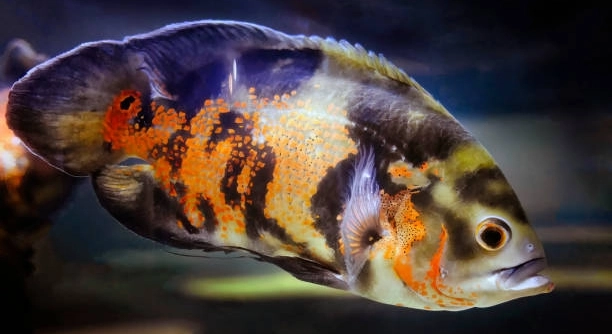
Have you ever made changes to your aquarium setup, only to notice your Oscar fish acting distant or stressed afterward?
Oscar fish are highly sensitive to changes in their environment. Alterations to tank size, filtration, decor, lighting, or water parameters can lead to stress, aggression, or even long-term behavioral issues in these territorial fish.
Even small adjustments might trigger a strong reaction, so understanding which changes matter most can help you avoid unwanted consequences.
Sudden Water Parameter Swings
Oscar fish react strongly to water changes, especially when the shift is sudden. If the temperature, pH, or ammonia levels move too far from their established range, it can cause stress or health issues. Even minor fluctuations may feel extreme to them. It’s best to introduce any change slowly. When doing a water change, match the temperature as closely as possible. Monitor ammonia, nitrite, and nitrate levels regularly and keep them stable. A reliable water testing kit is essential. Avoid using untreated tap water. Any chemicals in it may irritate or harm your Oscar fish, particularly chlorine and chloramine. When adjusting pH or hardness, do it gradually over several days. Sudden corrections can shock them. Keeping the environment steady helps reduce aggression, loss of appetite, or hiding behavior. The fewer surprises your Oscar experiences, the better they’ll behave and feel in their tank. Stability is key to their long-term comfort.
Stress symptoms might include clamped fins, loss of appetite, erratic swimming, or refusal to interact.
Consistency builds trust. When your Oscar learns that the tank remains stable, they become more relaxed and active. Sudden changes break this trust and cause confusion.
Rearranging Tank Decorations
Oscar fish remember their surroundings. Changing the placement of rocks, driftwood, or hiding spots may unsettle them. They tend to claim certain areas, treating the tank as their territory. Moving things around without warning may be seen as a disruption.
If decorations must be rearranged, do it slowly and with purpose. Avoid moving everything at once. Keep a few familiar pieces in their original place so the Oscar still feels secure. Too much change can lead to increased aggression, especially if your Oscar is already territorial. When everything looks unfamiliar, your fish may feel the need to re-establish dominance. This behavior can be hard to manage once triggered. It’s important to create a layout that balances functionality and familiarity. If you’re introducing new decorations, make sure they don’t block regular swim routes or favorite hiding places. Oscars can become frustrated if their favorite spots are no longer accessible.
Inconsistent Lighting Schedules
Oscar fish rely on a steady light cycle to feel secure. Random lighting patterns can confuse them, causing unnecessary stress and affecting their sleep cycle. Sudden lights-on or lights-off events may trigger aggression or make them retreat into hiding.
Oscars need a consistent day-night rhythm. Too much light can cause them to become overly active, while too little can lead to lethargy. Keep lights on for about 8–10 hours each day, using a timer if possible. Avoid flipping lights on suddenly in a dark room, as this startles them. If lights are turned off without a gradual dimming period, they may bump into objects. Stick to a routine that mimics a natural light cycle. This helps reduce stress, keeps their behavior steady, and maintains their appetite. When the tank lighting is dependable, your Oscar learns what to expect each day, which keeps them calm and predictable.
Oscars also benefit from a gradual transition between light and dark. If your lighting system doesn’t allow for dimming, try turning on room lights before the tank lights. This gives them time to adjust and reduces their startle response. Creating a smooth light pattern every day supports a balanced environment where your Oscar feels secure and less reactive.
Overcrowding the Tank
Oscar fish are territorial and need space to swim freely. Placing too many fish in the same tank can cause frustration and aggression. This often leads to fin nipping, chasing, or injury. It’s important to limit tankmates and avoid adding more than the tank can support.
Oscars do not tolerate crowded spaces. A single adult Oscar needs at least 55 gallons, and more space is ideal. If kept with other large fish, you’ll need significantly more room. Overcrowding limits swimming space, increases waste, and places pressure on the filtration system. This leads to faster ammonia build-up and more frequent cleaning. More fish also mean more competition for food and space, which can stress out your Oscar. The result is often hostility, especially if tankmates encroach on their preferred areas. Choose tankmates carefully, and only if your tank is large enough to support them. Giving your Oscar space helps keep the peace.
Ignoring Tank Maintenance
Skipping water changes or filter cleaning leads to poor water quality. Oscars are messy eaters, and waste builds up fast. If not removed, toxins increase and affect their health. A dirty tank makes them irritable and more likely to lash out or hide.
Unstable water quality weakens your Oscar’s immune system. They may stop eating, act sluggish, or develop skin issues. Poor maintenance affects their trust in their environment. A clean tank keeps them comfortable and responsive. Regular upkeep is not just for looks—it directly supports their well-being and behavior every day.
Switching Food Abruptly
Oscar fish can be picky, especially when they’re used to a specific type of food. Sudden changes in diet may lead to refusal to eat or spitting food out. It’s best to introduce new foods slowly, mixing small portions with what they already accept. This helps their digestive system adjust without stress. Rapid food changes can also trigger bloating or constipation. Keep their meals balanced and consistent, and try not to switch brands or types too often. A stable feeding routine keeps them healthy, relaxed, and more responsive at mealtime.
Changing Tank Location
Moving the tank to a new spot disrupts their sense of security. New sights, sounds, and activity levels can overwhelm them and cause stress-related behavior. Oscars prefer stability and routine in both their tank setup and surrounding environment.
FAQ
What is the ideal tank size for an Oscar fish?
An Oscar fish requires a minimum of 55 gallons of water when fully grown. Larger tanks are even better, especially if you plan to keep multiple Oscars or tankmates. Providing enough space ensures your Oscar can swim freely without feeling trapped. A crowded tank can lead to stress and aggression. For each additional Oscar or large fish, plan for at least 25 gallons of extra space. This allows for better water quality, a stable environment, and more room for your fish to express natural behaviors.
Can Oscars live with other fish?
Yes, but they need carefully selected tankmates. Oscars are territorial, and they don’t do well with small or slow-moving fish. Choosing larger, more robust species that can hold their own is key. Fish like cichlids or large catfish can make good companions. Avoid small fish, as they may be seen as food. Keep in mind that even compatible species may experience occasional aggression from the Oscar, especially if there is limited space. Monitoring interactions helps ensure a peaceful tank environment. Always ensure your tank is large enough for all species to thrive together.
How often should I feed my Oscar fish?
Oscar fish should be fed once or twice a day. They are carnivores and can eat a variety of foods, such as pellets, frozen food, and live prey. However, overfeeding is a common mistake that can lead to obesity or poor water quality. Give them only what they can eat in about 2-3 minutes, and avoid feeding them too much at once. They are known to be voracious eaters, but it’s important to keep a balanced diet and avoid overfeeding, as this can affect both their health and the condition of your tank.
What is the best food for Oscar fish?
Oscar fish thrive on a varied diet of high-quality pellets, frozen or live food, and occasional vegetables. You can feed them foods like earthworms, shrimp, or small fish, along with vegetable matter like peas or spinach. A diet rich in protein helps them grow strong, but it’s equally important to balance it with plant-based foods. This balance supports their digestive health and provides the necessary nutrients for growth and immune function. Offering different food types also helps keep them engaged and prevents boredom.
Why is my Oscar fish not eating?
If your Oscar fish is not eating, it could be due to stress, poor water quality, or health issues. First, check the water parameters to ensure they’re stable. Poor water quality is a common cause of loss of appetite. If the tank is clean and the environment is stable, stress from changes like new tankmates or a tank move could also affect their eating habits. If your Oscar still refuses to eat, consult a veterinarian to rule out any underlying health problems, such as parasites or infections.
How can I reduce aggression in my Oscar fish?
Reducing aggression in Oscar fish involves creating a stable, well-maintained environment. Ensure your tank is large enough for your Oscar to establish its own territory. Overcrowding can heighten stress and lead to fighting. Providing ample hiding spots and rearranging tank decorations every so often can also help by breaking up aggressive behaviors. Avoid sudden changes, such as altering water parameters or introducing new tankmates too quickly. Keeping tankmates that are also robust and able to defend themselves can prevent aggression.
Is it safe to keep Oscars with plants?
Oscar fish are known to be hard on plants. They may uproot or tear them apart. However, some hardy plants can survive in their tank if placed carefully. Use plants that are tougher, such as Anubias or Java Fern. These plants can be attached to rocks or driftwood instead of planted in the substrate, making it harder for your Oscar to uproot them. Providing live plants can also benefit water quality by absorbing excess nutrients, but don’t expect them to last long unless they’re well-protected.
Why is my Oscar hiding all the time?
Oscars are naturally curious but can become reclusive if they feel stressed. If your Oscar is hiding frequently, check the water quality and tank setup. Poor water conditions or too much activity in the room can cause them to retreat. Make sure the tank has enough hiding spots and that your Oscar feels secure. If there’s a lot of movement around the tank, such as from other pets or people, try to minimize it. If the hiding persists, consider any recent changes in the tank that might have unsettled your fish.
How do I prevent my Oscar from getting sick?
To prevent sickness, maintaining good water quality is the most important factor. Perform regular water changes, use a good filtration system, and test water parameters regularly. A clean, stable environment reduces stress and the risk of diseases. Feed your Oscar a balanced diet, avoid overfeeding, and make sure to remove uneaten food promptly. If introducing new fish, quarantine them first to avoid bringing in disease. Lastly, keep an eye on their behavior and health so you can catch any issues early.
What is the lifespan of an Oscar fish?
Oscar fish typically live for 10 to 15 years, but some can live even longer if properly cared for. Providing a clean, stable environment with the right tank size, water quality, and diet is essential for their long-term health. Regularly check for any signs of stress, disease, or aggression to ensure your Oscar remains healthy throughout its life. With good care, they can be a lasting and fascinating companion in your aquarium.
Final Thoughts
Oscar fish are rewarding pets, but their care requires attention and commitment. Their large size and strong personalities can make them challenging to keep, especially if you’re new to aquarium care. However, with the right environment and proper maintenance, they can thrive for many years. The key is understanding their needs and providing a stable, clean habitat that allows them to feel secure.
Regular water changes, proper filtration, and appropriate tank size are the foundation of good Oscar care. It’s important to create an environment where your Oscar feels comfortable and not stressed. They rely heavily on water quality, so maintaining the tank regularly will prevent many health issues. A spacious tank, combined with the right tankmates, can ensure that your Oscar feels at ease, allowing it to express natural behaviors. Keeping an eye on water parameters is critical, as Oscars are sensitive to changes in their environment.
Lastly, feeding your Oscar a balanced diet and monitoring their health is essential. Oscars thrive on protein-rich food, but they also need a variety of nutrients. Avoid overfeeding to keep their weight in check and prevent water quality issues. By keeping a routine and maintaining their habitat, you’ll enjoy a healthy, active Oscar for many years. With patience and dedication, your Oscar can become a long-term companion, offering you a glimpse into the fascinating world of aquarium life.

Hello,
If you enjoy the content that we create, please consider saying a "Thank You!" by leaving a tip.
Every little bit helps us continue crafting quality advice that supports the health, happiness, and well-being of pets around the world, for pets of all shapes, sizes, and species.
We really appreciate the kindness and support that you show us!