
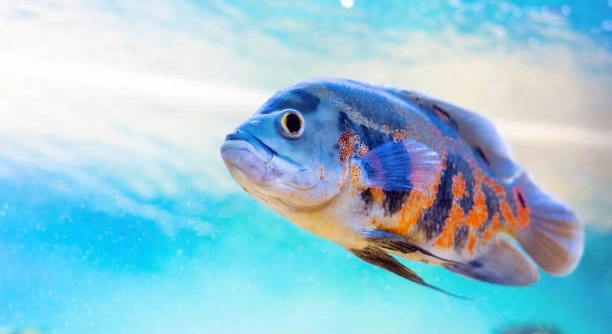
Oscar fish are known for their vibrant personalities, but their mood swings can sometimes leave owners scratching their heads. Understanding the causes behind these shifts and knowing how to address them can help keep your fish happy and healthy.
Oscar fish mood swings are commonly linked to environmental stressors such as water quality, tank size, and diet. Adjusting factors like water temperature and providing proper tank mates can significantly reduce the frequency of these mood changes.
There are several ways to manage and reduce your Oscar fish’s mood swings, ensuring a more stable and peaceful aquarium environment.
1. Water Quality Matters
Oscar fish are sensitive to changes in their environment, and water quality plays a huge role in their mood. Poor water conditions can cause stress, making your fish more likely to display erratic behavior. Ammonia and nitrate levels can build up quickly in an aquarium if not monitored. This can lead to harmful conditions for your fish. Keeping the water clean and stable is essential for their well-being.
Regular water changes are one of the most important steps in maintaining good water quality. It helps eliminate toxins and replenish minerals that your Oscar fish need. It’s also crucial to use a good filtration system to keep the water circulating and clean. Testing your water weekly ensures that the ammonia, nitrate, and pH levels are balanced and within the proper range for Oscar fish.
Water quality directly impacts your Oscar fish’s behavior. By maintaining a clean and stable environment, you can prevent the mood swings that come from poor water conditions. A little care can go a long way in keeping your Oscar fish calm and happy.
2. Proper Tank Size and Setup
One of the main reasons Oscars become stressed is living in a tank that is too small. Oscars can grow quite large, up to 18 inches in some cases, and they need space to swim and explore. A cramped tank can make them feel confined, leading to aggression and anxiety.
A tank that holds at least 75 gallons is ideal for one Oscar fish. Larger tanks are better, especially if you plan to add other fish. The setup should include plenty of hiding spots and places to swim freely. Rocks, plants, and caves offer shelter and help your fish feel secure. Oscars are territorial, so giving them enough space is key to reducing tension and erratic behavior.
If you’re unsure about the ideal setup for your Oscar fish, researching their needs based on their size and nature is essential. Providing them with a comfortable, spacious tank can greatly reduce stress and mood swings. Always aim for a balanced aquarium that allows your fish to thrive.
3. Tank Mates Can Influence Their Mood
Oscar fish are territorial and can become stressed if housed with incompatible tank mates. When choosing other fish to live with them, it’s important to consider their size, temperament, and behavior. Aggressive or overly timid fish may trigger aggression in your Oscar, causing fluctuations in their mood.
Make sure to choose tank mates that are equally robust and able to handle an Oscar’s size and strength. Avoid small or docile fish that could be seen as prey, as Oscars may become more aggressive if they feel threatened. It’s also important to monitor how your Oscar reacts when introduced to new tank mates. If they show signs of stress or aggression, you may need to separate them. Properly selecting tank mates will reduce the likelihood of your Oscar experiencing mood swings related to social dynamics.
Pairing your Oscar fish with compatible tank mates allows them to feel secure in their environment. Avoid overcrowding and ensure there is enough space for everyone. Proper social dynamics are essential to keeping your Oscar’s mood steady.
4. Feeding Schedule and Diet Impact Mood
Oscar fish can be very particular about their diet. If they are underfed or given poor-quality food, it can directly affect their mood. A consistent feeding schedule and a varied diet will keep them satisfied and healthy.
Providing your Oscar with a balanced diet is crucial. They thrive on a mix of high-protein foods, like pellets, shrimp, and small fish. It’s important to feed them the right amount; overfeeding or underfeeding can cause stress. Make sure to remove any uneaten food to maintain water quality. Stick to a routine and feed them at the same time every day.
Oscar fish that are well-fed and provided with the right nutrition will be less likely to experience mood swings. A healthy diet keeps them strong and content, reducing the chances of stress or aggression due to hunger or poor food quality.
5. Water Temperature Stability
Oscars prefer warm water, typically between 74°F and 81°F. Fluctuations in temperature can stress them, leading to mood changes and even health problems. Keeping the water temperature steady is crucial for your fish’s well-being.
Investing in a good aquarium heater can help maintain a stable water temperature. Regularly check the thermometer to ensure the water doesn’t get too hot or too cold. Temperature swings can cause stress, making your Oscar more prone to aggression and anxiety. Maintaining consistency in water temperature provides a stable environment for your fish, reducing the chance of mood swings.
By controlling the temperature, you are helping your Oscar feel more at ease in its environment. This stability can reduce stress and ensure your fish remains calm and healthy.
6. Regular Tank Maintenance
A clean tank is essential for your Oscar’s happiness. Regular maintenance ensures that harmful toxins like ammonia and nitrates don’t build up, which can contribute to stress and health issues.
Make sure to clean the filter and check the water parameters regularly. Perform partial water changes at least once a week to maintain a healthy environment. A well-maintained tank will help keep your Oscar fish in a stable mood and prevent mood swings caused by poor water quality. Proper tank care reduces the chance of stress-related problems and supports your fish’s overall health.
7. Avoiding Sudden Changes
Oscars do not handle sudden changes well. Whether it’s a drastic change in water parameters or a sudden movement in their environment, these abrupt alterations can lead to stress and aggression.
Consistency is key. Avoid rearranging decorations or making major changes to their tank without giving them time to adjust. Keeping things stable will help your Oscar feel secure. When introducing new equipment or changing the tank setup, do so gradually to allow your fish to acclimate.
FAQ
What causes Oscar fish mood swings?
Oscar fish mood swings are often caused by environmental stressors such as poor water quality, improper tank size, and incompatible tank mates. Fluctuations in temperature, an unbalanced diet, or changes in their environment can also contribute to their mood swings. Oscars are sensitive to their surroundings, and any change that disrupts their comfort can cause aggression or anxiety.
How can I reduce Oscar fish aggression?
Reducing Oscar fish aggression begins with providing a proper tank size and carefully selecting tank mates. Oscars are territorial, so housing them in a tank that is too small or with aggressive fish can lead to stress. Providing plenty of hiding spaces and avoiding overcrowding also helps. Additionally, maintaining stable water conditions and sticking to a regular feeding schedule can reduce aggression by keeping the fish calm and content.
Is overfeeding my Oscar fish a problem?
Overfeeding can lead to water quality issues as excess food decomposes, causing ammonia spikes. It can also cause health problems for your Oscar, such as obesity or digestive issues. Oscars tend to overeat when offered too much food, so it’s important to feed them the right amount. Stick to a feeding schedule and remove any uneaten food after 5–10 minutes. This helps maintain water quality and ensures your Oscar fish remains healthy.
How can I tell if my Oscar fish is stressed?
Signs of stress in Oscar fish include erratic swimming, rapid gill movement, loss of appetite, and hiding more than usual. They may also display a darker or lighter color than usual, or they might become more aggressive toward other tank mates. Stress can also cause your Oscar to become lethargic or show signs of injury from excessive rubbing against tank decorations. Monitoring water quality, temperature, and tank mate compatibility is crucial to prevent stress.
Do Oscar fish need a heater?
Yes, Oscar fish thrive in warmer water, usually between 74°F and 81°F. A heater is essential to maintain a stable temperature in your tank, especially if you live in an area where the room temperature fluctuates. Without a heater, temperature drops or spikes can cause stress, leading to potential mood swings or health issues for your Oscar. Make sure to use a reliable heater and thermometer to ensure the water stays within the proper range.
Can I keep multiple Oscar fish together?
It’s possible to keep multiple Oscar fish together, but only if you have a large enough tank—at least 100 gallons or more. Oscars can be aggressive, especially with other Oscars, so it’s important to give them plenty of space. Keeping multiple Oscars together can be successful if you provide enough hiding spots and avoid overcrowding. Be prepared to separate them if aggression becomes a problem.
Why does my Oscar fish keep hiding?
Hiding can be a sign of stress, illness, or an issue with tank mates. If your Oscar fish is constantly hiding, it could be feeling threatened by other fish in the tank or reacting to poor water quality. Check the water parameters, ensure the tank is appropriately sized, and observe how other fish are behaving around your Oscar. If the hiding continues, check for signs of disease and make sure your Oscar is not being bullied by other tank mates.
How often should I feed my Oscar fish?
Oscar fish should be fed once or twice a day, depending on their age and size. Young Oscars tend to eat more frequently, while adults may require only one meal a day. Offering a varied diet of pellets, live food, and occasional treats helps keep them healthy. Be sure to remove any uneaten food after a few minutes to maintain water quality.
What is the best diet for Oscar fish?
The best diet for Oscar fish includes a mix of high-quality pellets, live or frozen foods like shrimp, worms, and small fish, and the occasional vegetable for added variety. Oscars are omnivores, so providing both protein and plant-based foods ensures balanced nutrition. Avoid feeding them too much fatty food, and always ensure food is appropriately sized for their mouth.
How can I prevent my Oscar fish from becoming territorial?
Reducing territorial behavior in Oscar fish can be challenging, but proper tank setup and tank mate selection can help. Ensure your Oscar has enough space to claim its territory without feeling overcrowded. Adding rocks, caves, and plants will give your Oscar places to hide and reduce aggression. If keeping multiple Oscars, a larger tank (100 gallons or more) is essential to give them enough room to spread out. Avoid introducing new fish frequently, as this can trigger territorial behavior.
Final Thoughts
Oscar fish are fascinating creatures with unique personalities, but they can also be a bit challenging to care for due to their mood swings. Understanding the factors that affect their behavior, such as water quality, tank size, and social dynamics, is essential for keeping them healthy and happy. When you take the time to monitor their environment and make the necessary adjustments, your Oscar will be less likely to experience mood swings. This means paying attention to the little things, like maintaining stable water conditions, providing the right tank mates, and feeding them a balanced diet.
While Oscar fish are not the easiest species to care for, they can be incredibly rewarding. By ensuring that their tank is properly set up and that their needs are met, you can reduce stress and improve their overall well-being. The key is consistency. Keeping the water temperature stable, maintaining proper filtration, and avoiding sudden changes in the tank environment will go a long way in preventing mood swings. With these simple practices, you can create a stable environment where your Oscar feels secure and comfortable.
At the end of the day, every Oscar fish is different, and their behavior may change based on various factors. It’s important to stay observant and be patient as you learn more about your fish’s individual needs. As long as you prioritize their health and comfort, you can enjoy having a peaceful, happy Oscar fish that brings life and color to your tank. By keeping things simple and staying consistent with care routines, you’ll see a positive impact on their mood and behavior over time.

Hello,
If you enjoy the content that we create, please consider saying a "Thank You!" by leaving a tip.
Every little bit helps us continue crafting quality advice that supports the health, happiness, and well-being of pets around the world, for pets of all shapes, sizes, and species.
We really appreciate the kindness and support that you show us!