
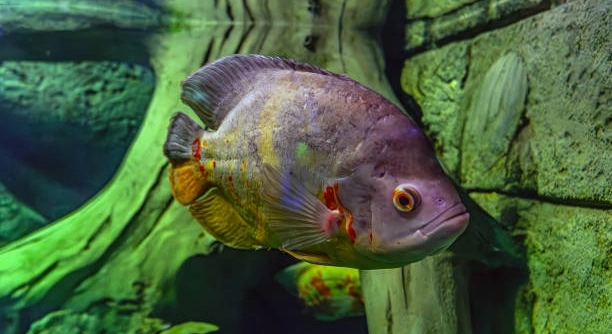
Oscar fish are fascinating creatures, but sometimes they can act a little strange. If your Oscar fish seems to be avoiding the surface of the water, you might be wondering why. There are a few reasons for this behavior.
The most common reason your Oscar fish is avoiding the surface is due to water quality issues. Poor water conditions, such as high ammonia or low oxygen levels, can make them reluctant to swim near the top.
This article will discuss the different factors that could be causing this behavior and provide tips on how to improve the conditions for your Oscar fish.
Poor Water Quality
Oscar fish are sensitive to water conditions, and poor water quality is often the main reason for their behavior. High levels of ammonia, nitrites, or nitrates can make the fish uncomfortable, causing them to avoid the surface. Dirty water can also reduce oxygen levels, which makes it harder for them to breathe. If your fish’s water is not properly filtered or cleaned regularly, these harmful substances can build up. Low oxygen levels can make your fish less active and even cause them to spend more time at the bottom of the tank or avoid the surface entirely.
Testing the water regularly for ammonia, nitrites, and nitrates is important. You can also check the oxygen levels using an aquarium oxygen test kit.
Make sure to clean your tank regularly and change a portion of the water every week. A proper filtration system can help keep the water quality in check and reduce the risk of these harmful substances building up. In some cases, adding an air pump to increase oxygen flow can also help.
Tank Temperature
Another factor affecting your Oscar fish is the tank temperature. These fish prefer water between 75°F and 80°F (24°C to 27°C). If the temperature drops too low or fluctuates too much, your fish may become stressed and avoid the surface. Cold water holds less oxygen, which could make it harder for your Oscar to breathe properly.
Maintaining a consistent temperature is essential. A reliable aquarium heater will help keep the water within the ideal range.
Stress or Illness
Stress is a common reason why Oscar fish avoid the surface. They are easily stressed by changes in their environment, such as loud noises, tank mates, or sudden changes in water conditions. Illnesses can also make them less active and more likely to hide at the bottom.
If your fish is stressed, it may swim erratically or hover at the bottom. Stress can lead to weakened immune systems, making your fish more vulnerable to diseases. An unhealthy fish is less likely to swim near the surface where oxygen is more abundant.
Addressing the stress factors in your tank is important. This could mean removing aggressive tank mates or providing more hiding spaces. If your Oscar seems sick, observe for any signs of illness, such as unusual swimming behavior, color changes, or loss of appetite. Treating the illness quickly can help your fish recover and return to its normal behavior.
Tank Size and Space
Oscar fish grow large and require plenty of space to swim. A cramped tank can cause stress and make them more likely to avoid the surface. These fish are active and need room to explore. If the tank is too small, they may feel confined and uncomfortable.
A minimum of a 75-gallon tank is recommended for a single Oscar fish. If you have multiple Oscars or other large fish, you may need an even larger tank. A spacious tank ensures that your Oscar can swim freely without feeling restricted. Proper tank size can also improve water quality and oxygen levels, which benefits your fish’s overall health.
Providing your Oscar with enough space is essential for its well-being. A larger tank gives the fish room to grow and feel secure, reducing stress. It also improves their ability to interact with their environment, leading to a more natural and healthy behavior.
Water Temperature Fluctuations
Fluctuations in water temperature can stress Oscar fish, causing them to avoid the surface. Sudden changes in temperature, even small ones, may trigger discomfort. If the temperature is too low or too high, your fish may stay near the bottom where it’s more stable.
Make sure the water temperature remains consistent, ideally between 75°F and 80°F (24°C to 27°C). Avoid placing the tank near windows, heaters, or air conditioning units, as these can cause temperature fluctuations. A reliable aquarium heater can help maintain a steady temperature, preventing unnecessary stress on your Oscar fish.
Feeding Habits
Oscar fish are aggressive eaters, and their feeding habits can influence their behavior. If they are overfed or underfed, it can lead to stress or health issues that affect their activity level. Overfeeding may also contribute to poor water quality, which in turn impacts the fish’s behavior.
Feeding your Oscar the right amount is crucial. Offering too much food can cause water quality problems and lead to health issues like constipation or bloating. Stick to a consistent feeding schedule, providing small amounts of food that your Oscar can consume within a few minutes. Regular feeding routines help keep the fish healthy and active.
Tank Maintenance
Neglecting regular tank maintenance can lead to poor water conditions, which might cause your Oscar to avoid the surface. Clean your tank regularly, checking the filter and replacing it as needed. This will ensure water quality is maintained, helping your fish stay healthy and active.
Keeping the tank clean helps to reduce the buildup of harmful toxins like ammonia and nitrates. Regular water changes are key to maintaining a stable and healthy environment for your Oscar fish. Check the water quality weekly to catch any issues early and prevent stress.
FAQ
Why is my Oscar fish not swimming at the top of the tank?
If your Oscar fish is not swimming at the top, it could be due to several reasons, such as poor water quality, stress, or illness. Water with high levels of ammonia, nitrates, or low oxygen can make your fish reluctant to swim near the surface. Also, fish suffering from illness or stress may avoid areas where they feel more vulnerable, including the top of the tank.
How do I fix low oxygen levels in my Oscar fish tank?
Low oxygen levels can be fixed by improving water movement. You can add an air pump or increase the flow of your filter to oxygenate the water more effectively. Another option is to use a sponge filter, which helps distribute oxygen throughout the tank. Regular water changes also help increase oxygen levels.
What is the ideal water temperature for my Oscar fish?
Oscar fish thrive in water temperatures between 75°F and 80°F (24°C to 27°C). Too cold or too hot water can stress them out and make them less active. Consistency is important, so avoid sudden fluctuations in temperature, which could lead to health problems for your fish.
How often should I clean my Oscar fish tank?
Oscar fish tanks should be cleaned regularly to maintain water quality. It’s important to perform partial water changes at least once a week, removing 20-30% of the water. Clean the filter every month or as needed, and check for any buildup of waste in the tank to prevent poor water conditions.
Why does my Oscar fish hide at the bottom of the tank?
Hiding at the bottom could be a sign that your Oscar is stressed, unwell, or dealing with poor water quality. It may be trying to avoid bright lights or other fish in the tank. Monitor the water parameters and check for any signs of illness. If no improvement occurs, consider consulting a vet.
Can overfeeding cause my Oscar to avoid the surface?
Yes, overfeeding can lead to poor water quality, which can make your Oscar fish uncomfortable and less active. Excess food left in the tank breaks down and pollutes the water, lowering oxygen levels. Stick to a feeding schedule, providing small amounts of food that your fish can finish within a few minutes.
Is it okay for Oscar fish to share a tank with other fish?
Oscar fish can be aggressive, so it’s important to choose tank mates carefully. Larger, non-aggressive fish, such as plecos or certain types of catfish, can usually cohabit with Oscars. However, smaller or more peaceful species might get bullied. Always monitor the behavior of all fish in the tank.
How do I know if my Oscar fish is stressed?
Signs of stress in Oscar fish include hiding, erratic swimming, lack of appetite, or changes in coloration. Stress can also cause your fish to breathe more rapidly or avoid areas where they usually swim, like the surface. If you notice any of these signs, check the water quality and environment to identify the cause.
Can water changes help my Oscar fish swim better?
Yes, regular water changes can improve water quality, which in turn may encourage your Oscar to swim more actively. Clean water helps remove harmful toxins and maintain proper oxygen levels, making the environment more comfortable for your fish. Always test the water before and after changes to ensure stability.
Is it necessary to use an air pump in an Oscar fish tank?
While air pumps are not strictly necessary, they can help maintain good oxygen levels in the tank, especially in tanks with low water movement. If your filtration system doesn’t provide enough circulation or aeration, an air pump can make a big difference in the water’s oxygenation and your fish’s activity level.
How big of a tank does my Oscar fish need?
Oscar fish need a large tank to thrive. A minimum of 75 gallons is recommended for one Oscar. If you have more than one, or plan to keep other large fish, the tank size should increase. A larger tank provides enough space for swimming and helps maintain water quality.
Why does my Oscar fish swim upside down or on its side?
Swimming upside down or on its side can be a sign of a swim bladder disorder or other health issues. This could be caused by overfeeding, stress, or an infection. If the behavior persists, consult with an aquatic veterinarian for proper diagnosis and treatment.
How can I tell if my Oscar fish is sick?
Sick Oscar fish may exhibit signs such as a loss of appetite, unusual swimming patterns, changes in coloration, or visible lesions on their body. It’s important to observe the behavior and physical appearance of your fish closely. If you suspect illness, take action quickly to prevent it from spreading.
What is the best type of food for an Oscar fish?
Oscar fish are carnivorous, so a diet of high-quality pellets or frozen foods like shrimp, worms, and fish fillets works well. You can also offer live food occasionally, but avoid overfeeding. A balanced diet with the right nutrients will help keep your Oscar healthy and active.
Can stress affect my Oscar fish’s immune system?
Yes, stress can weaken your Oscar fish’s immune system, making it more susceptible to diseases. Continuous stress from poor water quality, overcrowding, or tankmates can compromise your fish’s health. Reducing stress factors and improving its environment will help boost its immune response and overall well-being.
Final Thoughts
Oscar fish are strong and resilient creatures, but like all fish, they rely on specific conditions to stay healthy and active. If your Oscar is avoiding the surface, it’s usually a sign that something in the environment isn’t quite right. Most of the time, issues like poor water quality, temperature fluctuations, or stress are the cause. Once you figure out the problem, taking action can quickly improve your fish’s behavior and well-being.
To address the issue, it’s important to maintain good water quality by performing regular water changes, testing for ammonia, nitrites, and nitrates, and ensuring your filtration system is working properly. If oxygen levels are low, consider adding an air pump to increase water movement. Maintaining a consistent temperature in the tank is just as crucial, so avoid sudden drops or spikes in temperature. Keeping your tank clean and free from waste can prevent the buildup of harmful toxins, which can lead to more serious problems down the road.
Remember, Oscar fish are also sensitive to stress. Tank mates that are too aggressive, overcrowding, or sudden changes in their environment can make them feel unsafe. Give your fish plenty of space to swim, and make sure the tank is set up to mimic their natural habitat as much as possible. By addressing these factors, you can help your Oscar fish thrive, keeping them happy and active in your aquarium.

Hello,
If you enjoy the content that we create, please consider saying a "Thank You!" by leaving a tip.
Every little bit helps us continue crafting quality advice that supports the health, happiness, and well-being of pets around the world, for pets of all shapes, sizes, and species.
We really appreciate the kindness and support that you show us!