
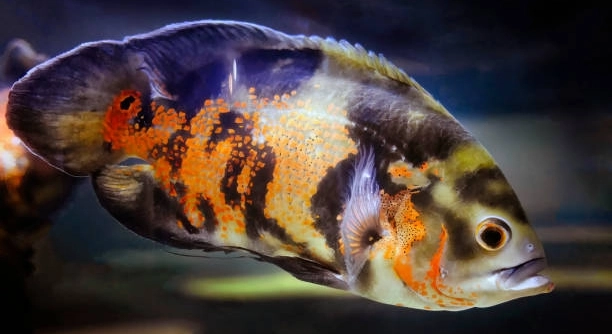
Is your Oscar fish spending more time behind the heater than exploring its tank or interacting with its surroundings lately?
Oscar fish often hide behind the heater due to stress, poor tank conditions, or the need for warmth. Inadequate hiding spots, aggressive tank mates, or water quality issues can trigger this behavior and impact overall well-being.
This behavior might seem small, but it can reveal bigger issues with your fish’s environment and comfort.
Common Reasons Your Oscar Fish Is Hiding
Oscar fish often hide when they feel unsafe or stressed. If the tank is too small, overcrowded, or lacks proper hiding spots, your Oscar may seek comfort behind the heater. Sudden changes in water temperature or poor water quality can also play a big role. Ammonia spikes or unbalanced pH levels may cause discomfort, and your fish will retreat to spots it feels are more stable. Loud noises or quick movements outside the tank can also be stressful. Sometimes, a new tank mate or rearranged decorations can make an Oscar fish act differently, hiding more than usual. These fish are also sensitive to their environment, and even small changes can cause a noticeable shift in behavior. It’s important to check for signs of illness, too, such as lack of appetite or faded colors, which often come with stress-related hiding. Keep a close eye on the tank setup and conditions.
Hiding doesn’t always mean something serious, but it’s usually a sign that something in the tank needs attention.
Try to observe when the hiding happens. Is it after a water change? Is there a new fish in the tank? These patterns can help narrow down the cause. Testing the water and adjusting the setup can often fix the issue.
How to Help Your Oscar Feel Secure
Make sure your Oscar has a stable and well-maintained environment with consistent water quality and proper filtration.
Start by checking the water parameters. Test for ammonia, nitrites, nitrates, and pH levels. Oscars do best in slightly acidic to neutral water, with temperatures around 74–81°F. If the heater is faulty or fluctuating, it could cause stress. Use a reliable aquarium thermometer to monitor the water temperature closely. Next, assess the tank size and layout. Oscars need space—at least 55 gallons for a single adult—and plenty of hiding places like rocks, driftwood, or large decorations. Avoid adding too many tank mates, especially aggressive or fin-nipping species. These can make your Oscar feel threatened and lead to more hiding. Try reducing loud noises or sudden movements around the tank. Keep a regular feeding schedule, and offer a variety of foods to support health. If your Oscar is new to the tank, give it time to adjust. Gentle lighting and a calm environment will help build trust and reduce hiding.
When Hiding Is a Sign of Illness
Hiding can sometimes point to health issues. If your Oscar is also refusing food, breathing heavily, or showing faded colors, there may be more going on than stress or fear. Watch for signs of parasites, infections, or injury.
Look for white spots, clamped fins, bloated belly, or unusual swimming patterns. These can indicate illnesses like ich, internal parasites, or bacterial infections. If you notice any of these signs, act quickly. Isolate the fish if necessary and consider treatment based on symptoms. Maintain clean water and avoid overcrowding, as poor conditions can make illnesses worse. Medications should match the symptoms—don’t use random treatments. It’s also important to reduce stress during recovery, so limit changes in the tank and handle the fish as little as possible. Always follow dosing instructions carefully when using any fish medication, and remove carbon filters, as they can absorb treatments from the water.
Sometimes, hiding continues even after treating visible symptoms. In these cases, check if there are lingering problems with the water quality or environment. Long-term stress can suppress the immune system, so your Oscar might need extra time to recover. Keep the tank quiet and calm. Offer high-quality food and try to improve tank enrichment without overstimulating the fish.
When Hiding Is Just Normal Behavior
Oscars are known to be moody and intelligent. Sometimes, they simply prefer a quiet spot, especially if they’re adjusting to changes or just not feeling active. Hiding may be a normal behavior if it doesn’t come with other warning signs.
New Oscars often hide as they get used to their tank. Even established ones may do this occasionally, especially after a water change, a shift in lighting, or during breeding cycles. It’s common for them to pick one spot—like behind the heater—as a safe retreat. If your Oscar still eats well, swims normally when it’s out, and shows no signs of illness, it’s likely just taking some time to rest or feel secure. Try offering food near its hiding spot to encourage movement. Keep the environment stable, and avoid making too many changes at once. With patience, your Oscar will probably come back out on its own.
Environmental Fixes That Can Help
Add more hiding spots like large rocks, clay pots, or driftwood. This helps your Oscar feel safe without needing to stay behind the heater. Spread out decorations to create zones your fish can explore or retreat to when needed.
Keep the tank in a quiet area away from heavy foot traffic and loud noises. Oscars can react strongly to sudden movements or vibrations. Use a background on the tank to block out distractions and create a calmer environment that encourages your fish to stay visible.
Things to Avoid Doing
Avoid moving or poking the heater to get your Oscar out. This will only increase stress and may even cause injury. Don’t add medications unless you’re sure your fish is sick. Random treatments can harm the tank’s balance and make things worse for a healthy but stressed fish.
Final Note Before You Act
Sometimes, doing less is more. Watch patiently, keep the tank stable, and let your Oscar regain its comfort on its own.
FAQ
Why does my Oscar fish only hide during the day?
Oscars sometimes hide more during the day if the lighting is too bright or harsh. In the wild, they’re used to murky, shaded waters. Bright tank lights can make them feel exposed or unsafe. Try dimming the light or using floating plants to soften it. If your fish becomes more active when the lights are off, that’s usually a good clue that the lighting is the issue. Keeping the lights on a timer and following a regular day-night cycle can help your Oscar adjust and feel more secure during the day.
Is it normal for a new Oscar fish to hide all the time?
Yes, it’s very normal. When you bring a new Oscar home, the unfamiliar environment can feel overwhelming. Hiding is a natural way for them to cope. It may take several days—or even weeks—for your fish to come out regularly. Keep the tank quiet and avoid sudden movements around it. Offer food near the hiding spot, but don’t overfeed or crowd the tank. If water quality is good and there are no signs of illness, just be patient. Slowly, your Oscar will begin to explore more as it becomes comfortable with the new space.
Should I be worried if my Oscar fish is hiding and not eating?
Yes, you should monitor closely. While short-term hiding is fine, refusing food for more than a few days may signal a problem. Check for signs of illness like faded color, bloating, or strange swimming. Test your water for ammonia, nitrites, nitrates, and pH. Sometimes even small water imbalances can cause stress and loss of appetite. Fixing those may solve the issue. If everything seems fine but the fish still won’t eat, try offering different foods—live, frozen, or high-quality pellets. If nothing helps and the hiding continues, it may be time to consult a fish vet.
Can aggressive tank mates cause my Oscar to hide?
Yes, they definitely can. Oscars are territorial and don’t do well with overly aggressive or fast-moving fish. If your Oscar is constantly being chased or bullied, it may retreat behind the heater or into a corner. Watch for torn fins, fast breathing, or unusual swimming. Try rearranging the tank to break up territories or consider separating the aggressive fish. Oscars should have tank mates that match their size and temperament. If aggression continues, it’s often better to give your Oscar a tank of its own to reduce stress and avoid injury.
Will my Oscar ever stop hiding completely?
Most likely, yes. Once your Oscar feels secure, it should become more active and social. These fish are naturally curious and bold when they’re happy and healthy. The key is a stable, clean tank with proper lighting, good food, and low stress. Some Oscars still hide a bit out of habit or during certain times of day, but they shouldn’t spend most of their time in hiding. If yours does, go back and review the environment. Small changes often make a big difference. Give it time and try to keep things calm and consistent.
Can a heater burn my Oscar if it hides behind it all the time?
Yes, it can happen. While most aquarium heaters come with protective casings, not all do. If your Oscar is pressed against the heater too long, it might suffer burns. Look for red marks, peeling skin, or white patches on one side of the body. If you notice these signs, turn off the heater temporarily and add a guard or cover designed to prevent direct contact. Make sure the water temperature stays stable even with the cover. Some fish owners place the heater horizontally near water flow so it distributes heat better without creating hot spots.
How can I tell the difference between normal hiding and a serious problem?
The best way is to watch for changes in behavior, appetite, and appearance. Normal hiding usually comes and goes, and the fish still eats and interacts a bit. Serious hiding is often constant, with other signs like lack of eating, clamped fins, or faded color. Always test your water when behavior changes suddenly. Look at how your Oscar behaves at feeding time and how it responds to movement around the tank. If it seems very dull, stays in one spot, and ignores food for days, that’s more than just shyness and should be addressed.
Final Thoughts
Oscar fish are bold and intelligent, but they can also be sensitive to changes in their environment. When they start hiding behind the heater, it’s usually a sign that something doesn’t feel right. This behavior may seem small, but it’s worth paying attention to. It could mean your Oscar is stressed, uncomfortable, or even sick. While hiding is sometimes part of normal behavior, especially for a new or young Oscar, it should not be ignored if it continues for a long time or is paired with other signs like not eating or looking pale. Watching your fish closely and noticing patterns can help you catch problems early and keep your fish healthy.
Small changes to the tank can make a big difference. Improving water quality, reducing noise, and adding safe hiding spots are all helpful steps. Sometimes the solution is as simple as adjusting the lighting or moving the tank away from a busy area. Other times, you may need to test the water or remove a tank mate that’s causing stress. There’s no one-size-fits-all answer, but by observing your Oscar and making thoughtful changes, you can usually help it feel more secure. Remember, it’s not about forcing the fish to come out—it’s about creating an environment where it feels safe enough to do so on its own.
The key is patience and consistency. Oscars need time to settle into their surroundings and build trust. Try not to make too many changes all at once, and avoid poking around the tank just to get a reaction. Stick to a regular feeding and cleaning routine, keep the water stable, and monitor your Oscar’s behavior over time. If it hides now and then but still eats and moves normally, it may just be having a quiet day. But if the hiding becomes constant or new symptoms appear, it’s important to act. Keeping your tank in good condition and being observant will go a long way in helping your Oscar stay happy and healthy. Simple steps and steady care often make the biggest difference in the long run.

Hello,
If you enjoy the content that we create, please consider saying a "Thank You!" by leaving a tip.
Every little bit helps us continue crafting quality advice that supports the health, happiness, and well-being of pets around the world, for pets of all shapes, sizes, and species.
We really appreciate the kindness and support that you show us!