
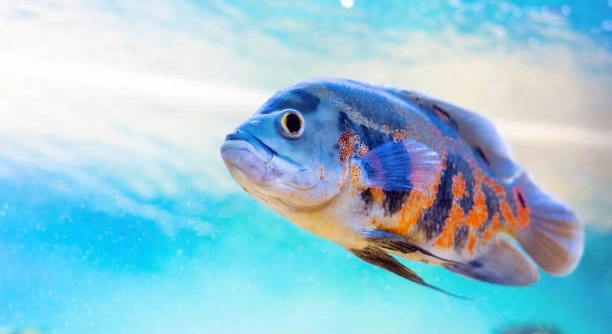
Oscar fish are fascinating creatures that thrive in aquariums, known for their intelligence and active behavior. Their environment plays a key role in their well-being, and proper care is essential for their overall health.
Oscars can adapt to a routine light cycle, as long as it is consistent and mimics natural light patterns. Gradually introducing this cycle allows the fish to acclimate, improving their sleep-wake patterns and reducing stress.
Establishing a proper lighting routine will help your Oscar fish feel more comfortable and may improve their behavior. Understanding their needs can make a significant difference in your fish’s overall happiness and health.
The Importance of Consistency in Light Cycles
When it comes to aquarium care, consistency is key. For Oscar fish, a stable light cycle helps regulate their internal clock, making it easier for them to adapt. These fish are used to natural light changes in the wild, so providing a similar environment in your tank is essential. Having a set schedule for when the lights turn on and off helps them develop a predictable pattern, which reduces stress.
This consistency in lighting can lead to healthier behavior and less anxiety. A sudden change in lighting, such as turning the lights on and off randomly, can confuse your Oscar fish, leading to changes in eating habits or activity levels. By providing a steady light schedule, your fish will feel more comfortable.
Additionally, proper lighting ensures your Oscar fish are getting the right amount of light exposure, supporting their growth and overall well-being. A routine light cycle helps regulate their sleep patterns, promoting a healthier environment. Just as you need sleep to function properly, your Oscar fish need rest to stay healthy and active.
Tips for Setting a Routine
You should set your aquarium light to be on for 10-12 hours each day.
Starting with a gradual introduction of light, perhaps for 6-8 hours, can help your fish adjust. Once your fish is comfortable, gradually extend the light cycle until reaching 10-12 hours. Over time, they’ll adapt to this schedule, which will regulate their biological rhythms.
Oscars also require darkness to sleep properly, so keeping the light off during the night is crucial. A timer can help you maintain a consistent cycle. Ensure that the light you use does not disturb the fish’s sleep by creating excessive brightness or heat. By doing this, you will not only improve their sleep but also create a more natural habitat for them to thrive in.
The Impact of Lighting on Oscar Fish Behavior
Proper lighting affects your Oscar’s behavior in more ways than you may think. A consistent light cycle encourages natural activity patterns, where the fish remain active during daylight hours and rest at night. A disrupted light cycle can cause your fish to become more stressed or agitated.
Oscars, being intelligent fish, rely on environmental cues to guide their behavior. If they experience irregular lighting, they may become confused and more prone to stress. This could result in an increase in aggression or a lack of interest in feeding. With the right light schedule, your fish will feel more secure, which can help reduce undesirable behaviors like territorial aggression.
A steady light cycle also supports their natural hunting instincts. While they are primarily nocturnal hunters in the wild, the controlled light in your aquarium helps them settle into a routine. Over time, they will become accustomed to your chosen schedule, leading to fewer stress-related behaviors and a happier fish overall.
Adjusting Light for Tank Environment
The type of light used in the tank plays a significant role in how your Oscar fish responds. Bright, harsh lights can cause stress and discomfort, while softer, more natural lighting encourages a calm atmosphere. The right type of lighting can create a peaceful environment for your fish.
It’s best to choose aquarium lights that mimic natural sunlight. LED lights are a great option as they are adjustable, energy-efficient, and provide a more consistent light output. This type of light helps in replicating the subtle light changes that occur in nature. Too much bright light can overwhelm your fish, leading to erratic movements or hiding behavior.
You should also consider the placement of the light in the tank. Positioning it near the top of the aquarium will allow for better light distribution without overpowering your Oscar fish. Combining proper light intensity and placement ensures that your fish receive enough light for their daily activities while avoiding excessive exposure that could cause stress.
Signs Your Oscar Fish is Adjusting to a Routine Light Cycle
When your Oscar fish starts adapting to a routine light cycle, you’ll notice a change in its behavior. It will likely be more active during the day and less stressed. You may also see improved feeding habits and less hiding.
As the light cycle becomes a routine, the Oscar will develop a more predictable sleep-wake schedule. A calmer, more active fish is a good indicator that the light cycle is working. However, if they start hiding more or show signs of aggression, it might be a sign that adjustments are needed.
Light Cycle and Tank Temperature
The light cycle also impacts the temperature of the tank. Aquarium lights can generate heat, which in turn affects the water temperature. Keeping the temperature stable is crucial for your Oscar’s health.
If the light is too intense, it could raise the water temperature, making the tank uncomfortable. You can monitor this by regularly checking the water temperature and adjusting the light accordingly. It’s important to maintain a temperature range that suits your fish, typically between 74°F and 80°F. The stability in both light and temperature ensures your Oscar thrives in a balanced environment.
Using Timers for Consistent Lighting
A timer is a simple but effective tool for maintaining a consistent lighting schedule. By setting a timer, you ensure that the light comes on and off at the same time every day. This eliminates the need for manual adjustments and reduces human error.
Timers are affordable and easy to use. They help you avoid overexposure to light, which could disrupt the routine. The result is a more consistent environment for your Oscar, which helps them adjust to their light cycle without added stress.
FAQ
Can Oscar fish live without a light cycle?
While Oscar fish can survive without a light cycle, it’s not ideal for their well-being. Without a consistent light cycle, their sleep-wake patterns can become disrupted, leading to stress and possible health issues. Fish need a rhythm similar to natural light and darkness to stay healthy. Without it, they might not sleep properly, affecting their behavior and appetite.
How long should the light be on for my Oscar fish?
Oscar fish should have about 10-12 hours of light per day. This matches the natural daylight cycle and ensures your fish have enough light to stay active during the day while allowing them to rest during the night. Keeping a consistent light schedule will help your fish feel more secure and comfortable.
What kind of light is best for Oscar fish?
LED lights are a great option for Oscar fish tanks. They are energy-efficient, easy to adjust, and provide consistent light. The light should be bright enough to mimic daylight but not too intense to stress your fish. Soft, natural lighting is preferable to harsh lights.
Can too much light harm my Oscar fish?
Yes, excessive lighting can harm your Oscar fish. Too much light can cause stress, disrupt their sleep cycle, and even raise the tank temperature. This leads to an uncomfortable environment for your fish. Keeping the light intensity moderate and the light cycle consistent helps maintain a stable, healthy habitat.
How do I know if my Oscar is stressed from lighting?
Signs of stress from lighting in your Oscar fish may include excessive hiding, reduced appetite, or increased aggression. If your fish are hiding more than usual or becoming overly territorial, it might be a sign that the lighting schedule or intensity is too much for them to handle. Adjusting the light cycle or intensity can help alleviate stress.
Is a timer necessary for my Oscar’s light cycle?
Using a timer for your Oscar’s light cycle is highly recommended. It ensures consistency, taking the guesswork out of turning the lights on and off at the right times. A timer also prevents overexposure to light, ensuring the cycle remains natural and stable, which is key to your fish’s health.
Can I change the light cycle gradually?
Yes, it’s best to change the light cycle gradually. Sudden changes in the light schedule can stress your Oscar fish. You can slowly adjust the duration of light exposure each day until you reach the ideal 10-12 hour period. Gradual changes allow the fish to adapt without being overwhelmed.
Should I use a night light for my Oscar fish?
It’s not recommended to use a night light in your Oscar fish tank. Oscars, like most fish, prefer complete darkness during the night to sleep properly. A night light can disrupt their sleep and affect their internal clock. It’s better to let your Oscar experience a full dark period to rest well.
Can lighting affect Oscar fish’s appetite?
Yes, improper lighting can affect your Oscar’s appetite. If the light cycle is inconsistent or too bright, your fish may become stressed, which can lead to a loss of appetite. A consistent and natural light cycle helps your Oscar feel secure and more likely to feed regularly.
How can I monitor the tank temperature affected by lighting?
You should use a reliable aquarium thermometer to keep track of the water temperature. Aquarium lights can increase the temperature, especially if they are too bright or left on for too long. Keeping the temperature within the optimal range of 74°F to 80°F is essential for your Oscar’s health. Regular monitoring helps prevent any imbalances caused by lighting.
What are the effects of inconsistent light cycles on Oscar fish?
Inconsistent light cycles can lead to various problems for Oscar fish, including stress, poor sleep, and changes in behavior. Disrupted sleep cycles affect their health and overall well-being. A predictable light schedule is crucial to keep your Oscar active and healthy. Without it, your fish may show signs of aggression, stress, and poor feeding habits.
Can I use natural sunlight for my Oscar’s tank?
While natural sunlight can provide some light for your Oscar fish, it’s not the best option. Sunlight can be too intense, causing fluctuations in temperature that can harm your fish. It also creates uneven lighting that may disrupt your fish’s routine. Artificial lighting, like LED lights, offers a more controlled and stable light source.
How can I keep the light cycle consistent while on vacation?
If you’re going on vacation, it’s best to use a timer to ensure the light cycle remains consistent. A timer will automatically turn the lights on and off at the set times, even while you’re away. This eliminates the need for manual adjustments and keeps your Oscar on a regular schedule.
What should I do if my Oscar is hiding too much during the day?
If your Oscar is hiding too much, it might be a sign that the light is too bright or the cycle is not suited to its preferences. Try reducing the light intensity or adjusting the light cycle gradually. You may also want to consider adding more hiding spots in the tank to make your Oscar feel more secure.
Is it necessary to have a dark period for my Oscar fish?
Yes, having a dark period at night is crucial for your Oscar’s health. This allows them to rest and sleep, which is necessary for their overall well-being. Fish, including Oscars, need a complete dark period to maintain a healthy sleep-wake cycle. This helps reduce stress and supports proper digestion and growth.
Final Thoughts
Maintaining a routine light cycle for your Oscar fish is essential for their well-being. Just like humans need a regular sleep schedule, your Oscar thrives with a consistent day-night rhythm. A well-planned light cycle helps your fish adjust better to its environment, improves its behavior, and reduces stress. It’s crucial to remember that stability in their habitat, including light exposure, plays a significant role in their overall health.
When setting up the right light cycle, consider factors like the type of light you’re using, the duration of the light exposure, and the intensity. Most importantly, avoid sudden changes in lighting. Gradually adjusting the light schedule will allow your Oscar to adapt smoothly without unnecessary stress. Using a timer can also be helpful to maintain a consistent light schedule. The right balance of light and dark periods will make a noticeable difference in the health and happiness of your fish.
In conclusion, Oscar fish can benefit greatly from a routine light cycle. By keeping the lighting schedule consistent and controlling the light intensity, you’ll create a more natural and comfortable environment for them. These small adjustments can lead to a healthier, happier fish, which will, in turn, lead to a more enjoyable aquarium experience for you. Understanding your Oscar’s needs and making the proper changes to their lighting routine is an easy way to ensure their well-being.

Hello,
If you enjoy the content that we create, please consider saying a "Thank You!" by leaving a tip.
Every little bit helps us continue crafting quality advice that supports the health, happiness, and well-being of pets around the world, for pets of all shapes, sizes, and species.
We really appreciate the kindness and support that you show us!