
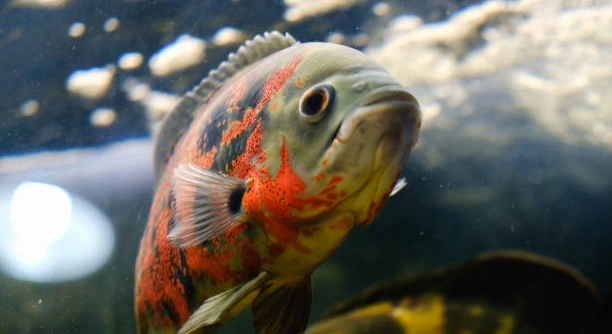
If you’ve noticed your Oscar fish floating under the lid of its tank, you might be concerned about its behavior. Fish can exhibit strange habits for various reasons, and understanding them is essential for their well-being.
Oscar fish often float under the lid due to issues such as swim bladder disease, stress, or poor water conditions. These factors can affect their buoyancy, causing them to behave abnormally. It’s important to identify and address the underlying cause.
Addressing these factors can help ensure your fish stays healthy and happy. Understanding their behavior will allow you to maintain a better environment for your Oscar fish moving forward.
Common Causes for Oscar Fish Floating Under the Lid
There are several reasons why an Oscar fish might be floating under the lid of its tank. One common cause is swim bladder disease, which affects the fish’s ability to control its buoyancy. This condition often results from overfeeding, poor water quality, or even stress. Another possibility is that your fish may be stressed, either due to overcrowding, sudden changes in the environment, or aggressive tankmates. Additionally, an imbalanced diet lacking essential nutrients can lead to buoyancy problems. The water temperature and pH levels can also play a significant role in the health of your fish. When these factors are not optimal, it can cause the Oscar to float unnaturally.
Swim bladder disease is often the main concern when an Oscar fish displays unusual floating behavior. If left unaddressed, this condition can worsen, leading to further complications such as loss of appetite or even death.
Addressing these environmental and health factors early on can help your Oscar fish recover. Regularly monitoring water conditions, maintaining a proper feeding schedule, and ensuring the tank is stress-free can make a significant difference. Understanding how these factors contribute to your fish’s well-being can prevent future issues. Taking care of these aspects will help you avoid complications that could harm your fish in the long run.
How to Treat an Oscar Fish with Swim Bladder Issues
If your Oscar fish is showing signs of swim bladder disease, it’s important to address the issue right away. Begin by adjusting its diet to avoid overfeeding and focus on high-quality pellets or live food.
To treat swim bladder disease, adjust the water temperature to an optimal level of 75-80°F, ensuring it remains stable. This can help reduce stress and promote better digestion. A water change might also be needed to maintain clean, healthy water conditions. Additionally, temporarily fasting your fish for a day or two can help reset its digestive system. Adding aquarium salt can also provide relief, but make sure to follow the recommended dosage to avoid harming the fish.
It’s important to monitor your Oscar fish’s behavior over time to ensure it’s recovering. If symptoms persist or worsen, it may be necessary to consult with a vet who specializes in fish. Early detection and treatment can often lead to a full recovery, restoring your fish’s health and buoyancy.
Stress and Its Impact on Your Oscar Fish
Stress can significantly affect your Oscar fish, causing it to float under the lid. Sudden changes in its environment, overcrowding, or aggressive tankmates can lead to elevated stress levels. In these conditions, your fish may seek refuge at the surface or near the lid.
If stress is the issue, consider making changes to your tank. Remove aggressive fish, adjust the temperature, or introduce hiding spots to give your Oscar a sense of security. Stress can also arise from improper lighting or loud noises in the room. Keeping the environment calm will help your fish thrive.
A tank that’s too small or overcrowded can contribute to stress and make the problem worse. Ensuring enough space for each fish to move freely is essential. Maintaining a peaceful environment with compatible tankmates will improve your Oscar’s well-being. If your fish is constantly stressed, it may be worth reviewing your entire tank setup and considering upgrades to improve its quality of life.
Water Quality and Temperature Matters
Oscar fish are sensitive to poor water quality, which can cause floating behavior. Dirty water, high ammonia levels, or an imbalanced pH can weaken your fish, leading to buoyancy issues.
Regular water changes, proper filtration, and monitoring water parameters are crucial in preventing this problem. Aim for a pH level between 6.5 and 7.5, with ammonia and nitrite levels at zero. The temperature should stay between 75°F and 80°F, as drastic changes can cause stress. Keep an eye on your water quality to ensure the health of your fish.
A water testing kit can help you maintain optimal conditions for your fish. Make it a habit to test the water weekly, especially if your Oscar fish is showing signs of stress or discomfort. Clean the tank regularly and remove any waste to maintain a healthy environment. Water quality is a key factor in preventing swim bladder issues and other health concerns.
Overfeeding and Its Effects on Your Oscar Fish
Overfeeding your Oscar fish can lead to swim bladder issues and floating behavior. When fish are given more food than they need, it can cause digestive problems. Excess food can also pollute the water, which impacts their health.
Feeding your Oscar the correct amount can prevent these issues. A healthy feeding schedule is essential for maintaining balance. Stick to offering food once or twice a day, ensuring it’s consumed within a few minutes. This will help maintain both your fish’s health and the water quality in the tank.
Tank Size and Space
A tank that is too small for your Oscar fish can lead to stress and health issues, such as floating under the lid. Oscars need plenty of space to swim freely.
The minimum recommended tank size for one Oscar fish is 55 gallons, but larger is better. Providing sufficient space allows your fish to grow and thrive, reducing the likelihood of behavior changes, including floating at the surface. A larger tank also makes it easier to maintain water quality, which is essential for the health of your fish.
The Role of Water Filtration
Good filtration plays a vital role in keeping the water clean and healthy for your Oscar fish. A high-quality filter can help remove toxins like ammonia and nitrates, which can contribute to floating issues.
Ensure that your filter is properly sized for your tank and works efficiently. Regularly clean the filter and replace cartridges as needed. A well-maintained filter system will help keep the water in optimal condition, reducing stress on your fish and supporting overall health.
FAQ
Why is my Oscar fish floating on its side?
Floating on its side can indicate a serious issue like swim bladder disease or an injury. If your fish is unable to swim properly, it’s often due to a problem with its buoyancy control. This may be caused by overfeeding, stress, or poor water conditions. It’s important to assess the environment and look for any signs of other health problems. If symptoms persist, consider isolating the fish to provide a stress-free space and consulting with a veterinarian.
How do I know if my Oscar has swim bladder disease?
Swim bladder disease affects the fish’s buoyancy, causing it to float sideways or have trouble swimming. Common symptoms include swimming in circles, floating to the surface, or sinking to the bottom. In some cases, the fish may swim upside down or have difficulty keeping itself upright. If your Oscar shows these signs, it’s a strong indicator that it may have swim bladder disease, often caused by overfeeding, poor water conditions, or physical damage.
Can poor water quality cause my Oscar to float under the lid?
Yes, poor water quality can lead to a range of health issues for your Oscar, including abnormal floating behavior. High levels of ammonia, nitrites, or poor oxygen levels can stress the fish and lead to buoyancy problems. Keeping the water clean and maintaining optimal levels of pH, temperature, and filtration is critical for the health of your fish. Regular water changes and testing will help keep the water in the best possible condition.
What temperature should my Oscar tank be?
Oscar fish thrive in water temperatures between 75°F and 80°F. Temperatures outside of this range can stress the fish, leading to buoyancy problems and other health issues. A stable temperature is important for overall health and can prevent the development of conditions like swim bladder disease. Using a reliable aquarium heater and thermometer will help maintain the proper water temperature.
Is it normal for my Oscar to float at the top of the tank?
While Oscars are often found near the surface, floating at the top for extended periods could indicate an issue. This behavior may be linked to swim bladder disease, stress, or poor water quality. If the fish appears lethargic, has difficulty swimming, or remains at the top for too long, it’s important to check water conditions and adjust the environment accordingly. Ensuring that the tank has enough oxygen and is free from toxins can help resolve this issue.
Can I treat swim bladder disease at home?
Yes, swim bladder disease can often be treated at home, but it depends on the severity of the condition. Start by ensuring that your Oscar is in a clean, stress-free environment with stable water conditions. Reduce the amount of food you’re giving it and feed a high-quality, easily digestible diet. Some recommend adding aquarium salt or adjusting the water temperature to support recovery. If the problem persists for more than a few days or worsens, it may be necessary to consult with a vet who specializes in fish.
What should I do if my Oscar is stressed?
If your Oscar fish is stressed, start by identifying the source of the stress. This could be caused by aggressive tankmates, overcrowding, or poor water quality. If possible, separate your Oscar from aggressive fish and ensure the tank has plenty of hiding spaces. Additionally, maintain a peaceful environment with stable temperature and water quality. Stress reduction is key for the well-being of your Oscar and will help avoid any abnormal behavior like floating at the surface.
Can overfeeding cause Oscar fish to float under the lid?
Overfeeding is one of the most common causes of floating issues in Oscar fish. When a fish consumes too much food, it can disrupt its digestion and lead to swim bladder problems. Excess food also increases waste in the tank, negatively affecting water quality, which further stresses the fish. Stick to a regular feeding schedule, offering only the amount that can be consumed in a few minutes. This will help prevent overfeeding and maintain proper buoyancy.
How can I prevent swim bladder disease in my Oscar fish?
Preventing swim bladder disease involves maintaining a stable environment with proper water quality, temperature, and feeding habits. Avoid overfeeding and ensure the fish’s diet is balanced. Regular water changes, appropriate filtration, and consistent monitoring of water parameters can prevent many health issues. Additionally, providing a stress-free environment with enough space will help your Oscar fish remain healthy and avoid buoyancy problems.
Should I fast my Oscar if it’s floating under the lid?
Fasting can be a helpful treatment for Oscar fish suffering from swim bladder disease or digestive issues. Allowing your fish to fast for 24 to 48 hours can help clear out any excess food that may be contributing to the problem. After the fasting period, you can resume feeding with smaller, easily digestible portions. Be sure to observe how your fish reacts after fasting, as this can indicate whether the issue is improving.
What are some signs of an unhealthy Oscar fish?
Signs of an unhealthy Oscar fish include floating at the top or bottom of the tank, difficulty swimming, abnormal posture, loss of appetite, and visible physical damage like sores or lesions. These symptoms can indicate several health issues, including swim bladder disease, stress, poor water quality, or injury. Regularly monitoring your fish’s behavior and appearance can help you catch problems early and provide the necessary treatment.
Can my Oscar fish recover from swim bladder disease?
Yes, with the right care, many Oscar fish can recover from swim bladder disease. The recovery process depends on the severity of the condition and how quickly it’s addressed. By adjusting water conditions, reducing stress, and offering a proper diet, you can often help your fish regain its buoyancy. If the condition doesn’t improve within a few days or worsens, seeking professional advice may be necessary to prevent further complications.
Final Thoughts
When your Oscar fish starts floating under the lid or behaves abnormally, it can be concerning. However, understanding the root causes can help you address the issue more effectively. Many factors can contribute to this behavior, such as poor water quality, overfeeding, or a lack of space in the tank. By focusing on creating a healthy environment, you can prevent these problems and improve your fish’s well-being. Keeping an eye on water parameters, ensuring proper filtration, and offering the right amount of food are essential steps in maintaining a healthy tank.
In addition to maintaining proper water quality and feeding habits, it’s important to address any physical issues your Oscar may face. Swim bladder disease, which causes floating behavior, can often be treated with a period of fasting or adjusting the water temperature. If the problem persists, consulting with an experienced aquarium professional can provide valuable guidance. By staying proactive and monitoring your fish regularly, you can catch health problems early and prevent long-term damage. It’s essential to stay informed about the specific needs of your Oscar fish to keep it healthy and happy.
Lastly, be patient with your Oscar fish as it recovers from any issues. Fish can sometimes take a bit longer to show signs of improvement. Consistent care, proper tank maintenance, and a stress-free environment will go a long way in helping your fish recover and thrive. Regularly checking the tank’s conditions and adjusting them as needed will ensure that your Oscar remains healthy in the long run. Always remember that a little effort in maintaining the right environment can prevent a range of issues and keep your fish in the best shape possible.

Hello,
If you enjoy the content that we create, please consider saying a "Thank You!" by leaving a tip.
Every little bit helps us continue crafting quality advice that supports the health, happiness, and well-being of pets around the world, for pets of all shapes, sizes, and species.
We really appreciate the kindness and support that you show us!