
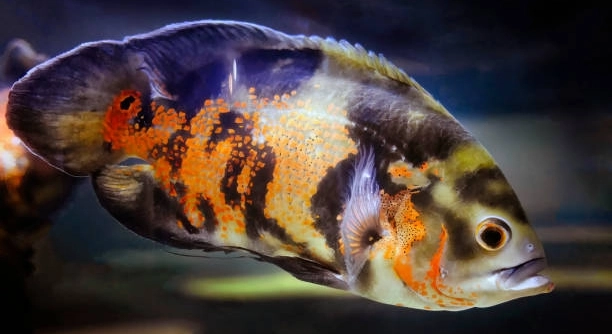
Oscar tanks are a popular choice for many aquarium enthusiasts. However, certain issues can disrupt the delicate balance that keeps them thriving. Understanding these common problems is essential for maintaining a harmonious environment for your fish.
Several factors can negatively impact Oscar tank harmony. These include poor water quality, inadequate tank size, improper tank mates, overfeeding, lack of hiding spots, improper filtration, and stress. Each of these issues can lead to significant problems for your Oscar fish.
By addressing these concerns, you can ensure a stable environment for your Oscars. Keeping their tank clean and properly maintained will reduce stress and promote a healthy, thriving ecosystem.
Poor Water Quality
Water quality is one of the most important factors in an Oscar tank. Oscars are very sensitive to changes in their environment, and poor water conditions can cause stress, illness, and even death. If your water is too dirty, your fish will suffer. Ammonia, nitrites, and nitrates are common pollutants that can build up if the tank is not properly filtered or cleaned. Keeping water quality high is essential, so regular water changes, proper filtration, and monitoring the tank’s chemical levels are necessary. An inefficient filtration system can fail to remove harmful substances, making it important to choose a filter that’s suitable for your tank size and fish type.
Maintaining clean water is vital for your Oscars. Use a test kit to regularly check the water’s pH, hardness, and chemical levels. Make water changes a routine, and don’t forget to clean the filter regularly.
You should also avoid overfeeding, as leftover food can contaminate the water. Additionally, ensure your tank has proper circulation to prevent dead spots where waste can accumulate. An optimal environment will keep your Oscar fish healthy and active.
Inadequate Tank Size
The size of your tank plays a crucial role in the overall health of your Oscars. A tank that is too small can lead to territorial behavior, stress, and poor growth. Oscars can grow large, often reaching up to 12-14 inches in length, so they require space to swim and explore. A smaller tank will not allow them to grow properly or feel comfortable.
To ensure your Oscars live a long, healthy life, invest in a tank that’s large enough for them to thrive. A tank size of at least 75 gallons is ideal for a single Oscar. The more space they have, the happier and healthier they will be.
Oscar fish need plenty of room to move and establish their own territories. If you overcrowd the tank or keep them in a tank that’s too small, they can become stressed, leading to aggression and health issues. Additionally, larger tanks are easier to maintain in terms of water quality and stability.
Improper Tank Mates
Choosing compatible tank mates is essential for maintaining a peaceful Oscar tank. Oscars are territorial and can be aggressive, especially if kept with smaller or more passive fish. Avoid pairing them with slow-moving fish or species that cannot handle stress. A good choice is other robust fish that are similar in size and temperament.
If you have Oscars in a community tank, ensure all fish are large enough to avoid being seen as prey. Even though Oscars can be kept with some other species, their natural instincts may cause them to be territorial, so monitoring their behavior is important.
Always introduce new tank mates carefully and gradually. You might want to add hiding spots to the tank to give the fish options for retreat. Keep an eye out for any signs of aggression, such as chasing or fin nipping, and be ready to separate the fish if necessary. Properly choosing tank mates will reduce stress for your Oscars.
Overfeeding
Overfeeding is a common issue in Oscar tanks. It can quickly lead to poor water quality, as uneaten food decomposes and creates harmful toxins in the tank. Oscars are opportunistic eaters and will eat as much as they can, so it’s essential to monitor their feeding habits carefully. Feed your Oscars only what they can consume in a few minutes to avoid excess food.
It’s easy to overfeed them because they tend to beg for food, but it’s crucial to stick to a regular feeding schedule. They don’t need to eat large amounts every day; two to three small feedings a day are usually sufficient. Overfeeding also leads to obesity and health problems for the fish.
Besides the negative effects on water quality, overfeeding may cause digestive issues for the Oscars, leading to constipation or bloating. If you notice your fish behaving unusually after feeding, adjust the amount of food you’re giving them. Ensuring they’re fed properly will promote better health and happier Oscars.
Lack of Hiding Spots
Hiding spots are crucial for Oscar fish. These fish are territorial and often need places to retreat when they feel stressed or threatened. Without adequate hiding spots, your Oscars may become more aggressive or anxious. Ensure the tank has enough decorations, rocks, or plants that provide them with shelter.
Adding caves or driftwood to your tank will give your Oscars a sense of security. They can retreat to these spots when needed, helping reduce stress and prevent territorial behavior. A properly arranged tank allows them to feel more comfortable, leading to healthier, happier fish.
Improper Filtration
Filtration is vital in maintaining a stable and clean environment for your Oscars. A good filtration system removes waste, excess food, and toxins, ensuring the water quality stays high. Without proper filtration, ammonia and other harmful substances can build up quickly, affecting the health of your fish.
Choose a filter that’s strong enough to handle the size of your tank and the number of fish. Oscars are messy eaters, so the filter must be efficient at removing debris. Regularly check and clean the filter to avoid clogging and ensure it operates effectively.
Stress
Stress can be caused by various factors in an Oscar tank, including poor water quality, inadequate tank size, or aggressive tank mates. When Oscars are stressed, they can become more vulnerable to illness and may even stop eating. Identifying the root causes of stress and addressing them is essential for keeping your Oscars healthy.
Ensure that your fish have plenty of space, clean water, and proper tank mates. Monitor their behavior closely for any signs of stress, such as hiding, lethargy, or fin damage. Reducing stress will improve their overall well-being and prevent health issues.
FAQ
What size tank do I need for an Oscar?
An Oscar fish needs a minimum of 75 gallons of space for one fish. If you plan to keep more than one Oscar, you should increase the size of the tank accordingly. Oscars grow large, and a smaller tank can lead to overcrowding, stress, and aggression. A larger tank also allows for better water circulation and quality, which is essential for their health. It’s better to go bigger if possible, as Oscars thrive in more spacious environments. The tank should be at least 18 inches tall to accommodate their full growth.
What should I feed my Oscar?
Oscars are carnivorous fish, and they should be fed a varied diet. A staple diet includes high-quality pellets, live or frozen foods like shrimp, worms, and small fish, and the occasional veggie like peas. Make sure the food is appropriate for their size and nutritional needs. Overfeeding can lead to health issues, so only feed them what they can consume in a few minutes, once or twice a day. You can also supplement their diet with occasional treats, but their main diet should focus on protein.
How often should I change the water in an Oscar tank?
Oscar fish require frequent water changes due to their messy eating habits. It’s recommended to change 20-30% of the water every week. You can also do smaller water changes more frequently if needed. Regular water changes help maintain water quality and remove harmful chemicals such as ammonia and nitrates, which can build up quickly. Always use a water conditioner when adding new water to avoid harmful chemicals from tap water. A good filtration system also helps reduce the amount of waste, but water changes are still necessary to keep the tank clean.
Can I keep other fish with my Oscar?
Yes, you can keep other fish with Oscars, but they should be large enough to handle their aggressive nature. Avoid small or slow-moving fish, as they may be seen as prey. Some suitable tank mates include other large, robust fish such as cichlids, catfish, and larger tetras. Make sure to monitor their behavior, as Oscars are territorial and may become aggressive towards other fish, especially if they feel crowded or stressed. Always introduce new fish slowly and provide plenty of hiding spots to minimize aggression.
How do I know if my Oscar is sick?
Oscar fish are relatively hardy, but they can still get sick. Signs of illness include loss of appetite, abnormal swimming, changes in behavior, such as increased hiding, or visible signs like faded color, swollen body, or frayed fins. If your Oscar stops eating, it may be a sign of stress, poor water quality, or a health issue. It’s important to check water parameters and make sure they’re within the proper range. If symptoms persist, it may be necessary to quarantine your fish and seek advice from a vet who specializes in fish.
How do I reduce stress in my Oscar tank?
Reducing stress is key to keeping your Oscar healthy. Ensure that your tank is large enough, has clean water, and includes plenty of hiding spots. Overcrowding, poor water quality, and aggressive tank mates can all contribute to stress. Regularly check water parameters like pH, temperature, and ammonia levels to make sure they’re within the proper range. Keep your Oscars with compatible tank mates, and provide them with a peaceful environment. If your Oscar shows signs of stress, try rearranging the tank or adding more plants and hiding spots to help them feel secure.
Why is my Oscar fish swimming upside down or sideways?
If your Oscar is swimming upside down or sideways, it could be a sign of swim bladder disease, which affects the fish’s ability to maintain buoyancy. This condition can be caused by poor water quality, overfeeding, or injury. It’s important to test the water quality, as high levels of ammonia or nitrates can contribute to swim bladder issues. You can try fasting your Oscar for a few days and then offering peas, which can help with digestion. If the issue persists, it may be a good idea to consult a vet who specializes in aquatic animals.
How can I prevent my Oscar from becoming aggressive?
Oscar fish can be aggressive, especially when they feel threatened or crowded. To minimize aggression, provide enough space in the tank, and avoid keeping other fish that are too small or slow-moving. It’s also essential to set up the tank with plenty of hiding spots and decorations that can help reduce territorial behavior. Regularly check the water quality, as poor water conditions can lead to stress and increase aggression. Additionally, avoid overfeeding, as it can lead to behavioral problems. If aggression becomes severe, consider rearranging the tank layout or separating the fish.
Do Oscars need a heater in their tank?
Yes, Oscar fish are tropical fish and need warm water to thrive. A heater is necessary to maintain the water temperature between 75°F and 80°F (24°C to 27°C). Fluctuations in temperature can cause stress and affect their immune system, making them more susceptible to diseases. A reliable aquarium heater with a thermostat will help maintain a steady temperature, which is crucial for your Oscar’s health. Always use a thermometer to monitor the water temperature and adjust the heater as needed. Avoid placing the heater near the filter or water flow to prevent it from overheating.
How can I tell the gender of my Oscar?
Determining the gender of an Oscar can be challenging, as males and females look quite similar. However, there are a few differences you can look for. Males tend to be larger and more colorful than females, especially when they reach full maturity. Females may have a rounder, more pronounced abdomen, especially when carrying eggs. Another indicator is the shape of the fins; males typically have more pointed dorsal and anal fins, while females may have more rounded fins. Keep in mind that these differences are subtle, and it’s not always easy to distinguish between the sexes unless they are breeding.
What kind of filter should I use for an Oscar tank?
Oscar fish produce a lot of waste, so a powerful filtration system is essential. A canister filter or a high-flow hang-on-back filter is often recommended for larger tanks. Make sure the filter is rated for the size of your tank and capable of handling the volume of water and waste your Oscars produce. Additionally, it’s essential to clean the filter regularly to keep it running efficiently. Poor filtration can lead to poor water quality, which can cause stress and health issues for your Oscar. A strong filter will help keep the tank clean and maintain the health of your fish.
Final Thoughts
Caring for an Oscar fish requires commitment, but with the right knowledge and preparation, it can be a rewarding experience. Their size and temperament make them stand out, but also require careful consideration in terms of tank setup and maintenance. Oscars are not the easiest fish to care for, as they need a large tank, proper water conditions, and a well-balanced diet. They can also be aggressive, so choosing the right tank mates is important. However, with the right attention to detail, Oscars can thrive in your aquarium.
Ensuring the proper size tank is one of the most important steps in caring for an Oscar. These fish grow large and need plenty of space to swim comfortably. Regular water changes and testing water quality are also key to keeping your Oscar healthy. A proper filtration system and heater are essential to maintaining stable conditions. Overcrowding, poor water quality, and stress can all lead to health problems or behavioral issues. By following guidelines for tank size, water quality, and feeding, you can keep your Oscar happy and healthy.
While Oscars can be aggressive and challenging, they are also intelligent and fascinating fish. Observing their behavior and interaction with their environment can provide a unique and engaging experience. As with any pet, consistency is key. Regular maintenance, proper feeding, and ensuring a peaceful environment are essential for your Oscar’s well-being. By staying informed and attentive, you can enjoy your Oscar for many years, creating a beautiful and dynamic addition to your aquarium.

Hello,
If you enjoy the content that we create, please consider saying a "Thank You!" by leaving a tip.
Every little bit helps us continue crafting quality advice that supports the health, happiness, and well-being of pets around the world, for pets of all shapes, sizes, and species.
We really appreciate the kindness and support that you show us!