
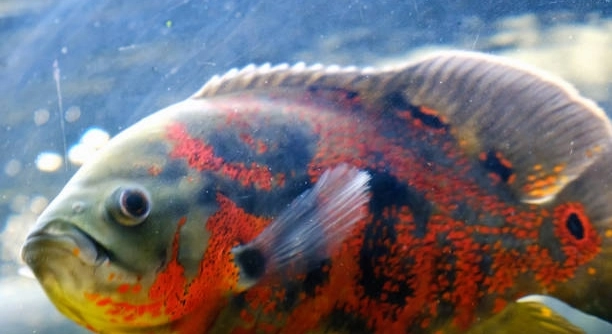
Is your Oscar fish acting oddly, staring at you, or moving around the tank more than usual without any clear reason?
Oscars are naturally inquisitive fish, and their behavior can often be misunderstood. Many of their actions, like observing movements or inspecting objects, are signs of curiosity rather than aggression or stress.
Recognizing these signs helps you support your Oscar’s mental stimulation and create a healthier tank environment they can thrive in every day.
They Follow Your Movements Closely
Oscar fish are known for watching people through the glass. If yours follows you when you walk by or swims toward you when you’re near, it’s likely just curious. These fish are intelligent and often associate movement with feeding time or attention. Even small gestures—like reaching for the tank lid or holding an object—can spark their interest. While some may see this as begging or aggression, it’s usually a sign your Oscar is paying attention to its surroundings. Their curious nature helps them stay alert and engaged, which is important in a home aquarium. Providing them with regular interaction can make them more responsive and active. It also helps build a bond between you and your fish. When Oscars learn your habits, they start responding to them, especially if you follow a consistent feeding schedule or routine that includes visual engagement from you.
They aren’t trying to scare you. They’re just naturally observant and responsive to motion.
This kind of behavior shows your Oscar is mentally stimulated and aware of its environment, which is a positive sign in a healthy fish.
They Inspect New Items in the Tank
Oscar fish often approach new tank decorations, plants, or equipment right away. They like to explore their space.
When you add something new to their tank—like a plant, cave, or air stone—you’ll usually see them swim toward it almost immediately. They may circle it, nudge it, or hover nearby as they observe it. This is a strong sign of curiosity. Instead of being startled or hiding, they want to understand what’s changed. This behavior also helps them feel secure because they’re actively checking out potential changes in their environment. Curious fish are more adaptable and less prone to stress, especially when their surroundings stay engaging. However, it’s still important to avoid overcrowding or adding too many changes at once. Even curious fish need some consistency. To encourage this behavior, you can introduce objects with different textures, colors, or shapes every so often. Just make sure anything added is safe and properly cleaned before entering the tank.
They Rearrange Gravel or Decorations
Oscar fish sometimes move gravel or shift small decorations around. This isn’t usually a sign of aggression or stress—it’s often just exploration. They like to interact with their surroundings and may push things to see what happens.
This behavior is part of how Oscars explore their space. They may use their mouths to pick up gravel, spit it out elsewhere, or shift objects slightly to create their own layout. It’s not unusual for them to clear a section of the tank floor or relocate small pieces of décor. While this might seem disruptive, it often means they’re comfortable and stimulated. It can also be part of nest-building behavior, especially during breeding periods. As long as nothing is being damaged or causing stress, there’s no reason to worry. Just keep the tank safe and avoid sharp objects that could harm their mouth or body during these curious rearrangements.
This type of activity helps them stay engaged. It’s a healthy outlet for their energy and mental focus. Providing loose items or movable pieces in the tank can support this natural behavior. Try rotating or adding new safe decorations from time to time to maintain their interest, but avoid overcrowding the tank. A few changes go a long way.
They Flare Their Gills Briefly
Short gill flares that don’t escalate into a full display or chase usually mean your Oscar is curious or trying to communicate. It’s often harmless and not a sign of aggression unless it happens repeatedly with other signs of stress.
This kind of behavior is part of their body language. Oscars use gill flaring to show interest or react to changes around them. If they see something new, like a moving shadow or your hand near the tank, a quick gill flare may be how they acknowledge it. It’s similar to a cat twitching its tail when intrigued. However, it’s important to know the difference between curiosity and stress. If flaring is paired with rapid swimming, hiding, or loss of appetite, something might be wrong. But occasional flaring—especially when they’re alert and swimming calmly afterward—is usually nothing to worry about. It shows they’re observant and engaged with what’s happening outside the tank.
They Hover Near the Glass When You’re Around
Oscars often hover near the front of the tank when someone approaches. This isn’t always about food. Sometimes they just want to observe what’s going on. It’s a behavior that shows they recognize people and want to engage.
Their behavior changes depending on who enters the room. Some owners notice their Oscars get more active when familiar people are nearby. This reaction shows a level of awareness and interest beyond simple feeding habits.
They React to Reflections or Movement Outside the Tank
If your Oscar flares, swims suddenly, or stares at something outside the tank, it’s often reacting to light, shadows, or reflections. This is a natural behavior and usually signals curiosity, not aggression. They’re trying to figure out what the movement means or if it’s something important. These reactions often happen near windows or in rooms with changing light. You might notice your fish staring at its own reflection or responding to your hand waving. This doesn’t mean it’s upset—it just means it’s noticing and responding. To reduce reflection-related stress, adjust lighting or use a background on the tank.
They Follow You From One Side of the Tank to the Other
This is one of the clearest signs your Oscar is just curious. It’s watching you and reacting to your movements with genuine interest.
FAQ
Why does my Oscar swim in circles around the tank?
Oscars swimming in circles are usually just curious about their surroundings. They are naturally explorative fish and often circle around when they feel secure and comfortable in their environment. It may also indicate they are watching for movement, food, or potential changes. If the behavior is continuous and paired with signs of distress, such as rapid gill movement or erratic swimming, it could point to stress or boredom. To keep your Oscar happy, provide them with a stimulating tank environment, including hiding spots, decorations, and regular interaction.
Is my Oscar bored if it’s constantly moving around the tank?
Oscars are active fish, and it’s natural for them to move frequently around the tank. However, if they are constantly swimming without resting or interacting with their surroundings, boredom may be a factor. A lack of enrichment, such as appropriate decorations, plants, or objects to explore, can lead to this behavior. You can keep your Oscar entertained by introducing new objects, rearranging the tank setup, or even adding live plants to give them something to investigate. Oscars also thrive on attention, so they may move around more if they’re eager for interaction.
Why does my Oscar stare at me?
Oscars are intelligent fish, and staring is often a sign of curiosity or recognition. They learn to associate their owners with food or interaction, and staring may be their way of keeping track of your movements. It’s similar to how a pet might watch their owner. If they’re staring at you without being aggressive, they’re likely just curious or waiting for feeding time. It’s a sign of recognition and bonding. However, if they stare at the tank’s glass and seem distressed, you should check for possible environmental stressors like water conditions or tank mates.
How do I know if my Oscar is stressed or just curious?
It can be difficult to distinguish between curiosity and stress in Oscars. However, a curious Oscar will move calmly around the tank, often following your movements or inspecting new items. Stress behaviors include frantic swimming, hiding, or erratic movements. Pay attention to whether the Oscar is showing normal eating habits, calmness, and interest in its environment. If the fish is hiding frequently, not eating, or displaying fast, jerky movements, it may be stressed. Curiosity, on the other hand, is more about observation and gradual movements as they explore their environment.
Can my Oscar be trained to do tricks or recognize me?
Yes, Oscars can be trained to some extent. Their curiosity and intelligence make them receptive to simple conditioning. With patience and consistency, you can train them to associate certain actions with food, like swimming to the front of the tank when you approach. You can also train them to respond to specific objects or cues. Keep in mind that training an Oscar requires regular, positive reinforcement, usually in the form of food or attention. Be aware that their attention span is limited, and they may lose interest if the routine is not maintained or is overly repetitive.
How can I reduce my Oscar’s curiosity if it’s causing stress?
If your Oscar’s curiosity is leading to stress, you can try to limit the factors causing overstimulation. For example, make sure there’s adequate hiding space and avoid moving around the tank too frequently, which can be a source of anxiety. If your Oscar is staring at reflections, consider adjusting the lighting or placing a background on the tank. Also, avoid overcrowding the tank with decorations or tank mates, as this can cause confusion or territorial behavior. The goal is to find a balance between keeping them engaged and not overwhelming them with too much change at once.
What are some signs that my Oscar is curious about new tank mates?
When introducing new tank mates, your Oscar may exhibit signs of curiosity, such as swimming near the new fish, circling around them, or even flaring its gills briefly. If the Oscar is interested but not aggressive, it might also mimic the movements of the new fish or try to interact gently. If there are any signs of aggression, like chasing or rapid fin flaring, it’s important to monitor the situation closely. It can take time for Oscars to adjust to new fish, so provide plenty of hiding spaces and separate areas in the tank until the Oscar feels more comfortable.
Why does my Oscar change its behavior when I rearrange the tank?
Oscars are territorial and sensitive to changes in their environment. When you rearrange the tank, they may initially respond with confusion or curiosity as they inspect the new layout. This can include swimming around more, hovering near new decorations, or briefly flaring their gills. Once they adjust to the changes, they will likely return to normal behavior. However, frequent rearranging can cause stress if done too often. If you notice that your Oscar seems overly agitated or loses its appetite after a rearrangement, try to make fewer changes or provide more stability in the tank.
How can I tell if my Oscar is getting enough stimulation?
A well-stimulated Oscar will be active, curious, and engaged with its environment. They should be interacting with objects, exploring their surroundings, and showing interest in food or changes in their tank. If your Oscar becomes lethargic, hides frequently, or seems to swim aimlessly, it could be a sign of insufficient stimulation. To provide more enrichment, add new decorations, plants, or objects for them to investigate. Regular interaction with your Oscar, such as hand feeding or allowing them to follow your movements, can also help satisfy their curiosity. It’s also important to ensure your tank is large enough for them to move around freely.
What should I do if my Oscar stops being curious or active?
If your Oscar becomes less curious or active, it may be a sign of illness, stress, or environmental issues. First, check water parameters like temperature, pH, and ammonia levels. Poor water quality can lead to lethargy or loss of curiosity. If the water is fine, assess your Oscar’s tank mates, lighting, and decorations. A lack of enrichment or the presence of aggressive tank mates can cause them to become less active. If the behavior persists, consider consulting a veterinarian or aquarist to rule out health issues or stress factors that may be affecting your fish.
Final Thoughts
Observing your Oscar’s behavior can give you valuable insight into its personality and needs. Oscars are naturally curious fish, and their behavior often reflects their attempts to understand their environment. From following your movements to exploring new objects in the tank, curiosity plays a big part in their daily lives. Recognizing these signs can help you understand your Oscar better and make sure its environment is as comfortable and stimulating as possible.
If you notice your Oscar showing signs of boredom or stress, it’s important to address the situation promptly. Simple changes like adding new decorations, adjusting the tank’s lighting, or providing more space can help reduce stress and increase curiosity. Oscars thrive when their environment is engaging, so keeping them active and mentally stimulated is essential. They also need regular interaction, so spending time observing or feeding them can strengthen the bond and encourage their curiosity. A happy and curious Oscar is usually a healthy one, and understanding what drives their behavior is the key to ensuring they stay content.
Curiosity is a natural trait for Oscars, and as long as you’re attentive to their needs and environment, your fish will likely continue to explore and show interest in its surroundings. Whether it’s watching you, exploring the tank, or investigating changes, your Oscar’s curiosity is part of what makes them unique and interesting to observe. By keeping their tank clean, enriching, and well-maintained, you’ll ensure your Oscar stays curious, happy, and healthy for years to come.

Hello,
If you enjoy the content that we create, please consider saying a "Thank You!" by leaving a tip.
Every little bit helps us continue crafting quality advice that supports the health, happiness, and well-being of pets around the world, for pets of all shapes, sizes, and species.
We really appreciate the kindness and support that you show us!