
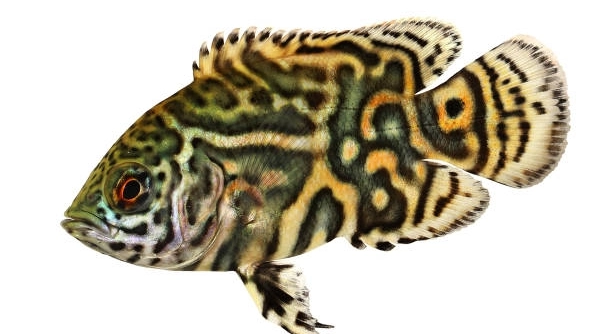
Oscar fish are known for their curious behaviors, and one common action that often leaves owners puzzled is when they lunge suddenly. Understanding why this happens can make a big difference in keeping your fish healthy and happy.
Oscar fish may lunge randomly due to various factors, including territorial behavior, hunger, stress, or excitement. They are instinctively driven to act out in response to their environment, and these actions can sometimes seem sudden and unpredictable.
There are several reasons behind this behavior, ranging from natural instincts to environmental triggers. Exploring these factors will help you understand why your Oscar fish might lunge unexpectedly and what you can do about it.
Territorial Behavior
Oscar fish are naturally territorial, and this instinct often leads them to act out aggressively. When they feel their space is being invaded, whether by another fish or an unfamiliar object, they may lunge or display sudden movements. This behavior is their way of establishing boundaries and asserting control over their environment. Territorial aggression is more common in males, especially if there’s a potential mate or if they are defending a breeding area. Understanding this can help you identify when your fish is acting out of instinct versus other causes.
Oscars are highly protective of their space. If they feel threatened, they will aggressively chase after whatever they perceive as a threat, sometimes resulting in a random lunge. It’s important to avoid overcrowding the tank, as it could exacerbate this behavior.
To minimize territorial aggression, consider offering plenty of hiding spaces and creating a balanced tank environment. When Oscars feel secure and have ample room to establish their own territory, they are less likely to engage in random lunging. Regular water changes and proper tank maintenance also help maintain a calmer environment.
Hunger or Feeding Time
One reason Oscar fish might lunge is hunger. Oscars are opportunistic feeders, which means they’ll often snatch up food at any chance they get. This behavior can come across as random lunging, especially if food is introduced into the tank.
When Oscars are hungry, they’ll often become more aggressive and act quickly to catch their prey. They have strong instincts, and their sudden movements are typically driven by the desire to feed. If they aren’t fed regularly, their natural hunting instincts may kick in, causing random lunging toward anything that moves.
Feeding your Oscar fish on a regular schedule will help reduce this behavior. Offering food at specific times and in appropriate quantities ensures your fish aren’t constantly on the lookout for their next meal. Also, if there are multiple fish in the tank, you may want to monitor how food is distributed to prevent one fish from being overly aggressive.
Stress and Environmental Changes
Changes in the tank environment, such as a new tank mate or alterations in water quality, can cause Oscar fish to become stressed. When stressed, they may react by lunging or displaying erratic behavior. Stress can be triggered by poor water quality, incompatible tank mates, or sudden changes in their environment. Oscars are particularly sensitive to changes in their surroundings, and even something as small as rearranging tank decor can create anxiety.
A stressed Oscar may not only lunge but also show signs like loss of appetite, hiding, or swimming erratically. It’s important to monitor the water parameters and make sure the tank is stable, as Oscars are very sensitive to shifts in temperature, pH, and ammonia levels. Make sure your tank is large enough for your Oscar to swim freely, and avoid introducing sudden changes that could heighten their stress.
Over time, creating a stable and consistent environment for your Oscar will help them feel more secure, reducing the likelihood of random lunging. Consider adding a filter or aerator to improve water quality and oxygen levels. A calm tank is essential for your fish’s well-being, so take time to monitor their behavior and keep everything in check.
Excitement and Playfulness
Sometimes, Oscar fish lunge because they’re simply excited or feeling playful. When they encounter something new, such as a reflection, moving object, or even their owners, their curiosity may drive them to lunge. This is more common in younger Oscars, who are more active and curious about their surroundings.
As Oscars mature, they tend to settle into a more predictable routine. However, younger fish are still learning about their environment, and their reactions may be more impulsive. If an Oscar is curious about something in the tank, they may lunge in an attempt to get closer or interact with it.
While this behavior may seem alarming, it’s generally harmless. Oscars are naturally curious creatures, and these lunges are part of how they explore and engage with their environment. This behavior will decrease as the fish becomes more accustomed to its surroundings and the objects in its tank.
Aggression Toward Tank Mates
Oscar fish may also lunge as a result of aggression toward other tank mates. They are territorial by nature and can become hostile if they feel their space is being invaded. When another fish comes too close, especially if it’s seen as a threat, Oscars may react aggressively, even lunging toward them.
Aggressive behavior is particularly common when there are other large fish in the tank. Oscars tend to dominate their environment and may lash out to assert their position. It’s important to carefully select tank mates that are compatible with the Oscar’s personality to prevent such aggression.
If you notice frequent lunging, it could be a sign that the fish is feeling threatened or challenged. In this case, consider providing more space or hiding spots to reduce territorial conflict. Additionally, make sure your Oscar has enough room to avoid frequent interactions with other tank mates.
Poor Water Quality
Oscar fish can exhibit strange or sudden behaviors, like lunging, when water quality is poor. Oscars are sensitive to changes in their environment, and inadequate water parameters can stress them out. If the water is too dirty, too acidic, or lacks proper oxygen levels, it can lead to erratic actions like lunging.
To avoid this, regular water testing and maintenance are essential. Checking the pH, ammonia, and nitrate levels will help ensure a healthy tank environment. Changing the water on a regular schedule and using a good filtration system will help maintain water quality and minimize stress on your Oscar.
Keeping the water clean also reduces the chances of other health issues that can affect your Oscar. Stress from poor water quality can weaken their immune system, leading to more serious problems. Proper water care is essential for preventing unnecessary lunging and keeping your fish healthy.
Illness or Discomfort
Oscar fish may also lunge when they’re not feeling well. Illness or physical discomfort can lead to unusual behavior, as the fish may try to relieve pain or stress. It’s essential to be alert to other signs of sickness, such as changes in appetite or unusual swimming patterns.
If your Oscar is suddenly lunging without clear cause, it might be trying to avoid discomfort. This can be a result of injuries, parasites, or internal infections. In such cases, examining the fish closely for signs of physical injury, swelling, or skin discoloration is important.
Quickly addressing any health issues will help avoid further stress or complications. A visit to a specialist or a treatment plan for common fish diseases could restore balance and improve the fish’s behavior.
Breeding Behavior
Oscar fish become more territorial and active when they are ready to breed. They may lunge toward tank mates or objects they view as threats to their spawning area. This behavior is common in both male and female Oscars during the breeding season.
Breeding Oscars can exhibit aggressive and protective actions, especially around the nesting site. It’s best to give them space and not interfere with their mating process. Adding more hiding spots and space in the tank can help reduce conflict. Maintaining stable water conditions can also encourage successful breeding without excessive aggression.
FAQ
Why does my Oscar fish suddenly lunge at the glass?
Oscar fish may lunge at the glass because they see their reflection and mistake it for another fish. They can become territorial or aggressive when they feel another fish is invading their space. This behavior is more common in Oscars that are still adjusting to their environment. If the glass is reflective or if there’s a shadow, it might trigger the fish to lunge as a protective instinct. To reduce this, consider placing your Oscar in a tank with less reflective surfaces or rearrange the tank to minimize reflections.
Is it normal for Oscars to lunge at other fish?
Yes, it is normal for Oscars to lunge at other fish, especially if they feel threatened or if they are guarding their territory. Oscars are territorial by nature and can be aggressive toward other tank mates, particularly if the other fish are seen as competition or a threat. If you have multiple fish in the tank, consider choosing compatible tank mates. Keep an eye on interactions, and provide enough space for each fish to feel secure.
Can Oscars lunge due to hunger?
Yes, Oscar fish may lunge when they’re hungry. They are opportunistic feeders and can react impulsively when they see food, often lunging toward it. This behavior is more common if they haven’t been fed recently or if food is introduced suddenly. To prevent this, establish a regular feeding schedule. Offering food in appropriate portions and at regular intervals helps keep your Oscar satisfied and reduces aggressive lunging during feeding time.
Why does my Oscar fish lunge at me when I approach the tank?
Oscar fish may lunge when you approach the tank because they’re either excited or they mistake you for food. Oscars are intelligent fish, and some can associate your presence with feeding time, which may cause them to react aggressively. This behavior can also be a sign of curiosity, especially if the fish is still adjusting to its environment. If your Oscar’s lunging feels aggressive or excessive, try to calm the tank environment by sticking to regular routines and avoiding sudden movements around the tank.
Could my Oscar fish be stressed from the tank environment?
Yes, stress can lead to random lunging, especially if the tank conditions aren’t ideal. Oscars are sensitive to water quality, temperature changes, and overcrowding. If the water parameters like pH, ammonia, or nitrate levels are off, your Oscar may display erratic behavior, including lunging. Ensure the tank is large enough for your Oscar, and keep the water clean with regular maintenance. Stress can also be caused by incompatible tank mates, so make sure your Oscar has appropriate companions. A stressed fish might also hide more, lose its appetite, or become more aggressive.
What can I do to stop my Oscar from lunging at other tank mates?
If your Oscar is lunging at other tank mates, it’s important to evaluate the tank setup. Oscars can be aggressive, so providing enough space for each fish to establish their own territory is essential. Adding more hiding spots, plants, or decorations can help create distinct areas and reduce conflict. You may also want to rearrange the tank decor to break territorial boundaries. Another option is to separate aggressive Oscars temporarily until they get along better. Ensure that you’re also feeding all fish evenly, as hunger can lead to aggression.
How can I tell if my Oscar is lunging due to illness?
If your Oscar’s lunging is sudden and unprovoked, illness could be a factor. Look for other signs of sickness such as lethargy, abnormal swimming patterns, or loss of appetite. Fish with parasites or internal infections might act out by lunging or showing erratic behavior. Check your Oscar for any physical signs of injury or disease, such as swollen areas, discoloration, or lesions. If the lunging is accompanied by other symptoms of illness, it’s best to consult a vet or a fish expert for proper diagnosis and treatment.
Should I be worried if my Oscar is lunging at the tank glass during the night?
Lunging at the glass during the night is generally not something to worry about. It’s often due to the Oscar being disturbed by its reflection or any movement in the tank. Some Oscars are more active at night and might become more reactive when they notice changes in their environment. If this happens frequently, try to keep the area around the tank calm and minimize disturbances. Also, check the lighting in the room, as sudden changes in light can cause confusion or stress for the fish.
Is it normal for Oscar fish to lunge when they see other animals outside the tank?
Yes, Oscar fish might lunge when they see other animals, such as pets or people, outside the tank. This is likely a response to movement, as Oscars are highly curious and can react to anything that enters their line of sight. If your Oscar’s lunging is directed at animals outside the tank, it’s probably due to their natural curiosity or an attempt to investigate what’s going on around them. However, if the lunging seems aggressive, it’s best to ensure that the Oscar feels secure in its environment and isn’t stressed by external disturbances.
Final Thoughts
Oscar fish can be fascinating and lively pets, but their sudden lunging behavior can be unsettling. It’s important to understand that this behavior is usually driven by instinct and a reaction to their environment. From territorial aggression to hunger or excitement, the reasons for an Oscar fish’s random lunging are often connected to how they interact with their surroundings. Recognizing these triggers can help you manage their behavior and ensure they remain healthy and happy.
If your Oscar is lunging frequently, it may be helpful to examine the conditions in their tank. Stress is a common cause of erratic behavior, and factors like poor water quality, overcrowding, or an unstable environment can contribute to that. Providing a clean, spacious tank with enough hiding spots and territorial boundaries can reduce stress and aggression. Monitoring the water parameters regularly will help you avoid sudden changes that might upset your fish. Oscars thrive in stable environments, so consistency is key when it comes to maintaining their health.
Lastly, while lunging can seem alarming, it’s often just a part of your Oscar’s natural behavior. Over time, with the right care and attention, their responses to the environment may calm down. Understanding the root causes of their actions and adjusting their living conditions accordingly can go a long way in preventing unnecessary stress. By being mindful of your Oscar’s needs, you can create a more peaceful and enjoyable environment for both you and your fish.

Hello,
If you enjoy the content that we create, please consider saying a "Thank You!" by leaving a tip.
Every little bit helps us continue crafting quality advice that supports the health, happiness, and well-being of pets around the world, for pets of all shapes, sizes, and species.
We really appreciate the kindness and support that you show us!