
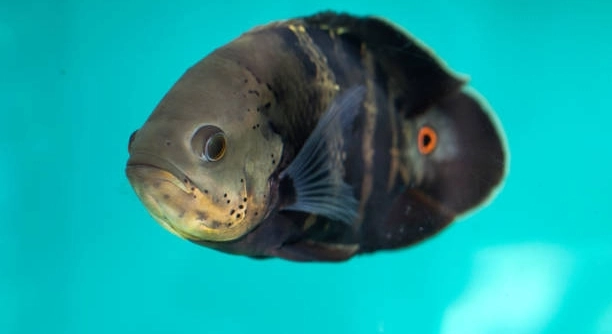
Oscar fish can sometimes display aggressive behavior, which can be worrying for their owners. Understanding the triggers for this aggression can help you create a better environment for your fish, ensuring their well-being.
Several factors can trigger aggression in Oscar fish, including territorial disputes, hunger, improper tank conditions, stress from overcrowding, or the presence of other aggressive fish. These stressors can cause Oscars to act out aggressively toward tank mates or owners.
Recognizing these situations early on can help reduce the risk of aggression and keep your Oscar fish calm and healthy.
Territorial Behavior and Space
Oscar fish are naturally territorial, and they often become aggressive when they feel their space is threatened. In a tank, they can develop a strong sense of ownership over certain areas, such as hiding spots or feeding zones. If another fish or object enters this space, the Oscar may display aggressive behaviors such as chasing, nipping, or attacking. These actions are meant to protect what they consider their territory.
Providing your Oscar with enough space is key to avoiding territorial aggression. A larger tank can make a significant difference in how they behave, allowing them to establish boundaries without feeling crowded. It’s also helpful to create hiding spots with rocks or plants, so the Oscar feels it has safe areas to retreat to when needed.
Regularly rearranging the decorations in the tank may also help. This can prevent your Oscar from becoming too possessive over any one area, reducing territorial stress. By being mindful of their need for space, you’ll help keep aggression at bay.
Hunger and Feeding Habits
Oscar fish can become aggressive when they are hungry. If they are not fed regularly or their diet isn’t fulfilling, they may become frustrated. This can lead to aggressive behaviors, as they try to compete for food or attention.
To prevent hunger-induced aggression, establish a consistent feeding schedule. Oscars are opportunistic feeders and thrive on a variety of food. Offering them a balanced diet will help curb their hunger-driven aggression.
Overcrowding and Stress
Overcrowding a tank with too many fish can trigger stress and aggression in Oscar fish. When Oscars feel they don’t have enough space, they often become territorial and may lash out at other tankmates. It’s important to maintain a proper fish-to-tank size ratio to keep the Oscar calm.
A general rule of thumb is to have at least 55 gallons of water for one Oscar fish, and more space is needed if adding other fish. By avoiding overcrowding, you give your Oscar more room to swim and claim its own territory. This helps reduce anxiety and aggressive behavior.
Providing a peaceful environment with fewer fish may lead to a calmer Oscar. Oscars are much more relaxed when they aren’t competing for space or food. Consider monitoring the number of fish in the tank to prevent stress and avoid aggression.
Tank Conditions and Water Quality
Poor water quality or fluctuating tank conditions can cause stress in Oscar fish, which often leads to aggressive behavior. Oscars are sensitive to water temperature, pH, and ammonia levels. A tank with improper filtration or inconsistent water changes can lead to unhealthy conditions, making your fish more prone to aggression.
Maintaining stable water parameters is crucial. Oscars do best in water temperatures between 74-81°F (23-27°C) and a pH level of 6-8. Regular water changes, at least 25% per week, will help keep toxins under control. Make sure your filtration system is working efficiently to maintain clean water.
Oscars may also become agitated if there is a build-up of waste in the tank. This can make them feel uncomfortable, which increases the likelihood of aggressive behaviors. Keeping the water quality pristine ensures your Oscar remains healthy and less prone to aggressive outbursts.
New Tankmates or Changes
Introducing new fish or objects into an Oscar’s tank can cause anxiety and aggression. Oscars are territorial by nature and can view newcomers as a threat. If the new fish are placed too suddenly or without proper acclimation, the Oscar might become defensive and act aggressively toward them.
To reduce aggression, introduce new tankmates slowly. It’s a good idea to quarantine new fish for a few weeks before adding them to the main tank. This way, the Oscar has time to adjust to the idea of another fish in its environment without feeling threatened.
Also, avoid placing fish that are too small or too similar in appearance to the Oscar. These types of fish may trigger predatory instincts or excessive aggression, leading to harm.
Temperature Fluctuations
Temperature fluctuations are stressful for Oscars and can trigger aggression. If the water temperature changes too drastically, it may cause discomfort or even illness, making the Oscar more irritable. Keep a consistent temperature to ensure your fish stays calm and healthy.
Using a reliable heater with a thermometer is essential. Keep the tank’s temperature within the recommended range for Oscars to avoid unnecessary stress.
FAQ
Why is my Oscar fish aggressive towards other fish?
Oscar fish are naturally territorial, so they can become aggressive toward other fish, especially if they feel their space is being invaded. They may also act out if they are hungry, stressed, or if there are changes in their environment, such as new tankmates or temperature fluctuations. Ensuring the tank is large enough, maintaining a proper feeding schedule, and providing hiding spots for all fish can reduce this aggression.
Can I keep multiple Oscars in the same tank?
While it is possible to keep multiple Oscars in the same tank, it’s important to have a large enough tank to accommodate them. A 125-gallon tank or larger is recommended if you plan to house more than one Oscar. Keep in mind that even with ample space, Oscars can still become territorial with each other, especially if they are not introduced carefully.
How often should I feed my Oscar fish?
Oscar fish should be fed 1-2 times a day, depending on their age and size. Young Oscars need more frequent feedings as they grow, while adults can thrive with one meal per day. Overfeeding can lead to water quality issues and obesity, so it’s important to give them an appropriate amount of food and avoid excess. A varied diet that includes high-quality pellets, live or frozen food, and occasional vegetables is ideal.
What size tank does an Oscar fish need?
An Oscar fish requires a minimum of a 55-gallon tank for just one fish, but larger tanks are preferable. A 75 to 100-gallon tank provides more space for the fish to swim and for you to add tankmates if desired. The bigger the tank, the more stable the water conditions will be, which helps keep the Oscar calm and healthy.
What are the signs of stress in Oscar fish?
Signs of stress in Oscar fish include hiding, rapid swimming, loss of appetite, discoloration, or unusual behavior such as fin clamping. Stress can result from overcrowding, poor water quality, aggression from other fish, or changes in the tank environment. If you notice these signs, it’s important to assess the tank conditions and address any potential stressors immediately.
How can I prevent aggression when introducing new fish?
To reduce aggression when introducing new fish, you should quarantine the new fish for a couple of weeks before adding them to the main tank. This allows the Oscar to adjust to the idea of a new fish without immediately feeling threatened. Additionally, make sure the new fish are large enough and not too similar in appearance to the Oscar, as this can provoke aggression.
Can Oscars live with other fish?
Yes, Oscars can live with other fish, but it’s important to choose tankmates carefully. They should be large enough to defend themselves and not too aggressive, as Oscars may attack smaller or more docile fish. Fish such as larger cichlids, catfish, and some types of plecos can be good companions for Oscars. Always ensure that the tank is big enough to provide everyone with enough space.
What is the best water temperature for Oscar fish?
Oscar fish thrive in water temperatures between 74°F and 81°F (23°C to 27°C). It’s important to maintain a stable temperature, as fluctuations can cause stress and health problems. A reliable heater and thermometer will help keep the temperature consistent, which will also help reduce aggression in the fish.
How do I know if my Oscar fish is sick?
Signs that an Oscar fish might be sick include lethargy, loss of appetite, abnormal swimming patterns, discoloration, or visible sores on the body. If your fish exhibits these symptoms, check the water quality and make sure there are no environmental changes. If the symptoms persist, consult a vet who specializes in fish for a proper diagnosis and treatment.
Do Oscars need a lot of oxygen?
Yes, Oscar fish require well-oxygenated water to stay healthy. While they can tolerate a range of oxygen levels, it’s important to have proper filtration and aeration in the tank to ensure the water stays oxygen-rich. A strong filter or air pump can help maintain oxygen levels, especially in larger tanks with multiple fish.
What kind of food should I feed my Oscar?
Oscars are omnivores and enjoy a varied diet. High-quality pellets designed for cichlids should be their main source of nutrition. They also benefit from live or frozen foods like worms, shrimp, and small fish. You can occasionally offer vegetables such as peas or lettuce. A balanced diet is key to their health and reducing aggression related to hunger.
Why is my Oscar not eating?
There are several reasons why an Oscar may not eat, including stress, poor water quality, or illness. Changes in the tank, such as new fish or decorations, can cause stress and affect their appetite. Ensure the water parameters are stable and check for any signs of illness. If the fish continues to refuse food, it might be time to consult a veterinarian.
Can Oscars live with plants?
Oscar fish can live with plants, but they are notorious for uprooting or eating them. If you want to add plants to the tank, choose hardy varieties that can withstand some disturbance. You may need to opt for plastic plants or secure real plants with strong roots to prevent them from being destroyed.
How can I make my Oscar less aggressive?
To make an Oscar less aggressive, it’s important to ensure it has plenty of space, a consistent feeding schedule, and a peaceful environment. Avoid overcrowding the tank, and make sure the water quality is optimal. Also, try to provide hiding spots for the Oscar to retreat to if it feels threatened. Avoid introducing new fish suddenly, and make any changes in the tank gradually.
Final Thoughts
Oscar fish can be fascinating and rewarding to keep, but their aggression can sometimes be a challenge. Understanding the triggers behind this behavior is crucial for creating a peaceful environment. Factors like territoriality, hunger, overcrowding, and poor water conditions all play a role in how your Oscar behaves. By carefully managing these aspects, you can help reduce aggressive outbursts and create a more stable environment for your fish.
One of the best ways to prevent aggression is to provide your Oscar with a large enough tank, ideally 75 gallons or more, depending on how many fish you have. Giving them enough space to roam and claim their territory can help reduce stress and territorial disputes. Additionally, a balanced diet, consistent feeding schedule, and stable water conditions all contribute to keeping your Oscar healthy and less prone to aggression. Regular water changes and monitoring of water parameters are simple yet effective ways to keep things in check.
Finally, remember that Oscars are intelligent fish with unique personalities. While aggression is common, it can often be managed by understanding their natural instincts and needs. If you notice persistent aggression or signs of stress, consider adjusting the tank environment or seeking advice from a fish expert. With proper care and attention, you can enjoy your Oscar fish for many years without constant aggression issues.

Hello,
If you enjoy the content that we create, please consider saying a "Thank You!" by leaving a tip.
Every little bit helps us continue crafting quality advice that supports the health, happiness, and well-being of pets around the world, for pets of all shapes, sizes, and species.
We really appreciate the kindness and support that you show us!