
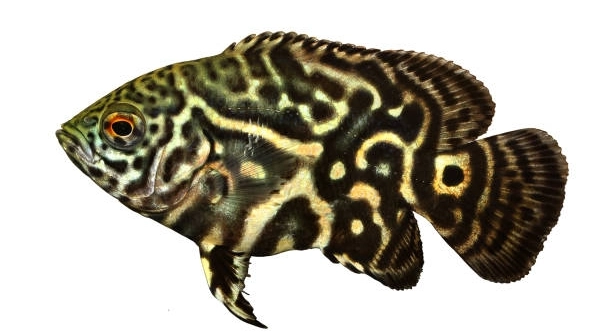
Oscar fish are usually known for their vibrant personalities, but sometimes they might not behave like they usually do. This change in behavior can be concerning for any fish owner, especially if you’re unsure why it’s happening.
The most common reasons for an Oscar fish not responding as usual include changes in water conditions, stress, illness, or improper tank setup. It’s important to check water temperature, filtration, and other environmental factors to identify the cause.
Understanding the factors that influence your Oscar’s behavior will help you determine if your fish is simply stressed or dealing with a health issue. This guide will help you identify the root of the problem.
Common Reasons for Changes in Behavior
There are a few things that could be affecting your Oscar fish’s behavior. One major factor is water quality. Oscars are very sensitive to changes in their environment, and poor water conditions can cause stress. Ammonia, nitrate, and nitrite levels can fluctuate quickly in a tank, leading to a fish that’s lethargic or less active than usual. Overcrowding or poor filtration can also make your Oscar fish feel stressed, affecting how it interacts with you or moves around the tank. Additionally, sudden temperature changes can shock the fish, leaving it unresponsive.
Poor diet can also play a role. If you’re not feeding your Oscar the right amount or type of food, it can lead to reduced energy levels and behavioral changes. They thrive on a varied diet with high-protein foods, and if you’re providing food that’s not suited to their needs, they might not respond as expected.
Sometimes, the simplest explanation is the water or food. Keep these factors in check, and your fish will likely go back to its normal behavior soon.
Stress and Tank Setup
If your Oscar seems stressed, it could be from its living conditions. Make sure the tank is large enough for your fish and that it has plenty of places to hide and explore.
Oscar fish are territorial creatures. A tank that feels cramped or has other aggressive fish can cause them to act differently. If your tank is too small, or you have too many other fish with the Oscar, it can create a lot of tension. This often leads to your Oscar hiding more and becoming unresponsive. Keeping the tank well-maintained with regular water changes can make a big difference. A tank of at least 55 gallons is recommended for one Oscar. The more space they have, the less stressed they will feel.
Keeping the tank setup in mind is crucial for the well-being of your fish. Removing aggressive tank mates and ensuring the space meets your Oscar’s needs will encourage it to be more active again.
Illness and Health Issues
Oscar fish are prone to several health problems that can affect their behavior. Common conditions include internal parasites, external infections, or even swim bladder issues. A sick Oscar might appear lethargic, hide more often, or refuse to eat. Regular observation is key to spotting the first signs of illness.
Parasites or infections often cause noticeable changes, such as unusual spots or lesions on the skin. If your Oscar has trouble swimming or floats upside down, this could indicate a swim bladder problem, which may require special treatment. Watching for changes in appetite and behavior is essential to catch these issues early. If you notice anything out of the ordinary, it’s important to act quickly.
Proper care, such as maintaining good water quality and a varied diet, can help prevent many illnesses. If the symptoms don’t improve after adjusting the environment, consider consulting a veterinarian who specializes in fish. They can provide accurate diagnoses and treatments to help your Oscar recover.
Water Temperature and Conditions
Oscars are sensitive to temperature changes. A sudden drop or rise in the water temperature can cause them to become stressed or unresponsive. It’s crucial to maintain a stable temperature between 74°F and 81°F (23°C – 27°C). A good aquarium heater will help keep the water within this range.
Ensure your tank is properly equipped to handle temperature regulation. If the water temperature is too low, your fish may appear sluggish or inactive. On the other hand, excessively high water temperatures can lead to stress and even cause health problems, like a decrease in oxygen levels. Using a reliable thermometer to monitor the temperature is essential.
If the temperature seems stable but your Oscar is still not responding, consider checking for other water quality issues. Proper filtration and regular water changes can keep the environment safe, reducing the likelihood of stress-related behavior changes.
Stress from New Tank Mates
Adding new fish or other tank mates can cause your Oscar to become stressed. Oscars are territorial, and the introduction of other fish can make them feel threatened. Stress can lead to a decrease in activity and changes in behavior, including hiding more often or becoming less responsive.
When introducing new fish, do it gradually and ensure they are compatible with your Oscar. If possible, rearrange the decorations in the tank to reduce territorial behavior. It’s important to keep an eye on how your Oscar interacts with the new tank mates to ensure there’s no aggression. If issues arise, you may need to separate them.
Tank Maintenance
Keeping up with regular tank maintenance can help prevent issues that may affect your Oscar’s behavior. Regular water changes, proper filtration, and removing uneaten food are essential for maintaining a healthy environment. Dirty water or high levels of toxins can make your fish sick and unresponsive.
Ensure your filtration system is working well and capable of handling the size of your tank. A properly maintained tank reduces the chances of stress or illness, allowing your Oscar to thrive. Clean the substrate and check for any harmful buildup in the water. Maintaining a clean tank goes a long way in keeping your fish happy and healthy.
Overfeeding
Overfeeding your Oscar can lead to health problems and changes in behavior. Leftover food can pollute the tank, affecting water quality. If your Oscar is overfed, it might become lethargic or stop eating altogether. It’s important to feed only what your fish can consume within a few minutes.
FAQ
Why is my Oscar fish hiding more than usual?
Hiding is often a sign of stress or illness. If your Oscar fish is hiding frequently, it could be reacting to environmental changes like new tank mates, poor water quality, or an imbalance in water temperature. A stressed fish may seek refuge in darker areas of the tank. It’s essential to check for possible changes in the tank setup or water conditions. Additionally, hiding could indicate that the fish feels threatened by other fish, so ensure the tank has enough space and hiding spots to reduce conflict. If hiding persists, consider checking your Oscar for signs of illness.
How can I tell if my Oscar fish is sick?
Oscar fish are prone to various illnesses, including parasites and infections. A sick Oscar might display behaviors such as swimming erratically, staying near the surface, or refusing food. Look for physical signs like lesions, spots, or faded color. Another common issue is abnormal swimming, such as floating upside down or having trouble maintaining buoyancy, which could signal swim bladder problems. Keep an eye on any changes in behavior and check the water conditions. A quick response to symptoms can make a big difference in treatment.
What water conditions should I maintain for my Oscar fish?
Oscars need stable water conditions to stay healthy. The ideal temperature for Oscars is between 74°F and 81°F (23°C – 27°C). It’s also crucial to maintain the right pH, which should be around 6.5 to 7.5. Regular water changes of 25-30% every week will help keep ammonia, nitrites, and nitrates at safe levels. Use a reliable filter to keep the water clean and ensure that the water’s hardness stays within acceptable limits. Keeping your Oscar’s environment stable is one of the most important factors for its well-being.
What should I do if my Oscar fish isn’t eating?
If your Oscar fish isn’t eating, it could be a sign of stress, illness, or environmental issues. First, check the water quality and temperature, as poor conditions can cause fish to lose their appetite. Stress from aggressive tank mates or changes in their environment can also lead to a lack of appetite. If you suspect illness, look for physical signs of disease, such as swelling or lesions. If the behavior doesn’t improve after adjusting the tank conditions, consider offering a different type of food or consulting a veterinarian who specializes in fish.
Is it normal for Oscar fish to be aggressive?
Yes, Oscar fish can be aggressive, especially towards smaller or weaker tank mates. They are territorial by nature and may show aggression if they feel their space is threatened. This can include chasing, nipping, or even attacking other fish. To minimize aggression, it’s important to provide your Oscar with enough space and hiding spots. A larger tank (at least 55 gallons for one Oscar) can help reduce territorial disputes. Avoid housing them with fish that are smaller or slower, as they may become easy targets for aggression.
How do I prevent my Oscar fish from getting sick?
Preventing illness in your Oscar fish starts with maintaining a clean, stable tank. Regular water changes, proper filtration, and monitoring water temperature are key factors in keeping the environment healthy. Avoid overcrowding, as this can lead to stress and increase the chances of disease spreading. Feed your Oscar a balanced diet, and avoid overfeeding, as excess food can pollute the water. Quarantine new fish before introducing them to your tank to prevent introducing potential diseases. Regular observation of your fish will help catch any issues early before they become serious.
Why is my Oscar fish swimming sideways or upside down?
Swimming sideways or upside down can be a sign of swim bladder disease, which affects the fish’s ability to control its buoyancy. This issue is often caused by an infection, poor water quality, or overfeeding. Swim bladder problems can also result from physical injury. If the fish is swimming erratically, check the water quality and ensure the tank temperature is stable. If the problem continues, consider fasting the fish for a couple of days to allow its digestive system to reset. If symptoms persist, seek advice from a veterinarian specializing in fish.
Can I keep Oscar fish with other types of fish?
Oscar fish can live with other fish, but it depends on the species. Oscars are known for being territorial and aggressive, so it’s best to keep them with similarly sized fish that can handle their temperament. Larger cichlids or fish with a similar personality may be a better match. Avoid keeping Oscars with small or peaceful species, as they may become targets for bullying. Always monitor interactions between your Oscar and its tank mates to ensure there is no undue stress or aggression. A larger tank with plenty of hiding spots is essential when housing multiple fish.
How often should I feed my Oscar fish?
Oscar fish should be fed once or twice a day, depending on their size and age. It’s essential to feed them in small amounts that they can consume in about 5 minutes to avoid overfeeding, which can pollute the water. A varied diet that includes high-quality pellets, frozen or live food like worms and shrimp, will provide the necessary nutrients. A well-balanced diet will ensure that your Oscar remains healthy and active. If your fish is not eating or seems disinterested in food, it may be a sign of an underlying issue that needs attention.
What size tank does my Oscar fish need?
Oscar fish grow large and require a lot of space to thrive. A single Oscar should be kept in a tank that’s at least 55 gallons. As they grow, you may need to upgrade to a 75-gallon tank or even larger. The more space your Oscar has, the less stress it will experience, and the healthier it will be. Overcrowding can lead to aggression, poor water quality, and health issues. Be sure to keep your Oscar’s needs in mind when planning the tank size and always allow for future growth.
Final Thoughts
Taking care of an Oscar fish requires attention to detail, especially when it comes to its environment and health. Oscars are sensitive creatures that thrive in stable conditions, so maintaining clean water, proper temperature, and a suitable tank setup is essential. If your Oscar is not responding as usual, it’s likely due to a change in one of these factors. It could be something as simple as water quality or as complex as an illness. Paying close attention to any changes in behavior and addressing them quickly can help your fish feel better and return to its usual self.
Stress is a common cause of changes in behavior for Oscar fish. Introducing new tank mates, changing their tank environment, or even issues like overcrowding can all lead to anxiety for your fish. When Oscar fish are stressed, they may become less active, refuse food, or hide more often. To avoid this, make sure the tank is large enough for your fish, provide enough hiding spots, and avoid sudden changes to the water conditions. If you notice signs of stress, it’s important to identify and resolve the issue quickly to prevent further harm.
Lastly, keeping an eye on your Oscar’s health is key to long-term well-being. Regular observation can help catch any illnesses early, and addressing water quality and feeding habits will keep your fish healthy. If your Oscar is behaving differently, start by checking the basics—water quality, temperature, and tank setup. If those are all in order, you might need to consider other factors like diet or stress. When in doubt, don’t hesitate to consult a veterinarian experienced in fish care. With the right attention and care, your Oscar can return to its usual lively self.

Hello,
If you enjoy the content that we create, please consider saying a "Thank You!" by leaving a tip.
Every little bit helps us continue crafting quality advice that supports the health, happiness, and well-being of pets around the world, for pets of all shapes, sizes, and species.
We really appreciate the kindness and support that you show us!