
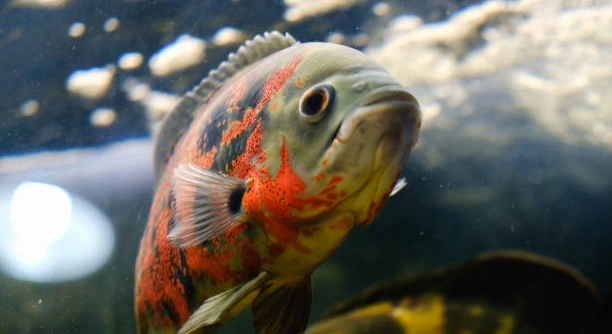
Oscar fish are known for their unique personalities, and many fish owners find themselves wondering how these fascinating creatures behave during feeding time. Understanding their habits can be key to building a connection with them.
Yes, Oscar fish can form feeding habits over time. Like many animals, they can recognize patterns and routines. With consistent feeding times, they may begin to anticipate meals and even show excitement when it’s time to eat.
Establishing a routine will help your Oscar fish feel more comfortable and may even improve their overall health and well-being. Understanding this can enhance the bond between you and your fish.
Understanding the Behavior of Oscar Fish
Oscar fish are intelligent creatures with distinct personalities. Over time, they can learn to recognize specific cues related to feeding. This behavior is largely due to their ability to observe patterns in their environment. When you feed them at consistent times each day, they start to associate you with food, often showing signs of excitement when they know it’s feeding time. These fish may swim to the top of the tank or even wait near the surface when they sense it’s almost time to eat. This type of routine can make feeding time easier and more predictable.
Though they may appear indifferent at times, Oscars are actually more responsive than they let on. They are capable of remembering past interactions, especially when it involves food. If you feed them regularly, they will gradually expect and recognize feeding time, making the experience less stressful for both you and your fish.
Establishing a routine allows your Oscar fish to feel more secure in its environment. A predictable schedule helps regulate their feeding behavior, reducing the likelihood of overfeeding or underfeeding.
How Oscar Fish React to Different Types of Food
Oscar fish can also show preferences for certain types of food, which further reinforces their feeding habits. As you observe them over time, you’ll notice they may get excited for certain treats. Their response can vary depending on the type of food you offer. Some may eagerly accept live food, while others may show a preference for pellets or frozen options.
Understanding your Oscar’s individual preferences is key to maintaining a balanced diet. As Oscars grow, their diet may need adjustments, but they often develop a routine around their favorite meals. Ensuring a variety of food options will help keep them healthy and happy. You can also try offering new foods occasionally, but be mindful of any changes in behavior. If they become hesitant or refuse a certain type, this may be their way of indicating a preference for something else.
It’s essential to be attentive to your Oscar’s reactions to different types of food. Keeping track of what works best can also help you avoid overfeeding or underfeeding, ensuring your fish gets the nutrition it needs. As Oscars form feeding habits, they may also exhibit stronger bonds with their owners, recognizing them as the source of their regular meals.
Why Routine Matters for Oscar Fish
Establishing a feeding routine for your Oscar fish is crucial for their well-being. Regular feeding times can help them feel more secure and reduce stress. Fish that expect meals at a specific time will be more likely to thrive.
Oscar fish are creatures of habit, and a steady feeding schedule helps maintain their health. By feeding them at the same time each day, you can ensure they get the proper nutrition without overfeeding or underfeeding. A predictable routine also reduces their anxiety and allows them to adjust to their environment more easily.
Having a consistent routine not only benefits their feeding habits but can also help manage their overall behavior. Oscars that know when to expect food are less likely to exhibit erratic or aggressive behavior. Routine feeding times create a sense of stability, which is essential for your Oscar fish’s happiness and growth.
Adjusting Diet for Growing Oscar Fish
As Oscar fish mature, their dietary needs will change. It’s essential to adjust their food accordingly to support their growth. Younger Oscars may require more protein, while adults may benefit from a more balanced diet with varied nutrients.
When your Oscar reaches adulthood, you should include a variety of food options. This can range from pellets, freeze-dried foods, and even occasional live food. Switching up their diet helps prevent monotony and keeps them engaged during feeding times. Make sure to monitor their weight and overall health to adjust portions and types of food as necessary.
Your Oscar may develop preferences as it grows, so it’s important to keep an eye on their behavior. If they seem to lose interest in certain foods, consider rotating their diet. Regularly changing their meals ensures they receive a balanced and complete nutrition profile. As Oscars form habits, it’s important to stay responsive to their evolving needs.
How to Train Your Oscar Fish to Follow Feeding Habits
With time and patience, you can train your Oscar fish to recognize feeding cues. Consistent timing and behavior can help reinforce their feeding routine. This process is based on their ability to associate specific actions with food.
By feeding your Oscar at the same time each day, they will start to anticipate your presence. You can also try tapping gently on the tank glass or using a feeding ring. These subtle cues will help your Oscar associate certain actions with their meal. With repetition, they’ll become more responsive to your feeding routine.
Establishing this routine not only strengthens the bond between you and your Oscar but also creates a predictable environment for them. Training your Oscar to follow feeding habits helps maintain healthy behavior and reduces stress.
How Feeding Habits Can Impact Health
Oscar fish that follow a consistent feeding schedule are often healthier. Regular feeding habits ensure they receive the proper nutrients, which is vital for their growth and immune system. A balanced diet helps prevent health issues.
If feeding times are erratic, your Oscar fish might experience stress, which can weaken their immune system. Maintaining a set feeding routine allows you to monitor their food intake more effectively and detect any health problems early on. It also ensures that they’re not overfed or underfed, which could lead to other health issues like obesity or malnutrition.
A predictable feeding pattern can also help regulate their digestive system, leading to more consistent bowel movements and overall well-being. Healthy feeding habits promote a healthy Oscar fish, making it easier to keep track of their diet and manage their health long-term.
The Role of Tank Size in Feeding Behavior
The size of your Oscar fish’s tank can influence their feeding behavior. A larger tank provides more space for your fish to swim around, which can lead to a more natural feeding routine. With more room, they feel less stressed and more comfortable.
Oscars in cramped environments may become more aggressive or anxious during feeding. They may also be hesitant to approach food, especially if they feel cornered or threatened. A larger tank encourages natural behaviors, such as exploring and foraging, which can improve their overall feeding response. A proper-sized tank helps your Oscar feel safe and reduces stress, creating a better atmosphere for feeding.
FAQ
How often should I feed my Oscar fish?
Oscar fish should be fed once or twice a day, depending on their age and size. Juvenile Oscars may require more frequent feedings, while adults can manage with one meal a day. It’s essential to not overfeed them, as Oscars can become overweight if fed too much. A good rule of thumb is to give them enough food that they can consume in 2-3 minutes. This helps prevent overfeeding, which could lead to water quality problems or health issues.
Can Oscars go without food for a few days?
Yes, Oscars can go without food for a few days, especially if they’re healthy. In the wild, they may experience periods of food scarcity, so they can survive without eating for short periods. However, extended fasting can weaken their immune system and make them more vulnerable to illness. If you plan to be away for a few days, it’s best to have a trusted person feed them or use an automatic fish feeder to maintain their routine.
What is the best type of food for an Oscar fish?
Oscar fish are omnivores, so their diet should include both protein and plant-based foods. A good mix of high-quality pellets, live or frozen food like worms or shrimp, and vegetables like peas or spinach will keep them healthy. You can also offer them occasional treats like feeder fish, but it’s important to ensure that their diet remains balanced to avoid nutritional deficiencies.
Can I feed my Oscar fish only pellets?
Feeding your Oscar fish only pellets is possible but not ideal. While pellets provide balanced nutrition, they should be part of a varied diet. A well-rounded diet includes live food, frozen food, and occasional vegetables. This variety ensures your Oscar gets a mix of nutrients and keeps them engaged during feeding time.
What should I do if my Oscar fish stops eating?
If your Oscar stops eating, it could be a sign of stress, illness, or water quality issues. Start by checking the water parameters, including temperature, pH, and ammonia levels, as poor water quality can cause fish to lose their appetite. If the water is fine and the fish still refuses food, check for signs of disease like abnormal swimming, skin lesions, or unusual behavior. Consult a veterinarian or an experienced aquarium keeper if the problem persists.
How do I prevent my Oscar from becoming overweight?
To prevent your Oscar from becoming overweight, avoid overfeeding. Offer a consistent amount of food that your fish can consume in a few minutes, and don’t leave food in the tank after feeding. It’s also helpful to monitor their weight and look for signs of bloating or lethargy, which may indicate obesity. A balanced diet and a regular feeding schedule are key to maintaining a healthy weight.
How can I tell if my Oscar is underfed?
If your Oscar is underfed, they may show signs like lethargy, weight loss, or a decrease in activity. You might also notice that they seem excessively hungry, constantly searching for food or becoming more aggressive at feeding time. Ensure you’re feeding them the proper portion size for their age and size. If you’re unsure, try offering a little more food at feeding time, but be cautious not to overfeed.
Can I feed my Oscar fish vegetables?
Yes, Oscar fish can eat vegetables. Vegetables like spinach, peas, zucchini, and lettuce can provide beneficial nutrients and fiber. You can blanch the vegetables to soften them or offer them raw. It’s important to remove any uneaten vegetables from the tank after a few hours to avoid water contamination. Adding vegetables to their diet offers a variety of nutrients and can also help with digestion.
Is it normal for Oscars to get aggressive during feeding time?
Oscar fish are known for their territorial nature, and they can get aggressive during feeding, especially if there’s competition for food. They might display behaviors like chasing other fish away or being more dominant toward you. To reduce aggression, ensure each fish has enough space and food. You can also try feeding in separate locations or using a feeding ring to prevent fights over food.
Should I feed my Oscar fish live food?
Live food can be a good addition to your Oscar’s diet. It provides natural stimulation and encourages hunting behavior, which can be mentally enriching for the fish. However, live food should be given in moderation. Overfeeding live food may encourage aggression or unhealthy eating habits. Make sure any live food is free of parasites or contaminants before feeding it to your Oscar.
How do I adjust my Oscar’s diet as it grows?
As your Oscar fish grows, its dietary needs will change. Young Oscars need more protein to support their growth, while adults require a more balanced diet with both protein and plant-based foods. You can gradually introduce larger portions of food and diversify the types of food offered. Always observe your Oscar’s behavior and weight to ensure they’re receiving the appropriate nutrients.
Why is my Oscar fish not eating pellets?
If your Oscar isn’t eating pellets, it could be due to their personal preference or a change in their environment. Some Oscars may prefer live or frozen food over pellets, while others may be more selective about the type of pellets. Try offering different brands or flavors of pellets, or mix in some frozen or live food to encourage them to eat. Make sure the pellets are the correct size for your Oscar’s mouth.
How often should I clean the tank after feeding?
You should clean the tank regularly, especially after feeding, to prevent excess food from contaminating the water. Leftover food can decompose and affect the water quality. It’s good practice to clean any uneaten food after 15 to 30 minutes. In addition, regular water changes every 1-2 weeks are essential to maintain the health of your Oscar and the overall water quality.
Final Thoughts
Oscar fish are fascinating creatures that can develop strong feeding habits over time, just like many other pets. Establishing a routine is key to creating a healthy and predictable environment for your fish. Oscars are intelligent, and they can quickly learn to associate certain cues, like feeding times, with food. By feeding them at the same time every day, they will begin to expect meals, making the whole process easier for both you and your fish. It’s important to remember that they are creatures of habit, and their behavior can be shaped by the consistency of their routine.
Along with feeding habits, it’s essential to provide your Oscar with a balanced diet. Offering a variety of foods, such as pellets, live food, and vegetables, ensures they get all the nutrients they need. Changing their diet as they grow will help support their health and development. Oscars may develop preferences over time, so it’s important to pay attention to how they respond to different types of food. A diverse diet not only provides better nutrition but also keeps feeding time interesting for your Oscar. Avoid feeding them the same food every day to prevent monotony and ensure they get all the necessary nutrients.
Finally, understanding your Oscar’s behavior and how it relates to feeding can make a big difference in their well-being. If they are refusing food, it could indicate issues such as stress, illness, or poor water quality. It’s crucial to monitor their feeding habits and look for any signs of distress or changes in their usual behavior. By staying attentive to their needs and adjusting their diet or routine when necessary, you can help your Oscar live a long, healthy, and happy life. A predictable feeding schedule, combined with a well-rounded diet, will create a positive environment for both you and your Oscar.

Hello,
If you enjoy the content that we create, please consider saying a "Thank You!" by leaving a tip.
Every little bit helps us continue crafting quality advice that supports the health, happiness, and well-being of pets around the world, for pets of all shapes, sizes, and species.
We really appreciate the kindness and support that you show us!