
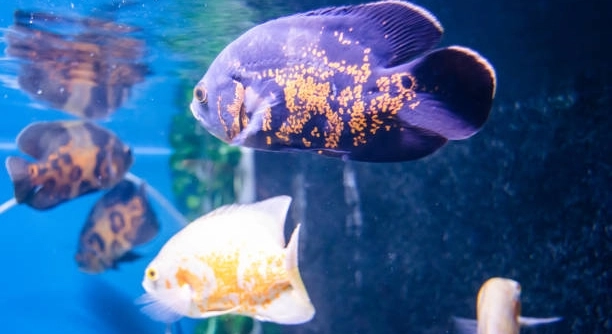
Oscar fish are fascinating creatures, known for their beauty and bold personalities. They can be quite entertaining to watch as they swim and interact with their environment. However, there are moments when it’s best to give them some space.
There are certain times when it is crucial to leave your Oscar fish alone. Whether it’s due to stress, illness, or the need for a break, these moments allow your fish to recover or feel safe in their environment.
Taking care of your Oscar fish requires attention to their well-being. Understanding when to step back and let them be will help maintain a peaceful and healthy environment for them to thrive.
1. When Oscar Fish Are Sick
When your Oscar fish is sick, it’s crucial to give them the time and space they need to heal. Fish are naturally good at hiding signs of illness, but once you notice symptoms like sluggishness or a lack of appetite, it’s essential to step back. Keep their tank environment calm and stable, with proper water conditions, so they can focus on recovery. Avoid any sudden changes to their tank or feeding schedule, as this can cause unnecessary stress.
If your Oscar fish shows signs of illness, leaving them alone to rest in a peaceful environment is vital for recovery. Limiting interactions will help reduce stress, allowing them to heal faster.
During this time, focus on water quality and monitor their behavior closely. A stressed fish might stop eating, become aggressive, or even refuse to interact with other fish. Reducing light exposure, ensuring the water temperature remains stable, and keeping the tank free of disturbances can help them recover. Don’t forget to check for any signs of disease, and if needed, consult an expert. Your fish will benefit from a quiet, stress-free space while they get better.
2. When Oscar Fish Are Breeding
Oscar fish tend to be quite territorial when breeding. If you notice signs of mating behavior, such as increased aggression or the male guarding a particular area, it’s best to leave them alone. Breeding often involves the pair selecting a specific spot in the tank to lay eggs, and they can become very protective.
Breeding behavior in Oscar fish can lead to aggressive actions. During this time, it’s best to avoid disturbing them, as this can cause stress and disrupt their natural process.
If you want to encourage successful breeding, creating a peaceful environment is key. Maintain a consistent water temperature and avoid disturbing the fish as much as possible. It’s important to give them room to engage in their natural behaviors without interference. If you have other fish in the tank, consider temporarily removing them to reduce stress and aggression. Keep the tank clean and well-maintained to give the pair the best chance to care for their eggs. This peaceful time will also help to protect the eggs from predators.
3. When Oscar Fish Are Exploring a New Tank
Whenever you move your Oscar fish to a new tank, they need time to adjust. The new environment will have unfamiliar sights, sounds, and even new water conditions. They might spend more time hiding or exploring their new space, and it’s important not to interfere with this transition.
Oscar fish need time to acclimate to a new tank setup. Interfering with them too soon can lead to stress, which hinders their ability to adjust.
Be patient during this period. Give your fish time to explore without any sudden changes to the environment. Avoid feeding them immediately after moving them into the tank, as it’s best to allow them to settle first. Watching their behavior will help you determine if they’re adjusting well. You might notice them hiding at first or staying near the tank’s corners. These are natural signs that they are adjusting to their new home. Over time, they’ll become more comfortable and active.
4. When Oscar Fish Are Feeling Stressed
Stress can be a major issue for Oscar fish. If they seem restless or are swimming erratically, it’s likely they’re feeling overwhelmed. It’s crucial to avoid adding more stress during this time, whether by making sudden changes to their environment or introducing new tank mates.
A stressed Oscar fish needs peace and stability to recover. Avoid causing further stress by limiting interactions and keeping their environment quiet.
When your Oscar fish is stressed, it’s important to examine their tank conditions. Poor water quality, incorrect temperature, or even overcrowding can be sources of stress. Reduce tank maintenance and keep things calm. If they seem aggressive or scared, it’s best to leave them alone for a while. Give them space to calm down, and ensure the water is clean and comfortable. If stress continues, consider adjusting the tank’s setup, providing more hiding spots, and reducing any loud noises around the tank.
5. When Oscar Fish Are Eating
Oscar fish are known to be aggressive eaters, often attacking their food with enthusiasm. However, during feeding times, it’s best to let them focus on eating without distractions. Interfering during this time can cause unnecessary stress and might even lead to overfeeding.
Letting your Oscar fish eat in peace is important for their health. Avoid distractions and allow them to finish their meal without interruption.
Oscar fish may become anxious if they feel rushed during feeding. It’s best to feed them in a calm environment where they can take their time eating. If you have other fish, consider giving the Oscar fish its own space to eat, as it might become territorial and aggressive during mealtime. Make sure to remove any leftover food after a short period to keep the tank clean. This allows your Oscar to focus on eating without worrying about competing for food.
6. When Oscar Fish Are Recovering From Injury
If your Oscar fish has suffered an injury, they need time to heal. During this period, it’s essential to minimize disturbances. Giving them the space to heal without added stress will improve their recovery process.
An injured Oscar fish requires a quiet, stress-free environment to recover. Avoid interacting too much and keep their surroundings calm.
While healing, your Oscar might hide more often or show less interest in swimming. It’s essential to avoid touching the tank or moving things around too frequently. This gives the fish a sense of security and reduces any additional stress that could slow down healing. Make sure the water quality is optimal, as poor water conditions can prolong the recovery process.
7. When Oscar Fish Are Interacting With Other Fish
Oscar fish can be territorial and might act aggressively toward other tank mates. If they seem to be having issues with other fish, such as chasing or nipping, it’s best to step back and give them space.
Allow your Oscar fish to sort out interactions with other fish on their own. Interfering too soon can cause more stress and aggression.
Oscar fish are naturally territorial, and this behavior can lead to occasional aggression. Let them establish boundaries without getting involved. However, it’s important to monitor their interactions to ensure no one is being harmed. If the aggression becomes excessive, consider adding more hiding spots or rearranging the tank to help reduce territorial behavior.
FAQ
Why is my Oscar fish hiding so much?
Hiding is common behavior for Oscar fish, especially when they are stressed or adjusting to new conditions. If you recently moved them to a new tank, they may need time to get comfortable. Poor water quality or aggression from tank mates can also cause hiding. Check the water parameters, and ensure the tank is not overcrowded. If everything is in order and your Oscar still hides, give them time. They may just need space to feel secure.
How do I know if my Oscar fish is stressed?
Stress in Oscar fish can manifest in a few ways. If they’re swimming erratically, not eating, or showing signs of aggression, they may be stressed. Another common sign is excessive hiding. Stress can also cause them to rub against objects or lose their usual color vibrancy. If you notice these signs, check the water quality, temperature, and tank mates. Stress can be caused by poor water conditions, overcrowding, or even a change in the tank setup.
What should I do if my Oscar fish isn’t eating?
If your Oscar fish isn’t eating, there could be a few reasons. First, make sure the water conditions are ideal—Oscar fish are sensitive to poor water quality. Stress, illness, or changes in their environment can also cause a lack of appetite. Try offering different types of food, like live or frozen food, as they might be more enticing. If the behavior continues for more than a few days, consult an expert or veterinarian to rule out illness.
Can I keep multiple Oscar fish together?
Keeping multiple Oscar fish together can work if the tank is large enough, but it’s essential to monitor their behavior closely. Oscar fish are territorial, and if the tank is too small or there’s not enough space for each fish to establish its own area, aggression may occur. It’s usually best to keep a single Oscar in a tank unless you have a very large setup with plenty of hiding spots. If you do keep multiple Oscars, ensure the tank is well-maintained and large enough for them to coexist.
How often should I feed my Oscar fish?
Oscar fish are typically fed once or twice a day, but how much depends on their age, size, and appetite. Young Oscars need more frequent feedings, while adults can be fed once a day. Offer them enough food that they can finish within a few minutes to avoid overfeeding. Remove any uneaten food after a short period to keep the tank clean. Be cautious with feeding, as overfeeding can lead to poor water quality and health problems.
Why is my Oscar fish turning darker or lighter in color?
Oscars can change color based on their environment, stress levels, and health. A darker color can be a sign of stress or aggression, while a lighter color might indicate poor water conditions or illness. It’s essential to monitor their environment and ensure the water quality is optimal. Changes in color can also occur when they are adjusting to a new tank or during breeding behavior. Keep an eye on other signs, such as appetite and behavior, to determine if the color change is related to an underlying issue.
How can I tell if my Oscar fish is sick?
Signs of illness in Oscar fish can vary, but some common symptoms include loss of appetite, lethargy, abnormal swimming patterns, or visible signs like white spots or lesions. If your Oscar fish is scratching against objects or staying near the surface, it may have a parasite or infection. Sick Oscars may also exhibit changes in their behavior, such as hiding more frequently. Keep a close eye on them and consider isolating the sick fish in a quarantine tank if needed. Consult a vet or fish expert if symptoms persist.
Is it okay to keep other fish with Oscar fish?
Oscar fish can be aggressive and territorial, so choosing tank mates carefully is essential. Smaller fish may become prey, while larger, more aggressive fish may cause problems as well. Fish like plecos, larger catfish, or other large cichlids can usually coexist with Oscars, provided there is enough space. Always monitor their interactions to ensure no fish are being bullied or harmed. If you’re introducing new fish, be prepared to separate them if the Oscar becomes too aggressive.
How long do Oscar fish live?
Oscar fish can live anywhere from 10 to 15 years with proper care. Their lifespan largely depends on water quality, diet, and overall tank conditions. Oscars are hardy, but like all fish, they require stable conditions to thrive. A healthy tank with proper filtration, regular water changes, and a balanced diet will help them live a long and happy life. Keep an eye on their health and make adjustments as needed to ensure they live to their full potential.
What size tank do I need for an Oscar fish?
Oscar fish are large, active fish that require plenty of space. A minimum tank size for one Oscar is 55 gallons, though a 75-gallon or larger tank is recommended for long-term health. A larger tank provides enough room for the Oscar to swim, and it also helps maintain better water quality. If you plan to keep multiple Oscars or other tank mates, you’ll need an even larger tank. Proper filtration is also essential to handle the waste produced by these big fish.
Final Thoughts
Oscar fish are unique and captivating pets that bring a lot of personality to any aquarium. Their bold nature and intelligence make them fascinating to watch, and they can even form bonds with their owners. However, as with any pet, they require proper care and attention. Ensuring their environment is stress-free, clean, and stable is essential for keeping them healthy and happy. Understanding when to leave them alone, such as during times of illness, breeding, or stress, is key to maintaining their well-being.
Taking care of an Oscar fish can sometimes be challenging due to their size, aggressive tendencies, and specific care needs. It’s important to create a comfortable tank environment with plenty of hiding spots and enough space for them to roam. Regular water changes and proper filtration are crucial to keeping the tank clean and healthy. Also, remember that Oscars can be territorial and may not always get along with other fish, so selecting suitable tank mates is important for a peaceful setup. Keeping their diet balanced and providing a calm, quiet space when needed will help them thrive.
In the end, Oscar fish can be rewarding pets if you’re prepared to meet their needs. They are resilient fish that can live for many years with the right care, and their unique behaviors will keep you entertained. If you pay attention to their signals and adjust their environment accordingly, you’ll likely find they become more comfortable and happy in their tank. Whether you’re a seasoned fish keeper or a beginner, understanding the times when it’s best to give your Oscar fish space will help you build a strong, healthy relationship with your aquatic pet.

Hello,
If you enjoy the content that we create, please consider saying a "Thank You!" by leaving a tip.
Every little bit helps us continue crafting quality advice that supports the health, happiness, and well-being of pets around the world, for pets of all shapes, sizes, and species.
We really appreciate the kindness and support that you show us!