
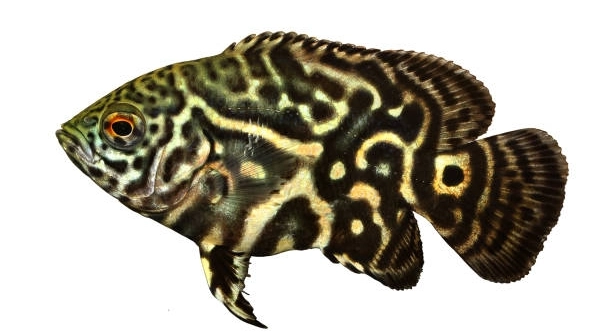
Oscar fish are known for their unique behaviors, and one that often catches owners’ attention is their spinning after feeding. This curious action might leave you wondering what could be causing this unusual behavior.
Oscars may spin after feeding due to a variety of factors, including excitement, digestion, or a reaction to the food. Sometimes, spinning could be a sign of a natural hunting behavior or even an attempt to shake off extra energy.
Understanding why your Oscar fish spins can help ensure they remain healthy and comfortable in their tank. There are several potential reasons behind the spinning that are worth exploring in more detail.
Common Causes for Spinning After Feeding
Oscars are active and curious fish, and spinning after eating can be a way for them to release built-up energy. This behavior often happens when they feel excited or overstimulated by the food. In the wild, their ancestors would quickly dart around while hunting or moving through their environment. In captivity, they may display this same behavior after eating, especially if they are given a large meal or a food type they find particularly tasty. The spinning could simply be a way for the fish to express this excitement.
In addition to excitement, some Oscar fish might spin to help digest their food. This action can be part of a natural response that aids in breaking down their meals. When an Oscar feels that its food intake is too much, spinning could be a way to shake off the excess or encourage better digestion.
It’s important to remember that this spinning isn’t necessarily a sign of distress. However, if it becomes excessive or if the fish seems unwell, it could indicate a deeper issue, such as water quality problems or an underlying health condition. Monitoring their behavior and water parameters will help ensure they stay healthy and active.
Is It a Sign of Stress or Illness?
Sometimes spinning after eating can be a sign of stress or discomfort in your Oscar fish. If they exhibit other unusual behaviors, it’s worth checking the tank conditions.
Oscar fish are known for their strong personalities and intelligence, and they can sometimes become stressed due to factors like water quality or overcrowding. Poor water conditions, such as high ammonia or nitrite levels, can cause your Oscar to feel anxious or uncomfortable, leading to spinning or other erratic movements.
In addition, Oscars are sensitive to changes in their environment, including the introduction of new fish, changes in temperature, or even the type of food they are fed. While spinning is not inherently dangerous, repeated or excessive spinning after feeding can point to something more serious. Stress can weaken the immune system of the fish, making them more susceptible to illness.
If you suspect that stress or illness is behind the spinning, it’s important to address the root cause. Start by checking water quality and maintaining a stable environment for your Oscar. Proper care and attention can help ensure your fish remains healthy and active.
Overfeeding and Spinning Behavior
Overfeeding your Oscar fish can lead to spinning after meals. If you give them more food than they need, they may become overly excited or uncomfortable, which might cause them to spin. This is because they’re trying to deal with the excess food in their stomachs.
When Oscars eat too much, their digestion can become sluggish, which can lead to bloating or gas. The spinning could be a response to this discomfort. If your fish starts showing signs of overeating, try cutting back on the amount of food you provide. Oscars should only be fed as much as they can consume in a few minutes. Overfeeding can also contribute to poor water quality, which could further stress your fish and cause additional spinning or erratic behavior.
It’s important to observe your Oscar after feeding to ensure that they aren’t consistently overfed. If they continue to spin after meals, reducing the portion size may help improve the situation. Proper feeding practices will not only keep your Oscar happy but also maintain a healthier tank environment.
Tank Environment and Its Role in Behavior
The tank environment plays a big role in your Oscar’s behavior. Poor water quality, unsuitable tank size, or lack of hiding spots can stress your fish and cause unusual behaviors like spinning.
A cramped tank or an overcrowded setup can make Oscars feel insecure and anxious, leading them to act out. Additionally, changes in water temperature or pH levels can trigger discomfort. Oscars are known to be sensitive to these changes. If your tank isn’t clean or well-maintained, the buildup of waste can cause your Oscar to feel stressed, prompting them to exhibit spinning behaviors after eating. Regular water changes and proper filtration can help maintain a healthy environment, reducing the chances of these behaviors.
Pay attention to how your Oscar interacts with the environment around them. Keeping the tank in optimal condition can help prevent unwanted behavior and keep your fish comfortable in their habitat.
Hunger and Spinning After Feeding
Oscars sometimes spin after feeding due to hunger or anticipation of more food. After eating, they may still feel the urge to search for more, causing them to swim in circles.
If the Oscar is still hungry or used to being overfed, it may continue this spinning behavior, searching for additional food. This is often more common in fish that aren’t on a regular feeding schedule. Proper portion control and a consistent feeding routine can help reduce this behavior. Ensuring your Oscar is well-fed but not overfed will keep them satisfied and less likely to spin in search of more.
The Role of Tank Mates
Tank mates can affect your Oscar’s behavior, including spinning. If the tank is too crowded or there are aggressive fish, your Oscar may feel stressed.
A peaceful and spacious tank environment is key to ensuring your Oscar feels secure. It’s essential to choose compatible tank mates that won’t cause undue stress or competition for food. If the Oscar is constantly battling for space or food, it can lead to spinning as a response to anxiety or discomfort. Keeping a balanced tank with the right fish and proper space can significantly reduce this behavior.
FAQ
Why is my Oscar fish spinning after eating?
Oscar fish may spin after eating for several reasons. It could be due to excitement or overstimulation, especially if the fish is very hungry or enjoys the food. Spinning might also be a response to digesting food, helping them release any excess energy or discomfort from a large meal. Another possibility is overfeeding, where your fish might feel uncomfortable from eating too much. If your Oscar is consistently spinning after meals, it’s worth checking your feeding practices, tank size, and water quality to ensure your fish is healthy and comfortable.
How can I stop my Oscar from spinning after meals?
To stop your Oscar from spinning after meals, try adjusting their feeding routine. Make sure you’re feeding them an appropriate amount of food. Overfeeding can cause discomfort and lead to spinning. Establish a feeding schedule where they only receive as much food as they can consume in a few minutes. Additionally, monitor your Oscar’s tank environment. Make sure the water quality is optimal and that the tank is large enough for them to swim freely without feeling stressed. Keeping these factors in check can help reduce the spinning behavior.
Can poor water quality cause my Oscar to spin after feeding?
Yes, poor water quality can contribute to erratic behaviors like spinning. Oscars are sensitive to changes in their environment, especially when it comes to water quality. High levels of ammonia, nitrites, or nitrates can stress your fish, leading them to exhibit strange behaviors. Spinning could be a response to this discomfort. To prevent this, regularly test your tank water and perform water changes as needed. Keeping the water clean and maintaining proper filtration will improve your fish’s health and reduce spinning behavior.
Is spinning after feeding a sign of a health problem?
In most cases, spinning after feeding is not an immediate sign of a serious health issue, but it can indicate discomfort or stress. However, if your Oscar is spinning excessively, along with other symptoms like lethargy, loss of appetite, or abnormal swimming patterns, it could be a sign of a health problem. Stress from poor water quality, overcrowding, or illness could cause these behaviors. Always monitor your Oscar’s general condition and seek advice from a vet or fish specialist if you notice additional concerning symptoms.
What type of food should I feed my Oscar to avoid spinning?
The type of food you feed your Oscar can play a role in their behavior. Providing high-quality, nutritious food is key to preventing overfeeding and discomfort. Stick to a balanced diet consisting of pellets, live food, or frozen options like shrimp, worms, and fish. Avoid overfeeding with fatty or overly large meals that could cause bloating. Feeding your Oscar in smaller, controlled amounts will help keep them satisfied without causing discomfort, reducing the likelihood of spinning after meals.
Can tank mates contribute to spinning behavior in my Oscar?
Yes, tank mates can influence your Oscar’s behavior, including spinning. If your Oscar feels threatened or stressed by other fish, it might exhibit signs of anxiety, such as spinning or rapid swimming. Overcrowding or introducing aggressive tank mates can contribute to this stress. Make sure your Oscar’s tank has enough space and choose compatible fish that won’t disrupt its comfort. Having a peaceful tank with plenty of room will reduce the chance of spinning caused by stress from other fish.
Does spinning after eating mean my Oscar is stressed?
Spinning after eating could be a sign of stress, especially if it’s excessive. Stress in Oscar fish can result from poor water quality, overcrowding, or aggressive tank mates. If your Oscar is consistently spinning after meals, it’s a good idea to check these factors. However, occasional spinning may also simply be a natural reaction to the excitement of eating or digesting. Pay attention to other signs of stress, such as abnormal swimming or hiding, to determine if the behavior is related to stress or just a normal post-feeding action.
How can I improve my Oscar’s environment to stop spinning?
To improve your Oscar’s environment, start by ensuring the tank is large enough for them to swim freely, with proper hiding spots and decorations. Check your water quality regularly, testing for ammonia, nitrites, and nitrates, and perform water changes as needed. Keeping the water clean and stable can help reduce stress and prevent spinning. Additionally, make sure there are no aggressive tank mates or overcrowding, which can also cause your Oscar to spin out of anxiety or frustration. A well-maintained, peaceful tank environment can go a long way in reducing unwanted behaviors.
Why does my Oscar spin in circles during feeding time?
Spinning in circles during feeding time could be a sign of excitement or impatience. Oscars are intelligent fish, and they often recognize feeding time as an opportunity to receive food. The spinning could simply be their way of expressing excitement, anticipation, or even frustration if they’re hungry and want more food. It’s also possible that spinning in circles is a part of their natural hunting behavior, mimicking movements they would make in the wild when searching for food. If this behavior is excessive, ensure you are feeding the right amount of food and consider their overall health and environment.
Is spinning after feeding normal for all Oscars?
While spinning after feeding is not unusual for Oscar fish, it is not always observed in every individual. Some Oscars may show this behavior due to excitement or excess energy after eating, while others may not exhibit spinning at all. Each fish has its own personality, and some may prefer swimming calmly after eating. If your Oscar spins but shows no signs of distress or discomfort, it’s likely a normal part of their behavior. However, if the spinning is frequent or accompanied by other unusual signs, you should monitor their health and environment more closely.
Final Thoughts
Oscars are fascinating fish with unique behaviors, and spinning after feeding is just one of the ways they express themselves. While it can be a bit surprising to see your Oscar spin in circles, it’s usually not a sign of anything serious. Most of the time, this behavior is a result of excitement, overstimulation, or even the natural process of digestion. Oscars are intelligent and active fish, so a little spinning can simply be a way for them to release excess energy after a meal. However, as an owner, it’s important to keep an eye on their overall behavior and health to ensure everything is in balance.
That being said, it’s essential to pay attention to factors like water quality, feeding practices, and tank mates. Poor water conditions or overcrowded tanks can cause stress, which may lead to spinning and other erratic behaviors. By keeping your Oscar’s tank clean, providing them with enough space, and choosing compatible tank mates, you can help create a stress-free environment that reduces the chances of excessive spinning. Additionally, feeding your Oscar the right amount of food at regular intervals will prevent overfeeding, which could lead to discomfort and further spinning behavior. Healthy habits in both the tank environment and feeding schedule will go a long way in ensuring your Oscar remains happy and active.
Lastly, while spinning isn’t typically a cause for concern, it’s always a good idea to monitor any changes in behavior. If your Oscar’s spinning becomes excessive or is paired with signs of illness, such as lethargy or loss of appetite, it’s important to look deeper into possible causes. Stress, poor water quality, and health issues can sometimes present themselves in unexpected ways. By keeping a watchful eye on your fish, you can address any concerns early on and make sure your Oscar continues to thrive in its aquatic home.

Hello,
If you enjoy the content that we create, please consider saying a "Thank You!" by leaving a tip.
Every little bit helps us continue crafting quality advice that supports the health, happiness, and well-being of pets around the world, for pets of all shapes, sizes, and species.
We really appreciate the kindness and support that you show us!