
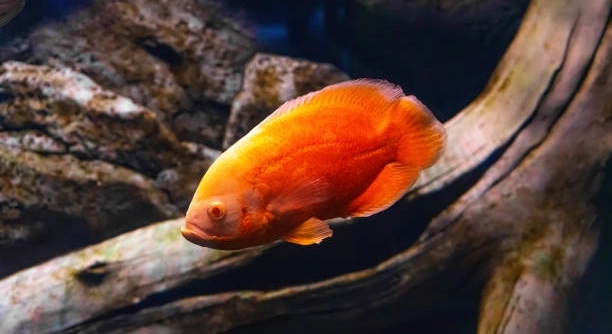
Has your Oscar fish suddenly paused in the middle of the tank, leaving you unsure of what’s causing this unexpected behavior?
The most common reason an Oscar fish stops swimming mid-tank is stress caused by water quality, illness, or environmental disruption. These factors can affect the fish’s behavior, leading to lethargy or stationary floating.
Understanding these causes can help you adjust tank conditions, improve your fish’s environment, and ensure your Oscar stays active and healthy.
Common Reasons Your Oscar Fish Stops Swimming Mid-Tank
When an Oscar fish stops swimming in the middle of the tank, stress is often the cause. This can come from poor water quality, sudden temperature changes, or incompatible tank mates. Oscars are sensitive fish that react quickly to their environment. High levels of ammonia, nitrites, or nitrates can make them uncomfortable and sluggish. A drop or spike in temperature may also affect their behavior. In some cases, aggressive tank mates may be bothering your Oscar, making it feel unsafe or territorial. These factors can lead to the fish remaining motionless or floating mid-tank without much activity.
Poor water conditions, especially low oxygen levels, can impact your Oscar’s ability to breathe and move comfortably in the tank.
Always monitor water parameters. Use a good filter, test water weekly, and make sure the tank is well-aerated. Keeping a stable and clean environment helps maintain healthy activity in your Oscar.
Signs Your Oscar Might Be Sick
Illness can also explain why your Oscar has stopped swimming. A sick fish often isolates itself, becomes pale, or loses its appetite. Some diseases can cause lethargy, swim bladder issues, or changes in buoyancy. If your Oscar is floating without moving or struggles to stay upright, internal problems may be affecting its swimming ability. Common issues include bacterial infections, parasites, or constipation. You might also notice white spots, frayed fins, or abnormal gill movement. These symptoms require close attention and a quick response. Consider isolating the fish in a hospital tank and treating it based on the observed signs.
Look for consistent symptoms over a day or two. Quick action and proper treatment can prevent long-term health problems or spread to other fish.
Environmental Stress and Tank Conditions
Environmental changes can quickly affect how your Oscar behaves. Sudden temperature drops, dirty water, or strong currents can stress the fish. Stress like this makes them stop swimming or hover in one place without energy.
Oscars need a stable environment with clean, warm water around 74–81°F. Keep ammonia and nitrite levels at zero and nitrate below 20 ppm. If levels rise, your fish might stop swimming normally. Use a reliable heater and thermometer, and avoid sudden water changes. Always treat tap water with a dechlorinator. A strong filter helps maintain oxygen and keeps waste under control. Adding live plants or decorations that provide hiding spots can also reduce stress. Avoid overcrowding, as Oscars need space to swim comfortably.
Use a soft, diffused lighting setup and limit loud noises or sudden vibrations near the tank. These small adjustments can help keep your Oscar calm, active, and less likely to freeze mid-tank.
Swim Bladder Problems
Swim bladder issues can make it hard for your Oscar to swim properly. It may float mid-tank or tip sideways. These problems are often caused by poor diet, constipation, or internal infections that affect buoyancy.
Feed your Oscar a high-quality diet that includes pellets, frozen food, and occasional vegetables like peas. Avoid feeding too much at once, as overeating leads to bloating and digestion problems. Constipation is a common cause of swim bladder issues and can usually be fixed by offering a blanched, shelled pea. If the problem continues, it may be an infection. In that case, isolate the fish and treat with antibacterial or antiparasitic medication. Keep the water warm and clean, as stress from poor conditions can make recovery harder. Watching how your Oscar floats or struggles when trying to swim can help identify if a swim bladder issue is the reason for its odd behavior.
Poor Diet and Feeding Habits
A poor diet can slow down your Oscar’s energy and activity. Feeding the same food every day or using low-quality pellets may lead to nutritional gaps that affect swimming behavior and overall health.
Oscars need a balanced diet with protein-rich pellets, occasional frozen foods, and vegetables. Mixing up their meals supports digestion and movement.
Injury or Physical Trauma
Injuries from tank decorations, rough handling, or aggressive tank mates can make your Oscar stop swimming. A fish in pain often stays still to avoid further stress.
Look for signs like torn fins, scrapes, or swelling. Keep the tank safe and remove anything sharp or aggressive fish.
Natural Resting Behavior
Sometimes an Oscar will simply rest mid-tank. If the fish looks healthy, eats well, and swims normally later, it may just be taking a break.
FAQ
Why is my Oscar fish hovering mid-tank?
Oscar fish may hover mid-tank due to various reasons such as stress, illness, or environmental issues. If your Oscar is stressed by changes in water temperature, poor water quality, or aggressive tank mates, it might stop swimming and float in one spot. Monitoring the water parameters, ensuring a stable temperature, and eliminating potential threats from other fish can help restore normal swimming behavior. If the problem persists, check for any signs of illness that could also cause lethargy.
How do I know if my Oscar is sick?
Sick Oscars will often exhibit signs like lethargy, loss of appetite, pale coloring, or abnormal swimming behavior. Look for symptoms such as swollen body parts, cloudy eyes, or skin lesions. If your Oscar is showing these signs, it’s crucial to isolate it in a quarantine tank and treat it with appropriate medication. Regular water changes and monitoring tank conditions can help prevent many common illnesses. Keep an eye on your fish’s behavior, and if symptoms don’t improve after a few days, consult a vet or fish expert.
Can water temperature affect my Oscar’s swimming behavior?
Yes, water temperature plays a key role in your Oscar’s health and swimming behavior. These fish thrive in water between 74–81°F (23–27°C). If the temperature drops too low, your Oscar may become sluggish and float mid-tank. On the other hand, excessively high water temperatures can stress them, causing similar lethargic behavior. Using a reliable heater and thermometer to maintain a consistent water temperature is important for keeping your Oscar active and healthy.
What should I do if my Oscar has trouble swimming?
If your Oscar struggles to swim or has difficulty staying upright, it may have a swim bladder issue. This could be caused by constipation, overfeeding, or internal infections. Start by offering your Oscar a blanched pea to relieve constipation. If the problem persists, consult a vet or treat with an appropriate medication. Ensure the water is clean and well-oxygenated, as poor water quality can worsen swim bladder problems. A stable environment is essential for your Oscar’s recovery.
Can I treat my Oscar without separating it from the tank?
In most cases, it’s better to isolate a sick or injured Oscar in a separate quarantine tank. This allows for better treatment and prevents the spread of diseases to other fish. A quarantine tank also helps your Oscar recover without the stress of being around other potentially aggressive tank mates. If isolation isn’t possible, ensure that the main tank is clean, well-maintained, and free from stressors while administering treatment. Always use water conditioners and medications carefully to avoid harming the other fish.
How can I improve my Oscar’s water conditions?
Improving water conditions involves maintaining proper filtration, regular water changes, and monitoring chemical levels. Test the water regularly for ammonia, nitrites, and nitrates. Keep levels low, ideally below 20 ppm for nitrates. Install a good-quality filter that can handle the waste of an Oscar fish, and ensure the water is well-oxygenated. Perform water changes of 25–30% weekly to keep the tank environment fresh and healthy. Adding a water conditioner during water changes can help remove chlorine and chloramine, which can harm your Oscar.
What causes an Oscar to stop eating?
Loss of appetite in Oscars can be due to stress, water quality issues, or illness. If your fish is not eating, check for signs of water pollution, such as high levels of ammonia or nitrites. Illnesses like internal parasites or bacterial infections can also cause your Oscar to stop eating. If you’ve recently added new tank mates, the Oscar might be stressed by the change. Offer a variety of foods and avoid overfeeding. If the problem persists for more than a few days, consult a vet or fish expert for advice.
How do I prevent stress in my Oscar fish?
To prevent stress, maintain a stable tank environment. Keep the water temperature, pH, and filtration consistent. Avoid overcrowding the tank, as Oscars need space to swim freely. Provide hiding spots with plants or decorations where your Oscar can retreat if it feels threatened. Avoid abrupt changes in water parameters or sudden movements around the tank. Additionally, ensure that tank mates are peaceful, as aggression from other fish can stress your Oscar. Regular tank maintenance and a balanced diet will also help keep your Oscar calm.
How often should I feed my Oscar fish?
Oscar fish should be fed 2-3 times per day, with smaller meals each time. Overfeeding can lead to constipation or swim bladder problems, while underfeeding can cause malnutrition. Offering a variety of foods like high-quality pellets, frozen foods, and occasional vegetables like peas can provide your Oscar with the nutrients it needs. Make sure to remove any uneaten food after a few minutes to avoid polluting the water. Keeping a consistent feeding schedule helps maintain your Oscar’s health and prevents overfeeding.
Can Oscar fish live with other fish?
Oscar fish are generally territorial and may not get along with smaller or more passive fish. They can be aggressive towards tank mates, especially during feeding times or when establishing territory. It’s best to keep them with larger, robust fish that can handle their aggressive nature. Avoid housing them with fin-nippers or small fish that may become targets. If you want to add more fish to the tank, make sure they are compatible in size and temperament. Keep a close eye on interactions to prevent any stress or injury.
Final Thoughts
It’s normal to feel concerned when your Oscar fish stops swimming mid-tank, as their behavior can be a sign of various underlying issues. While sometimes it’s nothing to worry about, such as when the fish is resting, it could also indicate problems like poor water quality, illness, or stress. It’s important to observe your fish closely and monitor the environment to determine if there are any changes that could be affecting its behavior. Regular tank maintenance, proper feeding, and ensuring your Oscar is not under stress will go a long way in keeping it healthy and active.
Keeping Oscars in the best conditions is crucial for their health. Their large size and active nature mean they need ample space, clean water, and the right tank mates. If the water conditions aren’t ideal, it can affect your Oscar’s behavior and overall well-being. Regular water changes, keeping the temperature stable, and providing the right filtration will help maintain the tank environment. It’s essential to also check the water’s pH and hardness, as Oscars thrive in specific conditions. Making these simple changes can prevent many health issues and ensure your Oscar stays healthy for a long time.
When your Oscar exhibits unusual behavior, it’s always worth investigating further. Whether it’s a sign of stress, a physical injury, or something more serious like illness, early intervention can make a big difference. Keep an eye on its eating habits, swimming patterns, and overall appearance. Don’t hesitate to consult a vet or aquarium expert if the situation doesn’t improve after a few days. Your Oscar’s well-being is essential, and addressing any concerns early on will help ensure it continues to thrive in your care.

Hello,
If you enjoy the content that we create, please consider saying a "Thank You!" by leaving a tip.
Every little bit helps us continue crafting quality advice that supports the health, happiness, and well-being of pets around the world, for pets of all shapes, sizes, and species.
We really appreciate the kindness and support that you show us!