
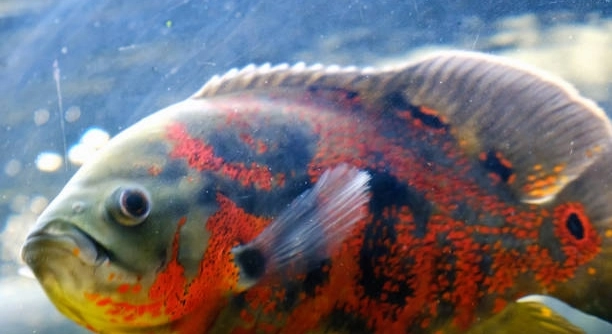
Have you ever noticed your Oscar fish acting strangely after you turn their tank light on or off? Changes in lighting can influence their behavior more than you might expect, even with just a small adjustment.
Oscar fish react to sudden tank light changes with a mix of stress, confusion, aggression, and hiding. These behaviors are natural responses to environmental shifts. Gradual adjustments help reduce their stress and encourage a healthier response over time.
Learning how light affects your Oscars can help you create a calmer and more stable environment they feel safe in.
Sudden Hiding and Avoidance
Oscar fish often react to abrupt light changes by quickly retreating to the bottom of the tank or hiding behind decorations. This response is tied to their natural instinct to avoid predators and seek shelter when their environment shifts suddenly. In the wild, changes in light often signal danger, such as a shadow from above or a sudden shift in the water. Even in a home aquarium, their instincts stay strong. This reaction doesn’t always mean something is wrong, but it does indicate that they feel unsafe or unsure. Consistency in lighting, or gradually dimming the light, can make a noticeable difference. Letting them adjust slowly reduces the risk of stress. Sudden darkness or bright light can overwhelm their senses, especially if they’re already feeling defensive. If your Oscar hides immediately after you switch the light, it’s usually best to leave them alone until they come out on their own.
Hiding isn’t always something to be worried about. It often means they’re just adjusting and figuring out if the new environment is safe.
Watching their behavior over time helps you know what’s normal for your Oscar and what might be a sign of something more serious.
Aggressive Outbursts Toward Tank Mates
Oscar fish can sometimes show aggression toward other fish when the light changes suddenly. This reaction is often related to confusion and an increased sense of territoriality. When their environment changes, they may feel the need to reestablish control. A light turning on or off can startle them and lead to quick, sometimes aggressive behavior. They might chase, nip, or display dominance over other tank mates. While this usually settles down after a short time, it’s important to monitor these reactions. Providing hiding spots for all fish in the tank helps reduce conflict and allows each fish a safe place to calm down. Introducing dim lighting before switching to full brightness, or using a timer for gradual light transitions, can significantly reduce these stress behaviors. Oscars are sensitive to their surroundings and benefit from routines that create a sense of safety. Consistency is key when managing a tank with multiple fish.
Glass Surfing or Erratic Swimming
Oscar fish sometimes begin swimming rapidly along the glass or darting back and forth when the light changes. This can be a sign of disorientation or a reaction to the reflection created by the sudden lighting shift.
This behavior often happens when they feel uncertain about their surroundings. The sudden light might reveal reflections on the glass, causing them to react as if another fish is present. Oscars are territorial, so they may attempt to confront what they believe is an intruder. At other times, the erratic movement is just their way of responding to the sensory overload that comes with abrupt lighting. This can lead to stress if it continues. Using a gradual lighting system or turning on a room light before the tank light can prevent this reaction. It’s also helpful to keep their environment stable to avoid unnecessary triggers.
If your Oscar keeps repeating this behavior, it may be helpful to look for patterns. Reactions like this after feeding, during tank maintenance, or at specific times of day can give insight into what’s causing it. Also, make sure there’s nothing reflective or distracting near the tank. Sometimes something as simple as a nearby screen or lamp can lead to repeated glass surfing. Small changes help reduce stress quickly.
Refusing Food After Light Change
Some Oscar fish will avoid eating if the tank lighting changes right before feeding. Their stress response makes them more focused on their environment than on food. It’s best to wait and try feeding later instead of forcing it.
Feeding should happen at a consistent time each day, ideally when the lighting is already stable. Changing the light just before feeding can throw off their routine and lower their appetite. Oscars often like to inspect their surroundings before they eat, and a sudden change may make them feel uneasy. It’s also a good idea to feed after they’ve calmed down and are moving around normally. Keep an eye on how long they avoid eating, and if it becomes a pattern, try adjusting your lighting schedule to better match their comfort level. Let them settle before expecting them to eat, especially after any sudden environmental shift. Routine and predictability keep them calm.
Color Fading or Darkening
Oscar fish may show a quick change in color after a sudden light shift. Their colors can fade or darken temporarily as a stress response. This is normal but should return to baseline once they feel safe again.
Color shifts are linked to mood and stress. If the change lasts more than a few hours, it might be time to reassess your lighting schedule or other tank conditions. Make adjustments gradually and observe how they react each time to better understand their preferences.
Hovering in Place Without Movement
This response usually looks like the Oscar is frozen in place. They might stop moving, hover mid-water, and seem unresponsive. It’s not uncommon and often means they are adjusting or trying to understand a sudden change. This behavior usually passes within a few minutes, especially if the environment stays calm. Avoid loud noises, movements, or further changes while they are in this state. Repeated behavior like this could be a sign that the light transitions are too abrupt or the tank setup needs some revision. A calmer, more gradual change helps avoid this freeze-like reaction. Stability really helps Oscars feel secure.
Gulping at the Surface
Oscar fish may swim to the top and gulp air after a light change. This is usually a sign of short-term stress or a search for reassurance in a familiar zone.
FAQ
Why do Oscar fish react so strongly to sudden light changes?
Oscar fish are highly aware of their surroundings and sudden changes can cause confusion or stress. A quick light shift can trigger a flight or freeze response, making them act out in different ways. This reaction is tied to their survival instincts. In the wild, light changes can signal danger or predators, so they’re naturally wired to respond quickly. Gradual lighting changes are less likely to startle them. Keeping tank lighting consistent helps reduce these strong responses over time.
Is it harmful if my Oscar darts around after the light comes on?
Occasional darting isn’t harmful, but if it happens often, it can lead to injuries. Oscar fish are strong swimmers, and if they panic, they may bump into decorations, glass, or tank equipment. This can cause physical stress and small scrapes. Repeated darting also signals that the lighting change is too harsh or sudden. Try turning on a room light first or switching to a dimmer bulb. Adjustments like these can create a gentler environment and help prevent this type of behavior.
Can Oscars get used to light changes over time?
Yes, they can adjust to a consistent schedule. If the light turns on and off at the same time each day, Oscars begin to expect the change. Their reactions become milder, and they are less likely to show stress. However, if the lighting pattern changes often or the light is too bright or too sudden, they may not adapt as easily. Automatic timers and soft lighting transitions can help them feel safer and more relaxed during the switch.
What’s the best way to reduce light-related stress in Oscar fish?
Use a gradual lighting routine. Turning on a nearby room light before the tank light helps ease the transition. You can also use a dimmable LED system or a light with a sunrise/sunset feature. Avoid switching lights on or off in total darkness or complete brightness. Keep the tank setup consistent and avoid sudden changes in decoration or water movement when changing the lights. All of this works together to keep your Oscar fish calm and secure.
Why does my Oscar refuse food right after a lighting change?
Refusing food after a light change is usually caused by stress or distraction. If the fish is startled, it may take time to settle back into its normal behavior. Try feeding your Oscar once it begins swimming normally again. Giving them 10–15 minutes to adjust can make a big difference. Feeding in stable lighting conditions builds better habits and reduces anxiety around food. Regular routines help Oscars know what to expect, which encourages healthy feeding.
Is color change after lighting shifts something to worry about?
Temporary color changes are normal. Oscars can lighten or darken when they are startled or stressed. As long as the color returns to normal shortly after, there’s no reason to worry. If your Oscar stays pale or dark for long periods, check for other stressors like poor water quality or loud noise. Color is a good visual signal of how your Oscar feels. Watch for patterns and look at how quickly the fish returns to its regular behavior.
How can I tell if my Oscar is stressed from lighting versus other causes?
Look at the timing of the reaction. If the behavior begins immediately after the light changes and fades after a short period, the lighting is likely the cause. Other stress factors may create longer-lasting or more intense behavior, such as hiding all day or refusing food for several meals. Keep a record of lighting habits and compare them to any changes in your Oscar’s behavior. This helps narrow down what’s really bothering the fish and gives you a better chance to fix it.
Final Thoughts
Oscar fish are sensitive to changes in their environment, and lighting plays a bigger role than many people realize. A sudden change in tank light can cause stress, confusion, or defensive behavior. This includes darting, hiding, color fading, or hovering in place. These responses are natural for Oscar fish, especially if the change is unexpected. Their sharp awareness and instincts cause them to react quickly to anything that feels unfamiliar or unsafe. While some of these behaviors may look dramatic, they usually pass once the fish feels secure again. Still, it’s helpful to watch closely and make adjustments if needed.
A slow and steady approach to lighting makes a noticeable difference. Using timers, soft light bulbs, or turning on a nearby light before the tank light can ease transitions. Gradual changes help reduce stress and keep the fish calm. Oscars feel safer in stable environments, where their daily routine stays the same. They respond well to predictability, including light schedules and feeding times. If your Oscar often reacts to lighting changes, small changes to your routine may solve the issue. Creating a calm and stable setting supports their overall health and comfort. Paying attention to how your fish behaves during and after these changes gives useful clues.
Learning how Oscar fish react to light helps you take better care of them. Their behavior may seem unusual at first, but it is often a direct response to their surroundings. When you recognize the patterns and know what to expect, it becomes easier to support their needs. With consistency and care, most lighting-related stress can be avoided. Watching their behavior, making small adjustments, and keeping the tank calm will go a long way in keeping your Oscar relaxed and healthy. A well-cared-for Oscar will show bright colors, active swimming, and a healthy appetite—signs that your setup is working well.

Hello,
If you enjoy the content that we create, please consider saying a "Thank You!" by leaving a tip.
Every little bit helps us continue crafting quality advice that supports the health, happiness, and well-being of pets around the world, for pets of all shapes, sizes, and species.
We really appreciate the kindness and support that you show us!