
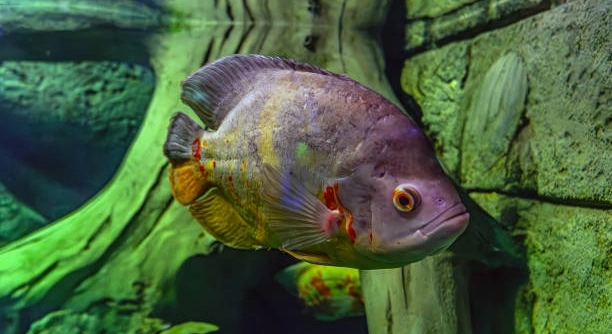
Many Oscar fish owners may notice their fish acting sleepy during the day. This behavior can leave you wondering if it’s normal or something to be concerned about. Understanding why this happens can help you keep them healthy.
Oscars are naturally more active during dawn and dusk, being crepuscular by nature. Daytime sleepiness is typically a result of this behavior pattern. Other factors like water quality, temperature, and stress can also contribute to their lethargy.
There are several reasons why your Oscar may seem sleepy. These include environmental factors and natural habits, all of which are important to consider.
Natural Sleep Patterns of Oscars
Oscars are known for being more active during twilight hours, meaning they tend to rest during the day. This is a natural behavior tied to their instincts as crepuscular fish, which prefer low light. They are most active at dawn and dusk, when it’s easier for them to hunt and explore. You may notice that your Oscar is more energetic at night, swimming around or interacting with its environment.
This resting behavior during daylight hours is completely normal and part of their biological rhythm. Oscars typically rest in caves or quiet spaces, sometimes hiding from light and disturbances. If your Oscar seems particularly sleepy during the day, it’s just following its natural cycle.
Maintaining a consistent light cycle in the aquarium can help your Oscar feel secure. This rhythm helps keep them healthy and in tune with their natural instincts. Too much light during the day may interfere with their natural sleeping patterns and could cause stress, so it’s essential to create an environment that supports their comfort.
Environmental Factors Affecting Sleep
The water conditions in your tank directly impact your Oscar’s sleep. Temperature, pH, and water cleanliness are all essential elements that influence how they behave.
Oscars thrive in stable environments, and sudden changes in these factors can make them feel stressed. Stress causes fish to become lethargic or withdrawn. If the water is too warm, too cold, or not properly filtered, your Oscar may sleep more to conserve energy. Checking water parameters regularly can help keep your fish healthy and active.
A proper aquarium setup with stable water conditions is crucial for maintaining your Oscar’s normal sleeping habits. Regular maintenance of water quality ensures your fish stays comfortable, reducing unnecessary stress.
Temperature and Its Effect on Oscars
Oscars prefer a warm environment, with ideal temperatures ranging from 74°F to 81°F. If the water temperature drops too low, they may become sluggish and inactive during the day. A heater helps maintain consistent warmth, ensuring your Oscar stays comfortable and active.
Cold water stresses Oscars, causing them to sleep more often to conserve energy. Without a heater, the temperature can fluctuate, making the fish feel insecure. This stress can lead to lethargy, where Oscars might appear sleepy or less interested in swimming. Keeping the water temperature stable and within the recommended range helps avoid this issue.
If you notice your Oscar becoming more lethargic during the day, check the water temperature regularly. A quality aquarium thermometer is a simple tool to ensure your fish’s environment remains at the right warmth. Stable conditions allow Oscars to stay active and healthy throughout the day.
Stress and Its Impact on Behavior
Stress is a common cause of daytime sleepiness in Oscars. Factors like sudden changes in their environment, loud noises, or the presence of aggressive tank mates can cause them to retreat into hiding and rest. It’s important to maintain a peaceful aquarium.
Oscars are territorial fish, and they can get stressed if their space is threatened. Overcrowding or introducing new tank mates too quickly can also lead to stress, causing your Oscar to withdraw and rest more. Fish need time to adjust to changes, and this adjustment period can make them appear sleepy as they recover from the stress.
To reduce stress, ensure that your Oscar’s tank is set up with ample hiding spots and enough space. Providing a calm environment where your fish can feel secure will promote their natural behavior, including healthy sleep cycles. This way, they’ll be less likely to appear lethargic or sleepy during the day.
Poor Water Quality
Oscar fish are sensitive to changes in water quality, which can lead to lethargy. High levels of ammonia, nitrites, or nitrates can cause stress and sleepiness, making your Oscar appear tired or inactive.
If the water quality isn’t optimal, Oscars will avoid swimming and become more reclusive. Poor filtration or irregular water changes can cause these issues. Keeping the water clean is essential for your Oscar’s health and activity levels.
Regular water changes and proper filtration are key to maintaining water quality. This helps prevent stress, ensuring your Oscar stays active and alert during the day.
Illness or Injury
Oscars may become lethargic if they’re unwell or injured. Infections or physical damage can cause them to rest more and appear tired during the day.
Signs like loss of appetite, abnormal swimming, or discoloration are indicators of health problems. It’s important to monitor your Oscar closely for any of these signs and take appropriate action.
If you suspect illness, isolate the affected fish and adjust the water conditions. Consult with a vet or aquatic expert for guidance on proper treatment. Timely care can prevent further complications and restore your Oscar’s energy levels.
Diet and Overfeeding
Overfeeding your Oscar can cause lethargy. When fish consume too much food, they may struggle to digest it, leading to sluggishness and sleepiness.
Feeding your Oscar too often or in large amounts can also cause health problems like bloating. Oscars will naturally rest more to conserve energy when digestion becomes difficult. It’s best to provide them with the right amount of food and avoid overfeeding.
Feeding your Oscar a balanced diet of high-quality pellets, fresh vegetables, and occasional live food ensures they remain healthy and active. Always feed them in controlled portions to prevent overfeeding and the resulting lethargy.
FAQ
Why is my Oscar fish swimming in circles?
Oscars swimming in circles may be showing signs of stress or confusion. This could be due to poor water quality, illness, or a lack of space. If the water isn’t clean or the tank is overcrowded, it can make your Oscar anxious, leading to abnormal swimming patterns. This can also be a sign of boredom or frustration. Try checking the water parameters and ensuring there’s enough space for your fish to move freely.
How do I know if my Oscar is sick?
Sick Oscars often display several signs. You may notice them swimming erratically, hiding more than usual, or not eating. Their colors may change, becoming dull or patchy. If they’re scratching against objects or have visible sores, this is also a sign of illness. It’s important to monitor them closely and make any necessary adjustments to the water quality or temperature. If symptoms persist, seek advice from a veterinarian who specializes in fish care.
Can Oscars survive in cooler water?
Oscars can survive in cooler water for a short time, but it’s not ideal. They are tropical fish and prefer temperatures between 74°F and 81°F. Prolonged exposure to cold water can lead to stress, reduced immune function, and lethargy. In cooler environments, Oscars may become sluggish and prone to disease. It’s best to use a heater to maintain a stable temperature within their optimal range.
Why is my Oscar always hiding?
Oscars may hide for various reasons. Stress, illness, or changes in their environment can make them retreat to a hiding spot. They might also be hiding if they feel threatened by tank mates or if they’re not feeling well. It’s important to observe their behavior and check if there are any signs of illness or stress, such as changes in their appearance or swimming patterns. Providing plenty of hiding places in the tank can help them feel more secure.
How do I reduce stress in my Oscar fish?
To reduce stress, maintain stable water conditions, including proper temperature, pH, and ammonia levels. Avoid overcrowding and ensure your Oscar has enough space to swim. Adding hiding spots, like caves or plants, can help them feel secure. Additionally, avoid sudden changes in the tank, such as rearranging decorations or adding new fish too quickly. Keeping the environment calm and consistent is key to preventing stress.
Can Oscars live with other fish?
Yes, Oscars can live with other fish, but they tend to be territorial. It’s best to keep them with other large, peaceful fish that can handle their size and behavior. Avoid pairing Oscars with small or delicate fish, as they might become targets. Be cautious when introducing new tank mates to avoid aggression or stress. Regularly monitor interactions to ensure harmony in the tank.
Why is my Oscar not eating?
If your Oscar isn’t eating, there may be a few reasons. It could be due to water quality issues, illness, or stress. Changes in the environment, such as new tank mates or an unbalanced diet, can also cause a loss of appetite. If your Oscar is still not eating after a few days, check for signs of illness and consider consulting a vet or fish expert for advice on how to get them back to a healthy feeding routine.
How often should I feed my Oscar fish?
Feed your Oscar fish 2-3 times a day, offering them as much food as they can eat in a few minutes. Avoid overfeeding, as this can lead to health problems like bloating and lethargy. A varied diet that includes high-quality pellets, frozen or live food, and vegetables will provide them with all the necessary nutrients. Keep track of their eating habits, and adjust portions as needed to avoid waste and ensure they’re getting the right amount of food.
What’s the best tank size for an Oscar?
A minimum of a 75-gallon tank is recommended for a single Oscar fish. Oscars are large and require ample swimming space. If you plan to keep more than one Oscar, you’ll need a larger tank to prevent territorial issues and stress. Proper tank size also helps maintain water quality and temperature stability. A larger tank makes it easier to create a comfortable environment for your Oscar to thrive in.
Why does my Oscar swim upside down?
Oscars swimming upside down could be a sign of a swim bladder disorder, which affects their buoyancy. This condition can be caused by overfeeding, poor water quality, or infections. It may also result from physical injury or stress. If your Oscar is consistently swimming upside down or showing signs of distress, it’s best to address the underlying issue. Adjusting their diet, improving water conditions, and consulting with a vet can help resolve the problem.
Final Thoughts
Oscar fish are beautiful, intelligent creatures that make fascinating pets, but they require attention and care to thrive. Their behavior, such as lethargy or unusual swimming patterns, can often be traced back to water quality, diet, or environmental factors. Understanding the causes of these issues and knowing how to address them will help ensure that your Oscar remains healthy and active. Keeping their environment stable and clean is one of the most important things you can do for their well-being.
If your Oscar starts showing signs of illness or stress, it’s essential to monitor their behavior closely. Changes in appetite, swimming, or appearance can be red flags that something is wrong. Often, addressing water quality issues or adjusting the tank environment can resolve many of these problems. However, if symptoms persist, seeking professional advice from a veterinarian is a good step to ensure they receive proper treatment. Regular health checks, a balanced diet, and a spacious, clean tank are the best ways to prevent many of the common issues Oscars face.
Remember that Oscars are active fish that need space and stimulation. Providing them with enough room to swim, hiding places to feel secure, and plenty of opportunities for mental and physical exercise is crucial. With the right care and environment, your Oscar can live a long, healthy life. By being proactive about their needs, you can enjoy a happy and vibrant fish that will continue to brighten up your home.

Hello,
If you enjoy the content that we create, please consider saying a "Thank You!" by leaving a tip.
Every little bit helps us continue crafting quality advice that supports the health, happiness, and well-being of pets around the world, for pets of all shapes, sizes, and species.
We really appreciate the kindness and support that you show us!