
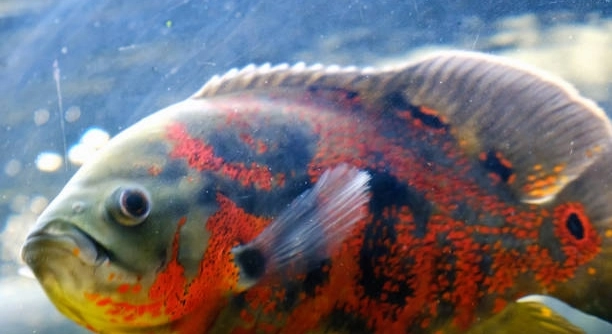
Do you ever find yourself watching your Oscar fish act strangely and wonder if it just means they’re finally feeling at ease?
Oscar fish display a range of unusual behaviors when relaxed, including floating sideways, twitching their fins slowly, rubbing against objects, or even changing colors slightly. These actions are typically harmless and indicate comfort rather than distress.
Some of these behaviors may look odd at first, but they often show your Oscar fish feels safe and content in its environment.
Floating on Their Side
When Oscar fish feel relaxed, they may float on their side, either near the surface or along the bottom of the tank. While it can seem alarming at first, this behavior often means they’re simply resting. Oscars are known for their bold personalities, and unlike many other fish, they enjoy taking breaks in still positions. If the fish isn’t gasping for air, showing signs of illness, or struggling to swim upright afterward, there’s usually no reason to worry. You might even notice them shifting positions slowly, using only slight fin movement. This is just another sign they’re comfortable in their surroundings. Watching for other signs of stress, like clamped fins or faded color, can help confirm they’re truly just resting. A calm environment, clean water, and minimal disturbances will encourage this relaxed behavior in Oscar fish. It’s a natural and safe way for them to unwind throughout the day.
Oscar fish are curious creatures and often show personality through their actions. Side-floating is one of their most misunderstood behaviors.
Though unusual, this behavior shouldn’t cause concern unless paired with signs of illness. If your Oscar fish is still eating, moving normally, and looks healthy overall, then it’s most likely feeling at ease.
Twitching Their Fins Slowly
One subtle sign of relaxation in Oscar fish is a soft, slow twitching of their fins. This gentle motion often happens while they hover in one spot or explore their space at a relaxed pace.
Oscar fish use body language to communicate how they’re feeling. When their fins move slowly and without tension, it suggests they’re not on alert. Instead of rapid, sharp movements—which could signal irritation or fear—this laid-back fin twitching is closer to how a person might stretch after settling into a cozy chair. It can happen during calm moments when tank lighting is soft, or right after feeding when the fish feels satisfied. It’s also common when they’re around familiar objects or decorations they enjoy. These relaxed movements show they feel secure in their space. If you maintain consistent tank conditions, including stable temperatures and regular cleaning, your Oscar fish will likely display this behavior more often.
Rubbing Against Decorations
Oscar fish sometimes rub their bodies gently against tank decorations or rocks when they feel relaxed. This behavior can look like scratching, but in many cases, it’s simply a way for them to interact with their environment calmly.
When the tank conditions are healthy and stable, rubbing against surfaces may signal that your Oscar fish feels safe enough to engage with its surroundings. It’s often compared to a cat rubbing its head against furniture—not out of discomfort, but as a form of mild stimulation or enjoyment. If your fish isn’t showing signs of stress like flashing, white spots, or frayed fins, this behavior is usually harmless. It can also mean the decorations are a comforting part of their routine. Keep the tank clean and avoid sharp edges to support this positive interaction. The more comfortable they feel, the more often you’ll notice this kind of peaceful behavior.
Oscars are known for their awareness and interaction with tank elements. If they’re rubbing against objects without distress, it’s usually a form of expression rather than a warning sign. You might see them return to the same rock or decoration repeatedly. This shows they’ve found something familiar and comforting, which is a good indicator that they’re at ease.
Slight Color Changes
Some Oscar fish show subtle shifts in color when they feel comfortable. You might notice a richer tone or a temporary pattern that appears more pronounced. This type of color change is often a response to mood and setting.
Oscar fish use their coloration to communicate emotions. When they’re stressed, they may fade or darken noticeably. But when they’re relaxed, they can brighten slightly or develop deeper hues along their sides. These changes aren’t permanent—just part of their natural ability to adjust visually based on how they feel. You might notice these shifts after a meal, during quiet moments, or when they interact with familiar tank mates. It’s important to observe patterns rather than single occurrences. If the changes are brief and not paired with other symptoms like lethargy or loss of appetite, they’re usually a positive sign. Keeping a consistent routine helps them stay settled and show these healthy shifts more often.
Hovering in One Spot
A relaxed Oscar fish may hover in one place for several minutes without much movement. This stillness usually means they feel calm and unbothered. If the water conditions are right, this behavior can happen regularly throughout the day.
You might notice them staying near a favorite decoration or open area of the tank. Their fins will move slowly, and they’ll remain upright. This calm hovering is often mistaken for boredom, but it’s actually a sign they’re settled in.
Gliding Instead of Darting
When Oscar fish feel secure, they move with smooth, steady glides across the tank. There’s no rush or sharp turns—just gentle swimming from one side to the other. This kind of movement shows they’re comfortable and not reacting to sudden stress or fear. Their motion becomes more graceful and less defensive.
Relaxed Mouth Movements
Their mouths may open and close slowly when they’re calm. This soft, rhythmic motion often happens during quiet periods and isn’t related to eating.
FAQ
1. What should I do if my Oscar fish stops eating?
If your Oscar fish suddenly stops eating, it could be a sign of stress or illness. First, check the water quality, temperature, and tank conditions to ensure everything is optimal. Oscars can become picky eaters if the water isn’t clean or if they’re stressed. Try offering a variety of foods, such as live or frozen fish, to see if they regain interest. If they still refuse food for more than a few days, consider consulting a vet to rule out any health issues.
2. How can I tell if my Oscar fish is sick?
Oscar fish show various signs when they’re unwell. Common symptoms of sickness include lethargy, loss of appetite, faded colors, clamped fins, and unusual swimming patterns. If your fish is swimming erratically, scraping against objects, or showing abnormal behaviors, the water conditions might need adjustment. A trip to the vet may also be necessary for a more accurate diagnosis.
3. Can Oscars live with other fish?
Yes, Oscars can live with other fish, but they need careful tankmate selection. They’re aggressive by nature, so choose peaceful or similarly sized species. Avoid keeping them with very small fish that could easily become prey. It’s essential to have a large tank with plenty of hiding spots to reduce territorial behavior. Always monitor interactions between your Oscar and its tankmates to avoid potential conflicts.
4. Do Oscar fish get lonely?
Oscar fish are solitary by nature and don’t require constant social interaction with other fish. While they might show curiosity towards tankmates, they don’t experience loneliness in the way humans or some other animals do. Oscars are more focused on their immediate environment and don’t form strong bonds like some other species. However, they do appreciate space to roam and explore.
5. Why does my Oscar fish change color?
Oscar fish may change color due to various factors, including water conditions, stress, or even breeding behavior. They often darken when they feel threatened or uncomfortable, while brighter colors may appear when they’re calm or well-fed. Keep an eye on their overall health and environment—consistent, stable conditions will help prevent excessive or unexpected color changes.
6. How often should I feed my Oscar fish?
Oscar fish should be fed once or twice a day, depending on their age and size. Juvenile Oscars might require more frequent feeding, while adults generally do well with one meal a day. Overfeeding can lead to health problems and water quality issues, so avoid giving them too much food at once. Stick to a balanced diet of pellets, live food, or frozen fish for variety and nutrition.
7. How can I reduce Oscar fish aggression?
To reduce aggression in Oscar fish, ensure the tank is large enough to accommodate their size and territorial behavior. Provide hiding spots or decorations where they can retreat when feeling threatened. Avoid overcrowding the tank, and choose tankmates wisely—small or slow-moving fish are more likely to become targets. Regular water changes also help maintain a stable, less stressful environment.
8. What size tank do I need for an Oscar fish?
Oscar fish require a large tank to thrive. A minimum of a 75-gallon tank is recommended for one Oscar, though larger tanks (100 gallons or more) are ideal if you plan to keep multiple Oscars or other large fish. Oscars are active swimmers, and they need ample space to feel comfortable.
9. Can I keep Oscar fish in a tank with plants?
While Oscar fish can live in a tank with plants, they’re known to dig and uproot them, so it can be a challenge to maintain live plants. If you want to add plants to the tank, choose hardier varieties like Anubias or Java fern, which are more resistant to being disturbed. Alternatively, you can use plastic or silk plants for decoration.
10. How do I know if my Oscar is happy?
A happy Oscar fish will swim actively, show bright colors, and display natural behaviors like slow fin twitching or gentle rubbing against tank objects. If they’re eating well, maintaining steady growth, and moving comfortably throughout the tank, it’s a good sign they’re content. However, pay attention to any signs of distress, like unusual behavior, loss of appetite, or color fading, which can indicate problems.
11. Is it normal for Oscar fish to be territorial?
Yes, Oscar fish are territorial creatures, especially when they feel secure in their environment. They often claim a particular area of the tank as their own and may become aggressive towards other fish that enter their space. Providing plenty of hiding spots and a large enough tank can help minimize aggressive interactions with tankmates.
12. What temperature should my Oscar fish tank be?
Oscar fish prefer warm water with a temperature range of 74°F to 81°F (23°C to 27°C). Consistent water temperature is essential for their health, so use a reliable aquarium heater to maintain stable conditions. Avoid sudden temperature changes, as this can stress your fish and potentially lead to illness.
13. How long do Oscar fish live?
Oscar fish typically live between 10 and 15 years in a well-maintained tank. With proper care, including good water quality, regular feeding, and a suitable tank environment, some Oscars can even live longer. Keep an eye on their overall health to ensure they remain happy and healthy throughout their lifespan.
14. Can I breed Oscar fish in a home aquarium?
Breeding Oscar fish in a home aquarium is possible but requires specific conditions. You’ll need a large, well-established tank with stable water parameters. It’s best to have a pair of Oscars, and they should be sexually mature, usually around 1-2 years old. Prepare for possible aggression as they establish their breeding territory, and ensure there’s enough space for both the parents and the fry. If successful, the eggs will hatch in a few days, and you’ll need to care for the young fish until they are strong enough to join the rest of the tank.
Final Thoughts
Oscar fish are fascinating creatures with unique behaviors that make them stand out in any aquarium. Recognizing signs of relaxation, such as slow movements and a calm demeanor, helps ensure your fish are happy and comfortable. These signs often indicate a healthy environment, where water conditions are optimal, and stress levels are low. Watching your Oscar swim peacefully can be rewarding, knowing that they are content in their home.
Providing the right care for Oscar fish is key to their well-being. A spacious tank, suitable tankmates, and regular water changes are essential to maintaining a stress-free environment. It’s important to understand their needs and adapt to their behavior as they grow. With the right attention, Oscar fish can live for many years, offering enjoyment and beauty to your aquarium. Their personalities will develop over time, and they will show signs of relaxation when their environment is peaceful and stable.
Caring for Oscar fish doesn’t require a lot of complicated steps but demands patience and attention to detail. By understanding their behavior, you can create a comfortable space that meets their needs. If you notice any signs of stress or unusual behavior, it’s crucial to take action quickly to ensure your Oscar stays healthy. With proper care, you’ll have a thriving Oscar fish that will bring life and character to your aquarium for years to come.

Hello,
If you enjoy the content that we create, please consider saying a "Thank You!" by leaving a tip.
Every little bit helps us continue crafting quality advice that supports the health, happiness, and well-being of pets around the world, for pets of all shapes, sizes, and species.
We really appreciate the kindness and support that you show us!