
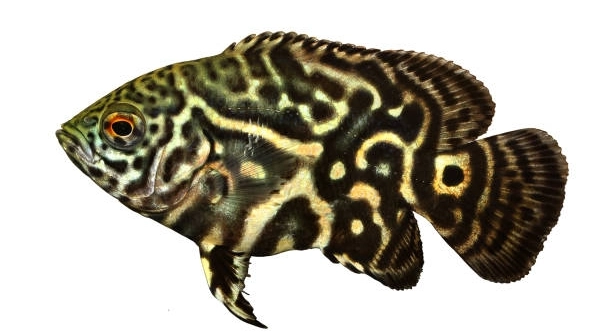
Is your Oscar fish spending more time behind decorations or plants instead of swimming freely around the tank like it used to?
Oscar fish often hide due to stress, changes in water conditions, illness, or shifts in their environment. These behaviors are usually a response to feeling unsafe or unwell. Identifying the cause is key to resolving the issue.
Understanding the reasons behind hiding can help you make the right changes and support your Oscar fish’s comfort and overall well-being.
Common Reasons Your Oscar Fish Is Hiding
Oscar fish may start hiding more when they’re feeling stressed. Changes in tank conditions like temperature, pH, or water quality can cause discomfort. New decorations or rearranged tank layouts may also make them uneasy. Sudden movements or loud noises near the tank might scare them into hiding. Sometimes, they just need time to adjust to a new environment. Illness is another possible reason. Look for other symptoms like reduced appetite, clamped fins, or color changes. If your Oscar was recently introduced to new tank mates, territorial behavior or aggression may be influencing its behavior. Oscars are sensitive to their surroundings, and small changes can create big reactions. Keeping the tank stable and quiet usually helps. Regular maintenance and observation are key to spotting unusual behavior early. Make sure your fish feels safe and secure in its space.
A stressed or sick Oscar fish will often retreat to corners, behind plants, or stay near the bottom of the tank.
If your Oscar fish starts hiding out of nowhere, check your water parameters first. Even small changes in ammonia, nitrites, or nitrates can make them uncomfortable. A sudden drop or rise in temperature may also stress them. Always monitor the heater and thermometer closely. A healthy, stable environment helps prevent stress-related hiding. Ensure that the filter is functioning well, as poor filtration can lead to a buildup of waste, which affects water quality. If the tank has recently been cleaned or rearranged, your Oscar might just be adjusting to the changes. Give them a few days, and avoid making more changes in the meantime. Observe for any signs of illness, such as lack of appetite, unusual spots, or changes in swimming patterns. If nothing improves, consult a fish care specialist or vet. Early action helps ensure your Oscar stays active and healthy.
How to Help Your Oscar Fish Feel Safe
Oscars like having their own space. Adding hiding spots like caves or large decorations helps them feel secure and reduces stress.
A comfortable tank setup makes a big difference in your Oscar’s behavior. Start by ensuring the tank is large enough—at least 75 gallons for one adult Oscar. Use soft lighting and avoid bright or flickering lights that can startle them. Place sturdy plants or rocks around the tank, but leave open swimming space too. Avoid sudden changes in decoration placement. Keep the tank away from high-traffic areas or loud electronics. Feeding at the same time each day creates a steady routine that can calm nervous fish. You might also want to introduce tank mates slowly and only choose compatible species. Check the tank temperature regularly and stick to the 74–81°F range. If you suspect illness, isolate the fish and consult an aquatic vet. A few thoughtful adjustments go a long way in keeping your Oscar comfortable and visible.
Signs Your Oscar Fish Might Be Stressed or Unwell
If your Oscar fish is hiding more often and showing other unusual behaviors, it could be a sign of stress or illness. Watch closely for reduced appetite, darkened color, erratic swimming, clamped fins, or signs of injury or infection.
Oscars that are unwell often become less active and may stop interacting with their surroundings. They might sit at the bottom of the tank, breathe rapidly, or rub against objects in the tank. These are all signs that something is wrong. Check the water parameters right away to rule out common issues like high ammonia or incorrect temperature. Make sure your fish is eating regularly and not spitting food out. If you notice any white patches, bloating, or unusual spots, these could point to a parasitic or bacterial infection. Acting early helps avoid serious health issues, and your Oscar has a better chance of returning to normal behavior.
Stress in Oscar fish can also result from boredom or lack of mental stimulation. These fish are intelligent and benefit from regular interaction and environmental enrichment. Try rearranging decorations occasionally, offering a varied diet, or using feeding rings to make mealtimes more engaging. Avoid tapping the glass or placing the tank near noisy areas. Maintaining a quiet, stable environment helps them feel more secure. If you’ve introduced new tank mates recently, monitor interactions closely for any signs of bullying or aggression. Stress weakens their immune system, making them more prone to disease. Routine water changes, good filtration, and a proper tank size all work together to support your Oscar’s health. When their needs are met, they’re much more likely to stay active, social, and visible in the tank.
When to Worry About Constant Hiding
If your Oscar fish hides constantly for more than a few days, and you’ve ruled out water issues or environmental changes, it may be time to look deeper. Prolonged hiding often signals discomfort, illness, or ongoing stress.
An Oscar that refuses to come out for food or shows signs like weight loss, cloudy eyes, or unusual body marks may be dealing with something serious. Start by checking the water temperature, pH, ammonia, nitrite, and nitrate levels. If those are within the safe range, consider other factors—like bullying from tank mates, loud external noises, or a tank that’s too small. Health issues like parasites or infections might not show up immediately, but a lack of energy and consistent hiding are red flags. If behavior doesn’t improve after stabilizing conditions, contact a vet with experience in freshwater fish. Your Oscar’s behavior is a signal. The sooner you respond, the better the outcome.
How Tank Setup Affects Oscar Fish Behavior
A tank that feels too open can make your Oscar fish nervous. Without enough hiding spots or decorations, they might stay in corners or behind equipment to feel safe and less exposed.
Bright lighting or frequent movement around the tank can also stress your Oscar. Use soft lighting and keep the area quiet.
What to Avoid When Trying to Help
Don’t tap the glass or try to force your Oscar to come out. These actions can make the fish more anxious and cause further stress. Avoid moving decorations or rearranging the tank too often, especially if the fish is already hiding. Sudden changes in the environment only add to their discomfort. Overfeeding can also become a problem—stick to small, consistent meals. Don’t introduce new tank mates during this time. Your Oscar needs peace and stability to regain confidence and comfort. Monitor your fish from a distance and stay patient.
Why Routine Matters for Oscars
A regular feeding schedule and consistent tank conditions help your Oscar feel secure. Sudden changes, even small ones, can make them uneasy. Stick to a routine to build trust and reduce hiding behavior.
FAQ
Why is my Oscar fish hiding behind the filter?
Oscars often hide behind the filter when they feel unsafe or overwhelmed. This spot offers shade, quieter flow, and a sense of protection. If your Oscar recently experienced changes—like a new tank mate, rearranged decor, or fluctuating water conditions—it might retreat to familiar, sheltered areas. Sometimes, poor lighting or tank placement near foot traffic can cause stress. Also, check that the filter’s current isn’t too strong, as that could encourage your fish to rest behind it for relief. Gradually making the tank feel more secure with plants or driftwood may help your Oscar feel less exposed.
Do Oscar fish hide when they are scared?
Yes, Oscar fish will often hide when they are scared. Loud noises, sudden movements, or even tapping on the glass can trigger fear. If your Oscar is new to its environment, hiding is a normal way to adjust. A stressed Oscar will stay in dark or quiet parts of the tank to calm down. Give your fish time, avoid disturbances near the tank, and don’t reach into the water unless necessary. Once they feel safe and learn their feeding routine, Oscars typically begin exploring more. Building a quiet, stable environment helps reduce this kind of hiding behavior.
Can lighting affect my Oscar fish’s hiding behavior?
Lighting plays a big role in how secure your Oscar feels. If the lighting is too harsh or kept on too long, it can create stress. Oscars prefer dim or moderate lighting with consistent cycles. Sudden bright lights—especially at night—can make them retreat to dark areas for comfort. Using a timer for your aquarium light helps establish a daily rhythm. Try adding floating plants or shaded spots in the tank to give your Oscar options. A calm lighting setup that mimics their natural habitat will make your fish feel more at ease and reduce the urge to hide.
What size tank is best for preventing hiding?
An Oscar fish needs a tank that’s at least 55 gallons, but 75 gallons or more is better for a single adult. A cramped tank can increase aggression, reduce swimming space, and lead to more hiding. Bigger tanks also help maintain stable water conditions, which is essential for keeping Oscars healthy and active. Along with size, the shape of the tank matters too—longer tanks give your Oscar more room to swim side to side, which they enjoy. A properly sized tank lets them explore, interact, and claim space without feeling boxed in or threatened.
Is it normal for Oscar fish to hide after a water change?
It’s normal for Oscars to hide temporarily after a water change. Even when done correctly, water changes can stir up sediment, change temperature slightly, or shift the chemical balance—factors your Oscar will quickly notice. They may respond by hiding for a few hours until things settle. If you’re doing large or frequent water changes, try switching to smaller, more regular ones. Always match the new water’s temperature closely with the tank to avoid shocking your fish. Over time, if water changes are routine and gentle, your Oscar should adjust and become less reactive.
How long does it take for an Oscar fish to stop hiding?
It varies depending on the cause. If your Oscar is new, it may take a week or two to fully adjust. Environmental stress, poor water conditions, or illness can extend hiding behavior until the issue is resolved. If your tank is quiet, clean, and consistent, and your fish is eating and swimming normally during feeding time, there’s no need to worry. Monitor changes gradually and give your fish time to adapt. Oscars have bold personalities, but they still need time to feel secure. With steady care, hiding should become less frequent.
Can tank mates cause my Oscar to hide?
Yes, aggressive or overly active tank mates can cause stress. If your Oscar feels threatened or overwhelmed, it may hide more often. Even peaceful fish that invade an Oscar’s space or compete for food can be a problem. Oscars are territorial, especially in smaller tanks. Always research compatibility before adding new fish. Ideal tank mates include similarly sized, calm cichlids or bottom dwellers like plecos. If bullying is present, watch for torn fins or lost appetite. In some cases, separating fish may be the only solution to keep your Oscar comfortable and reduce hiding behavior.
Should I be worried if my Oscar hides but eats normally?
If your Oscar hides often but still eats and shows energy during feeding time, it’s likely adjusting to its environment or reacting to mild stress. Eating normally is a good sign. However, look for any changes in color, swimming, or interactions. If your Oscar is hiding more than usual and you’ve recently changed lighting, decorations, or added tank mates, try reversing those changes to see if it helps. A healthy appetite means the fish is generally okay, but pay attention to the full picture. Subtle changes can help you spot issues before they become serious.
Final Thoughts
Oscar fish are known for their bold behavior, but it’s also common for them to hide from time to time. Hiding does not always mean something is wrong. It can simply be a way for them to rest or feel safe. New Oscars may take longer to adjust, especially after changes in their tank setup or surroundings. Things like water quality, strong lighting, tank mates, or even noise near the tank can cause stress. When stressed, Oscars often go to quiet corners or behind filters where they feel more protected. Watching how often and how long your fish hides can help you understand whether it’s a normal habit or a sign of discomfort.
Making your Oscar feel comfortable takes a mix of stable conditions and a calm environment. Keep the tank clean and use a reliable filter to avoid sudden changes in the water. Provide hiding spots like plants or driftwood, but also leave space for open swimming. Make sure lighting is not too bright or unpredictable. Try to feed your Oscar on a routine to build trust. Choose tank mates wisely—avoid fish that are too aggressive or too small. Over time, your Oscar will learn the tank is a safe place and will become more active and social. Small improvements in care can make a big difference in how your fish behaves.
Understanding your Oscar’s behavior is important. Every fish is different, and what works for one might not work for another. If your Oscar is eating well, has healthy colors, and moves around during feeding, there is usually no reason to worry. Still, pay attention to any new changes in hiding patterns or signs of stress. Regular observation helps you notice problems early, before they grow. Patience also helps. Some Oscars take longer to come out of their shells, especially in a new home. By offering steady care and a peaceful space, you allow your Oscar to thrive. In the end, a calm, well-managed tank leads to a more confident and happy fish.

Hello,
If you enjoy the content that we create, please consider saying a "Thank You!" by leaving a tip.
Every little bit helps us continue crafting quality advice that supports the health, happiness, and well-being of pets around the world, for pets of all shapes, sizes, and species.
We really appreciate the kindness and support that you show us!