
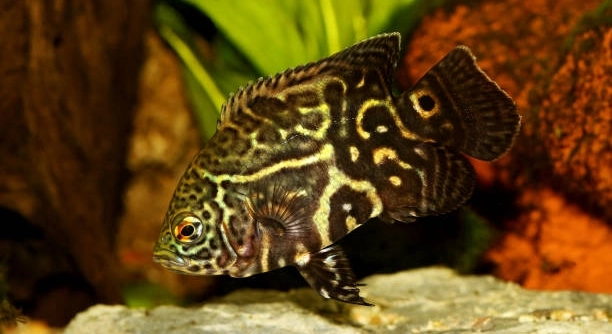
Oscar fish are known for their hearty appetites, but sometimes they may chew without eating. This behavior can leave owners puzzled and worried. Understanding the reasons behind this can help address the issue and improve your fish’s health.
There are several reasons why your Oscar fish might be chewing without eating, including stress, water quality issues, or a change in diet. These factors can lead to discomfort or disinterest in food, causing the chewing behavior.
Addressing these issues can improve your Oscar’s eating habits and overall well-being. Let’s explore what could be causing this chewing behavior and how to fix it.
Stress or Anxiety in Oscar Fish
Oscar fish are sensitive creatures, and stress can manifest in different ways. When an Oscar feels threatened or uneasy, it may chew on food without actually consuming it. Common causes of stress include sudden changes in their environment, such as moving to a new tank or adding new fish. Noise, excessive movement around the tank, or sudden temperature changes can also contribute to anxiety. This stress can cause a lack of interest in eating or a disruption in their normal feeding habits.
Sometimes, Oscars may chew to relieve the tension they feel. Stress is often linked to overactive behavior or seemingly erratic actions, such as biting at their tank decorations or substrate. Ensuring a stable, quiet environment is crucial for your fish’s comfort.
Reducing stress in Oscar fish is key to improving their eating habits. You can try minimizing disturbances, keeping the water temperature consistent, and making sure the tank is in a quiet area. Adding plants or decorations that provide hiding spots can also give them a sense of security.
Poor Water Quality and Its Effects
Water quality plays a significant role in the health of any fish, especially Oscars.
Oscars are sensitive to poor water conditions, and if the water is not properly maintained, they may stop eating or show strange behavior like chewing without consuming. It’s important to check the tank regularly for ammonia, nitrite, nitrate levels, and pH balance. High levels of ammonia or nitrites can make Oscars feel uncomfortable, leading to poor feeding.
Oscars thrive in clean, well-filtered water, and they need regular water changes to stay healthy. You can keep the water quality in check by investing in a good filtration system and performing weekly water changes. Also, make sure the tank is not overcrowded, as this can further degrade the water conditions. Regular testing and monitoring will help you maintain a stable and healthy environment for your fish.
Change in Diet or Feeding Habits
Oscar fish can also become picky eaters if there’s a sudden change in their diet. Oscars are carnivorous and need a diet rich in protein, but switching between different types of food can sometimes confuse them. They may chew on the food without actually swallowing if they are not familiar with it or don’t find it appealing. It’s important to provide a balanced diet with a variety of food types, but it should be consistent.
Introducing new food gradually is the best way to avoid upsetting their feeding routine. Oscars may not take to new foods right away, and it’s crucial to avoid drastic changes in their diet. Stick to a diet that mimics their natural feeding habits, like high-quality pellets, frozen foods, and occasional live prey.
If your Oscar seems to chew but not eat, try offering familiar foods and observe their reactions. It can take a few attempts for them to adjust, but maintaining a consistent feeding routine will encourage healthy eating.
Health Issues and Illnesses
Health problems are another reason why Oscars may chew without eating.
If your fish seems to chew without swallowing and has other symptoms like lethargy or abnormal swimming patterns, it could be an indication of a health problem. Diseases such as parasites, infections, or internal injuries can affect their appetite and cause changes in behavior.
In some cases, Oscars may experience discomfort from a physical ailment that makes eating difficult. For example, mouth infections or damaged teeth can lead them to chew food without swallowing it. If you suspect an illness, it’s best to observe your fish closely for additional signs and consult a vet who specializes in aquatic animals. Early detection of health issues can help prevent further complications and improve the chances of recovery.
Overfeeding and Feeding Schedule
Overfeeding is a common mistake that can cause issues with Oscar fish’s eating habits.
If you’re feeding your Oscar too much, the excess food can lead to water quality problems, which in turn affect your fish’s health. An overfed Oscar may chew or pick at the food but show little interest in eating it because it’s already full or uncomfortable. Oscars don’t have a specific “off switch” when it comes to eating, so it’s essential to monitor their portions carefully.
It’s important to establish a feeding schedule and stick to it. Feed your Oscar small amounts two to three times a day, and only give them as much food as they can consume in a few minutes. If any food is left behind, remove it to avoid contaminating the water. A regular feeding schedule with appropriate portion sizes will help prevent overfeeding and ensure your Oscar stays healthy and active.
Tank Size and Space Limitations
Oscar fish are large and need plenty of space to thrive.
A small tank can lead to stress, which often causes Oscars to behave in unusual ways, including chewing without eating. A cramped environment may make them feel cornered or overwhelmed, affecting their appetite and general well-being. To ensure your Oscar has the space it needs, choose a tank size of at least 75 gallons for one fish.
A spacious tank allows your Oscar to swim freely, explore, and feel less stressed. The extra room also helps with water filtration, which is vital for maintaining good water quality. If you’re planning to keep multiple Oscars or other large fish, be sure to account for additional space requirements. Providing enough room for your fish to move comfortably will support a healthy and active lifestyle.
Temperature and Water Conditions
Oscar fish are sensitive to water temperature and changes in their environment.
If the water temperature fluctuates too much, it can cause your Oscar to become stressed or sluggish, leading to a lack of interest in eating. They thrive in temperatures between 74°F and 80°F, and any significant changes can affect their behavior.
To maintain the right temperature, invest in a reliable heater and thermometer to monitor the water closely. If the water is too cold or too hot, your Oscar may not feel comfortable enough to eat. Keeping the tank stable and consistent helps encourage healthy feeding habits.
Tank Mates and Social Interactions
Oscar fish can be territorial, especially when they feel crowded.
Introducing incompatible tank mates can cause stress, leading to chewing behavior without actual consumption. Oscars may feel threatened by smaller fish or other aggressive species in the tank, which can affect their eating habits. Always research potential tank mates before adding them.
Social stress can be reduced by choosing tank mates that won’t compete or threaten your Oscar. Keeping only one Oscar in a tank can also help avoid issues that arise from territorial behavior. A peaceful environment supports better eating habits and overall health.
Diet Imbalance
A lack of nutritional balance in your Oscar’s diet can affect their appetite.
Oscars require a diet rich in proteins, with a mix of pellets, frozen foods, and live prey. If you’re feeding them too much of one type of food, they may lose interest in eating altogether. A varied diet will keep them interested and healthy.
FAQ
Why is my Oscar fish chewing but not eating?
Oscar fish may chew without eating for several reasons, including stress, water quality issues, health problems, or a change in diet. Stress from a new environment, overcrowded tank, or poor water conditions can make Oscars chew food without swallowing it. Additionally, health issues like infections or parasites can lead to chewing behavior. To solve this, check your water parameters, monitor the fish’s environment, and ensure they are not stressed or sick. A well-maintained tank and regular feeding schedule can also help improve eating habits.
How can I reduce stress in my Oscar fish?
Reducing stress in Oscar fish involves providing a stable and quiet environment. Avoid sudden changes in the tank, such as altering water temperature or adding new fish too quickly. Try to limit loud noises or disturbances around the tank and give your Oscar enough hiding places like plants or decorations. Keeping the tank clean and providing plenty of swimming space will help your fish feel more secure. Consistency in water conditions and feeding routines is also essential for a calm and healthy environment.
How do I improve the water quality in my Oscar fish tank?
Maintaining optimal water quality is crucial for your Oscar’s health. Start by investing in a good filtration system that can handle the size of your tank. Perform regular water changes, about 25% to 30% weekly, to keep the levels of ammonia, nitrites, and nitrates low. Use a water testing kit to check pH, hardness, and other important parameters regularly. Also, avoid overfeeding, as excess food can degrade water quality. Proper filtration, combined with regular monitoring, will ensure your Oscar has the best environment to thrive.
Can water temperature affect my Oscar fish’s eating habits?
Yes, temperature can significantly impact an Oscar’s feeding habits. Oscars are tropical fish that thrive in temperatures between 74°F and 80°F. If the water is too cold or too warm, your fish may become lethargic, stressed, or lose their appetite. A stable temperature is crucial for their overall health. Ensure that your tank has a reliable heater to maintain the right temperature range and regularly check it with a thermometer. Sudden temperature fluctuations should be avoided to keep your Oscar healthy and encourage regular eating.
What can I do if my Oscar fish refuses to eat?
If your Oscar is refusing to eat, start by checking the water quality, temperature, and overall tank environment. Make sure the fish are not stressed or ill. Offer them a variety of foods, including pellets, frozen or live food, and try to stick to their usual feeding schedule. If your Oscar continues to refuse food, it might be a sign of illness. In such cases, consider consulting an aquatic veterinarian for a proper diagnosis and treatment.
Is it normal for an Oscar fish to chew on decorations?
Yes, it is normal for Oscar fish to chew on decorations or gravel occasionally, especially if they are stressed or bored. However, if chewing becomes excessive or they seem unable to eat properly, it may indicate an underlying issue, such as discomfort from poor water quality or health problems. Monitor your Oscar’s behavior and make sure the tank is large enough for them to swim freely and explore. If the chewing is linked to poor water conditions, address the issue by improving filtration and performing regular water changes.
How much should I feed my Oscar fish?
The amount you should feed your Oscar depends on its size and age. As a general guideline, feed your Oscar 2 to 3 times a day, offering enough food for them to eat within 2-3 minutes. Overfeeding can lead to water quality issues and obesity, while underfeeding can result in malnutrition. Make sure to provide a varied diet with high-quality pellets, frozen foods, and occasional live prey. Monitor your fish’s weight and adjust feeding portions accordingly to maintain their health.
Can Oscar fish eat vegetables?
While Oscar fish are primarily carnivorous, they can occasionally eat vegetables as a supplement to their diet. Some Oscar owners feed their fish blanched vegetables like spinach, peas, or zucchini. These can provide additional nutrients and fiber. However, vegetables should not replace their main diet of protein-rich foods. Ensure that you are feeding a balanced diet to meet your Oscar’s nutritional needs.
What is the best food for my Oscar fish?
The best food for your Oscar fish includes high-quality pellets, which should form the base of their diet. You can supplement this with frozen or live foods, such as worms, shrimp, or small fish, which provide protein and variety. Be sure to feed a balanced diet that mimics what they would eat in the wild, ensuring that the food is rich in nutrients to support their growth and health. Offering different types of food will also help prevent boredom and encourage your Oscar to eat.
Why is my Oscar fish swimming at the surface but not eating?
If your Oscar is swimming at the surface but not eating, it could be a sign of water quality issues or stress. Poor oxygen levels or improper water parameters can make your Oscar feel uncomfortable and affect their eating habits. Check the oxygen levels, temperature, and water chemistry. If the water conditions are fine, it could also indicate that your fish is seeking food at the surface but is not interested in eating due to other factors like illness or stress. Ensure your Oscar has a balanced diet and a stress-free environment.
Can Oscar fish eat live food regularly?
Oscar fish can eat live food regularly, but it should not be the sole component of their diet. Live food, such as worms, feeder fish, and insects, provides valuable protein and stimulates natural hunting behaviors. However, live food can sometimes carry parasites or diseases, so it’s essential to source it from reputable suppliers. Offering live food occasionally, along with a mix of pellets and frozen food, will help maintain a well-rounded diet for your Oscar fish.
Final Thoughts
If your Oscar fish is chewing without eating, it’s important to first consider their environment. Stress, poor water quality, and an unstable tank can all make your Oscar feel uncomfortable and cause them to chew food without swallowing it. By ensuring that the water temperature is consistent, the water quality is good, and the tank environment is calm, you can reduce stress and create a space where your Oscar feels safe and secure. This is essential for maintaining their appetite and overall health.
Another factor to consider is your Oscar’s diet. Oscars need a balanced, protein-rich diet that mimics what they would eat in the wild. If you’re feeding them too much of one type of food, or introducing new foods too quickly, this could lead to a loss of interest in eating. Offering a variety of foods, but in moderation, will help encourage your Oscar to eat properly. Additionally, maintaining a regular feeding schedule is key, as overfeeding or underfeeding can lead to health problems or discomfort, making your Oscar less likely to eat.
Lastly, it’s crucial to monitor your Oscar for signs of illness or health issues. If your fish continues to chew but not eat, despite making improvements in the environment and diet, it may be a sign that there’s an underlying health problem. In such cases, it’s best to consult a vet who specializes in aquatic animals. With the right care and attention, most Oscars can recover from minor issues and return to their usual feeding habits. By focusing on water quality, diet, and overall well-being, you can help your Oscar fish lead a long, healthy life.

Hello,
If you enjoy the content that we create, please consider saying a "Thank You!" by leaving a tip.
Every little bit helps us continue crafting quality advice that supports the health, happiness, and well-being of pets around the world, for pets of all shapes, sizes, and species.
We really appreciate the kindness and support that you show us!