
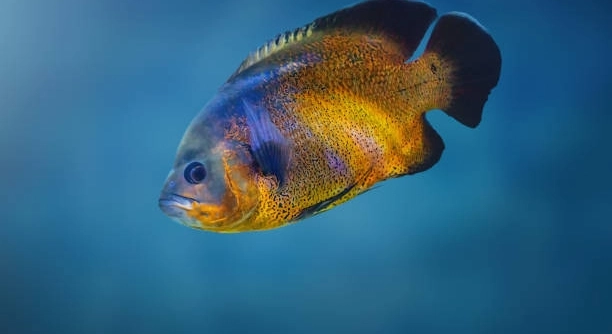
Oscar fish are known for their vibrant personalities, but sometimes they suddenly go silent, which can be puzzling. It’s important to understand why this change in behavior occurs and how to respond appropriately to ensure their health and well-being.
The main reasons Oscar fish go silent include stress, illness, environmental changes, or even changes in their diet. Their behavior is often linked to their surroundings, and understanding these causes can help you address the situation quickly.
Understanding why your Oscar fish is silent can help prevent further issues and ensure they remain healthy. Knowing what to look for and how to react can make a big difference in their care.
Stress from Changes in Environment
Oscar fish are sensitive to changes in their environment. Moving them to a new tank, altering water temperature, or changing water parameters can cause them to become stressed. When stressed, they may stop eating, hide more often, and remain silent. It’s crucial to keep their environment as consistent as possible to avoid this kind of stress.
Stress in Oscar fish can be caused by several factors. These include changes in water quality, such as fluctuating pH levels, improper filtration, or high nitrate levels. Keeping an eye on these factors is essential for maintaining a stable environment.
If you’ve recently moved your Oscar fish or made significant changes to their tank setup, it’s worth considering the possibility that stress could be the reason for their silence. They need a stable environment with clean water, proper filtration, and the right temperature to thrive. Monitoring and adjusting the tank conditions accordingly can help your Oscar fish feel safe and more active.
Illness and Health Issues
Health problems can make Oscar fish go silent. Fish that are sick often isolate themselves and become less active. Conditions like parasites, bacterial infections, or even injuries can affect their behavior.
If your Oscar is showing signs of illness, such as pale coloring, abnormal swimming patterns, or lethargy, it’s important to take action. Proper treatment depends on diagnosing the specific issue. For example, a bacterial infection might require antibiotics, while parasites need a specific treatment.
Taking action quickly can prevent further harm to your fish. In addition to observing physical symptoms, check water quality. Poor water quality can lead to health issues. Regular water changes and monitoring ammonia, nitrites, and nitrates will keep your fish in good shape and reduce the risk of sickness.
Water Quality Issues
Oscar fish are very sensitive to water quality. If the water in their tank becomes contaminated or imbalanced, they can become quiet and withdrawn. High levels of ammonia, nitrites, or nitrates can harm their health and cause stress. Regular water testing is essential to ensure everything is in check.
Poor water quality can lead to a variety of problems, including respiratory distress, skin lesions, and lethargy. It’s vital to monitor your Oscar’s tank for any changes in the water, such as cloudiness or a strong odor. A filter that is not functioning properly can worsen the situation.
To maintain good water quality, perform regular water changes and ensure the filtration system is working effectively. Also, check for any organic debris or uneaten food in the tank. Keeping water parameters stable will help your Oscar fish stay active and healthy.
Feeding Problems
Oscar fish can become quiet if they’re not being fed properly. If they are given too much or too little food, it can lead to changes in behavior. Overfeeding can cause water quality issues, while underfeeding can leave them hungry and lethargic.
Oscar fish are known to be voracious eaters, but they need a balanced diet. Offering a variety of foods such as pellets, live food, and vegetables is important for their health. Over time, they can grow accustomed to certain feeding schedules, so consistency is key.
Noticing any behavioral changes, such as reduced appetite or hiding, may signal a problem with feeding. Monitor their eating habits and adjust their diet if necessary. If your fish isn’t eating, it could also be a sign of illness or stress, both of which need to be addressed quickly.
Tank Mates and Aggression
Oscar fish are known for their territorial nature. If placed with aggressive tank mates, they may become stressed and stop being active. This aggression can cause them to retreat to a quiet corner of the tank.
If an Oscar is being bullied by another fish, it can lead to increased stress levels. Fish like cichlids or other territorial species may fight for dominance, which results in Oscar fish going silent. Providing enough space and hiding spots in the tank can help reduce conflicts.
To avoid aggression, carefully choose tank mates for your Oscar. Ensure that all fish are compatible in size and temperament. If aggression continues, consider separating the fish or adding more hiding spaces.
Tank Size
Oscar fish require a large tank to thrive. If they don’t have enough space, they can become stressed and inactive. A tank that is too small may restrict their movement and lead to behavioral changes.
A 55-gallon tank is the minimum size for one Oscar fish, but bigger is always better. The more space they have, the less stressed they will be, and the more likely they are to exhibit normal behavior. A cramped tank can make them feel trapped and may cause them to hide or become silent.
Investing in a larger tank will provide your Oscar with room to swim freely and reduce stress, promoting healthier and more active behavior.
Lighting and Day/Night Cycle
Oscar fish also rely on natural light and a proper day/night cycle to feel comfortable. If the tank is too brightly lit all the time, or the lighting is inconsistent, it may disrupt their natural rhythm and make them more withdrawn.
A consistent day/night cycle is crucial for their well-being. Aim for about 10 to 12 hours of light per day, followed by dark periods. Overexposure to light or erratic lighting can lead to stress, making your Oscar fish more likely to retreat and become silent. Adjusting the lighting to reflect their natural environment can help maintain their activity levels.
Making sure your Oscar gets proper rest will help keep them healthy and active.
FAQ
Why has my Oscar fish suddenly stopped eating?
There are several reasons why an Oscar fish may stop eating. Common causes include stress, illness, or water quality issues. If your fish is stressed, it may refuse food due to changes in its environment, such as a new tank, new tank mates, or fluctuations in water parameters. Illness can also make an Oscar fish lose its appetite. If you notice other symptoms, like swimming problems or unusual spots, it’s best to check with a vet or fish expert. Lastly, poor water quality can affect their health and lead to a loss of appetite. Make sure the tank’s water parameters, such as ammonia, nitrite, and nitrate levels, are in check.
How do I know if my Oscar fish is sick?
Sick Oscar fish often display noticeable changes in behavior or appearance. Common signs of illness include lethargy, loss of appetite, abnormal swimming, faded or darker colors, or spots on their skin. If your fish is swimming erratically, rubbing against objects, or staying near the bottom or surface of the tank, it might be unwell. Additionally, you might notice unusual swelling, lesions, or labored breathing. These symptoms could indicate parasites, bacterial infections, or other health problems. Quick action is crucial to preventing further harm, so isolate the sick fish and consult an expert or veterinarian for advice.
What is the best water temperature for Oscar fish?
Oscar fish thrive in warm water, with the ideal temperature range being between 74°F to 81°F (23°C to 27°C). Keeping the water within this range is essential for their health and well-being. If the water gets too cold, Oscar fish can become sluggish, stressed, and more susceptible to illness. On the other hand, if the water temperature gets too high, it can increase their metabolism and strain their body, leading to potential health issues. Use a reliable aquarium heater to maintain a stable temperature, and regularly check the water with a thermometer to ensure it stays within the optimal range.
Can Oscar fish live with other fish?
Oscar fish can live with other fish, but they tend to be territorial and may become aggressive. It’s essential to choose tank mates that are large enough to avoid being seen as prey but not too aggressive to provoke your Oscar. Species like large cichlids, catfish, or other similar-sized fish can coexist peacefully with Oscars if they have enough space. However, smaller fish or those with brightly colored tails may be at risk of being attacked. Always monitor the interactions between your fish, and if aggression becomes too much, consider separating them or providing additional hiding spots.
How often should I feed my Oscar fish?
Oscar fish should be fed once or twice a day, depending on their age and size. Young or growing Oscars may require more frequent feedings to support their growth. However, it’s essential to avoid overfeeding, as uneaten food can quickly pollute the tank and cause water quality issues. Offer them a balanced diet consisting of high-quality pellets, live food, or frozen foods such as worms, shrimp, or small fish. Be sure to remove any uneaten food after 10-15 minutes to maintain clean water conditions and avoid attracting harmful bacteria or parasites.
Why is my Oscar fish hiding all the time?
Hiding can be a sign of stress, illness, or environmental discomfort. If your Oscar is hiding more than usual, it could be reacting to changes in the tank, such as new tank mates, a change in water parameters, or poor water quality. It could also be feeling threatened or insecure. Providing hiding spots, like plants or rocks, can make them feel more secure. If the hiding persists, check for signs of illness or poor water quality. Stress, disease, and environmental changes can all lead to this behavior, so it’s essential to address the underlying cause quickly.
How can I reduce stress in my Oscar fish?
Reducing stress in Oscar fish requires creating a stable, comfortable environment. Ensure their tank is large enough—at least 55 gallons for a single fish—to give them ample space. Keep the water clean by performing regular water changes and using a high-quality filter. Maintain consistent water parameters, such as temperature, pH, and hardness, and avoid sudden changes. Limit the number of tank mates to those compatible with your Oscar’s temperament. Providing hiding spots and a stable lighting cycle will also help them feel secure and less stressed. A calm environment goes a long way in keeping your Oscar happy and healthy.
Can my Oscar fish go silent due to overcrowding?
Yes, overcrowding can cause Oscar fish to go silent or become withdrawn. If there are too many fish in the tank, your Oscar may feel threatened, which leads to stress. Stress can result in hiding, reduced activity, and silence. Overcrowding also leads to poor water quality, which can further impact their behavior and health. To avoid overcrowding, make sure your tank is large enough for all the fish to have sufficient space. Generally, it’s better to have fewer fish and focus on providing a comfortable, spacious environment for your Oscar.
How long can an Oscar fish live?
Oscar fish can live for around 10 to 15 years, depending on the quality of care they receive. Providing proper nutrition, maintaining water quality, and creating a stress-free environment will help ensure a long, healthy life for your Oscar. Poor water quality, stress, and neglect can shorten their lifespan. Regular tank maintenance and health monitoring will help you maximize the years spent with your Oscar. Keeping an eye on their behavior, feeding them properly, and addressing health issues promptly can also help them live to their full potential.
What is the ideal tank setup for an Oscar fish?
The ideal tank setup for an Oscar fish includes a large tank with plenty of space to swim. A 55-gallon tank is the minimum size, but a larger tank, such as 75 gallons, is preferable for adult Oscars. Provide a strong filtration system to keep the water clean, as Oscars produce a lot of waste. Incorporate rocks, plants, and hiding spots to create a natural environment and give your fish places to retreat if needed. Avoid too many decorations or sharp objects that could hurt them. Maintain the proper water temperature, pH, and regular cleaning routines to keep your Oscar healthy.
Final Thoughts
Oscar fish are fascinating and lively creatures that can bring a lot of joy to your home. However, their sudden silence can be worrying for any fish keeper. It’s essential to recognize that various factors, such as stress, illness, water quality, and feeding habits, can contribute to this behavior. By closely monitoring their environment, health, and interactions, you can often pinpoint the cause and take appropriate action to help your Oscar feel more comfortable and active again. Understanding the reasons behind their silence and responding with the right care can make a significant difference in their well-being.
The key to maintaining a healthy and happy Oscar fish is consistency. A stable environment, with proper water parameters and a suitable tank setup, goes a long way in preventing stress and health issues. Keeping a close eye on your fish’s behavior and diet will help you catch any problems early. Don’t forget to choose compatible tank mates and provide enough space for your Oscar to thrive. Regular maintenance, such as water changes and monitoring the filter, is crucial for their health. Remember, an Oscar’s behavior is often a reflection of its surroundings, so ensuring a balanced, calm, and clean environment is essential.
In the end, taking a proactive approach to your Oscar’s care will help you avoid many of the issues that cause them to go silent. By staying attentive to their needs and addressing any concerns promptly, you’ll ensure a longer, healthier life for your fish. Every Oscar is different, and understanding their individual personality and needs will make all the difference. With the right knowledge and preparation, you can enjoy a vibrant and active Oscar fish for many years to come.

Hello,
If you enjoy the content that we create, please consider saying a "Thank You!" by leaving a tip.
Every little bit helps us continue crafting quality advice that supports the health, happiness, and well-being of pets around the world, for pets of all shapes, sizes, and species.
We really appreciate the kindness and support that you show us!