
Do you ever find yourself feeling unsettled in certain situations, even when nothing obvious is going on around you?
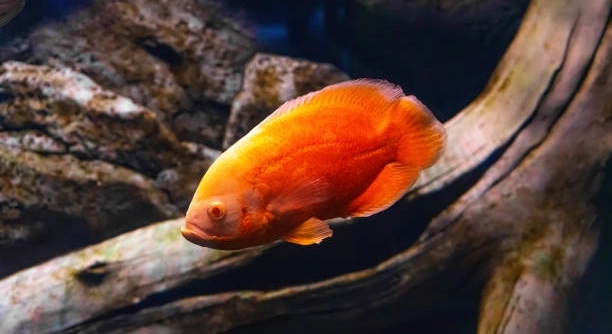
Oscars can become anxious due to subtle environmental changes, unfamiliar sounds, or slight shifts in routine. These seemingly small factors can trigger stress responses, making it harder for them to feel calm or secure.
Understanding these subtle triggers can help create a more stable, comforting environment where Oscars can feel safer and more at ease.
Sudden Noises and Background Sounds
Loud or unexpected noises can make Oscars feel anxious. Even low background sounds, like a TV, a fan, or traffic outside, can become overwhelming if they’re constant or unpredictable. These fish are highly sensitive to vibrations and changes in sound levels. If the environment becomes too noisy or inconsistent, Oscars may respond with frantic swimming, hiding, or refusing to eat. Aquarium placement matters—putting the tank in a high-traffic area increases exposure to daily disturbances. Even routine household sounds can affect them over time. Consistency in volume and activity near the tank helps Oscars feel secure. Using a tank lid or cover can help soften some noises and reduce stress. Consider how close your aquarium is to things like speakers, doors, or windows. Quiet, predictable surroundings help Oscars stay calm. Providing hiding spaces like rocks or plants also helps them feel more protected when noise becomes unavoidable in the home.
Loud bangs, door slams, or even shifting furniture can send an Oscar into a stressed state. Their reaction is immediate and hard to miss.
Many fish adapt to background noise, but Oscars tend to remain sensitive. Keeping the tank in a calm, steady area is one of the easiest ways to avoid unnecessary stress. Observing how they respond to different sounds over time can also help you adjust their surroundings for better comfort.
Inconsistent Feeding Times
Unpredictable feeding times can make Oscars feel nervous. They quickly learn routines, and when feeding doesn’t happen on time, they can become restless or display pacing behaviors.
Oscars thrive on consistency. Their internal rhythms adjust to the timing of daily events, especially feeding. If food appears at different times each day, it disrupts their sense of stability. They may start hovering near the top, waiting and anticipating. When nothing comes, stress builds. This behavior is not only emotionally draining for them but can also lead to aggression in some cases. Feeding late once or twice may not seem like much, but over time, inconsistency makes it harder for them to relax. Hunger can increase their reactivity to other small triggers in the environment. A simple way to fix this is by setting reminders or using automatic feeders. Sticking to a routine gives Oscars something steady to count on, and it can improve their overall well-being noticeably.
Sudden Changes in Water Temperature
Oscars are sensitive to temperature drops or spikes, even if the change seems small. Sudden shifts can cause stress, lower their immunity, and make them more likely to hide or act out of character.
Keeping the water temperature stable helps prevent anxious behavior. If your heater is inconsistent or if the tank is near a drafty window or a heat source, the temperature can swing throughout the day. These fish prefer steady warmth between 74–81°F. A reliable heater with a built-in thermostat is ideal. Also, check temperatures during water changes, as adding water that’s even a few degrees off can throw off their balance. Thermometers placed on both sides of the tank can help spot fluctuations early. When Oscars feel temperature changes, they may stop eating, darken in color, or breathe faster. Monitoring your setup closely helps avoid these problems and keeps them feeling secure.
Water temperature changes don’t always happen quickly. Sometimes, it’s a slow drop overnight or a gradual climb during the day. That’s why regular checks matter. If your Oscar starts acting differently—more sluggish, hiding often, or swimming near the surface—it could be reacting to these shifts. Simple adjustments, like covering the tank at night or moving it away from windows, make a real difference.
Lack of Hiding Spots
Oscars may seem bold, but they still need places to retreat. Without caves, plants, or decorations to swim behind, they can become anxious, especially when they feel exposed or threatened. A bare tank increases stress and may lead to erratic swimming or aggression.
Giving them cover doesn’t mean overcrowding the tank. Just a few well-placed rocks, driftwood, or sturdy plants can provide enough shelter. These spots help them feel safe when they need a break or when outside activity picks up. It also helps during maintenance or after rearranging tank decor, as they can retreat instead of panicking. Hiding places don’t have to be fancy—basic clay pots or smooth stones work fine. If you notice your Oscar always sticking to a corner, that’s a sign it may be looking for a safe zone. Offering places to tuck away improves their confidence and helps them feel more at home.
Bright or Flickering Lights
Strong or flickering lights can unsettle Oscars quickly. They prefer steady, soft lighting that mimics natural conditions. Sudden light changes or bulbs that flicker on and off can cause stress and lead to hiding or skittish swimming.
Aquarium lights that are too bright make Oscars feel exposed. Dimming lights slightly or adding floating plants can help.
Rearranging Decorations Too Often
Moving tank decorations around too frequently can confuse and stress Oscars. They grow familiar with their surroundings, and changes disrupt their sense of territory and safety. If you must rearrange, try doing it gradually and give them time to adjust between each change. Watch for signs of agitation after each adjustment.
Reflections in the Glass
Reflections in the tank glass can make Oscars anxious. They may think they see another fish and become territorial or defensive. Adjusting the lighting and placing background paper behind the tank can reduce this effect.
FAQ
Why does my Oscar sometimes act scared for no reason?
Oscars can react to things you might not notice. A slight vibration, shadow, or sudden movement near the tank can cause them to panic. They are naturally cautious and rely on a stable environment. If they sense anything unusual—even a small change—they may dart around or hide. This doesn’t always mean something is wrong, but it’s a sign they’re feeling unsure. Over time, they may get used to common household sounds or routines, but sudden or inconsistent events can still trigger fear. Watching their behavior closely can help you pinpoint the exact cause.
Can tank mates make my Oscar anxious?
Yes, especially if the tank mates are too active or aggressive. Oscars don’t like to be chased or crowded. If another fish constantly invades their space or acts unpredictably, it creates tension. Some Oscars become territorial and may lash out, while others withdraw and hide. The wrong mix of fish can stress them out daily, even if there’s no actual fighting. It’s better to choose tank mates that are calm and similar in size. Always observe how they interact and be ready to separate them if needed.
Why does my Oscar stop eating sometimes?
Stress is a common reason. When Oscars are anxious, they often lose interest in food. This could be from loud noise, a recent tank change, unstable water conditions, or an illness. Skipping a meal once in a while isn’t always serious, but if they continue refusing food, something’s bothering them. Check water quality first, then think about recent changes in their environment. If everything seems normal but the behavior continues, it might be worth consulting a vet familiar with fish health to rule out illness.
What kind of lighting is best for Oscars?
Soft, stable lighting works best. Avoid bright lights that stay on for too long or flicker. Sudden lights turning on or off can spook them, especially in a dark room. A timer helps create a routine, and a few floating plants can break up strong light beams. If you notice your Oscar hiding more after a light change, it could be too harsh. Try adjusting brightness gradually or adding more cover in the tank.
Do water changes make Oscars anxious?
They can, especially if the temperature or water chemistry is too different from what’s already in the tank. Big water changes can be shocking, so it’s better to do smaller, regular ones. Always make sure new water is close in temperature and properly treated. Oscars are sensitive to chlorine, pH changes, and sudden shifts in water hardness. Doing things slowly helps them stay calm during maintenance. If they act jittery afterward, double-check that nothing changed too drastically.
Is it normal for my Oscar to hide all day?
Not always. While it’s okay for Oscars to take breaks in hiding spots, staying hidden all day could mean they’re feeling anxious. This can be from poor lighting, bullying tank mates, noise, or even boredom. A well-balanced setup includes some cover but also space to swim freely. If your Oscar used to be active and suddenly becomes withdrawn, it’s worth reviewing tank conditions, recent changes, and potential stressors in the environment.
Do Oscars get bored in the tank?
Yes, they can. Oscars are intelligent and curious fish. A plain tank with nothing to interact with can lead to frustration. Adding new decorations occasionally (but not too often), floating toys, or even varying their food helps keep them stimulated. They sometimes enjoy watching movement outside the tank, so placing the aquarium where there’s mild, predictable activity can be helpful. Just make sure it’s not too chaotic. Boredom can look like aggression, laziness, or obsessive behaviors, so it’s good to mix things up every now and then.
Final Thoughts
Oscars are strong and intelligent fish, but they are also sensitive to their surroundings. Small changes that might seem unimportant to us—like a sudden noise, bright light, or a shift in their feeding schedule—can have a real impact on how they feel. Stress in Oscars often shows up in subtle ways, like hiding, refusing food, or acting more aggressive than usual. It’s easy to miss these signs unless you pay close attention. That’s why understanding what makes them anxious is so helpful. You don’t need to change everything at once, but being more aware of their behavior and daily environment can make a big difference.
Keeping their space calm and consistent is one of the best things you can do. This includes regular water checks, stable temperatures, and feeding them at the same time each day. It also means giving them a tank that feels safe, with places to hide and enough room to swim. Try not to move decorations around too often, and be gentle during cleanings and water changes. Watching how they react after any change can help you learn what they’re comfortable with. Every Oscar is a little different, so what works for one might not be perfect for another. Paying attention to their habits will help you notice when something isn’t right.
You don’t have to aim for a perfect setup. Small improvements over time are enough to keep your Oscar happy and less anxious. If they seem calm, active, and are eating well, that’s a good sign you’re on the right track. If they seem off, it’s okay to go back and check the basics—water, light, noise, and feeding. Most of the time, a little adjustment is all they need. Living with Oscars means being patient and observant, but it’s also rewarding. The better they feel, the more of their personality you get to see. They’ll become more curious, more social, and more fun to watch. Helping them feel secure creates a more peaceful tank and a more enjoyable experience for you too.

Hello,
If you enjoy the content that we create, please consider saying a "Thank You!" by leaving a tip.
Every little bit helps us continue crafting quality advice that supports the health, happiness, and well-being of pets around the world, for pets of all shapes, sizes, and species.
We really appreciate the kindness and support that you show us!