
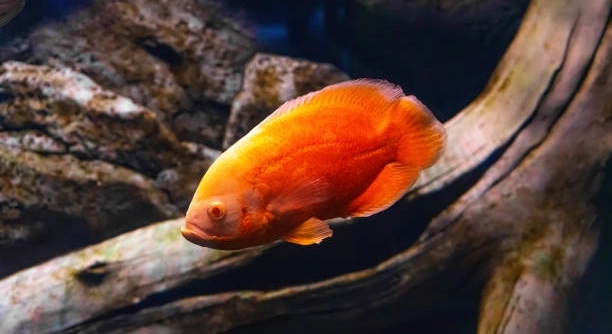
Oscar fish are known for their lively personalities and active swimming habits. However, there are times when they refuse to move for hours, leaving their owners wondering why their usually energetic fish seem to be in a standstill.
Oscar fish may refuse to move for extended periods due to factors such as water temperature, stress, illness, or even boredom. Environmental conditions, like improper water parameters or a lack of stimulation, can cause the fish to become lethargic.
Understanding the possible causes behind this behavior can help you better care for your Oscar fish and ensure their well-being. Keep reading to learn more about why this happens and how to handle it.
Water Temperature and Poor Conditions
One of the main reasons Oscar fish refuse to move for long periods is water temperature. They thrive in warmer waters, typically between 75°F and 80°F (24°C and 27°C). If the water is too cold or too warm, your Oscar fish may become lethargic and remain still. It’s important to regularly check the tank’s temperature using a reliable thermometer.
Oscar fish can also be affected by poor water conditions. When the tank is dirty, or the water’s pH levels are out of balance, the fish may become stressed. A lack of proper filtration can lead to harmful toxins in the water, further causing them to stop moving.
Cleaning the tank regularly and ensuring the water conditions remain stable can help prevent this. It’s essential to perform partial water changes every week to maintain a healthy environment. Adjusting the water temperature to the ideal range and keeping the water clean will encourage your Oscar fish to stay active.
Stress or Changes in the Environment
Another reason Oscar fish may stop moving is stress. They are sensitive to changes in their environment, like new tankmates, loud noises, or unfamiliar surroundings. This stress can make them retreat into a motionless state.
If you’ve recently changed the tank setup or added new fish, give your Oscar time to adjust. Avoid sudden changes and keep the environment as calm as possible. Adding hiding spots or plants can help your fish feel secure.
Stressed Oscar fish may appear motionless, but providing them with a stress-free environment can help them recover. Be patient, as some fish may take time to adapt. Ensure they have enough space to roam and feel safe.
Illness or Injury
Oscar fish may stop moving if they’re unwell or injured. Common illnesses, like parasites, infections, or internal issues, can make them less active. If your Oscar appears sluggish and refuses to swim, it’s worth checking for other signs of illness such as abnormal coloring or swelling.
When Oscars fall ill, they often become lethargic and hide more than usual. Look for any physical signs, like sores or white spots on the skin, or observe if they have trouble swimming. Internal health problems like constipation can also cause them to become motionless. If any symptoms are present, it’s best to consult a vet.
It’s important to act quickly if you notice these signs. Treating illness promptly can help your Oscar fish recover faster and return to their usual active behavior. Offering a stress-free environment with proper nutrition can also aid their recovery.
Boredom or Lack of Stimulation
Oscar fish are intelligent and curious creatures. Without enough stimulation, they may become bored and refuse to move. Lack of enrichment can cause your fish to become disinterested in their environment and exhibit less activity.
Adding toys, decorations, or other fish can stimulate your Oscar. Some owners use mirrors to engage their fish or provide moving objects like snails or live plants that the fish can interact with. A bare tank can lead to boredom, and your fish may stop swimming.
Providing variety and changes to the environment can keep them mentally engaged. Introduce new items or rotate decorations to make the tank feel more dynamic. Keeping things interesting will encourage your Oscar to stay active and explore its surroundings.
Overfeeding
Overfeeding is a common reason why your Oscar fish might become inactive. When fish eat too much, they may feel sluggish or overly full, which can make them less inclined to swim around.
Be mindful of the quantity and frequency of feedings. Overfeeding leads to uneaten food in the tank, which can also deteriorate water quality, causing stress. A good rule is to feed your Oscar only what it can consume within a few minutes.
Poor Tank Size
A tank that’s too small can cause Oscar fish to feel cramped, resulting in less movement. Oscars need space to swim freely.
If your tank is too small, consider upgrading to a larger one. Oscars require a minimum of 55 gallons to thrive, with 75 gallons being more ideal for their size and activity level.
Lack of Proper Tank Maintenance
A tank that’s not cleaned regularly can cause stress and lead to inactivity. Oscars need clean water to stay healthy and active.
Check the water parameters like ammonia, nitrate, and nitrite levels regularly. A good filtration system is essential to keep the water clean. Without proper maintenance, Oscar fish are more likely to become sluggish and unhealthy.
FAQ
Why is my Oscar fish staying at the bottom of the tank?
Oscar fish staying at the bottom of the tank can be a sign of stress, illness, or water quality issues. Oscars prefer to stay near the middle or top of the tank when healthy, so if your fish is resting at the bottom, it could indicate that something is wrong. Check the water temperature, pH levels, and cleanliness. If these seem fine, monitor your fish for any signs of illness like discoloration or bloating. If the behavior persists, consulting a vet may be necessary to rule out any internal health issues.
How do I know if my Oscar fish is stressed?
Stress in Oscar fish can be caused by various factors, such as poor water quality, changes in the tank environment, or overcrowding. A stressed Oscar may display signs like reduced movement, hiding, loss of appetite, or unusual swimming behavior. You might also notice increased aggression or territorial behavior. Make sure to check the water parameters and ensure the tank is not too crowded. Adding hiding places or making the environment more stable can help your Oscar feel more secure.
Can Oscar fish recover from being inactive?
Yes, Oscar fish can recover from periods of inactivity if the cause is addressed. If the inactivity is due to poor water quality, illness, or stress, treating the underlying issue will encourage your Oscar to become more active again. If the inactivity is caused by boredom, adding enrichment to the tank can help stimulate them. Make sure your Oscar has a clean and safe environment to thrive in. With the right care, Oscars can bounce back and resume their active behaviors.
What can I do to encourage my Oscar fish to swim more?
To encourage your Oscar fish to swim more, consider improving the tank environment. Ensure the water temperature is optimal (75°F – 80°F), and maintain clean, well-filtered water. Introduce new plants, decorations, or tank mates to create a more dynamic and stimulating environment. You can also offer a variety of foods, which will encourage foraging behavior and stimulate movement. If your Oscar is still not swimming after improving these factors, consider seeking veterinary advice to rule out any health problems.
Is it normal for my Oscar fish to stop eating sometimes?
Oscar fish may stop eating for several reasons, including stress, illness, or changes in their environment. If your fish refuses food for a day or two, it may just be adjusting to something new in its environment, like tank mates or water conditions. However, if the refusal continues for several days or is accompanied by other symptoms (like lethargy or abnormal swimming), it could be a sign of illness. In such cases, it’s important to check the water quality and consult with a vet if necessary.
How often should I feed my Oscar fish?
Oscar fish should be fed once or twice a day, with food that they can consume within a few minutes. Overfeeding can lead to water quality issues and lethargy. Ensure you’re feeding your Oscar a balanced diet, with a mix of pellets, live food, and occasional frozen treats. It’s important to monitor the amount of food to prevent leftovers from polluting the tank. If your fish isn’t eating much, it could indicate stress, illness, or overfeeding, so adjust accordingly.
Why does my Oscar fish look bloated?
A bloated Oscar fish could be suffering from constipation, a common issue caused by overfeeding or a poor diet. If your Oscar is bloated, try offering peas (blanched) to help with digestion. In some cases, a bloated Oscar could also be dealing with an internal infection or swim bladder disease. If the condition persists or worsens, a trip to the vet is recommended. It’s important to keep track of any other symptoms to help diagnose the cause of bloating.
Can I put more fish with my Oscar?
While Oscar fish can live with other fish, they are territorial and can be aggressive, especially when they feel crowded. It’s essential to select tank mates that are large enough to handle their temperament. Avoid smaller, slower fish that might become prey. Fish that are too similar in size or aggressive can also lead to conflicts. Always monitor interactions to ensure no fish is getting bullied or stressed. In general, Oscar fish do best in a species-only tank or with other large, robust fish.
How do I keep my Oscar fish healthy?
Maintaining a healthy Oscar fish requires providing a stable environment. Regularly check water parameters, including pH, ammonia, nitrites, and nitrates. Keep the water temperature steady, ideally between 75°F and 80°F. Feed your Oscar a balanced diet, and ensure the tank is large enough for the fish to swim freely. Clean the tank regularly, perform water changes, and ensure the filter is working properly. A healthy Oscar will be active and vibrant, so these basic steps are essential for long-term health.
Why is my Oscar fish acting aggressively?
Oscar fish can be aggressive, especially when they feel threatened or are establishing their territory. Aggression can also occur during breeding or when there are too many fish in the tank. If your Oscar is showing signs of aggression, consider providing more hiding places and ensuring the tank is not overcrowded. If you have multiple Oscars, ensure there is enough space for each to establish its own territory. Keep an eye on the aggression levels, as it can sometimes lead to injury or stress for other tank mates.
Final Thoughts
Oscar fish can be incredibly fascinating and rewarding to care for, but understanding their behavior is key to keeping them healthy and happy. When they refuse to move for long periods, it’s often a sign that something is off in their environment. Whether it’s the water temperature, water quality, or even stress, there are several factors that can affect their activity levels. By paying attention to these factors, you can help ensure your Oscar fish remains active and engaged in its surroundings.
It’s also important to remember that Oscars are sensitive creatures. They can become stressed easily due to changes in their environment, the introduction of new tankmates, or even noisy surroundings. Being mindful of their needs, such as providing a stable environment, clean water, and enough space to swim, is essential for their well-being. Regular water checks, proper filtration, and offering enrichment activities will also help your Oscar feel secure and encourage natural behaviors.
If your Oscar fish becomes inactive or shows signs of illness, it’s essential to address the issue as soon as possible. Inactivity could be a sign of stress, poor water conditions, or an underlying health problem. By maintaining the right water conditions and being proactive in addressing any concerns, you can support your Oscar’s overall health and encourage a more active lifestyle. Careful observation and adjustments to their environment will help them thrive in the long run.

Hello,
If you enjoy the content that we create, please consider saying a "Thank You!" by leaving a tip.
Every little bit helps us continue crafting quality advice that supports the health, happiness, and well-being of pets around the world, for pets of all shapes, sizes, and species.
We really appreciate the kindness and support that you show us!