
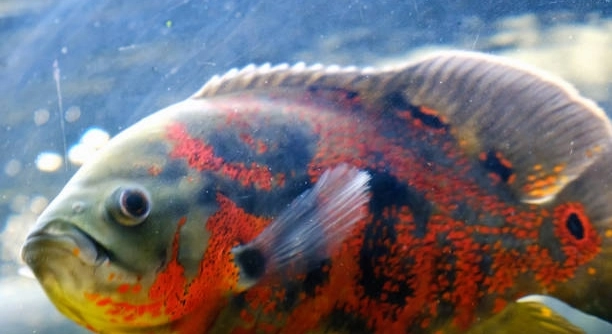
Do you ever find yourself wondering why your Oscar fish becomes jumpy or hides whenever new people enter the room?
Oscar fish act nervous around unfamiliar people due to their natural territorial behavior and strong memory of regular human interactions. Sudden changes in their environment or new human faces can trigger stress and cautious behavior.
Learning how Oscars respond to changes in their surroundings can help you support their comfort and reduce anxious reactions during visits or social activity near the tank.
They Are Sensitive to Changes in Routine
Oscar fish are known for forming routines, especially when it comes to feeding and who interacts with them. They get used to seeing the same people, at the same time, doing the same things. When someone new comes into their space, it interrupts what they’re familiar with. This can make them nervous or cause them to retreat to a corner of the tank. Oscars aren’t just acting out—they’re reacting to something that feels different. New voices, movements, and even different clothes can throw them off. Because they rely on consistency, sudden changes feel like something they need to be cautious about. This doesn’t mean they won’t warm up eventually. But it does mean that introducing change slowly and calmly helps reduce their stress. It also shows just how aware and alert Oscars can be when it comes to their surroundings and the people around them.
Oscars thrive on familiarity. New visitors may unknowingly bring changes in noise, energy, or movement, all of which affect the fish’s comfort level.
Over time, consistent interaction can help ease their nerves. If a new person sits near the tank regularly or helps with feeding, the Oscar will begin to recognize them. They might not respond right away, but with enough exposure and calm behavior, their nervousness often fades. Just like any pet, Oscars can build trust. It doesn’t happen instantly, but it does happen. Gentle movement, a steady voice, and patience are key. By slowly introducing someone new into their daily life, you’re giving the Oscar a chance to observe and feel safe. Once they know there’s no threat, their usual confident behavior often returns. They may even swim to the glass or show curiosity in time.
Their Memories Influence Their Behavior
Oscars have impressive memories. They remember who feeds them and even recognize faces over time. When someone unfamiliar approaches, they simply don’t have a memory to connect to that person, so their default reaction is caution.
It might seem surprising, but Oscars use visual cues and patterns to feel secure. Once they associate someone with safety—like regular feeding or calm interaction—they store that information. But when someone new enters their space, the Oscar doesn’t have a mental record to rely on. They haven’t observed that person before, so their instinct is to hang back and wait. This is a form of protection. Over time, the Oscar gathers new data. If the new person behaves in a predictable, non-threatening way, the fish begins to build a sense of trust. That’s why repeated, gentle interaction matters. Even small things, like standing in the same place or speaking softly, help the Oscar feel more in control and less on edge.
They React to Body Language and Movement
Oscars pay close attention to body language. Sudden movements, waving hands, or fast walking near the tank can make them nervous. Even if someone has good intentions, their behavior might seem threatening to the fish.
When someone unfamiliar enters the room, their posture and gestures may look unfamiliar or unpredictable to the Oscar. If that person leans in too quickly or makes large hand motions, the fish might dart away or hide behind decorations. These reactions are not dramatic—they are part of how Oscars stay safe. They take time to assess whether a presence is calm or alarming. If the person moves slowly and avoids direct, rapid motions near the tank, the Oscar is more likely to stay relaxed. Over time, they may come forward to observe once they feel confident the new person is not a threat. Calm surroundings help them adjust faster.
Understanding how Oscars observe people can help avoid unnecessary stress. If someone stands still or sits nearby without sudden movements, the fish will usually remain calm. Repeated exposure to this kind of gentle behavior can help Oscars get used to new people more quickly. They begin to associate those movements with safety, not danger. It’s also helpful to keep external noise low and avoid tapping on the glass, which can make them feel cornered. Even walking past the tank too quickly can startle them. Slowing down and being mindful of how your body moves near the tank gives your Oscar a better chance at feeling safe. Over time, this comfort leads to more natural behavior, even when someone new is present.
Their Tank Environment Affects Their Reactions
The setup of an Oscar’s tank plays a big role in how they respond to people. If there aren’t enough hiding spots or space, the fish may feel more exposed and uneasy when someone new approaches.
A well-decorated tank with plants, rocks, and caves gives the Oscar a safe space to retreat to if they feel threatened. Without those spaces, they might feel stuck in the open with nowhere to go. This can increase their stress, especially when a stranger is nearby. Proper lighting and minimal glare from nearby windows or screens also help. Bright reflections can make them feel like there are more “intruders” than there really are. Make sure the tank isn’t placed in a high-traffic area where sudden movements or loud noises are frequent. Creating a peaceful, secure tank helps Oscars feel confident in their space. That confidence often carries over into how they react to people—new or familiar.
They Form Bonds With Familiar People
Oscars often bond with the people who feed them or interact with them daily. They learn to expect certain voices, movements, and patterns. When a stranger shows up, that bond doesn’t exist yet, so they stay cautious.
These bonds are built through time and consistency. The Oscar connects that familiar person with food, safety, and calm interaction. Anyone outside that routine feels unpredictable and unfamiliar.
They Are Easily Startled by Noise
Loud voices, television sounds, or sudden clattering near the tank can startle Oscars quickly. Their hearing is sensitive, and unfamiliar sounds cause them to retreat or act jittery. Reducing noise levels when new people are around can help them stay more relaxed.
They Need Time to Feel Safe
Every Oscar reacts at its own pace. Some may take days to warm up to a new person, while others need longer. The key is patience and gentle consistency. Repeated exposure without stress helps them feel safe and less nervous over time.
FAQ
Why do Oscars hide when new people approach?
Oscars are naturally territorial and rely on familiarity to feel safe. When a new person enters their environment, it disrupts their sense of security. They don’t recognize the person, and this unfamiliar presence can trigger a defensive response, leading them to hide or act cautiously. Over time, as they observe the new person’s behavior and realize there is no threat, their nervousness typically fades.
Can Oscars ever get used to new people?
Yes, Oscars can get used to new people, but it takes time. As they associate a person with calmness and positive experiences, like feeding or quiet interaction, they begin to recognize them as part of their routine. Patience is key, and it’s important not to force interaction too quickly. Gradual exposure and calm movements help them adjust faster.
How can I make my Oscar feel more comfortable around strangers?
Creating a peaceful environment is essential. Make sure the Oscar’s tank is set up with hiding spots like rocks, plants, or caves. This gives them a place to retreat if they feel threatened. When introducing someone new, ensure they move slowly and speak in a calm, soothing tone. Allow the Oscar to observe the new person from a distance at first. Avoid sudden movements or loud noises, which can startle them. Gradual, consistent exposure will help the Oscar build trust over time.
Why do Oscars swim away when I try to interact with them?
If your Oscar swims away, it may be due to feeling uneasy or threatened. This behavior could be triggered by sudden movements, unfamiliar faces, or changes in the tank environment. Oscars need time to adjust to new situations, and if they don’t feel secure, they will retreat. Try to reduce any stressors and give them space to approach you when they feel ready.
How long does it take for an Oscar to get comfortable with new people?
The time it takes for an Oscar to get comfortable with new people varies. It depends on the individual fish and the consistency of their interactions. Some Oscars may adjust within a few days, while others might take weeks. Factors such as tank setup, noise levels, and how the new person behaves all play a role. Regular, gentle interactions help speed up the process.
Does the size of the tank affect how my Oscar reacts to new people?
Yes, the size of the tank can have an impact on your Oscar’s behavior. A cramped tank might make your Oscar feel trapped, increasing stress and defensive behavior when a new person enters the room. A spacious tank with plenty of hiding spots helps the Oscar feel safer and more secure. When Oscars have room to move around and places to retreat to, they’re more likely to remain calm, even with unfamiliar people nearby.
Can Oscars get stressed if there’s too much noise in the room?
Oscars are sensitive to noise, and constant loud sounds can definitely stress them out. Loud music, yelling, or even the sounds of a vacuum cleaner can cause an Oscar to feel threatened. When they’re stressed, they may act skittish or hide. To help reduce stress, try to minimize loud noises near the tank, especially when introducing someone new. A quieter, calmer environment will allow your Oscar to feel more comfortable and secure.
Will my Oscar ever stop being nervous around people?
Most Oscars will gradually get more comfortable around people they see often, especially when they associate these people with feeding and positive experiences. However, some Oscars might always be more cautious. If your Oscar remains nervous, it could be due to their personality or the way they’ve been treated in the past. Patience and consistency are key in building trust, but it’s important to respect their boundaries.
What are the signs that my Oscar is stressed?
Common signs of stress in Oscars include hiding, swimming erratically, frequent darting around the tank, or staying at the bottom for extended periods. They may also lose their appetite or show disinterest in food. Changes in color, like dulling or fading, can also indicate stress. If you notice any of these signs, it’s important to assess the tank environment and any potential stressors, like sudden changes or new people, that could be affecting your Oscar.
How can I tell if my Oscar is being territorial?
Oscars are territorial by nature, and they’ll often display this behavior by aggressively defending their space. They may swim aggressively toward other fish or people, flare their gills, or chase away any intruders. This behavior is normal, but if it becomes too intense or leads to harm, you may need to adjust the tank setup to reduce competition for space. Adding more hiding spots and ensuring the tank is large enough can help ease territorial behavior.
Should I try to socialize my Oscar with other fish or people?
While it’s possible for Oscars to socialize with other fish and people, it’s important to consider their temperament. Oscars are often best kept alone or with larger, peaceful fish that can handle their sometimes aggressive behavior. Trying to force an Oscar to interact with people or other fish too quickly can stress them out. Letting them approach interactions on their own terms, whether with new people or tankmates, will ensure they feel more comfortable.
Final Thoughts
Oscar fish are fascinating creatures with unique personalities. They may seem nervous around new people, but it’s all part of their natural behavior. Oscars are territorial and rely heavily on their environment and routine to feel secure. When something changes, like the presence of a new person, it can throw them off. Understanding this behavior helps us support their well-being by offering them a safe space where they can feel comfortable and secure. Patience and consistency are key to helping them adjust. Over time, with gentle interactions and a stable environment, Oscars can grow to trust and feel at ease with new people.
While Oscars can be shy or defensive around new faces, they are also quite intelligent and capable of forming bonds. They recognize their owners, and through consistent, calm interactions, they can learn to trust new people as well. The process may take time, and every Oscar is different in how they respond to change. Some might warm up faster than others, but all can adjust if their surroundings are calm, predictable, and free of stressors. Introducing new people slowly and making sure the tank environment is stable helps reduce any anxiety your Oscar may experience.
Caring for an Oscar fish requires understanding their needs and behaviors. They are not just passive creatures in a tank but active, aware fish that interact with their environment. Ensuring they feel safe and comfortable is essential for their overall health. By providing a consistent routine, reducing stress, and allowing them to approach new situations at their own pace, you can create an environment where they thrive. Oscars are sensitive but adaptable, and with the right care, they can become more comfortable with change, even when new people enter their space.

Hello,
If you enjoy the content that we create, please consider saying a "Thank You!" by leaving a tip.
Every little bit helps us continue crafting quality advice that supports the health, happiness, and well-being of pets around the world, for pets of all shapes, sizes, and species.
We really appreciate the kindness and support that you show us!