
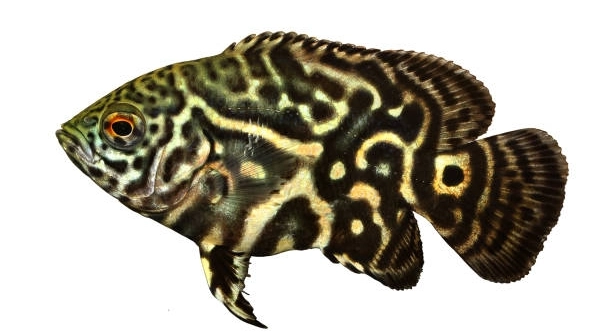
Is your Oscar fish spending a lot of time staring at the thermometer, almost like it’s waiting for something to happen?
The most common reason your Oscar fish is staring at the thermometer is because it sees its reflection. This behavior is often linked to territorial instincts, where the fish perceives its own reflection as another intruder.
Although it may seem odd, this behavior can actually tell you a lot about your Oscar’s environment, health, and stress levels.
Why Your Oscar Fish Reacts to Reflections
Oscar fish are known for their intelligence and strong personalities. When they see a reflection in the glass, such as from a thermometer, they may mistake it for another fish. This can lead to behaviors like staring, flaring fins, or even trying to attack the reflection. It’s not unusual for Oscars to become territorial, especially in smaller tanks where they feel like they must defend their space. A thermometer’s shiny surface can reflect just enough to trigger these instincts. If your Oscar is showing signs of stress, such as aggressive movements or a lack of interest in food, this behavior may be part of a bigger issue. Stress can affect their health over time. Watching their interaction with the reflection can give you clues. It’s best to keep an eye on this and take steps to reduce unnecessary stressors in the tank to help them feel more secure and relaxed.
This behavior usually isn’t harmful unless it becomes obsessive or leads to injury.
If your fish constantly interacts with the reflection, consider adjusting the angle of the thermometer or replacing it with a non-reflective option. Limiting glare from external lights can also reduce reflections.
Environmental Triggers That Influence Behavior
A stressed Oscar fish may act out in unusual ways due to tank conditions.
Tank size, lighting, water quality, and decoration placement all affect your Oscar’s behavior. A tank that is too small or lacks proper hiding spots can increase stress, leading to behaviors like staring at objects for long periods. Bright or flickering lights might create frequent reflections, while poor water conditions can make fish more irritable or restless. Ensuring a tank of at least 75 gallons for a single Oscar is important. Provide natural hiding places using rocks or plants, and avoid placing reflective objects near the tank. A steady lighting schedule helps create a sense of routine. Keep the water clean and balanced with regular testing for pH, ammonia, and nitrate levels. Adding enrichment, like floating toys or varying food types, can redirect your Oscar’s attention and reduce focus on the thermometer. These changes support a calm, healthy environment where your fish can thrive without odd or repetitive behaviors.
How to Reduce Reflective Distractions
If your Oscar keeps staring at the thermometer, the reflection may be too strong. Changing the angle or type of thermometer can help reduce the shine and keep your fish from obsessing over it.
You can try moving the thermometer to a less lit area of the tank. Another option is switching to a digital thermometer with no reflective surface. If the room has strong lighting or the tank light is too bright, adjust those to prevent reflections. Adding a background to the tank can also reduce reflective surfaces. Simple steps like these help limit visual triggers and allow your Oscar to relax. Monitor how your fish reacts over the next few days to see if the changes work. You may need to test a few different setups before finding one that makes your Oscar less focused on the thermometer.
Reducing reflections is just one step. You also want to give your Oscar other things to focus on. Add hiding spots using driftwood, rocks, or PVC pipes. Include some plants—real or fake—so the tank feels more like a natural space. Rearranging the tank layout every so often can keep your Oscar curious and mentally active. Boredom can sometimes lead to repetitive behaviors like staring. Introducing food variety also helps shift their focus. Try floating pellets, live food, or the occasional vegetable. This encourages more natural behaviors and helps reduce stress. A well-balanced tank environment makes it easier for your Oscar to ignore distracting reflections and feel more comfortable overall.
Signs Your Oscar Might Be Stressed
Frequent staring, aggressive movements, or lack of appetite may all point to stress. Your Oscar may also change color, breathe heavily, or stay in one corner of the tank.
Stress can come from many sources—reflections, poor water quality, sudden changes, or even tank mates. A stressed Oscar might seem more jumpy than usual, hide more often, or lash out without cause. It’s important to test the water regularly and keep it clean. Use a reliable test kit and monitor temperature, ammonia, nitrite, and nitrate levels. Water changes should be done consistently, without sudden shifts in temperature. Make sure your Oscar has enough space. Crowded tanks or aggressive tank mates can make things worse. Loud noises near the tank, inconsistent lighting, or excessive tapping on the glass can also raise stress. Look for small changes in behavior, and act quickly if something feels off. Early action helps prevent bigger problems.
Other Possible Reasons for Staring
Oscar fish may also stare when bored or under-stimulated. If the tank lacks variety or interaction, they might fixate on objects out of habit. This behavior can build over time without much change in the environment.
Sometimes staring is linked to feeding behavior. If your Oscar expects food and has learned that human movement or tank objects are part of feeding time, it may wait by the thermometer out of habit.
When to Consider Health Issues
If your Oscar’s staring is paired with sluggish movement, faded color, or unusual swimming, it may be a health concern. Internal parasites, vision issues, or neurological problems could be causing it. Keep an eye out for white patches, swelling, or loss of balance. A visit to an aquatic vet might be needed if symptoms continue. Water quality plays a big role in fish health, so make sure everything is stable. Check for ammonia spikes, low oxygen, or rapid temperature changes. Use clean, dechlorinated water and maintain filters properly. If the behavior is new and other signs appear, it’s better to act early than wait.
Small Changes That Make a Difference
A few small changes—like dimming the lights or moving the thermometer—can go a long way. Observing your Oscar closely helps you understand what works best.
FAQ
Why is my Oscar fish so aggressive toward the thermometer?
Oscars can be territorial and may view the thermometer’s reflection as another fish. This can trigger defensive behavior like staring, flaring fins, or even bumping into the glass. Aggression toward the thermometer is usually a sign your Oscar sees it as a threat in its space. Moving or replacing the thermometer with a less reflective version often reduces this behavior. Also, check your tank size—if it’s too small, your Oscar may be more prone to this reaction due to stress or lack of space.
Can staring at the thermometer be harmful to my Oscar fish?
While occasional staring isn’t dangerous, obsessive behavior could be a sign of stress or boredom. If the fish is fixated for long periods, it may ignore food, become aggressive, or wear itself out. Over time, this could impact its health or lead to injury if it strikes the glass. It’s a good idea to assess the tank environment and reduce unnecessary stimuli. Keeping the fish mentally engaged can help break the cycle of repetitive behavior.
Do Oscar fish get bored easily?
Yes, Oscars are intelligent and curious. Without enough mental stimulation, they may develop repetitive behaviors like staring at objects, digging constantly, or pacing the tank. To prevent boredom, rotate decorations, provide hiding spots, and change up their feeding routine. Live food, floating treats, or even interaction through the glass can help. A varied and enriching environment is important to keep their behavior healthy and balanced.
Is the thermometer placement important in an Oscar tank?
Thermometer placement matters, especially if it reflects light or shows the fish its reflection. Put it in a corner or area with less direct lighting. Avoid placing it near bright lights or facing where your Oscar usually rests or patrols. If you notice your fish interacting with it too much, try moving it to the back of the tank or switching to a digital thermometer with a duller surface. That can help limit unnecessary stress or confusion.
What types of thermometers are best for Oscar tanks?
Digital thermometers with external sensors are usually better for Oscar tanks. They don’t sit inside the water, which reduces the risk of your fish bumping into them or seeing their reflection. Stick-on strip thermometers also work but may not be as accurate. Avoid glass thermometers with shiny surfaces, especially in tanks with strong lighting, as they often create reflections that can confuse or stress your Oscar. Choose one that’s safe, clear to read, and easy to place discreetly.
Should I be worried if my Oscar fish does this only once in a while?
No, occasional staring is normal. It’s only a concern if it becomes frequent, obsessive, or is paired with other signs like color changes, hiding, or lack of appetite. Like people, fish can have little habits or moments of curiosity. If everything else—appetite, swimming, water quality—is stable, it’s probably nothing serious. Just keep an eye on the behavior to make sure it doesn’t increase over time or signal a new problem.
Can lighting make the problem worse?
Yes, strong or poorly placed lighting can create reflections that confuse your Oscar. Bright lights near the thermometer or tank glass can lead to mirrored surfaces your fish might react to. Using softer lighting or placing lights at a better angle can help reduce this issue. Also, a tank background—especially dark ones—can cut down on reflections and give the tank a more secure feel. Good lighting balance helps both the visual comfort of your Oscar and the look of the tank overall.
Is it okay to cover or hide the thermometer?
It’s fine to reposition or partly hide the thermometer, as long as you can still read it and it gives an accurate reading. Hiding it behind decorations or placing it low in the tank may help reduce attention from your Oscar. Just avoid blocking water flow around the sensor, which can affect the temperature reading. The goal is to keep it useful for you, while making it less interesting to your fish.
How can I tell if the reflection is really the problem?
Watch your Oscar’s behavior closely. If it stares at the same spot and acts aggressively only when lights are on or during certain times of day, the reflection is likely the issue. Try turning off the tank light to see if the behavior stops. You can also cover the thermometer for a day or two to check if your Oscar loses interest. These small tests can confirm if a reflection is causing the reaction, helping you decide what to adjust.
Final Thoughts
Oscar fish are known for their bold personalities and curious habits. If your Oscar has been staring at the thermometer, it’s usually not something to panic about. In many cases, the reason is simple—it may be reacting to a reflection. Fish do not understand mirrors the way humans do. What looks like another fish could just be a reflection caused by the thermometer’s glass or the tank lights. This can lead to staring or even signs of aggression. While it might seem strange, it’s a natural response for a territorial fish like an Oscar. Understanding the reasons behind this behavior helps you make better choices about your fish’s tank setup and overall care.
If the behavior is mild and doesn’t seem to affect your Oscar’s eating, energy, or health, it’s probably not a serious problem. But if your fish becomes too focused on the thermometer, or shows other signs of stress—like hiding, faded color, or refusing food—it’s important to take a closer look. Try making small changes such as adjusting the position of the thermometer, softening the tank lights, or switching to a non-reflective model. Check the water quality regularly and make sure the tank is large enough for your Oscar to feel comfortable. Adding some hiding spots, changing the tank layout, or introducing more engaging feeding routines can also help shift your Oscar’s attention away from the thermometer and toward more natural behavior.
Keeping a close eye on your Oscar’s habits will help you catch early signs of stress or boredom. Fish can’t tell us when something’s wrong, but their actions often do. A fish that stares too much may just be curious—or it might be asking for a small change in its environment. With a few adjustments, your Oscar can go back to exploring, swimming, and acting like its usual self. Owning an Oscar fish can be rewarding, especially when you start to understand their unique behaviors. Paying attention to small habits like this helps you care for them in a more thoughtful way. A balanced environment leads to a happy, active fish, and small steps can make a big difference. Whether it’s a thermometer or something else catching their eye, knowing what to look for can help you keep your Oscar healthy and at ease.

Hello,
If you enjoy the content that we create, please consider saying a "Thank You!" by leaving a tip.
Every little bit helps us continue crafting quality advice that supports the health, happiness, and well-being of pets around the world, for pets of all shapes, sizes, and species.
We really appreciate the kindness and support that you show us!