
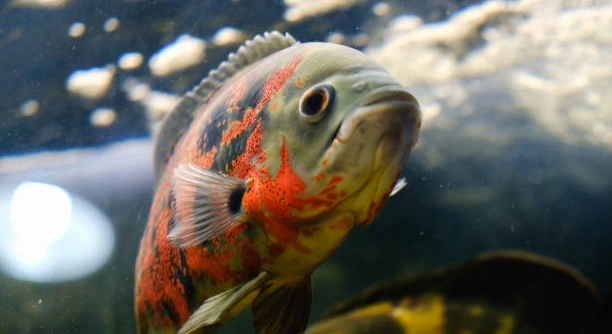
Is your Oscar fish spending most of its time motionless near the bottom or floating still in one spot? This can seem strange, especially if it was active and lively just days ago.
Oscar fish often stay still due to stress, illness, or changes in water conditions. Poor water quality, temperature fluctuations, and infections are common causes. In some cases, it may also be a natural behavior linked to rest or territory guarding.
Learning what these signs mean can help you make better choices for your fish’s care and create a healthier aquarium environment.
Common Reasons Your Oscar Fish Is Staying Still
Oscar fish are known for their bold and active personalities, so when one becomes unusually still, it’s often a sign something has changed. Water quality is the most common factor. Even small shifts in pH, ammonia, nitrite, or nitrate levels can affect their behavior. Stress from tank mates, sudden changes in lighting, or loud noises nearby can also make your fish less active. Illnesses such as ich, hole-in-the-head disease, or internal infections may also cause your Oscar to slow down or isolate itself. In some cases, they’re simply resting, especially if they’re older or the room is dark. It’s important to monitor other signs like loss of appetite, odd swimming patterns, or visible changes on their body. These details can help rule out or confirm more serious problems. Regular observation and testing can keep things in check and ensure your Oscar stays healthy and active.
Some Oscars stay still due to boredom or lack of stimulation, especially in tanks without hiding spots or decorations.
If your Oscar shows no signs of physical illness and your water tests come back normal, it may be a behavioral issue. Oscars are intelligent fish and can get bored in plain tanks. Try adding decorations, rocks, or driftwood to create a more dynamic environment. Sometimes, just rearranging the tank or adding floating toys can bring back their energy. Also, consider if the tank is too small. A cramped space can make them feel stressed. Make sure your Oscar has enough room to move and explore. Adding short periods of interaction, like feeding by hand or watching them more closely, can help. These fish respond well to mental and physical engagement, and with a few changes, they often perk back up and return to their usual behavior. Keeping their space interesting and their conditions stable usually brings positive results.
What You Can Do Right Now
Start by testing the water. Use a reliable kit to check pH, ammonia, nitrites, and nitrates. Fix anything outside safe ranges.
Once water quality is confirmed or corrected, give your Oscar some quiet time. Reduce noise around the tank and avoid tapping on the glass. Clean the tank if needed, but don’t overdo it—sudden changes can make things worse. Keep the water temperature steady, ideally between 74–81°F (23–27°C). If you spot physical signs like white spots, lesions, or abnormal gill movement, you may be dealing with illness. In that case, separate the fish if possible and consider contacting an aquarium vet or using a trusted medication. You can also offer high-quality food or vary their diet slightly to encourage interest. Avoid overfeeding. Keep lighting consistent and ensure the tank has both open space and shelter. With time, and the right balance of care, your Oscar will likely return to its curious, active self.
Signs You Shouldn’t Ignore
If your Oscar fish is staying still along with clamped fins, faded color, or labored breathing, it could be more than stress. These signs may point to an illness or a problem with the tank environment that needs fast attention.
Check for white spots, stringy poop, or unusual swelling. These could indicate common fish diseases like ich or internal parasites. Look at how your Oscar reacts during feeding. If it refuses food or spits it out, that’s another warning. Also, if it’s hiding all the time or acting sluggish even after rest, something is likely wrong. Water test results that show high ammonia or nitrites need immediate correction. Use a good filter and partial water changes to help. Acting early can make the difference between a quick recovery and a serious health issue. Watch closely and don’t wait too long to make changes.
Keep track of your Oscar’s behavior for a few days. Write down how much it eats, swims, and interacts. Compare this to its usual routine. You may notice a pattern or trigger, like after a water change or new tank decoration. Stress from a tank mate might not be obvious unless you observe carefully. Aggression can happen subtly—fin nipping, chasing, or even blocking access to food. If these signs continue despite stable water and diet, consult with an aquarium expert. There may be an internal issue that requires medication. Many problems are easier to treat when caught early, so consistent monitoring is worth the effort.
When Stillness Is Normal
Sometimes your Oscar is just resting, especially if it’s nighttime or early morning. They may float near the bottom or hover still in one spot. This is part of their regular behavior and nothing to worry about.
Oscars also become less active after eating large meals. They take time to digest and often rest quietly during this period. Seasonal changes in your home, like cooler room temperatures or reduced daylight, can also make them calm down. Young Oscars may be more energetic, while older ones tend to slow down naturally. If your fish looks healthy, eats well, and responds when you approach, it’s likely just taking a break. Observe how long the stillness lasts—if it’s short and there are no other symptoms, it’s probably harmless. Let your Oscar have some quiet time, and avoid unnecessary tank changes during these moments. Most will bounce back to their active selves soon.
Things That Can Help Right Away
Do a partial water change—about 25%—to refresh the tank. This helps remove waste and balance the water. Make sure the replacement water is treated and at the right temperature to avoid shocking your fish.
Check the filter to ensure it’s working properly. A weak or clogged filter can cause stress and poor water conditions. Clean or replace filter media if needed, but avoid over-cleaning as this can remove helpful bacteria.
When to Seek Extra Help
If your Oscar is still acting strange after you’ve checked water, food, and tank setup, it may be time to seek professional advice. A local fish store with experienced staff or an aquatic vet can help identify less obvious issues. They can suggest specific treatments for internal infections or parasites. Sometimes, even if your setup seems perfect, an expert can notice something small that’s causing stress. It’s also a good idea to bring water test results with you. Having details about your Oscar’s behavior, feeding, and tank environment can help narrow down the problem faster and avoid further risk to the fish.
Keeping a Stable Routine Helps
Feed your Oscar at the same time each day and avoid overfeeding. Keep the lights on a regular schedule. Stability helps reduce stress and keeps them active.
FAQ
Why is my Oscar fish not moving?
There are several reasons why your Oscar fish might stay still. The most common is stress, often caused by poor water conditions or changes in the tank. If your water quality is off, such as high ammonia or nitrites, it can cause discomfort and make your Oscar less active. Illness, such as parasites or internal infections, can also lead to lethargy. Additionally, Oscars may rest more during the nighttime or after eating. If your fish remains still during the day for extended periods and shows other signs of illness, like clamped fins or discoloration, further investigation is needed.
How can I tell if my Oscar is sick?
A sick Oscar will usually show physical signs, such as discolored patches, swelling, or lesions. They might also have difficulty swimming or staying upright. Behavior changes are a key indicator; if your Oscar refuses food, hides more often, or stays at the bottom of the tank, it could point to a problem. Labored breathing, clamped fins, or spots on the body are common signs of illness. If any of these occur, check your water parameters, as poor water quality can sometimes mimic the signs of illness.
What should I do if my Oscar is staying still and not eating?
When your Oscar refuses food, first check the water quality. Poor water conditions are a common cause of appetite loss in fish. If the water is fine, observe your Oscar for any other unusual behavior, such as erratic swimming or abnormal gill movement. If there’s no sign of illness, try offering different types of food. Sometimes, fish get bored with their usual diet. If your Oscar continues to refuse food or appears unwell, consider consulting an expert or a vet.
Can stress cause my Oscar to stay still?
Yes, stress is one of the leading causes of your Oscar staying still. Stress can be caused by many factors, such as changes in water conditions, overcrowded tanks, incompatible tank mates, or sudden environmental changes. If there’s been a recent addition to the tank or a change in decor, your Oscar might need some time to adjust. Reducing stress means maintaining stable water conditions and offering a peaceful environment. Remove any sources of stress if possible and give your fish time to relax and adjust.
Is it normal for Oscars to stay still at night?
Yes, it’s perfectly normal for Oscars to stay still at night. Like most fish, Oscars are naturally less active during the dark hours and prefer to rest. They often find a quiet corner of the tank to relax, especially in low-light conditions. However, if your Oscar is staying still for long periods during the day, it may indicate a problem that needs attention.
Could my Oscar be bored?
Oscar fish are very intelligent and need mental stimulation. If the tank lacks variety, your Oscar might become bored and stay still more often. Try adding rocks, plants, or caves for hiding. Rearranging the tank occasionally can also give them something new to explore. Avoid overcrowding the tank, as this can increase stress and reduce space for your fish to swim. If your Oscar is young and healthy, introducing new enrichment can encourage more activity.
What are the common diseases that cause Oscars to stay still?
Some common diseases that can cause Oscars to stay still include ich (white spot disease), hole-in-the-head disease, and internal parasites. Ich often causes fish to rub against objects in the tank and may result in a lack of movement or lethargy. Hole-in-the-head disease leads to lesions on the head and can make the fish less active. Internal parasites can cause bloating or lethargy. If you notice any unusual markings, unusual swimming behavior, or changes in appetite, it’s important to treat your Oscar as soon as possible.
How can I help my Oscar stay active?
To keep your Oscar active, provide a stimulating environment. Ensure the tank is large enough for them to swim freely and has hiding spots for them to feel secure. Try different types of food to encourage eating and reduce boredom. Regular water changes and good filtration help maintain healthy conditions, which will also keep your fish active. Keep the tank well-lit on a regular schedule, as consistent light cycles help your fish stay engaged.
Should I be concerned if my Oscar stays still for a few hours?
It depends on the situation. Oscars often rest for a few hours, especially if they’ve just eaten, are adjusting to changes, or are in a calm environment. However, if the stillness lasts longer than usual and is accompanied by other signs like loss of appetite, abnormal swimming, or visible health issues, it’s worth checking water quality and looking for signs of illness. A few hours of stillness isn’t usually a cause for concern, but it’s essential to monitor your Oscar’s behavior.
How often should I check my Oscar’s water?
You should check your Oscar’s water quality regularly, at least once a week. It’s essential to monitor ammonia, nitrites, nitrates, and pH levels to ensure they’re within safe ranges. Oscars produce a lot of waste, so water changes and regular testing help prevent dangerous buildups. If you notice your fish staying still or acting differently, check the water immediately, as poor water conditions are often the cause. Regular maintenance will ensure your fish remains healthy and active.
Final Thoughts
Observing your Oscar fish staying still can be concerning, but it’s important to remember that there are many potential reasons for this behavior. Sometimes, it’s a sign that your fish needs rest, especially after eating or during the night. Oscars are naturally more active during the day but may slow down when they feel secure or are in a familiar environment. If the stillness is brief and there are no signs of illness, it’s likely just normal behavior.
However, if the stillness lasts longer than usual or is accompanied by other signs like loss of appetite, changes in color, or labored breathing, it’s time to investigate further. Poor water quality, stress, and illness are common causes of lethargy in Oscar fish. Testing the water, checking tank conditions, and observing for any physical changes can help you identify the issue. Often, making small adjustments to the environment, like improving water quality, adding hiding spots, or reducing stress, can help your Oscar return to its normal activity level.
Taking good care of your Oscar fish involves regular monitoring and maintaining a stable tank environment. Consistent water changes, proper filtration, and a balanced diet are key to keeping your Oscar healthy. In some cases, if your fish continues to show signs of distress, seeking advice from an aquarium expert or a vet can help. With the right care, your Oscar will likely recover and return to its usual energetic self.

Hello,
If you enjoy the content that we create, please consider saying a "Thank You!" by leaving a tip.
Every little bit helps us continue crafting quality advice that supports the health, happiness, and well-being of pets around the world, for pets of all shapes, sizes, and species.
We really appreciate the kindness and support that you show us!