
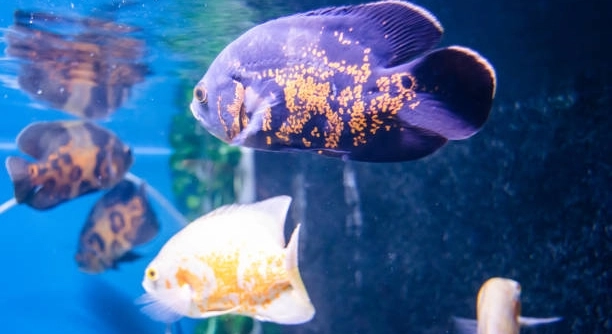
Oscar fish are known for their unique personality and impressive appetite. However, not all foods are safe for them to eat. Understanding which foods are harmful can help maintain their health and prevent serious issues.
Certain foods can be harmful to Oscar fish, potentially leading to digestive issues or long-term health complications. Foods high in fat, sugar, or toxins should be avoided, along with items that may cause obstructions in their digestive tract.
Choosing the right diet for your Oscar fish will ensure they stay healthy and happy for years to come.
1. Foods High in Fat and Sugar
Many people believe that feeding Oscar fish a variety of treats is good for them. However, high-fat and sugary foods can be detrimental to their health. These foods may lead to obesity and other serious issues like fatty liver disease, which affects many aquarium fish.
Processed foods, such as chips or fried items, may look appealing, but they can cause digestive problems. Additionally, foods like these may upset the fish’s ability to absorb nutrients properly, resulting in malnutrition over time.
To maintain optimal health, offer your Oscar fish foods with a balanced nutrient profile, such as pellets, live food, or specially formulated fish food. Reducing high-fat or high-sugar treats will help prevent these health problems and keep your fish feeling active and strong.
2. Avoiding Toxins in Certain Foods
Some foods are inherently toxic to fish.
Many items we eat, such as raw meats or certain vegetables, can be harmful when consumed by Oscar fish. These foods may contain chemicals or bacteria that cause illness, even if cooked for humans.
For instance, raw potatoes and onions are examples of foods that should never be given to your Oscar fish. These can introduce toxins into their system, potentially leading to poisoning. Additionally, garlic or other strong-flavored foods can cause digestive distress or even make them more susceptible to infections. It is crucial to avoid these items to ensure your fish’s well-being. You can provide them with safe alternatives like brine shrimp or earthworms. This will keep them healthier, and you’ll have fewer concerns about potential toxins.
3. Avoiding Foods That Cause Blockages
Certain foods, like large chunks of vegetables, can block an Oscar fish’s digestive tract.
Oscar fish tend to swallow food whole, so offering them oversized pieces can lead to digestive issues. These blockages can cause severe discomfort and may require medical intervention. It’s best to chop foods like vegetables into smaller, more manageable pieces to avoid this.
Soft foods such as lettuce can also cause problems if fed in excess. Overfeeding these soft foods can lead to bloating, as the fish may struggle to digest them properly. Always observe your fish after feeding to ensure they’re not struggling with the food you’ve given them. Properly preparing and portioning food ensures the fish can digest it easily, reducing the risk of blockages.
4. High-Protein, Low-Nutrient Foods
While protein is essential, too much protein without balanced nutrition can harm your Oscar fish.
Feeding too many high-protein foods like beef heart or raw shrimp can overload the fish’s digestive system. Oscar fish need a well-balanced diet, and too much protein can lead to issues like kidney damage or problems with their growth. A diet consisting mostly of protein also leaves little room for the necessary fats, vitamins, and minerals they need to thrive.
Protein-heavy diets often result in excess waste in the tank, leading to poor water quality. Maintaining proper water conditions is vital to keeping your Oscar healthy, so be mindful of how much protein you’re feeding. Switching to balanced pellets and a variety of live foods, such as worms or insects, helps meet their nutritional needs and reduces the risk of overfeeding them.
5. Dairy Products
Dairy is not suitable for Oscar fish.
Milk, cheese, or yogurt can upset their digestive system. These products are not digestible for fish, and feeding them dairy can lead to bloating or discomfort. Avoid offering any dairy to your Oscar fish.
It’s important to remember that their stomachs are designed to break down specific foods. The enzymes required to process dairy simply aren’t present in their digestive system. Offering these types of foods may disrupt their ability to properly digest nutrients, leading to illness. Stick to fish-safe options like pellets, worms, or small crustaceans.
6. Processed Foods
Avoid feeding Oscar fish processed human foods.
Many processed foods contain additives or preservatives that can harm your fish. These chemicals can lead to health issues, affecting their digestion or causing long-term damage to vital organs. Processed foods also tend to be too high in salt or fats.
FAQ
What is the best food for Oscar fish?
The best food for Oscar fish includes a variety of high-quality pellets, live foods like worms or brine shrimp, and occasional frozen foods. It’s important to offer a balanced diet to ensure they get the necessary nutrients, including protein, fats, and vitamins. Always choose foods formulated specifically for carnivorous fish to meet their dietary needs. Offering a mix of dry and live food ensures variety and provides stimulation for the fish.
Can I feed my Oscar fish vegetables?
Yes, but in moderation. Vegetables like zucchini, peas, and spinach can be healthy additions to an Oscar’s diet. However, they should be properly prepared (e.g., blanched or chopped into small pieces) to prevent choking. Avoid offering vegetables too often, as Oscars are primarily carnivorous.
How often should I feed my Oscar fish?
Oscar fish should be fed once or twice a day. Overfeeding can lead to health problems and water quality issues. If your fish seem to be getting too much food or if leftovers are frequently left in the tank, consider reducing the portion size. It’s essential to monitor your fish’s behavior and adjust accordingly.
Can Oscars eat live fish?
Oscar fish are natural predators, so they will often try to eat smaller fish if they are available. However, it is not recommended to feed live fish regularly. Live fish may introduce parasites or diseases, which can harm your Oscar. If you do feed live fish, make sure they come from a safe and reliable source.
How do I know if my Oscar fish is sick from bad food?
Signs of illness from bad food include bloating, lethargy, abnormal swimming behavior, or refusal to eat. If you notice these symptoms, it’s important to assess their diet and ensure they are not being fed harmful or inappropriate foods. Additionally, poor water quality can also contribute to health issues, so it’s crucial to maintain clean tank conditions.
Can I feed my Oscar fish frozen food?
Yes, frozen food is a good option for Oscars. You can feed them frozen brine shrimp, bloodworms, or other fish-safe frozen items. These provide a nutritious meal, but it’s important to thaw them before feeding. Frozen food should be given as a supplement, not the main diet, to ensure a balanced nutritional intake.
How can I prevent my Oscar fish from overfeeding?
To prevent overfeeding, establish a feeding schedule and stick to it. Offer only what your Oscar can eat in a few minutes, and remove any uneaten food after the feeding session. This will help maintain water quality and prevent obesity or digestive issues in your fish.
Is it safe to feed my Oscar fish raw meat?
Feeding raw meat to Oscar fish is not recommended. While they are carnivores, raw meats can introduce bacteria or parasites that could harm your fish. It’s better to feed them safe, fish-specific foods like pellets or specially prepared fish meat. If you want to offer them raw meat, ensure it is from a trusted source and free from any harmful pathogens.
Why is my Oscar fish refusing to eat?
There are several reasons why an Oscar might stop eating. Stress, water quality issues, or illness can cause a loss of appetite. Ensure the tank environment is stable, with appropriate water conditions, temperature, and filtration. If the problem persists, check for signs of disease or consult an expert.
Can Oscars eat chicken?
No, Oscars should not eat chicken. While they are carnivorous, chicken is not a suitable food for them. It can be difficult for their digestive system to process, and the high fat content may lead to health problems. Stick to foods designed specifically for carnivorous fish instead.
Final Thoughts
Oscar fish are fascinating creatures that require a well-balanced diet to thrive. Feeding them the right types of food ensures they stay healthy and active. While it’s tempting to offer a wide variety of foods, it’s important to avoid certain types that can harm them. Foods high in fat, sugar, or unsuitable for their digestive system can lead to obesity, digestive problems, and even long-term health issues. By sticking to fish-safe options and avoiding processed, dairy, or toxic foods, you can help your Oscar fish live a longer, healthier life.
Offering a variety of food, including pellets, live foods, and occasional vegetables, will provide the necessary nutrients your Oscar needs. A balanced diet should focus on protein but also include fats, vitamins, and minerals to support overall well-being. It’s important to monitor your Oscar’s health by observing their behavior and appetite. If you notice any changes, such as refusing food or showing signs of illness, it may be time to reassess their diet or the water quality in their tank.
By ensuring the right foods are given in the proper portions, you create a healthier environment for your Oscar fish. Always remember that feeding your fish responsibly means considering their natural diet and digestive needs. Providing high-quality, appropriate food is just as important as maintaining good water conditions. Taking these steps will not only improve their health but also their happiness in the long run.

Hello,
If you enjoy the content that we create, please consider saying a "Thank You!" by leaving a tip.
Every little bit helps us continue crafting quality advice that supports the health, happiness, and well-being of pets around the world, for pets of all shapes, sizes, and species.
We really appreciate the kindness and support that you show us!