
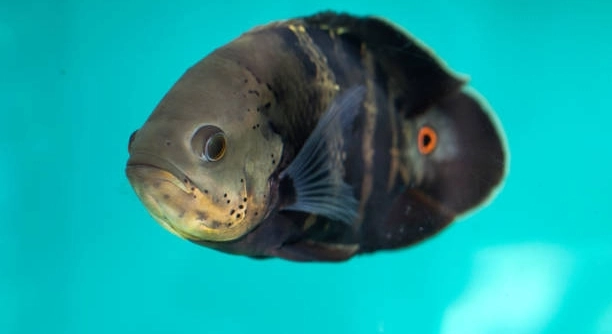
Oscar fish are known for their vibrant colors and strong personalities. Many fish owners wonder if they can thrive without companions in their tanks. This question is essential for creating a healthy and balanced environment for them.
Oscar fish are solitary by nature and can thrive without companions, provided they are given proper care. They are territorial and may show aggression toward other fish, so a single Oscar in the tank may be best for their well-being.
Understanding their behavior and needs will help ensure that your Oscar fish lives a fulfilling life, whether alone or with companions.
Oscar Fish and Their Solitary Nature
Oscar fish are often considered independent, enjoying their own space and not needing constant companionship. They are naturally territorial, especially as they mature. This behavior is evident when they establish their territory in a tank, making them more prone to aggression toward other fish. Providing an environment where they feel secure and unthreatened is essential for their well-being.
While Oscars may tolerate other fish, their aggressive nature can lead to fights or stress. A solo Oscar in the tank can often live a more peaceful and stress-free life. It’s important to monitor their behavior closely if they share their space with others. The territorial nature can become problematic, leading to health issues over time.
In many cases, keeping an Oscar alone ensures they have fewer conflicts and stress factors to deal with. When given ample space and proper care, they thrive in solitude. This approach allows them to flourish in a calm and stable environment, reducing aggression-related issues.
The Tank Setup for Solo Oscars
A proper tank setup is vital for Oscar fish when they are kept alone. Their territorial instinct means they require space to claim as their own. Ensuring that the tank size is large enough is one of the key factors in keeping an Oscar happy.
Oscar fish need a minimum of 55 gallons of water to feel comfortable. They are active swimmers, and having enough room allows them to move freely without feeling threatened. A well-maintained tank with clean, filtered water is necessary for their health. Oscars also need plenty of hiding spots, which help them feel secure in their environment. Proper tank conditions make a significant difference in the overall quality of their life.
Keeping an Oscar fish in an environment where they feel safe and undisturbed helps minimize aggression. The right tank size and setup are crucial for a peaceful life, whether they are solitary or occasionally sharing the space with compatible tankmates.
Aggression and Territoriality in Oscar Fish
Oscar fish can become highly aggressive, especially when they feel their space is being invaded. This territorial behavior can lead to serious disputes, particularly with tankmates that are not suited to their temperament. Their aggression tends to increase if they are housed in smaller tanks, where they feel more confined.
If you choose to keep an Oscar with other fish, it’s important to select species that are large enough to defend themselves. Smaller fish may become stressed or even harmed by the Oscar’s aggressive actions. Oscar fish often react to the presence of other fish with intense chasing, nipping, or even outright attacking. Keeping a close watch on their interactions can help prevent severe aggression and ensure a more peaceful environment for all inhabitants.
This territorial instinct is a key reason why many owners opt to keep Oscars alone. Without the presence of other fish, they are less likely to engage in harmful behaviors. Providing an environment where their aggression can be managed is crucial to their health and well-being.
The Importance of Tank Maintenance for Oscar Fish
Oscar fish are particularly sensitive to poor water quality. Regular tank maintenance is essential to keeping them healthy and reducing stress. Filtration systems must be powerful enough to handle the waste produced by an Oscar’s active lifestyle. This ensures the water remains clean and oxygenated, which is crucial for their overall health.
Water changes should be done frequently, especially in tanks with high fish waste production. A 25% water change every week is a good starting point. Additionally, ensuring the tank is free of debris and the water temperature stays consistent helps create a stable environment for the Oscar. A tank with high water quality reduces the chances of disease and improves the fish’s immune system.
Proper maintenance also includes monitoring the water parameters like pH, hardness, and ammonia levels. These factors directly impact the health of your Oscar. A well-maintained tank promotes a stress-free environment and encourages the Oscar to thrive. Regular upkeep ensures that the fish live in the best conditions possible.
Oscar Fish Diet and Nutrition
Oscar fish are known for their hearty appetites and will eat nearly anything you provide. A balanced diet is key to their health and longevity. They can thrive on a mix of high-quality pellets, live food, and occasional frozen treats like worms or shrimp.
A varied diet ensures that they receive all necessary nutrients. Overfeeding can lead to health problems, so portion control is important. Oscars are also prone to obesity, which can strain their organs. Offering food that mimics their natural diet will keep them active and healthy.
The Role of Water Temperature in Oscar Fish Health
Maintaining the right water temperature is critical for Oscar fish. They thrive in water between 74°F and 81°F (23°C – 27°C). If the water is too cold, their immune system weakens, and they may become sluggish or sick. A reliable heater helps keep the water in the ideal range.
Oscars are sensitive to rapid temperature fluctuations. Sudden changes can stress them out, leading to health problems like ich or other diseases. Regularly checking the water temperature and using a thermometer ensures the tank stays within the desired range. Stability is key to their well-being.
Tankmates for Oscar Fish
While Oscars can live alone, some fish may be compatible tankmates. Larger, peaceful fish with similar water requirements are often the best choices. However, many fish may become targets for the Oscar’s aggression.
If choosing to add tankmates, always keep their size in mind. Smaller fish are more vulnerable to the Oscar’s territorial nature. Compatibility is vital for minimizing conflict, as Oscar fish are not typically known for their social behavior.
FAQ
Can Oscar fish live with other fish?
Oscar fish can live with other fish, but this depends on the species. They are aggressive and territorial by nature. Larger, robust fish are generally the best tankmates for Oscars, but even then, conflicts can occur. Small or slow-moving fish should not be housed with Oscars, as they may become targets of aggression. It’s essential to monitor interactions closely and ensure that all tankmates are compatible in size and temperament.
How big do Oscar fish get?
Oscar fish can grow quite large, typically reaching 12-14 inches in length, with some individuals growing up to 18 inches in very large tanks. Their size depends on factors such as genetics and the tank environment. Larger tanks will encourage them to grow to their full potential, while smaller spaces may restrict their growth. A spacious environment with proper care helps your Oscar achieve a healthy size.
What size tank do Oscar fish need?
Oscar fish require a minimum of 55 gallons of water for one fish. However, larger tanks are better, especially if you plan to keep them with other fish. The general rule is to add 20 gallons of water for each additional Oscar or large tankmate. A larger tank provides enough space for swimming and helps reduce aggression.
How often should I feed my Oscar fish?
Oscar fish should be fed once or twice a day, with the total amount of food being consumed within 3-5 minutes. Overfeeding can lead to health issues like obesity, water quality problems, and stress. A balanced diet, including pellets, live food, and occasional treats, ensures your Oscar remains healthy. Offering varied meals is essential for their nutrition.
What temperature should the water be for Oscar fish?
Oscar fish thrive in water temperatures between 74°F and 81°F (23°C to 27°C). Consistent temperatures within this range promote better digestion and overall health. Sudden temperature changes can stress the fish, leading to weakened immune systems or illness. Using a reliable heater and thermometer can help maintain a stable and appropriate water temperature.
Do Oscar fish need a filter?
Yes, Oscar fish need a filter. They are messy eaters and produce a lot of waste, which can quickly degrade water quality. A strong filtration system helps maintain a clean and healthy environment. Choose a filter that can handle at least twice the volume of your tank to ensure efficient filtration. Regular maintenance of the filter is also crucial for optimal water conditions.
How long do Oscar fish live?
Oscar fish have an average lifespan of 10-15 years when cared for properly. With the right tank size, water conditions, and diet, they can live even longer. It’s important to regularly monitor their health and provide the right environment to help them live a long and healthy life.
What should I do if my Oscar fish is sick?
If your Oscar fish shows signs of illness, such as lethargy, loss of appetite, or abnormal swimming behavior, check the water quality first. Poor water conditions are a common cause of stress and illness. You may need to isolate the sick fish in a quarantine tank to prevent the spread of disease. Consulting a veterinarian or aquatic specialist can help diagnose and treat the issue effectively.
Can Oscar fish survive in cold water?
Oscar fish are tropical fish and cannot survive in cold water. They require a temperature range of 74°F to 81°F to thrive. Cold water can cause stress and weaken their immune system, making them more susceptible to disease. A reliable heater is essential to maintain proper temperatures year-round.
Why is my Oscar fish turning dark?
Oscars may change color as a response to stress, illness, or environmental factors. Darkening in color can indicate aggression, poor water conditions, or even a temperature fluctuation. If the color change is sudden and persistent, it’s important to check water quality and ensure the tank conditions are stable. A visit to an aquatic vet may be needed if the behavior persists.
Do Oscar fish need hiding spots?
While Oscar fish are territorial, providing them with hiding spots can help them feel secure. They often appreciate a place to retreat when they are feeling threatened or stressed. Adding rocks, caves, or plants to their tank allows them to have their own space, reducing stress and improving their overall well-being. Hiding spots can also prevent unnecessary conflict with other tankmates.
Can I breed Oscar fish in a home aquarium?
Breeding Oscar fish in a home aquarium is possible but requires a suitable setup. Oscars are known to be protective of their eggs and fry, so a separate breeding tank is often recommended to protect the young from aggression. They will need specific conditions such as a stable temperature and clean water to successfully breed. If you are breeding Oscars, ensure you are prepared for the care of the offspring.
Do Oscar fish recognize their owners?
Oscar fish can recognize their owners, especially if you interact with them regularly. They may show excitement or curiosity when they see you approaching the tank, even swimming up to greet you. While not as affectionate as some other pets, they are intelligent and can learn to associate their owners with feeding times or other activities.
Why is my Oscar fish acting lethargic?
Lethargy in Oscar fish can be caused by a variety of factors, including poor water quality, illness, or stress. Check the water parameters such as ammonia, nitrate, and pH levels to ensure they are within a safe range. If the water quality is good, the fish may be suffering from a health issue, and it may be necessary to isolate the fish for further observation or treatment.
What kind of water should I use for Oscar fish?
Oscar fish thrive in freshwater with specific water parameters. Use dechlorinated tap water, or if you are using distilled or reverse osmosis water, ensure it is remineralized to match their natural habitat conditions. Regular testing of pH, hardness, and ammonia levels is necessary to maintain stable water quality. Stable and clean water is crucial for their health.
Can Oscars live with goldfish?
Oscar fish should not be kept with goldfish. Goldfish have a much slower metabolism and typically prefer colder water, which does not match the needs of an Oscar. Oscars are also much more aggressive and can easily bully or injure goldfish. It’s best to keep Oscars with other large, active fish with similar water requirements.
Do Oscar fish need UV light?
Oscar fish do not require UV light, but having a light source can help regulate their day-night cycle. Some owners choose to use UV light to help control algae growth in the tank. However, it’s not essential for their health. Regular tank maintenance and water quality management will keep your Oscar fish in good condition.
Can Oscars eat live food?
Oscar fish can eat live food and often enjoy it. In their natural habitat, they prey on small fish and invertebrates. Live food such as worms, shrimp, or feeder fish can be provided, but it’s important to source healthy, clean live food to avoid introducing disease. Offering a variety of food types ensures a balanced diet for your Oscar.
What is the best way to introduce new fish to an Oscar tank?
When introducing new fish to an Oscar tank, do so gradually. Start by quarantining the new fish in a separate tank to ensure they are healthy and disease-free. Once the new fish are acclimated, slowly introduce them to the Oscar’s tank during feeding time to observe any aggressive behaviors. Keep a close eye on interactions to avoid conflicts.
Final Thoughts
Oscar fish are captivating creatures, known for their intelligence and unique personalities. While they can be kept in tanks alone, they require significant care to thrive. These fish are not for beginners due to their size, aggression, and specific environmental needs. A properly maintained tank with stable water conditions is essential for their health. Keeping Oscars in a tank that’s large enough to support their growth is a key factor in ensuring their well-being. Consistent care and attention to their diet and living conditions will help them live a long and healthy life.
Understanding the behavior of Oscar fish is crucial when deciding if they should be housed with other species. Their aggressive nature means they might not always tolerate tankmates, especially smaller or slower-moving fish. However, if the right conditions and tankmates are provided, Oscars can coexist with certain species. Larger, more robust fish that can hold their ground in the tank tend to be better companions. It’s important to know that even with compatible tankmates, Oscars may still display territorial behaviors.
In conclusion, whether your Oscar fish thrives alone or with companions depends on several factors, including tank size, water quality, and social interactions. These fish are best suited for experienced fish keepers who can meet their needs. With the right setup and care, Oscars can be fascinating pets that live for many years. Remember, their health and happiness will largely depend on the environment you create for them. Whether you choose to keep one Oscar or more, making informed decisions about tank conditions and potential tankmates will go a long way in providing them with a comfortable, safe home.

Hello,
If you enjoy the content that we create, please consider saying a "Thank You!" by leaving a tip.
Every little bit helps us continue crafting quality advice that supports the health, happiness, and well-being of pets around the world, for pets of all shapes, sizes, and species.
We really appreciate the kindness and support that you show us!