
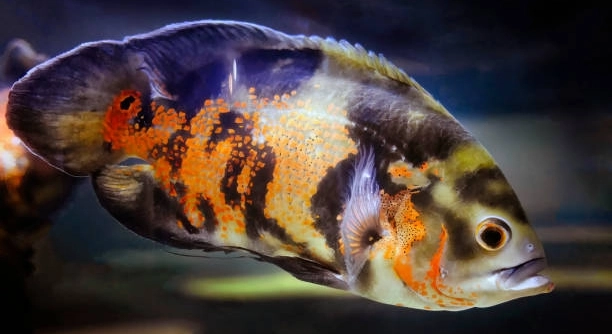
Is your Oscar fish acting strangely, barely moving its fins or seeming sluggish in the water? This can be concerning for any fish owner, especially if your fish was once active and healthy in its tank.
The most common reason your Oscar fish is not using its fins properly is due to stress, poor water quality, or an underlying illness such as fin rot or a swim bladder disorder. Addressing these causes quickly is essential.
Knowing the signs and what they mean can help you respond early and give your Oscar fish a better chance at recovery and comfort.
Possible Causes of Poor Fin Usage in Oscar Fish
One common reason your Oscar fish may not be using its fins properly is poor water quality. Oscars are sensitive to changes in their environment, and dirty or unbalanced water can affect their health. High ammonia or nitrate levels, or low oxygen levels, can stress your fish and lead to problems with swimming. Regular water changes and proper filtration are vital to keeping your Oscar fish comfortable. If your Oscar fish’s fins are not moving properly, check the water parameters immediately and adjust them accordingly. Poor water quality often leads to lethargy, making your fish less active and affecting its fin movement.
If your fish’s fins aren’t moving, the water may be too warm or too cold, as this can impact their muscle function. Additionally, overcrowded tanks can increase stress levels, making it harder for your fish to swim properly.
If you find that the water is within a safe range and your Oscar fish is still struggling to use its fins, it could be a sign of illness. Diseases like fin rot or a bacterial infection can cause weakness in the fins. Keep an eye out for any changes in the appearance of the fins, such as fraying or discoloration. These symptoms often indicate that something is wrong, and timely treatment is essential. Bacterial infections usually develop when the water conditions aren’t optimal, or when the fish is under stress, making it crucial to address these issues immediately.
How to Address Swim Bladder Issues in Oscar Fish
Another cause of fin problems could be a swim bladder disorder. This condition can cause your Oscar fish to struggle with buoyancy, affecting its ability to swim or use its fins. If your fish is swimming sideways or sinking to the bottom of the tank, it may be suffering from this disorder.
Swim bladder issues can result from overfeeding, constipation, or an infection. If your Oscar fish is bloated or has trouble staying upright, you should reduce the amount of food offered and consider fasting for a day or two to help clear out any digestive issues. A high-fiber diet with sinking pellets can also assist in easing constipation.
In severe cases, swim bladder disease may require medication. You can try adding aquarium salt to help ease stress on your fish’s internal organs. If the problem persists, seeking advice from a veterinarian who specializes in aquatic life is crucial for proper treatment.
Stress and Environmental Factors Affecting Your Oscar Fish
Stress is a major factor that can make your Oscar fish not use its fins properly. Environmental changes, such as sudden shifts in water temperature, bright lights, or loud noises, can all contribute to stress. Oscars are known to be sensitive to disturbances, and too much stress can cause lethargy or reluctance to swim. Ensure your tank environment remains calm and stable. You may also want to limit tankmates that might bully or chase your Oscar, as constant stress can negatively impact its health and swimming ability.
Keeping a consistent routine for feeding, water changes, and tank maintenance can also help reduce stress. Oscars thrive in tanks that provide adequate hiding spots, so adding decorations or plants can give them a sense of security. It’s important to make sure your fish isn’t constantly in an overstimulated environment. If your fish is constantly exposed to stressful factors, it may eventually stop using its fins properly, leading to further complications like reduced appetite and poor health.
Furthermore, overcrowding can make your Oscar feel trapped, increasing its stress level. It’s best to keep Oscars in appropriately sized tanks with only a few other fish. If your tank is too crowded, there may not be enough space for your Oscar to swim freely, which can lead to poor fin usage and health problems.
How Poor Diet Affects Fin Health in Oscar Fish
A poor diet is another common cause of fin issues in Oscars. Without the right nutrients, your fish may struggle with weak fins or poor swimming abilities. Oscars need a balanced diet with proteins, vitamins, and minerals. A lack of variety, like only feeding pellets, can result in malnutrition over time. This impacts not just their fins, but overall health as well. Adding frozen or live food like bloodworms, shrimp, or earthworms can provide important nutrients that dry food sometimes lacks.
Inadequate feeding can also weaken the immune system, making your Oscar more susceptible to illnesses like fin rot. If your fish’s fins appear frayed or discolored, it may be a sign that it’s not getting the nutrients it needs. A balanced diet can help maintain fin structure and functionality. You might also want to consider adding vitamin supplements to their diet if you notice any signs of malnutrition.
Maintaining a healthy diet and offering a variety of foods will not only promote stronger fins but will also enhance your Oscar’s overall health. If your Oscar is having trouble using its fins properly, reassessing its diet could be the solution to improving its condition. Healthy, strong fins are essential for your Oscar to swim and thrive properly in the tank.
Fin Rot and How It Affects Your Oscar Fish
Fin rot is a common condition that causes your Oscar’s fins to deteriorate and may prevent proper movement. It’s usually caused by poor water conditions, like high ammonia or nitrite levels, or bacterial infections. Infected fins may appear frayed, discolored, or with black edges. If untreated, it can lead to further damage.
A key sign of fin rot is the gradual weakening of your Oscar’s fins. The infected fins may curl or disintegrate, and the fish may show signs of distress, such as swimming near the bottom or hiding. Proper treatment involves improving water quality, using antibacterial medications, and ensuring your fish has a stable environment. Early intervention is crucial.
Treatment Options for Injured or Infected Fins
If your Oscar’s fins are infected or injured, you should begin by improving the water conditions. Perform regular water changes to remove harmful toxins and maintain a clean tank. You may also need to add aquarium salt to help reduce stress on the fish and promote healing.
For serious infections, consider using an antibiotic treatment that targets fin rot and similar issues. Be sure to follow the instructions carefully, as overdosing can harm your fish. If the infection does not improve after a few days, consult a veterinarian for further advice on possible treatments or medications.
When to Seek Professional Help for Your Oscar Fish
If your Oscar fish’s fins are still not functioning properly after addressing water quality and diet, it may be time to consult a vet. Severe cases of fin rot, internal injuries, or diseases may require a professional’s intervention for diagnosis and treatment.
FAQ
What are the signs that my Oscar fish is not using its fins properly?
If your Oscar fish is not using its fins properly, you may notice it swimming unnaturally or struggling to stay upright. It might hover at the bottom of the tank, move less, or have difficulty swimming. The fins themselves may appear frayed, damaged, or clamped tightly to the body. Watch for signs of lethargy or unusual swimming patterns, as this can signal underlying health issues.
How can I prevent my Oscar fish from developing fin rot?
Maintaining good water quality is the most effective way to prevent fin rot. Regular water changes, ensuring the filtration system is working properly, and keeping ammonia and nitrate levels within safe ranges are key steps. Overcrowding should also be avoided, as stress can lead to weakened immune systems in Oscars. Additionally, ensure that your fish is not injured or exposed to harmful bacteria, as wounds on the fins can easily become infected.
Can I treat my Oscar fish at home if it is not using its fins properly?
Yes, in many cases, you can treat your Oscar fish at home. Start by improving water quality and reducing stress factors in the tank. Make sure the water is clean and the temperature is stable. If the issue is related to fin rot, you can treat it with over-the-counter medications that are safe for fish. In cases of swim bladder issues, you may need to adjust feeding or provide specialized treatment. However, if symptoms persist or worsen, consulting a vet may be necessary.
How long will it take for my Oscar fish to recover if it’s not using its fins properly?
Recovery time can vary depending on the underlying cause. If your Oscar fish is suffering from poor water quality or stress, improvement can be seen in just a few days once conditions are corrected. However, if there is a serious infection like fin rot or a swim bladder issue, it may take weeks for full recovery. Always monitor your fish closely and give it time to heal. If recovery is slow or the fish’s condition worsens, seeking professional help is important.
What water parameters should I maintain for my Oscar fish?
For a healthy Oscar fish, keep the water temperature between 74°F and 81°F (23°C to 27°C). The pH level should be between 6.5 and 7.5, and the hardness should be moderate. Ammonia levels should be 0 ppm, nitrites should be 0 ppm, and nitrates should be kept below 20-40 ppm. Regular water changes are crucial to keep these parameters stable. Additionally, make sure the tank has proper filtration to maintain water quality.
Can overfeeding my Oscar fish cause issues with its fins?
Overfeeding can lead to a variety of health issues, including constipation, obesity, and digestive problems, which may affect your Oscar’s ability to use its fins properly. Overfeeding can also pollute the water, which stresses the fish and weakens its immune system, making it more susceptible to fin rot or other infections. It’s important to feed your Oscar only what it can consume within a few minutes and avoid overfeeding.
What should I do if my Oscar fish is not eating and not using its fins?
If your Oscar is not eating and not using its fins, it may be experiencing stress or illness. First, check the water quality and make sure it’s within the right parameters. If the water is fine, try offering a variety of foods, including live or frozen options, to see if it encourages eating. If your fish continues to avoid food, appears lethargic, or struggles with its fins, it may be suffering from a more serious condition like an infection or internal illness, and a vet consultation would be advised.
Is it possible that my Oscar fish has a swim bladder problem?
Yes, swim bladder problems are common in Oscar fish, especially if they are overfed or exposed to sudden temperature changes. A swim bladder issue can cause your Oscar to swim erratically or have difficulty using its fins properly. It might float upside down, sink to the bottom, or have trouble staying upright. Treatment may include adjusting feeding practices, adding aquarium salt, or using specialized medication for swim bladder disorders. If the issue persists, consulting a veterinarian is recommended.
Can fin damage in Oscar fish heal on its own?
Small fin injuries, like nicks or slight tears, can heal on their own if the water quality is maintained, and the fish is kept in a low-stress environment. However, more significant damage, like fin rot or severe fraying, requires treatment with antibacterial medications or improved water conditions. The healing process can take a few weeks, depending on the severity of the damage. Providing a balanced diet with essential nutrients can also support the healing process.
Is it safe to add salt to my Oscar fish tank if it’s not using its fins properly?
Adding aquarium salt can help alleviate stress and support the healing process for certain conditions, like mild fin rot or swim bladder issues. However, it’s important to use the right amount of salt and dissolve it properly. Excessive salt can harm your Oscar, so it’s best to follow recommendations on the packaging or consult a veterinarian. Make sure to check your fish’s behavior, as too much salt can lead to further stress.
Final Thoughts
If your Oscar fish is not using its fins properly, it’s important to understand the cause in order to address the issue effectively. Poor water quality, stress, injuries, and illnesses like fin rot or swim bladder problems can all affect a fish’s ability to swim and use its fins. By regularly checking your water conditions, maintaining a consistent routine, and offering a balanced diet, you can prevent many of the common problems that lead to fin issues. Stress factors like overcrowding or environmental changes should also be minimized to help your Oscar feel safe and comfortable in its tank.
Treatment varies depending on the cause. For minor issues, improving water quality and offering a variety of foods may be enough to help your Oscar regain its strength and movement. In more serious cases, you may need to use medications or take steps like fasting your fish to address swim bladder issues. If the problem continues or worsens despite your efforts, it’s crucial to seek professional advice. A veterinarian who specializes in fish can help diagnose underlying health problems and guide you toward the best course of action for your Oscar’s recovery.
Keeping an eye on your Oscar’s behavior and appearance is key to catching any issues early. Regular monitoring of the fins, body, and overall health of your fish will allow you to address concerns before they escalate. Healthy water, proper diet, and a stress-free environment are essential for your Oscar to thrive and swim comfortably. By paying attention to these factors and taking appropriate action when necessary, you can ensure that your Oscar fish stays happy and healthy for years to come.

Hello,
If you enjoy the content that we create, please consider saying a "Thank You!" by leaving a tip.
Every little bit helps us continue crafting quality advice that supports the health, happiness, and well-being of pets around the world, for pets of all shapes, sizes, and species.
We really appreciate the kindness and support that you show us!