
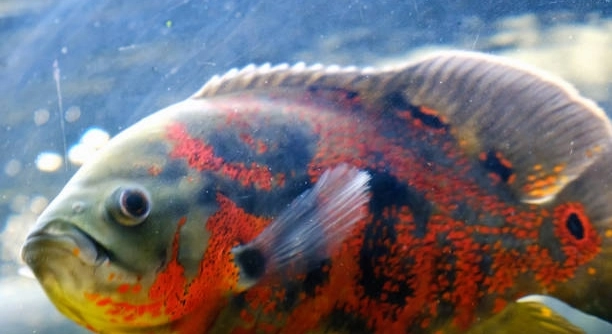
Do you ever find yourself watching your Oscar fish and wondering if they’re just being playful or doing something more serious?
Many of the behaviors Oscar fish display—like pushing objects, flaring fins, or chasing tankmates—can closely resemble play. However, these actions often serve specific social, territorial, or environmental purposes rather than simple amusement.
Understanding what these behaviors really mean can help you care for your Oscar more confidently and avoid mistaking stress or dominance displays for fun.
Chasing Tank Mates
Oscar fish often chase other fish around the tank. At first, it might look playful, like a game of tag. But most of the time, this behavior is linked to dominance. Oscars are territorial by nature, and they may chase tank mates to establish control over space. It can also happen when they feel crowded or stressed. If the chasing doesn’t involve nipping or physical harm, it can seem harmless. But it’s important to monitor the situation. Repeated chasing can lead to stress for the other fish and may even result in injury if it escalates. A larger tank with plenty of hiding spots can help reduce this behavior. It gives each fish enough room to feel secure. Also, it’s best to pair Oscars with tank mates that match their size and temperament. Keeping an eye on this can help you maintain peace in your aquarium.
Chasing can increase during feeding time or when new fish are introduced, so timing matters too.
Sometimes, Oscars chase each other when forming a pair. It may look rough, but it’s part of their bonding. If the chasing is mutual and short-lived, it’s likely harmless. But if one fish is always the target, separation may be necessary. Observing the fish closely helps you decide.
Rearranging the Tank
Oscar fish like to move things around in their tank. They’ll often pick up rocks or plants with their mouths and carry them to a different spot.
This might seem like a fun activity, but it has a purpose. Oscars move objects to make the tank feel more comfortable or to claim space. In the wild, they would clear areas to create nests or hiding spots. In your tank, this shows up as rearranging gravel, plants, or decorations. It’s a sign they’re interacting with their environment. However, it can also be a sign of stress if they’re doing it nonstop. When Oscars feel bored or confined, they may start moving things more aggressively. Keeping them mentally stimulated with a few safe tank decorations can help. Avoid sharp or heavy items that could hurt them. Rearranging is a normal Oscar behavior, but it’s good to watch for changes in frequency or intensity. It tells you how they’re feeling.
Flaring Their Fins
Flaring fins can look dramatic, like a display or even a performance. It usually happens when another fish is nearby or when the Oscar sees its reflection.
This behavior is often about showing strength or warning others. In a shared tank, fin flaring can be part of establishing rank. Oscars might flare to make themselves look bigger, especially if they feel threatened. Sometimes they do it when they see their reflection, mistaking it for another fish. While it may look playful, it’s mostly tied to defense or confidence. If flaring becomes frequent and is paired with other aggressive signs like biting or chasing, it could mean the Oscar is feeling uneasy in its environment. Adding more hiding places or adjusting lighting to reduce reflections can help calm things down. Watching when and how often they flare gives clues about their comfort in the tank.
Oscars also flare during courtship or territorial displays, especially if they’ve paired with another fish. It’s a way of showing interest or claiming space. In these cases, flaring can be harmless and part of natural bonding. But when done constantly and without reason, it may point to stress or poor tank conditions. Regular checks of water quality and tank size can prevent flaring from turning into something more serious.
Nipping at Objects
Oscar fish often nip at plants, gravel, or even decorations in the tank. This isn’t always aggression—it can be boredom, curiosity, or part of their feeding behavior.
They are naturally interactive and like to explore their surroundings. Nipping is how they test or learn about different objects. In some cases, it’s part of their attempt to move or rearrange items, similar to their digging behavior. If they’re nibbling plants, they might be trying to build a spawning area or clear space. However, if you notice excessive or rough nipping, it could mean they’re under-stimulated. Try giving them new objects to interact with, like smooth stones or floating toys that are safe for aquariums. This can redirect their energy and reduce stress. Nipping isn’t always a bad sign—it can mean they’re alert and curious. Still, if it’s paired with other stress signals, it’s worth taking a closer look.
Digging in the Gravel
Oscar fish often dig into the gravel, scattering it around the tank. This looks playful but is usually tied to nesting or exploring. It’s a natural behavior and not usually something to worry about.
They also dig to create a comfortable resting area or mark territory. Sometimes, they do it just out of boredom.
Watching You Closely
Oscars have strong vision and often follow movements outside the tank. They may swim along the glass and track your hand or face. This behavior is common and usually means they’re alert and aware of their environment.
It can also be a sign they’re anticipating food or simply curious. Many Oscars recognize their owners and respond to regular routines. Watching you closely doesn’t always mean they want something—sometimes they’re just interested. If the behavior happens often, it’s a good sign they feel safe and interactive. Keeping a consistent feeding and cleaning schedule can help them stay comfortable and engaged with their surroundings.
Spinning in Circles
Spinning in circles may look like a silly game, but it can also mean the Oscar is stressed or disoriented. It’s important to rule out poor water conditions or illness if this becomes frequent.
FAQ
Why does my Oscar keep moving decorations around the tank?
Oscars are naturally curious and territorial fish. They move decorations to create space or to feel more secure. In the wild, they’d clear areas for nesting or protection. In a home tank, this instinct shows up as rearranging rocks, plants, and other objects. It’s not just random—it’s their way of making the space feel more comfortable. If they’re doing it a lot, it could also mean they’re bored. Giving them new objects to explore or changing up the layout every now and then can help keep them stimulated and reduce repetitive behavior.
Is it normal for Oscars to stare at me?
Yes, it’s very common. Oscars have good vision and can learn to recognize people. If they see you often, they may associate your presence with feeding or activity in the tank. Staring can be a sign of curiosity, hunger, or simply interest in movement outside the tank. As long as they’re eating well and showing no signs of stress, it’s not something to worry about. In fact, many Oscar owners enjoy this connection, as it makes the fish feel more interactive and aware.
Can Oscar fish play with toys?
They can’t play with toys the way a dog or cat would, but they do enjoy interacting with objects. Floating balls, smooth stones, and PVC pipes can keep them active. Avoid anything with sharp edges or small parts. Toys help reduce boredom and give them something to explore. If you notice your Oscar nudging or pushing objects, that’s a good sign they’re engaged. Just make sure to clean and rotate the items so the environment stays interesting and safe for them.
Why does my Oscar spin in circles sometimes?
Occasional spinning may be normal, especially if it’s brief. But if your Oscar is spinning often or seems unbalanced, it might be a sign of stress, poor water quality, or even a swim bladder issue. Check the tank’s temperature, pH, ammonia, and nitrate levels. Make sure the tank isn’t overcrowded, and that your Oscar is getting a balanced diet. If everything seems normal but the behavior continues, it may be worth consulting a vet who specializes in fish. Early attention can help prevent health issues from getting worse.
Is chasing other fish always a problem?
Not always. Chasing can be a way of showing dominance or establishing space, especially in smaller tanks. If it’s occasional and doesn’t lead to injury, it’s likely normal behavior. But if the chasing becomes constant or aggressive, it can cause stress or harm to the other fish. Providing enough space, hiding spots, and choosing suitable tank mates can reduce this behavior. Watching how the fish interact helps you know whether it’s playful, territorial, or something more serious.
Why does my Oscar dig holes in the gravel?
Digging is instinctive for Oscars. They do it to move objects, build resting spots, or prepare areas for potential spawning. It’s not harmful and is a sign that your Oscar feels comfortable enough to interact with its environment. However, excessive digging can sometimes cloud the water or disturb plants. If this becomes a problem, you can adjust the substrate or place heavier decorations in the areas they usually dig. Digging is one of the most common and natural behaviors for Oscar fish, and in most cases, it’s nothing to worry about.
Final Thoughts
Oscar fish can be full of personality. The things they do might look playful, but many of these actions come from natural instincts. Chasing, digging, or flaring fins may seem like games, but they often mean the Oscar is reacting to its space, other fish, or even you. Watching these behaviors closely helps you understand what your Oscar needs. It’s not about labeling everything as good or bad, but about paying attention. The way your Oscar moves, reacts, or interacts with the tank tells you a lot. Some behaviors are harmless, while others might point to stress or discomfort.
Even when Oscar fish act in a way that seems silly or random, there’s usually a reason behind it. Moving objects, nipping at plants, or spinning might seem like they are just playing around, but these habits help them feel in control of their environment. They may be bored, exploring, or dealing with something in the tank. While it’s fun to watch them, it’s also important to notice changes. If a behavior becomes more frequent, or if your fish seems restless, it could be time to check water quality, tank size, or how the fish are getting along. A few small changes can make a big difference.
Keeping Oscar fish can be simple as long as you stay aware of their habits. You don’t need to react to every little thing, but regular checks on their behavior, tank conditions, and food will help keep them healthy. Giving them enough space, good food, and things to explore is a good way to reduce stress and unwanted behaviors. Most of all, watching your Oscar fish behave in different ways can be one of the best parts of keeping them. Their actions are more than just random—they are small signs of how they feel. Learning to understand those signs can make you a better fish keeper and help your Oscar live a more comfortable life.

Hello,
If you enjoy the content that we create, please consider saying a "Thank You!" by leaving a tip.
Every little bit helps us continue crafting quality advice that supports the health, happiness, and well-being of pets around the world, for pets of all shapes, sizes, and species.
We really appreciate the kindness and support that you show us!