
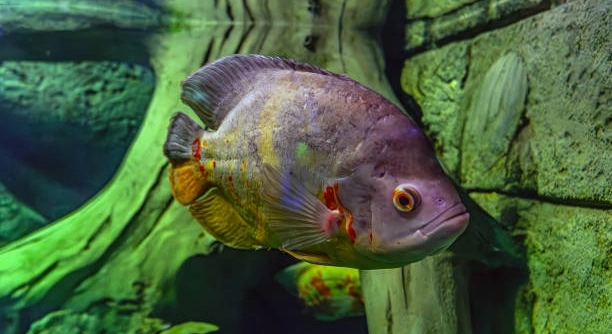
Oscar fish are known for their vibrant colors and striking personalities. Many fish owners wonder if these creatures can communicate using body language. Understanding their behavior may help enhance the bond between you and your aquatic friend.
Oscar fish do use body language to communicate. They display various movements and postures to convey emotions like aggression, fear, and excitement. These gestures help them interact with their environment and other fish in their tank.
Learning about Oscar fish behavior can improve how you care for them. Understanding their body language ensures a happier and healthier fish-keeping experience.
How Oscar Fish Use Their Bodies to Show Emotions
Oscar fish are quite expressive when it comes to their body language. Their actions can show everything from stress to contentment. The first sign to look for is their fins. When they’re feeling calm, their fins stay relaxed and close to their body. However, if they feel threatened or angry, they will flare them out to appear larger. Oscar fish also communicate through their body movements. Quick, darting movements can indicate fear or excitement, while slow, deliberate motions usually suggest that the fish is more at ease.
Oscar fish may also puff up their bodies, especially when they’re upset. This action makes them seem bigger and more intimidating to other fish. You might also notice them rubbing their bodies against objects in the tank, which is often a sign of irritation or a response to external factors like water quality.
Understanding these signs helps you gauge your fish’s mood and needs. If they seem particularly agitated, it may be worth checking the water conditions. Other stress factors include overcrowding or incompatible tank mates.
How Oscar Fish Respond to Threats
Oscar fish are known to react strongly when they feel threatened. One of their most noticeable behaviors is rapid swimming. This is usually a sign they are trying to escape or avoid danger.
They can also become territorial, especially when guarding their space or eggs. If another fish enters their territory, they will often chase it away, using body language like wide-spread fins and aggressive postures. They may also swim in tight circles to show dominance. Keeping these fish in a well-planned tank setup can reduce aggression, ensuring that each fish has enough space.
Stress and aggression in Oscar fish can often be managed by observing their behaviors and making necessary changes in the tank environment. If they feel safe, they are less likely to display these extreme reactions. Proper tank maintenance and monitoring of tank mates can go a long way in keeping your Oscar fish relaxed and happy.
Signs of Happiness in Oscar Fish
When Oscar fish are happy, they tend to swim around freely, exploring their tank. They’ll show relaxed body language, with their fins and tail at ease. You might also notice them approaching the glass when you’re nearby, indicating curiosity and contentment.
Another sign of happiness is when they interact with their environment. Oscar fish may enjoy playing with objects in the tank, like plants or decorations. They may also swim up to the surface of the water, especially during feeding time, as a sign of eagerness. Healthy Oscars often show vibrant colors, especially when they’re calm and well-fed.
If your Oscar is swimming actively and showing its natural colors, it’s usually a sign of good health and happiness. Providing a well-maintained tank and regular feeding will help keep them in this state. Also, make sure they have enough room to swim around freely, as cramped spaces can lead to stress.
Oscar Fish Body Language During Mating
Oscar fish can also communicate through body language during mating season. Males, in particular, become more aggressive, showing off their size and strength. You may notice them swimming around the female and flaring their fins as part of the courtship process.
During mating, Oscars may also perform a “nudge” behavior. The male will gently nudge the female with his head, guiding her to a suitable spot for laying eggs. The female may respond by showing interest or moving closer to the area she finds appropriate. The pair may display side-by-side swimming or engage in short bursts of chase as part of their mating ritual.
After the eggs are laid, both fish may protect the area with aggressive movements, guarding the eggs against potential threats. This protective behavior is essential for ensuring the survival of their offspring. Proper care and observation are important to ensure that the fish feel secure during this process.
Stress Signals in Oscar Fish
When Oscar fish are stressed, their body language becomes more erratic. They may dart around the tank or hide in corners. Their fins may clamp down against their body, and their colors might become dull. Stress can be caused by poor water quality or incompatible tank mates.
Another sign of stress in Oscars is when they rub their bodies against objects in the tank. This is often a response to irritation, possible injury, or discomfort caused by environmental factors. If your Oscar is constantly hiding or appears lethargic, it’s important to check the water conditions and their tank setup.
How Oscar Fish Show Aggression
Oscar fish are known for their territorial behavior, and aggression often stems from this instinct. They will exhibit strong body postures, such as puffing up or flaring their fins, to appear larger and more dominant. They may chase other fish away or engage in physical confrontations if they feel their space is being threatened.
Aggressive Oscars also swim in fast, unpredictable movements, signaling their readiness to defend themselves or their territory. This is common during feeding time or when there are new fish in the tank. If aggression becomes excessive, it may be a sign that the tank is overcrowded or the environment is too stressful.
Oscar Fish Communication with Tank Mates
Oscar fish can communicate with other fish in the tank through body language. If they feel threatened, they will display dominant behaviors to assert themselves, like spreading their fins or engaging in chase-like movements. Oscars often establish a pecking order within the tank.
They may also signal peaceful intentions by swimming calmly alongside other fish. This helps reduce tension and establish boundaries. It’s important to monitor how they interact with their tank mates, as some fish may not tolerate the Oscar’s assertive behavior. Keeping compatible species together can reduce conflict.
FAQ
Can Oscar fish recognize their owners?
Oscar fish are intelligent and can recognize their owners over time. They may react to familiar voices or movements, especially if you’re the one who feeds them. Though they might not have the same attachment as pets like dogs, they can form a bond with their regular caregivers. Oscars can learn to associate you with food, which may lead them to swim to the surface when they see you approach. This recognition is based on their ability to link your presence with positive experiences, like feeding time.
Why is my Oscar fish constantly hiding?
If your Oscar fish is hiding frequently, it could be due to several reasons. Stress is a common factor, often caused by changes in the environment, poor water conditions, or the presence of aggressive tank mates. Oscars may also hide if they feel sick or threatened. Another possibility is that the tank setup isn’t ideal, such as the water temperature being too high or too low. It’s essential to monitor their behavior closely and make sure they have a comfortable and safe space in the tank. Adjusting water conditions and ensuring the environment is stable can help reduce hiding.
How do I know if my Oscar fish is sick?
Sick Oscar fish often show noticeable changes in behavior or appearance. They may become lethargic, swim slowly, or refuse to eat. Their colors might become dull, and their fins may appear clamped. You might also notice physical signs like lesions, bloating, or abnormal swimming patterns. If your Oscar is showing any of these symptoms, it’s important to check the water quality and look for potential health issues, like parasites or infections. Consulting a veterinarian who specializes in fish can help determine the cause and proper treatment.
What is the best tank size for an Oscar fish?
Oscar fish need plenty of space due to their size and active nature. A tank that is at least 55 gallons is recommended for a single Oscar, though larger tanks are even better. This gives them enough room to swim freely and reduces stress. Keeping multiple Oscars or other large fish together will require a bigger tank, as overcrowding can lead to aggression and health problems. A larger tank also makes it easier to maintain stable water conditions, which is crucial for keeping Oscar fish healthy.
Why is my Oscar fish turning dark?
Oscars can change color based on their environment and emotional state. If your Oscar is turning darker, it might be a sign of stress, fear, or aggression. Stress could be caused by poor water quality, sudden changes in the tank, or issues with tank mates. Sometimes, Oscars darken as a reaction to environmental changes or when they’re feeling threatened. However, they can also naturally darken or lighten their colors depending on their age or mood. Keeping an eye on their behavior and tank conditions will help you understand whether the color change is due to stress or just normal fluctuation.
Can Oscar fish live with other fish?
Oscar fish are known for their territorial nature and can sometimes be aggressive, so choosing compatible tank mates is essential. It’s best to keep them with other large, hardy fish that can handle their assertiveness. Species like other cichlids, large catfish, or certain types of plecos are often suitable companions. However, small fish or those with long, flowing fins are more likely to be seen as prey. Oscars may also be territorial during feeding times, so make sure there’s enough space in the tank for all residents. Proper tank planning can reduce the risk of aggression.
How often should I feed my Oscar fish?
Oscar fish are carnivores, and feeding them once or twice a day is usually sufficient. They enjoy a variety of foods, including pellets, live or frozen fish, and worms. Overfeeding can lead to water quality problems, so it’s important not to give them more food than they can consume in a few minutes. You may also want to offer them a mix of food types to ensure they get a balanced diet. Regularly check their body condition to make sure they aren’t overweight or underfed. Providing a healthy diet supports their growth and overall well-being.
What water conditions do Oscar fish need?
Oscar fish prefer warm water, typically between 75°F and 80°F (24°C to 27°C). The pH level should be kept between 6.5 and 7.5, which is slightly acidic to neutral. It’s important to maintain good water quality by performing regular water changes and monitoring ammonia, nitrite, and nitrate levels. Oscars are sensitive to poor water conditions, and any sudden changes in water temperature or quality can stress them out. Make sure to use a good filtration system and check the water parameters frequently to ensure a healthy environment.
Do Oscar fish need a lot of decoration in their tank?
Oscar fish don’t require a lot of decorations, but they do need a tank that provides both hiding spots and open swimming space. Rocks, plants, and caves can help make the tank feel more secure and provide places to retreat when they’re feeling threatened or stressed. However, Oscars tend to be rough on plants and decorations, often rearranging or uprooting them. It’s important to use sturdy decorations that can withstand their active behavior. Avoid sharp objects that could injure the fish. The key is balance—enough decoration to make the fish feel safe but not so much that it limits swimming space.
Final Thoughts
Oscar fish are fascinating creatures, known for their distinct personalities and vivid colors. Their body language can provide valuable insight into their emotions, helping you understand what they need and how they’re feeling. Whether they’re showing signs of happiness, aggression, or stress, their behavior is a key part of their communication. Observing these behaviors closely can help improve their care and create a more harmonious environment in your tank.
It’s important to remember that Oscars are active and territorial fish, so they require plenty of space and proper tank conditions to thrive. A well-maintained tank with good water quality and suitable tank mates can make a big difference in their overall health and well-being. If you notice any signs of stress or illness, it’s crucial to take action promptly, as Oscars can be sensitive to changes in their environment. Regularly monitoring their behavior and water conditions will ensure that your Oscar fish are happy and healthy for years to come.
By understanding Oscar fish body language and providing them with the right care, you can enjoy a rewarding and fulfilling fish-keeping experience. These fish may not always show affection in the same way as other pets, but their interactions and behaviors speak volumes about their emotions and needs. Taking the time to learn about their signals will not only help you provide better care but also strengthen the bond you share with these unique and fascinating creatures.

Hello,
If you enjoy the content that we create, please consider saying a "Thank You!" by leaving a tip.
Every little bit helps us continue crafting quality advice that supports the health, happiness, and well-being of pets around the world, for pets of all shapes, sizes, and species.
We really appreciate the kindness and support that you show us!