
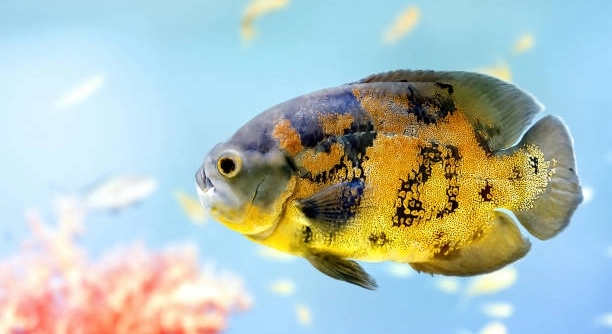
7 Behavior Shifts During Oscar Mating Season
During Oscar fish mating season, their behavior undergoes noticeable changes. These shifts can be puzzling for fish owners, especially when new behaviors emerge that seem out of character for the usual tank routine.
Oscar fish exhibit various behavior changes during mating season, such as increased aggression, territoriality, and courtship displays. Males become more protective of their territory, while females prepare nesting sites. These behaviors are instinctual and part of the reproductive process.
Understanding these changes can help ensure a harmonious environment for your Oscars. These behaviors may seem strange, but with the right knowledge, you can manage them easily.
Oscar Fish Aggression During Mating Season
As Oscar fish prepare to breed, aggression levels tend to rise significantly. Males, in particular, become more territorial and will actively guard their area, including hiding spots and nesting sites. This behavior can be seen in the form of chasing, nipping, and displaying dominant postures. It’s not unusual for the male to become more active during the evening hours, patrolling the tank and defending his territory from other fish. If there are other tank mates, they may experience increased stress and even be pushed out of the area. The aggressive behavior is a natural instinct aimed at protecting the female and the nesting site.
While aggression is common, it’s crucial to monitor the tank closely. If the aggression becomes too intense or results in harm to other fish, you may need to separate the fish for their safety. It’s important to ensure the tank environment provides plenty of hiding spaces and territories for each fish, reducing the likelihood of physical harm.
Oscar fish are known to be intelligent and possess strong personalities. Their territorial instincts during mating season reflect their need to ensure that their space is secure. It’s natural for the male Oscar to act aggressively toward other fish, especially during the preparation for spawning. The increased aggression also serves as a display to attract the attention of the female Oscar. By defending a specific area, the male showcases his strength, ensuring the female feels safe enough to lay eggs. The male will likely be more vigilant, constantly protecting the space and preparing it for the upcoming spawning process.
Courtship Displays and Behavior
During mating season, Oscar fish engage in elaborate courtship rituals. The male will often display his vibrant colors and unique body movements to attract a mate. These displays include swimming in front of the female, performing a series of exaggerated movements like quick darts and circling her. The male may also create a nesting site for the female by cleaning a flat surface, such as a rock or piece of driftwood. These actions are not only a way of showcasing his strength but also serve to signal his readiness to mate.
Courtship is an essential part of the mating process for Oscar fish. The male’s colorful and energetic displays are meant to show off his fitness and suitability as a mate. The female may react by becoming more active, following the male’s movements, or even beginning to inspect the nest site. These behaviors are instinctual and part of their efforts to create a successful breeding environment. The courtship rituals may seem intense, but they are a natural part of Oscar fish reproduction.
Nest Building and Territory Preparation
Oscar fish, particularly the males, become intensely focused on preparing a suitable nesting site. The male will choose a flat, smooth surface to clean, often spending significant time clearing away debris and algae. He may use his body or fins to scrub the area, ensuring it’s ideal for egg laying. As the nest nears completion, the male’s behavior becomes more protective, driving off other fish that venture too close. The female is likely to inspect the site, deciding whether it’s appropriate for her to lay eggs.
The nest preparation signals the final phase of the Oscar fish mating process. If the female approves the site, she will begin laying eggs. The male, in turn, fertilizes them and continues to guard the area. Afterward, both parents will take turns guarding the nest, protecting their offspring from potential threats. The nesting behavior is crucial for the survival of the eggs and young fish, providing them with a safe and secure environment to develop.
Increased Activity Levels During Mating Season
During mating season, Oscar fish are noticeably more active. They will swim around the tank more frequently, engaging in behaviors like chasing each other or defending territories. This heightened energy is primarily related to their search for a mate or preparation for spawning. The increased movement is part of the process of attracting and courting the female.
You may also notice that the male Oscar becomes more assertive during this time, patrolling the tank and displaying his dominance. The fish are actively seeking to establish their space and attract attention. This behavior can sometimes make them seem more restless than usual.
The female Oscar might not show as much activity as the male but will still become more involved in inspecting potential nesting sites. She’ll follow the male around the tank, sometimes watching his displays or investigating the areas he’s preparing for eggs. Both fish are engaged in behaviors that show they are ready to spawn. The increased activity is a natural part of their mating routine.
Changes in Feeding Habits
Oscar fish may eat less during mating season, especially the females. This behavior is linked to their focus on spawning rather than feeding. The males, however, may still eat regularly as they prepare to defend their territory and attract mates. The change in feeding habits is quite common.
The female may also become pickier about food during this time. Her primary focus will shift toward ensuring a safe and suitable nesting site. The decreased interest in food doesn’t mean that she is unhealthy; rather, it’s simply part of her preparation for breeding.
While the fish may eat less, it’s still important to offer them nutritious food during this time. Offering them a balanced diet ensures they remain healthy, even if their feeding habits change. You can help encourage a return to normal eating patterns once the mating season is over, but always ensure that they have access to enough food.
Increased Territorial Behavior
Oscar fish become highly territorial during mating season. Males, in particular, will defend their chosen nesting sites aggressively. They may chase away other fish or use their bodies to block access to the area. This heightened territoriality ensures that the male has a safe space for mating and raising the young.
This territorial behavior can sometimes lead to conflicts with other tank mates, especially if they venture too close to the nesting area. It’s essential to ensure that your Oscar fish has enough space in the tank to reduce stress and prevent harm. Keeping tank mates that are less likely to disturb their territory can help maintain harmony.
Parental Care of Eggs
Once the female lays her eggs, the male Oscar will stay close by to guard them. Both parents may take turns watching over the eggs, protecting them from potential threats or disturbances. They will also ensure that the eggs are properly aerated, often fanning them with their fins.
This level of care is vital for the survival of the eggs. The parents will aggressively defend the nest, ensuring no other fish can come close. It’s natural for Oscar fish to be protective, which can make tank maintenance a bit trickier during this time, but it’s an essential part of their breeding process.
Post-Spawning Behavior
After spawning, Oscar fish shift their focus to the young fry. The parents continue to protect the eggs and newly hatched fry. They may even move them to a different area of the tank for safety. The parents will be incredibly protective and territorial during this period, ensuring the fry have a secure environment to grow.
FAQ
How do I know if my Oscar fish is ready to mate?
Oscars usually show readiness to mate by becoming more active and aggressive. The males will start patrolling the tank, displaying territorial behavior. They may also begin to show off their vibrant colors and engage in courtship rituals like circling or nipping at the female. Females will also start to show interest by inspecting potential nesting sites. If you see these signs, your Oscar fish might be preparing to mate.
Is it safe to keep other fish with my Oscar during mating season?
It can be tricky. During mating season, Oscar fish become territorial and more aggressive, especially the males. If you have other tank mates, they might be harassed or even injured by the Oscars. It’s best to monitor the tank closely and be ready to separate fish if necessary. Some fish are better suited for cohabitation with Oscars during this time, but others, especially smaller or less aggressive species, might not fare well.
How can I create a suitable nesting site for my Oscars?
Oscar fish prefer flat, smooth surfaces to lay their eggs. You can add rocks, tiles, or driftwood to the tank to give them options for nesting. Make sure to keep the nesting area clean by removing any debris. Oscars are likely to clean the area themselves, but providing a spot that is easy to access and free from obstacles can encourage them to use it.
Do Oscar fish need a mate to breed?
Yes, Oscar fish need a mate to breed. They are not solitary breeders. During mating season, the male will court the female by showing off his colors and performing specific behaviors to attract her. Once the female is ready, she will lay eggs, and the male will fertilize them. Both parents usually share the responsibility of guarding and protecting the eggs and the fry.
How do I care for Oscar fish fry?
Oscar fish fry are very delicate after hatching. They will initially remain close to the nest and may be carried by the parents to a safer location. You should avoid disturbing the tank too much, as the parents can become very protective. It’s also important to provide them with appropriate food once they are free-swimming, like finely crushed pellets or baby brine shrimp. Make sure to keep the water quality high and maintain a stable temperature to support their growth.
Why is my Oscar fish being so aggressive all of a sudden?
Aggression in Oscar fish is often linked to mating behavior. Males, especially during breeding season, become more territorial and protective. They may show aggression toward other fish in the tank, even those they usually coexist with. If your Oscar is acting more aggressively, it’s likely due to its mating instincts, and it may subside after the breeding season is over.
Can Oscar fish breed in a community tank?
While it is possible for Oscar fish to breed in a community tank, it’s not ideal. Oscars become aggressive during mating season and can pose a threat to smaller or less dominant fish. The tank also needs to provide a suitable environment for nesting, and the presence of other fish could interfere with this. If you plan to let your Oscars breed, it might be best to isolate them in a breeding tank or at least make sure that their tank mates are not at risk.
How often do Oscar fish breed?
Oscar fish typically breed once or twice a year, but the timing can vary depending on environmental conditions. They usually mate during warmer months when the water temperature is stable. If your Oscars are well-cared for, you may notice them breeding every six months or so, although some Oscars may breed more or less frequently.
What do I do if my Oscars are not mating?
If your Oscars are not mating, it could be due to a variety of factors. The water temperature should be between 76°F and 81°F (24°C to 27°C), and the tank should be large enough to provide space for both fish. The presence of stressors, poor water quality, or even incompatible tank mates can also prevent breeding. Try to ensure a stable environment and allow the Oscars time to feel secure. In some cases, it may simply take longer for them to find the right conditions to breed.
How long does it take for Oscar fish eggs to hatch?
Oscar fish eggs typically hatch in 3 to 5 days, depending on the water temperature. Warmer water speeds up the hatching process. During this time, it’s crucial to keep the tank undisturbed to avoid stressing the parents. Once the eggs hatch, the fry will stay close to their parents for protection and will begin to swim freely after a few more days.
What do I feed Oscar fish fry?
Oscar fish fry are tiny and need specialized food to grow strong. When they first hatch, they will rely on their yolk sac for nutrition. Once they begin swimming, you can start feeding them baby brine shrimp, liquid fry food, or finely crushed pellets. Ensure that the food is small enough for them to consume, and try to feed them several times a day for optimal growth.
How do I handle aggressive Oscars during breeding season?
Handling aggressive Oscars during breeding season requires patience. Try to minimize stress by avoiding sudden changes in the tank, such as rearranging decorations. If the aggression becomes too much for other fish, you may need to set up a separate breeding tank for your Oscars. Keep in mind that the aggression is natural and will subside once the breeding season is over.
Final Thoughts
Oscar fish are fascinating creatures, especially during mating season when their behavior changes noticeably. Their increased activity, territoriality, and aggression are all natural parts of their breeding process. Understanding these behaviors can help fish owners manage their tanks better and ensure the health and safety of all the fish involved. Although Oscars can be aggressive during this time, their protective nature is meant to ensure the survival of their young. With the right preparation, you can maintain a peaceful and supportive environment for your Oscars.
Breeding Oscars requires some attention to detail, particularly when it comes to creating a suitable environment for their courtship and nesting. Providing a clean tank with plenty of space, hiding spots, and appropriate nesting surfaces is crucial. Additionally, keeping water conditions stable is key to encouraging breeding behavior. Temperature, pH levels, and water cleanliness all play a significant role in whether or not your Oscars will successfully breed. The health of the fish is directly impacted by the care and attention you provide, so it’s important to stay consistent with tank maintenance.
While breeding Oscars can be a rewarding experience, it also brings challenges. As territorial animals, they may cause stress to other fish in the tank, especially during mating season. If you have other tank mates, you may need to be prepared to separate them to avoid harm. The fry require special care and attention as they grow, and their parents will need to be closely monitored for any signs of aggression or neglect. Overall, Oscar fish breeding is an exciting yet demanding process that, when done correctly, can lead to healthy offspring and a thriving Oscar tank.

Hello,
If you enjoy the content that we create, please consider saying a "Thank You!" by leaving a tip.
Every little bit helps us continue crafting quality advice that supports the health, happiness, and well-being of pets around the world, for pets of all shapes, sizes, and species.
We really appreciate the kindness and support that you show us!