
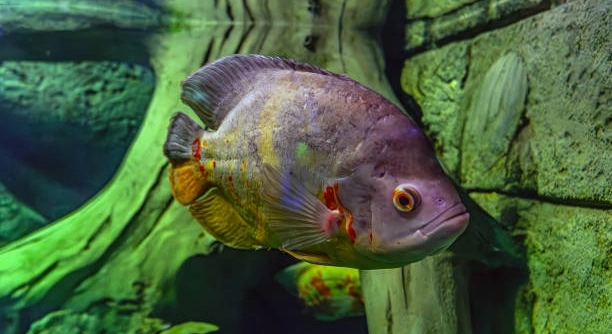
Oscar fish are fascinating creatures, known for their intelligence and unique behaviors. Many pet owners enjoy observing their personalities and interactions. However, when visitors come around frequently, concerns about how this affects their emotional state may arise.
Oscar fish can indeed become stressed or upset by frequent visitors. These fish are territorial and may react negatively to sudden changes in their environment, such as the presence of unfamiliar people. This can result in defensive or anxious behaviors.
Understanding how Oscar fish react to visitors is essential for maintaining their well-being. With the right environment and proper care, their stress can be minimized.
How Do Oscar Fish React to Visitors?
Oscar fish are naturally territorial and sensitive to changes in their environment. Frequent visitors can disrupt their routine, which may lead to stress. When new people enter their space, Oscar fish often feel the need to protect their territory, making them more defensive or even aggressive. This is a normal instinctual behavior. They may hide, become more erratic, or display warning signs such as flaring their gills or darting away. These reactions can vary depending on the individual fish’s temperament and their previous experiences with people.
When Oscar fish feel stressed, their health can also be affected. Stress weakens their immune system, leaving them more susceptible to illness. This can manifest in physical symptoms, such as loss of appetite or changes in their color. If this behavior persists, it’s crucial to assess the environment and reduce the frequency of visits.
Maintaining a stable, quiet environment is key to keeping Oscar fish healthy. They thrive in peace, with minimal disturbances from outside sources. Regular interactions that are calm and gentle can help to keep their stress levels in check over time.
Can You Help Your Oscar Fish Adjust?
If you want your Oscar fish to become more accustomed to visitors, gradual exposure is recommended. Start by allowing them to observe new people from a distance. Over time, increase the amount of time these visitors spend around the tank without causing disruptions.
As your fish become more familiar with the presence of others, their responses may become less anxious. Patience is important, as sudden changes can worsen their stress. Also, ensuring the tank setup remains constant and undisturbed by human activities can help keep your Oscar fish feeling secure.
Stress Signs in Oscar Fish
Oscar fish exhibit various signs when stressed by frequent visitors. They may hide or retreat to darker corners of the tank, seeking shelter. Their usual behavior, such as swimming openly or interacting with their surroundings, may diminish. Increased aggression toward tankmates or frantic swimming patterns are also common stress indicators.
When Oscar fish are stressed, they may display these behaviors for extended periods. Some may stop eating or become lethargic, which can further affect their overall health. It’s essential to monitor these signs closely and take action if they persist. If the environment becomes too disruptive, consider rearranging the tank or limiting interactions to avoid additional stress.
Reducing stress levels requires a quiet, consistent environment. If the tank is in a high-traffic area, it’s worth moving it to a quieter location. Keeping visitors at a distance and minimizing sudden changes in the tank setup can help your Oscar fish feel more secure.
Can Oscar Fish Adjust to Frequent Visitors?
With time and patience, Oscar fish can learn to tolerate frequent visitors. However, this process requires a gradual approach. Introducing new people slowly and giving the fish ample time to observe without feeling threatened can help ease their anxiety. Over time, the Oscar may become more accustomed to the presence of others.
Establishing a routine is key. If visitors are frequent, try to schedule visits when the fish is calm. Consistent, non-threatening interactions allow the Oscar fish to adapt, reducing stress. It’s crucial to avoid overwhelming them with too much attention, as this can reinforce negative responses and hinder their adjustment.
How to Minimize Stress for Oscar Fish
To reduce stress for Oscar fish, it’s important to maintain a stable tank environment. Avoid sudden changes in water temperature or tank layout. Keeping the tank in a quiet space, away from frequent foot traffic, also helps prevent additional stress.
Another effective method is maintaining consistent feeding schedules. When the fish associate the presence of people with positive experiences, such as regular feeding, it helps them adjust more easily. Ensuring the water is clean and at the right pH level will also contribute to reducing stress, as unhealthy water conditions can exacerbate stress responses.
Creating a peaceful environment where your Oscar feels secure will make interactions with visitors more manageable over time. It’s a balance of stability, routine, and gradual exposure that helps ease their anxiety.
Tank Setup for Oscar Fish
Oscar fish need plenty of space to feel comfortable, as they can grow quite large. A properly sized tank with enough room for swimming is essential for their well-being. Providing hiding spots like rocks or plants can help them retreat if they feel threatened.
A well-maintained tank with a proper filtration system is crucial. Poor water quality can exacerbate stress, especially in the presence of unfamiliar people. Regular water changes and monitoring ammonia levels will keep the environment safe. Adding decor that provides both hiding spaces and open swimming areas will give your Oscar a sense of security.
Signs Your Oscar Fish Is Adjusting
As your Oscar fish gets more accustomed to visitors, you may notice a shift in behavior. They may stop hiding and start swimming more freely, even when new people are present. Increased interaction with their environment, such as playing with tankmates, shows they feel safer.
These changes indicate that your fish is adjusting to the presence of people. It’s important to continue with gradual exposure and reinforce calm behavior. Keep monitoring for signs of stress, and always make sure the environment remains stable for the Oscar’s well-being.
FAQ
What is the best way to calm an Oscar fish?
The best way to calm an Oscar fish is to create a stable, quiet environment. Avoid sudden changes in their habitat and ensure their tank is in a low-traffic area. You should also maintain a consistent feeding schedule and perform regular water changes. If the fish shows signs of stress, it’s important to reduce any disruptions and allow the fish time to adjust. Using natural decor, such as rocks or plants, can also provide hiding spaces, which help them feel more secure when stressed.
How long does it take for an Oscar fish to adjust to new visitors?
It can take a few weeks to a few months for an Oscar fish to adjust to new visitors. The process is gradual, and the fish must learn to associate the presence of new people with calm, non-threatening interactions. During this time, limit disturbances, ensure that visitors remain at a distance, and provide a consistent environment. Patience is key—some Oscars adapt more quickly, while others may require longer.
Can I change my Oscar fish’s tank setup frequently?
Frequent changes in the tank setup can stress your Oscar fish. They thrive in stable environments, and sudden shifts can cause anxiety or confusion. If you do need to rearrange the tank, it’s best to do so gradually and at a pace that doesn’t overwhelm them. Keep the changes minimal and avoid moving or removing essential hiding spaces.
Do Oscar fish need a lot of attention?
Oscar fish are relatively independent and do not require constant attention. However, they do enjoy interactions with their owners, especially during feeding time. While they may show some signs of affection, such as following your finger or watching you, they do not need constant stimulation like some other pet species. Regular feeding and maintaining a clean environment is the most important part of keeping an Oscar healthy and happy.
Why does my Oscar fish hide when visitors come over?
Oscar fish may hide when visitors come over because they feel threatened by the unfamiliar presence. This is a natural defense mechanism. In their wild habitat, sudden changes or the presence of potential threats would cause them to seek cover. To help your Oscar feel more comfortable, give them time to observe visitors from a distance and avoid forcing them out of hiding.
Can Oscar fish become aggressive with visitors?
Oscar fish can become more aggressive with visitors, especially if they feel their territory is being threatened. As territorial animals, they might display behaviors such as chasing or flaring their gills to defend their space. To minimize aggression, it’s best to reduce the frequency of visitors and provide a calm environment for your fish. Gradual exposure to new people can also help reduce aggressive reactions over time.
Is it okay for my Oscar fish to interact with other tank mates?
Oscar fish can live with other fish, but it depends on the species and tank size. They are known for their territorial behavior, and aggression can occur, especially if they feel their space is being invaded. It’s crucial to choose tank mates carefully—larger fish with similar temperaments are generally a better match. Avoid small fish, as Oscars may view them as prey. Providing plenty of space and hiding spots can help reduce conflict.
What are the signs that my Oscar fish is stressed?
Signs that your Oscar fish is stressed include hiding frequently, erratic swimming, loss of appetite, and aggression toward tank mates. They may also develop physical symptoms like fading color or lethargy. If your Oscar is showing these signs, it’s important to assess the environment for possible stressors, such as water quality, tank conditions, or frequent disturbances.
How often should I feed my Oscar fish?
Oscar fish should be fed once or twice a day, depending on their size and appetite. It’s important to provide a balanced diet that includes both protein-based foods like pellets, worms, or small fish, and occasional plant matter. Overfeeding can lead to water quality problems, so it’s essential to feed them in moderation and remove any uneaten food after a few minutes to prevent it from decomposing in the tank.
Do Oscars need a specific water temperature?
Yes, Oscar fish require warm water to thrive. The ideal temperature range is between 74°F and 81°F (23°C to 27°C). Water temperatures outside of this range can stress the fish and impact their immune system. It’s crucial to monitor the tank temperature regularly and use a reliable heater to maintain the correct temperature.
Can Oscar fish be trained?
Oscar fish are intelligent and can be trained to a certain extent. They may learn to recognize their owner and associate you with feeding time. Some owners have successfully trained Oscars to perform simple tricks, such as following a finger or jumping for food. However, training them requires patience and consistency. Keep in mind that Oscars are not as trainable as some other species, but they can learn certain behaviors over time.
Why is my Oscar fish not eating?
There are several reasons your Oscar fish might not be eating. Stress is one of the most common causes, often due to changes in their environment or the presence of visitors. Illness, poor water quality, or a sudden change in diet can also affect their appetite. If your Oscar refuses food for an extended period, it’s important to check water conditions, monitor for signs of illness, and reduce any stressors in their environment.
How do I know if my Oscar fish is healthy?
A healthy Oscar fish will have vibrant coloration, active swimming patterns, and a healthy appetite. They should interact with their environment and other tank mates without showing signs of distress. Regular water changes, proper feeding, and a clean tank will help maintain their health. If your Oscar shows signs of lethargy, loss of color, or erratic behavior, it may be a sign of illness or stress, and further attention is needed.
Final Thoughts
Oscar fish are intelligent and intriguing creatures. While they can show affection and interact with their owners, they are also sensitive to changes in their environment. Frequent visitors or sudden disruptions can cause stress, which may affect their health and behavior. It’s essential to create a stable environment for them, where they feel secure and comfortable. Understanding their needs for space, water quality, and routine will help in maintaining their well-being. Over time, with the right care and attention, your Oscar can adapt to new situations, including the presence of visitors.
When managing your Oscar’s stress, consistency is key. Keeping a regular feeding schedule, minimizing disturbances, and ensuring clean water will make a significant difference in how your fish reacts to new experiences. It’s important to recognize the signs of stress early, such as hiding or erratic swimming, so you can address any issues promptly. Providing them with hiding spots and a peaceful space where they can retreat when they feel overwhelmed will help them feel safe. This allows them to adjust more easily to changes without prolonged discomfort.
With time, your Oscar fish can learn to coexist with visitors, but gradual exposure is necessary. Patience is important during this process, as every fish is different. Some Oscars may adjust quickly, while others may take more time. By creating a calm and supportive environment, you allow your Oscar to thrive. Understanding their behavior and ensuring their basic needs are met will ensure a happy, healthy fish. As they grow more accustomed to their surroundings, you will likely notice them becoming more relaxed and comfortable with people around them.

Hello,
If you enjoy the content that we create, please consider saying a "Thank You!" by leaving a tip.
Every little bit helps us continue crafting quality advice that supports the health, happiness, and well-being of pets around the world, for pets of all shapes, sizes, and species.
We really appreciate the kindness and support that you show us!