
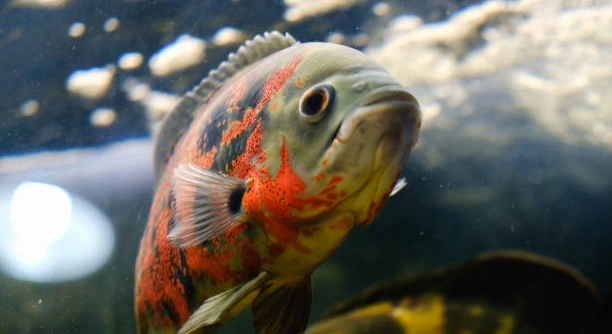
Is your Oscar fish showing signs that it may be outgrowing its current tank? Understanding these signs will help ensure a healthier environment for your fish. Recognizing when it’s time to upgrade their space is essential.
An Oscar fish typically requires more space as it grows. Signs that your Oscar is ready for a larger tank include increased aggression, noticeable growth, and excessive waste production. Moving to a bigger tank supports their physical and behavioral needs.
With the right tank size, your Oscar will thrive and maintain a balanced lifestyle. Keep reading to learn how to make the right changes for their well-being.
Why Tank Size Matters for Your Oscar
When it comes to tank size, bigger is always better for an Oscar fish. These fish can grow quite large, reaching up to 12-15 inches, which means they need plenty of space to swim freely. Keeping them in a tank that’s too small can lead to stress, which often results in health issues such as stunted growth or weakened immune systems. An undersized tank may also create a dirty environment, leading to poor water quality. Regular water changes won’t fully compensate for insufficient space. You might also notice your Oscar becoming more aggressive in a cramped tank. This behavior stems from territorial instincts, which are amplified in small spaces.
Choosing the right size tank for your Oscar is key to its health. A general guideline is to provide at least 55 gallons of water for a single Oscar, with 75-100 gallons being even better. This gives your fish room to swim and grow comfortably.
A larger tank allows better water quality, which is crucial for the well-being of your Oscar. With enough space, you can also include suitable tankmates. Just be sure to monitor the space and avoid overcrowding.
Signs Your Oscar Is Outgrowing Its Tank
As your Oscar grows, it will start to show clear signs that the tank is too small. You may notice it swimming in circles, frequently rubbing against tank decorations, or showing signs of aggression. These behaviors are often a result of stress due to lack of space.
Your Oscar’s personality may change as it becomes uncomfortable in a cramped tank. It could become more territorial, attacking other fish or even itself. This is an indication that it needs more room. If left unchecked, stress can weaken your fish’s immune system and make it more susceptible to diseases.
Another sign that your Oscar is outgrowing its tank is the amount of waste it produces. A small tank struggles to filter out the excess, leading to poor water quality. This can result in cloudy water and even foul odors, making your Oscar’s environment unhealthy. It’s important to monitor these changes and act before they escalate.
Why Larger Tanks Improve Oscar Health
A larger tank significantly improves your Oscar’s health by providing more space for swimming, which is essential for their physical development. With increased room, your Oscar will feel less stressed and more confident in its surroundings. This reduces the chances of aggressive behavior and territorial disputes with other tankmates.
In a larger tank, the water quality remains more stable. The filtration system can handle the larger volume of water, making it easier to keep clean and well-maintained. Your Oscar will be less exposed to harmful chemicals or fluctuations in water conditions. Healthy water directly influences the fish’s ability to thrive and grow.
If you have more than one Oscar or other fish, the added space allows for better social interaction without overcrowding. You can also add more decorations or plants, creating a more natural and enjoyable environment. This can reduce boredom and promote a happier, healthier fish.
How to Determine the Right Tank Size
The best way to determine if your Oscar needs a bigger tank is to monitor its growth. As a general rule, a single Oscar needs at least 55 gallons of water. A larger tank will accommodate the fish as it grows and will create a more stable environment.
Always factor in the full-grown size of your Oscar when choosing a tank. It’s easy to underestimate how much space they’ll need. If your Oscar is nearing the 8-inch mark, it’s time to upgrade. Larger tanks are also easier to maintain with fewer fluctuations in water quality.
Preparing the Tank for Your Oscar
When setting up a larger tank for your Oscar, ensure the filtration system is strong enough to handle the increased size and waste production. You should also include hiding spots, decorations, and plants to make your Oscar feel comfortable. Make sure the water temperature and pH levels are ideal for their species.
If possible, use a substrate that is easy to clean and won’t trap debris. Regular maintenance will still be required, but a larger tank will reduce the frequency of water changes. Over time, this will create a healthier habitat for your fish to thrive in.
Tankmates for Your Oscar
Choosing the right tankmates for your Oscar can make a significant difference. Oscars are often aggressive and territorial, so select fish that can handle its size and behavior. Larger, sturdier fish like catfish or larger cichlids work well, while smaller fish may become a target.
FAQ
How do I know when my Oscar fish is stressed?
Stress in an Oscar can be caused by various factors such as water quality, tank size, or tank mates. Common signs of stress include erratic swimming, lack of appetite, and frequent hiding. If your Oscar is spending more time near the surface or constantly swimming in circles, it may be a sign that it is stressed due to overcrowding or poor water conditions. If these behaviors continue, it’s important to address the tank size, water filtration, or overall environment.
What happens if I don’t upgrade my Oscar’s tank?
If you don’t upgrade your Oscar’s tank when it needs more space, the fish will likely experience increased stress, which can lead to several health problems. These problems include stunted growth, weakened immune system, and increased susceptibility to diseases. Over time, the Oscar may also become more aggressive, potentially harming other fish in the tank. Poor water quality will be harder to maintain, leading to unhealthy living conditions.
Can I put more than one Oscar in the same tank?
Yes, you can keep more than one Oscar in the same tank, but you must provide enough space. It is recommended to have a tank of at least 100 gallons for two Oscars. Oscars are territorial, and without enough space, they may fight with each other. Make sure to observe their behavior, as they can become aggressive if they feel overcrowded or threatened.
Do Oscars get along with other fish?
Oscars can get along with other fish, but the tankmates should be large enough to handle their size and aggression. They tend to be territorial, so it’s best to avoid smaller, more passive fish. Suitable tankmates include other large cichlids, catfish, or larger species that aren’t overly aggressive. Avoid adding fish that are small enough to be seen as prey.
How often should I feed my Oscar?
Oscar fish should be fed 2-3 times a day with portions that they can eat within 2-3 minutes. Overfeeding can lead to poor water quality and obesity. It’s important to feed a balanced diet that includes both pellet and live or frozen food. Keep an eye on your Oscar’s weight and adjust feeding as needed.
What is the ideal water temperature for Oscars?
Oscars thrive in water temperatures between 74°F and 81°F (23°C and 27°C). It’s important to maintain a stable temperature, as sudden changes can stress your fish. Use a reliable aquarium heater to keep the water temperature consistent. Regularly check the temperature to ensure it stays within the ideal range.
How do I clean an Oscar tank properly?
Cleaning an Oscar tank involves more than just water changes. You should clean the tank decorations, substrate, and filter regularly. Perform partial water changes of about 25-30% every 1-2 weeks, depending on the size of the tank. It’s also essential to clean the filter to prevent clogging and ensure efficient filtration. Always test the water’s pH, ammonia, nitrite, and nitrate levels to maintain a healthy environment.
How fast do Oscars grow?
Oscars can grow quickly, especially when they’re young. They typically grow about 1 inch per month during their first year of life. By the time they are 2 years old, they can reach anywhere from 8-12 inches, and they may continue growing slowly after that. To support healthy growth, ensure your Oscar has a properly sized tank, good water quality, and a balanced diet.
Can I use a small tank for my Oscar when it’s young?
You can use a smaller tank for a young Oscar, but it’s important to upgrade as it grows. A 20-30 gallon tank is acceptable for a juvenile Oscar, but you’ll need to upgrade to a 55 gallon or larger tank as it reaches adulthood. Keeping a small tank for an adult Oscar can cause health problems and stress. Always plan ahead for the tank size your fish will need as it matures.
Why is my Oscar attacking other fish?
Oscars are known for their territorial nature, and they may attack other fish, especially if they feel crowded or threatened. Stress, lack of space, and the presence of smaller or more passive fish can trigger aggressive behavior. Make sure your tank is large enough to accommodate your Oscar and other tankmates, and always choose tankmates that are big enough to defend themselves.
Can I keep my Oscar in a community tank?
While Oscars can be kept in community tanks, it requires careful planning. They should only be kept with larger, more robust fish that can tolerate the Oscar’s aggressive behavior. Avoid keeping them with smaller fish, as they may become prey. It’s also important to provide ample hiding spots and territories for all tank inhabitants.
What kind of filter should I use for an Oscar tank?
An efficient filtration system is crucial for maintaining water quality in an Oscar tank. Oscars produce a lot of waste, so a powerful filter is necessary. Canister filters or large internal filters are ideal for keeping the water clean and clear. Make sure to clean the filter regularly and replace any worn-out parts to maintain its effectiveness.
How do I handle Oscar aggression?
If your Oscar is displaying aggression, first check the tank size. A cramped environment can cause stress and territorial behavior. Providing more space, adding hiding spots, and choosing appropriate tankmates can help reduce aggression. If aggression persists, consider separating the aggressive fish into a different tank to prevent harm to other fish.
Is it necessary to add plants to an Oscar tank?
Plants are not necessary for an Oscar tank, but they can provide hiding spots and enrich the environment. Oscars are often rough on plants, so choose hardier species like Anubias or Java fern. Be prepared for plants to be uprooted or damaged as your Oscar moves around the tank.
Final Thoughts
Owning an Oscar fish requires attention to their specific needs and a commitment to providing the right environment. As they grow, they demand more space, and their behavior can become more challenging. Ensuring they have the proper tank size is one of the most important factors in keeping them healthy and happy. A larger tank not only accommodates their size but also makes it easier to maintain good water quality. Without the right environment, Oscars can quickly become stressed, leading to health problems and aggression.
In addition to tank size, the quality of the water is crucial. Oscars are particularly sensitive to changes in water conditions, so regular maintenance is essential. Performing partial water changes, cleaning the tank, and monitoring water parameters such as pH and ammonia levels can help keep your Oscar in a stable, healthy environment. A good filtration system is just as important, as it helps manage the high waste production that comes with keeping an Oscar. If these aspects are consistently managed, your Oscar can thrive in its tank for many years.
Lastly, remember that Oscars are social creatures that need the right tank mates. Their aggressive nature can make it difficult to pair them with other fish, but choosing the right companions is possible. Large, sturdy fish that can defend themselves are ideal choices. Over time, providing your Oscar with a proper tank, suitable tankmates, and a balanced environment will ensure it remains healthy and active. Keeping an Oscar fish is a rewarding experience, but it requires ongoing effort to maintain their ideal living conditions.

Hello,
If you enjoy the content that we create, please consider saying a "Thank You!" by leaving a tip.
Every little bit helps us continue crafting quality advice that supports the health, happiness, and well-being of pets around the world, for pets of all shapes, sizes, and species.
We really appreciate the kindness and support that you show us!